
Green Reviews: Sustainable Lawn Care Products Under the Microscope
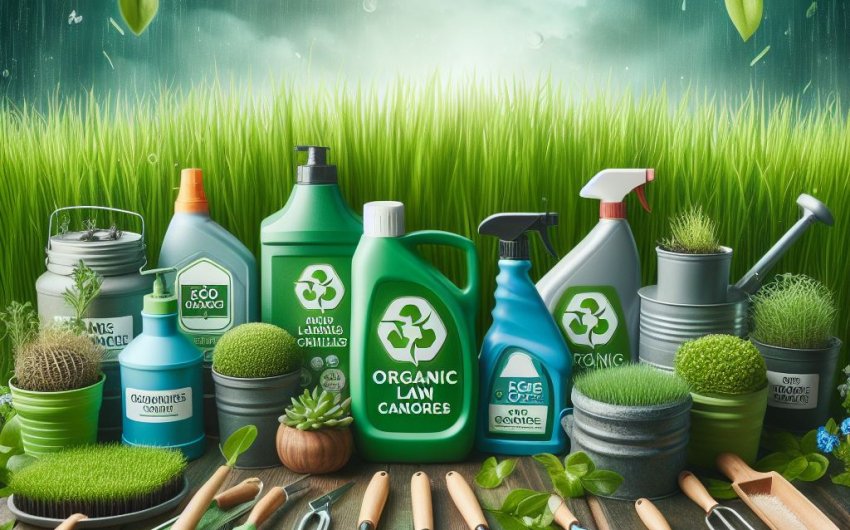
To make informed choices for your lawn, it's essential to put sustainable lawn care products under the microscope, scrutinizing their ingredients, effectiveness, and environmental impact. These green reviews guide you towards eco-friendly alternatives that nurture your turf without resorting to harsh chemicals. This comprehensive guide helps you select products that truly benefit both your lawn and the planet.
Why Should You Choose Sustainable Lawn Care Products?
Choosing sustainable lawn care products is a conscious and crucial decision for cultivating a vibrant, healthy lawn that actively benefits the environment rather than harming it. Traditional chemical-laden products often come with hidden costs to ecosystems, health, and beneficial organisms. Understanding these advantages highlights why putting sustainable lawn care products under the microscope for your green reviews is so vital for a truly eco-friendly yard.
What are the Environmental Benefits of Using Green Lawn Products?
The environmental benefits of using green lawn products are extensive, reaching far beyond the boundaries of your property to impact local ecosystems and global sustainability. By opting for sustainable lawn care products, you actively contribute to cleaner air, water, and healthier soil. Understanding these positive impacts highlights why putting them under the microscope for green reviews is essential for a truly eco-friendly approach.
Here are the environmental benefits of using green lawn products:
- Reduced Water Pollution:
- Mechanism: Green lawn products (like organic fertilizers and non-toxic pest controls) either contain natural ingredients that break down safely or are applied in ways that prevent runoff.
- Impact: Significantly reduces the amount of synthetic chemicals, excess nitrogen, and phosphorus from entering storm drains, rivers, lakes, and oceans. This prevents harmful algal blooms (eutrophication) and protects aquatic life.
- Improved Soil Health and Biodiversity:
- Mechanism: Organic fertilizers, compost, and microbial amendments feed the soil food web (beneficial bacteria, fungi, earthworms), rather than just the plant. Non-toxic pest controls protect these vital organisms.
- Impact: Builds a richer, more vibrant, and resilient soil ecosystem. Healthy soil improves water retention, nutrient cycling, and reduces compaction, creating a stronger foundation for your lawn.
- Protection of Beneficial Insects and Pollinators:
- Mechanism: Non-toxic pest control alternatives are either highly specific (e.g., Bt, nematodes) or work through physical means (e.g., insecticidal soap, horticultural oil), with minimal residual impact on beneficial insects and crucial pollinators like bees and butterflies.
- Impact: Supports healthy populations of these essential garden allies, which naturally control pests and ensure the pollination of plants in your garden and surrounding areas.
- Reduced Air Pollution:
- Mechanism: Choosing electric or manual lawn equipment over gas-powered alternatives reduces emissions of greenhouse gases and volatile organic compounds.
- Impact: Contributes to cleaner air and reduces your carbon footprint.
- Sustainable Resource Management:
- Mechanism: Many green products utilize renewable resources, recycled materials, or are produced with less energy-intensive processes.
- Impact: Supports a more circular economy and reduces reliance on finite resources.
- Minimized Chemical Exposure:
- Mechanism: Less use of synthetic herbicides, pesticides, and fertilizers means fewer harmful chemicals are manufactured, transported, and applied.
- Impact: Reduces the overall chemical burden on the environment.
- Supports Drought Tolerance:
- Mechanism: Healthy, organically rich soil and resilient grass varieties fostered by sustainable products are naturally more drought-tolerant.
- Impact: Reduces the need for excessive watering, conserving water resources.
What are the Health and Safety Advantages for Your Family and Pets?
The health and safety advantages for your family and pets are paramount reasons for choosing sustainable lawn care products, transforming your outdoor space into a truly safe haven. By avoiding harsh chemicals, you eliminate concerns about exposure to toxins and foster a healthier lifestyle. Understanding these direct benefits highlights why subjecting sustainable lawn care products under the microscope for green reviews is crucial.
Here are the health and safety advantages:
- Eliminated Exposure to Harmful Chemicals:
- Benefit: Directly removes contact with synthetic pesticides (insecticides, herbicides, fungicides) and chemical fertilizers that can be linked to various health concerns, including skin irritation, respiratory issues, neurological problems, and potential links to certain cancers.
- How it works: Your lawn becomes free of residues that children or pets could touch, ingest, or track indoors.
- Safer Play Area for Children:
- Benefit: Kids can run barefoot, play on the grass, or put their hands in the soil without you worrying about them being exposed to chemical residues.
- How it works: Reduces the risk of direct exposure, which is particularly important for children who are more susceptible due to their smaller size and developing systems.
- Enhanced Pet Safety:
- Benefit: Pets can safely walk, roll, or graze on grass without the risk of absorbing toxins through their paws, skin, or mouth.
- How it works: Prevents accidental poisoning from ingesting granules or liquid residues that could cause gastrointestinal upset, neurological symptoms, or worse.
- Improved Indoor Air Quality:
- Benefit: Reduces the amount of chemical residues tracked into your home on shoes and paws, potentially improving indoor air quality.
- Reduced Allergy and Sensitivity Triggers:
- Benefit: For individuals with chemical sensitivities or allergies, a chemical-free environment reduces potential triggers.
- Peace of Mind:
- Benefit: You gain peace of mind knowing that your family and pets are safe when enjoying your yard, and you're contributing to a healthier environment.
- How it works: Removes the stress and worry associated with using and managing synthetic chemicals.
- Supports Healthy Food Growth:
- Benefit: If you have vegetable gardens near your lawn, maintaining a chemical-free lawn environment reduces the risk of chemical drift or runoff contaminating your edible crops.
What Key Categories of Sustainable Lawn Products Should You Consider?
When seeking to make your lawn care eco-friendly, understanding the key categories of sustainable lawn products is essential. From organic fertilizers to natural pest controls and water-wise solutions, these alternatives offer effective ways to nurture your turf without harsh chemicals. Putting each category under the microscope for green reviews guides your choices toward a truly sustainable and healthy lawn.
What are the Best Organic Fertilizers for a Greener Yard?
For a truly greener yard, selecting the best organic fertilizers is a foundational choice in sustainable lawn care products. These natural options nourish your lawn by feeding the soil food web, promoting long-term health and vitality rather than just quick green-up. Putting these sustainable lawn care products under the microscope reveals their benefits for soil and plant health.
Here are the best organic fertilizers for a greener yard:
- Compost:
- What it is: Decomposed organic matter (food scraps, yard waste).
- How it works: The ultimate soil builder. It slowly releases a balanced array of macro and micronutrients, dramatically improves soil structure, enhances water retention, and supercharges beneficial microbial activity.
- Benefits: Feeds the soil, reduces thatch, prevents compaction, and supports disease resistance.
- Application: Topdress your lawn annually or bi-annually with a thin (1/4 to 1/2 inch) layer. Best applied after aeration. You can buy organic compost for lawns or make your own.
- Compost Tea:
- What it is: A liquid solution created by steeping finished compost in water, usually with aeration.
- How it works: Delivers beneficial microorganisms and soluble nutrients directly to the soil and plant foliage.
- Benefits: Provides a quick, gentle nutrient boost and enhances microbial activity, improving overall plant health and disease resistance.
- Application: Spray on lawn and plants. You can use a compost tea brewer or a simple DIY method.
- Corn Gluten Meal (CGM):
- What it is: A natural byproduct of corn processing.
- How it works: Acts as a pre-emergent herbicide (prevents weed seeds from germinating) and provides a slow-release source of nitrogen (approx. 10% N).
- Benefits: Dual-purpose for weed prevention and fertilization. Safe for existing grass, pets, and children.
- Application: Apply in early spring for summer annuals or late summer/early fall for winter annuals. A corn gluten meal pre-emergent is widely available.
- Alfalfa Meal:
- What it is: Made from dried and ground alfalfa plants.
- How it works: Provides nitrogen, phosphorus, potassium, and trace minerals. Also contains triacontanol, a natural growth stimulant.
- Benefits: Slow-release, promotes healthy growth, good for soil conditioning.
- Application: Apply as a granular fertilizer with a broadcast spreader.
- Blood Meal:
- What it is: A byproduct of slaughterhouses, high in nitrogen.
- How it works: Provides a quick-release nitrogen boost for fast green-up.
- Benefits: Good for correcting nitrogen deficiencies.
- Application: Use sparingly and follow label directions to avoid burn. Can be applied as a granular.
- Bone Meal:
- What it is: Ground animal bones.
- How it works: High in phosphorus (P) and calcium (Ca).
- Benefits: Excellent for root development, new plantings, or lawns with phosphorus deficiency (confirmed by soil test).
- Application: Apply as a granular.
- Kelp Meal/Seaweed Extract:
- What it is: Made from dried and ground seaweed.
- How it works: Provides potassium, trace minerals, and natural plant hormones that enhance stress tolerance (drought, heat, cold).
- Benefits: Improves overall plant health and resilience.
- Application: Granular or liquid forms. A liquid seaweed fertilizer can be sprayed.
- Humic and Fulvic Acids:
- What it is: Natural compounds derived from the decomposition of organic matter.
- How it works: Enhance nutrient uptake, improve soil structure, and stimulate microbial activity.
- Benefits: Acts as a soil conditioner and nutrient booster.
- Application: Available in liquid or granular forms.
General Tips for Organic Fertilization:
- Soil Test: Always start with a soil test kit to understand your specific needs.
- Slow Release: Organic fertilizers generally work more slowly. Patience is key.
- Water In: Always water granular organic fertilizers after application.
What are the Best Non-Toxic Pest and Weed Control Solutions?
To truly nurture a greener yard, selecting the best non-toxic pest and weed control solutions is essential among sustainable lawn care products. These alternatives leverage nature's power to manage unwanted invaders, protecting your turf, family, and the environment. Putting these sustainable lawn care products under the microscope for green reviews ensures you pick effective and eco-friendly options.
Here are the best non-toxic pest and weed control solutions:
Non-Toxic Pest Control Solutions:
- Beneficial Nematodes:
- What they are: Microscopic, naturally occurring roundworms that target specific soil-dwelling pests.
- How they work: Enter insect larvae (e.g., grubs), release bacteria that kill them, and then reproduce.
- Targets: Grubs (Japanese beetle, European chafer, billbugs), cutworms, armyworms, sod webworms, fungus gnats.
- Benefits: Highly specific, completely safe for humans, pets, plants, and non-target beneficial insects.
- Application: Mix with water and apply to moist soil, typically late summer/early fall for grubs. A beneficial nematodes grub control is a great example.
- Insecticidal Soap:
- What it is: Made from potassium salts of fatty acids.
- How it works: Kills soft-bodied insects on contact by disrupting their outer membranes and suffocating them. No residual effect once dry.
- Targets: Aphids, spider mites, whiteflies, mealybugs, thrips, chinch bug nymphs.
- Benefits: Low toxicity, breaks down quickly.
- Application: Spray directly on pests, ensuring thorough coverage (undersides of leaves). A ready-to-use insecticidal soap is convenient.
- Horticultural Oil (e.g., Neem Oil, Mineral Oil):
- What it is: Highly refined plant or mineral oils.
- How it works: Smothers pests and their eggs. Neem oil also acts as an antifeedant and growth regulator.
- Targets: Aphids, spider mites, whiteflies, mealybugs, scale insects, thrips, some caterpillar eggs. Neem oil also has fungicidal properties (powdery mildew).
- Benefits: Suffocates pests, low toxicity, broad-spectrum while still safer for beneficials than chemical insecticides.
- Application: Dilute concentrate and spray thoroughly, avoiding extreme heat. A cold-pressed neem oil spray is a versatile organic option.
- Bacillus thuringiensis (Bt):
- What it is: A naturally occurring soil bacterium.
- How it works: Produces protein crystals toxic only to specific insect groups when ingested.
- Targets: Caterpillars (Btk strain: cabbage worms, hornworms, armyworms) and mosquito/black fly larvae (Bti strain).
- Benefits: Highly specific, completely safe for humans, pets, birds, fish, and other insects.
- Application: Spray on foliage (Btk) or apply to standing water (Bti). A Bt caterpillar killer is effective.
- Diatomaceous Earth (DE - Food Grade):
- What it is: Fine powder from fossilized diatoms.
- How it works: Microscopic sharp edges abrade insect exoskeletons, causing dehydration.
- Targets: Crawling insects like ants, slugs, earwigs.
- Benefits: Natural, non-toxic physical killer.
- Application: Sprinkle in dry conditions. Wear a mask when applying.
Non-Toxic Weed Control Solutions:
- Corn Gluten Meal (CGM):
- What it is: Natural byproduct from corn.
- How it works: Acts as a pre-emergent herbicide, inhibiting root development in germinating weed seeds.
- Targets: Crabgrass, dandelions, foxtail, clover, and other annual weeds.
- Benefits: Dual-purpose (fertilizer and weed prevention), safe for existing grass, pets, children.
- Application: Apply in early spring for summer annuals or fall for winter annuals. A corn gluten meal pre-emergent is a top choice.
- Horticultural Vinegar (Acetic Acid):
- What it is: High-concentration acetic acid (10-20%, not household vinegar).
- How it works: A non-selective contact herbicide that burns foliage.
- Targets: Broadleaf weeds.
- Benefits: Fast-acting, chemical-free.
- Caution: Will kill any plant it touches, including grass. Use as a highly targeted spot treatment. Wear protective gear.
- Manual Removal (Hand-Pulling/Weeding Tools):
- What it is: Physically removing weeds.
- Benefits: Completely chemical-free, immediate removal of the entire plant (if done correctly).
- Application: Best done after rain when soil is soft. Use a weeding tool for efficiency.
- Mulching:
- What it is: Applying a thick layer of organic mulch (wood chips, shredded leaves) to garden beds.
- How it works: Blocks sunlight, preventing weed seeds from germinating.
- Benefits: Highly effective weed suppression, moisture retention, and soil improvement. A bulk bag of organic mulch is cost-effective.
What are Sustainable Lawn Amendments and Growth Boosters?
To cultivate a truly resilient and vibrant turf, incorporating sustainable lawn amendments and growth boosters is essential among sustainable lawn care products. These natural options enhance soil structure, support microbial life, and strengthen grass from the ground up, reducing reliance on synthetic inputs. Putting these sustainable lawn care products under the microscope for green reviews helps identify effective, eco-friendly choices.
Here are sustainable lawn amendments and growth boosters:
- Humic and Fulvic Acids:
- What they are: Natural organic compounds derived from the decomposition of plant and animal matter (humus).
- How they work: Act as chelating agents, helping plants absorb nutrients more efficiently. Improve soil structure, boost microbial activity, and enhance water retention.
- Benefits: Acts as a powerful soil conditioner and root stimulant, leading to healthier, more vigorous grass.
- Application: Available in liquid or granular forms. Can be applied with fertilizer or on their own. A liquid humic acid for lawns is easy to spray.
- Liquid Aerator / Soil Conditioner:
- What it is: Products (often containing humates, seaweed extract, or surfactants) designed to break up soil compaction and improve water penetration without mechanical aeration.
- How it works: Surfactants reduce water surface tension, helping it soak into compacted or hydrophobic soil. Humates improve soil structure over time.
- Benefits: Can be a less labor-intensive alternative or supplement to mechanical aeration, improving water and nutrient delivery to roots.
- Application: Spray on lawn. A liquid aerator concentrate can be effective.
- Mycorrhizal Fungi:
- What they are: Beneficial fungi that form a symbiotic relationship with plant roots.
- How they work: The fungi extend their network far beyond the plant's roots, effectively increasing the root's surface area for absorbing water and nutrients (especially phosphorus). In return, the plant provides sugars to the fungi.
- Benefits: Improves drought tolerance, enhances nutrient uptake, and boosts overall plant vigor and disease resistance.
- Application: Often sold as a granular or powder inoculum to be applied when seeding, planting, or aerating. Look for mycorrhizal fungi lawn inoculant.
- Micronutrient Supplements (Natural Sources):
- What they are: Essential trace elements (e.g., iron, zinc, manganese) needed in small amounts for plant health.
- How they work: Correct specific deficiencies that can lead to yellowing (chlorosis) or stunted growth, even if N-P-K is adequate.
- Benefits: Restore green color and vitality.
- Application: Often applied as a liquid or chelated form for quick uptake. A liquid chelated iron for lawns is a common example. Always base this on a soil test.
- Wetting Agents (Surfactants):
- What they are: Products that reduce the surface tension of water.
- How they work: Help water penetrate soils that are compacted or have become hydrophobic (water-repellent), ensuring irrigation actually reaches the root zone.
- Benefits: Improves watering efficiency and reduces runoff in problem areas.
- Application: Apply as a liquid spray. A lawn wetting agent concentrate can be very helpful.
By carefully putting sustainable lawn care products under the microscope and integrating these insights into your routine, you choose wisely for your turf. These green reviews illuminate the path to a healthier, more vibrant lawn, proving that effective care doesn't require harsh chemicals. Embracing these eco-friendly options ensures a thriving, beautiful yard that benefits your family, pets, and the planet for years to come.