
Wildlife Wonderland: Creating a Lawn Ecosystem for Nature
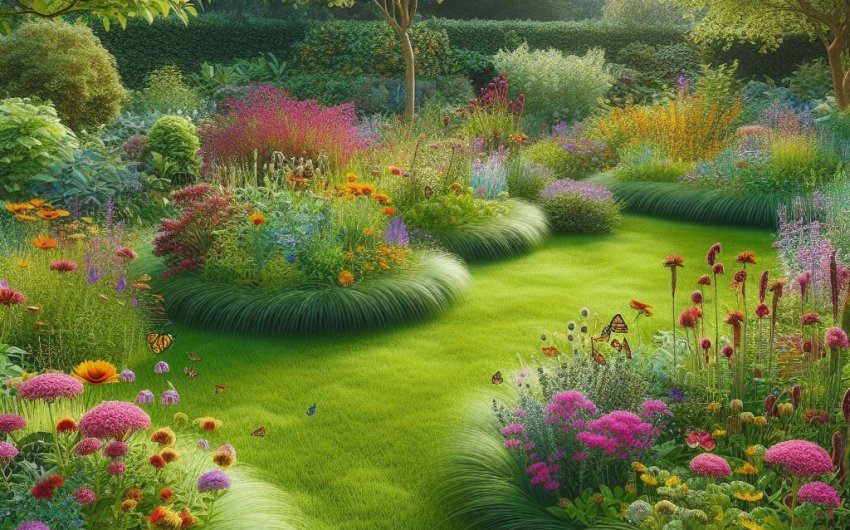
Creating a lawn ecosystem for nature transforms your yard into a wildlife wonderland, fostering biodiversity and supporting local wildlife. This approach goes beyond a manicured monoculture, embracing diverse plantings, sustainable practices, and intentional habitat creation. This guide shows you how to cultivate an inviting outdoor space that thrives in harmony with nature.
Why is a Lawn Ecosystem So Beneficial for Nature?
A lawn ecosystem is far more than just green grass; it's a vibrant, interconnected web of life that offers immense benefits to the natural world. Moving beyond the sterile monoculture of traditional lawns, this approach actively supports local biodiversity and ecological balance. Understanding why a lawn ecosystem is so beneficial for nature is the first step in creating a lawn ecosystem for nature that becomes a true wildlife wonderland.
What are the Environmental Advantages of a Biodiverse Lawn?
The environmental advantages of a biodiverse lawn are extensive, contributing significantly to local ecology and broader sustainability goals. By fostering a variety of plant and insect life, you create a robust ecosystem that performs vital environmental services. Understanding these positive impacts highlights why creating a lawn ecosystem for nature transforms your yard into a true wildlife wonderland.
Here are the environmental advantages of a biodiverse lawn:
- Enhanced Biodiversity (Micro to Macro):
- Mechanism: A diverse array of native plants, varied grass types, and reduced chemical use attracts and supports a wider range of insects (beneficials, pollinators), microorganisms (in the soil), birds, and small mammals.
- Impact: Counters habitat loss in urban and suburban areas, providing crucial stepping stones for wildlife movement and genetic diversity.
- Improved Soil Health:
- Mechanism: Diverse plant roots, increased organic matter from reduced bagging, and a thriving soil food web (earthworms, bacteria, fungi) create healthier soil.
- Impact: Enhances soil structure, aeration, and fertility, reducing the need for synthetic inputs. It also improves the soil's ability to retain water.
- Water Conservation:
- Mechanism: Native plants and drought-tolerant grasses require less supplemental irrigation once established. Healthy soil with rich organic matter retains moisture more effectively.
- Impact: Reduces demand on freshwater resources, leading to lower water bills and less strain on local ecosystems.
- Reduced Water Pollution:
- Mechanism: Minimizing synthetic fertilizers and chemical pesticides prevents harmful runoff into storm drains and waterways. Diverse plantings can also help filter pollutants.
- Impact: Protects aquatic life and prevents harmful algal blooms.
- Support for Pollinators:
- Mechanism: Incorporating native flowering plants, clover, or other pollen/nectar sources provides essential food for bees, butterflies, and other pollinators.
- Impact: Crucial for the survival of pollinator populations, which are vital for the reproduction of countless plants (including many food crops).
- Natural Pest Control:
- Mechanism: A biodiverse lawn attracts and supports a healthy population of beneficial insects (predators like ladybugs, lacewings, parasitic wasps) that naturally keep pest insect populations in check.
- Impact: Reduces or eliminates the need for chemical pesticides, further protecting the environment and promoting a balanced ecosystem.
- Carbon Sequestration:
- Mechanism: Healthy, actively growing plants (especially deep-rooted natives) absorb carbon dioxide from the atmosphere and store carbon in the soil.
- Impact: Contributes to mitigating climate change.
- Reduced Maintenance and Emissions:
- Mechanism: Often requires less frequent mowing and chemical application.
- Impact: Lowers fuel emissions from lawn equipment and reduces energy associated with chemical production.
What are the Benefits for Wildlife and Your Family's Enjoyment?
Creating a lawn ecosystem for nature offers a wealth of benefits for wildlife and your family's enjoyment, transforming your yard into a vibrant, interactive space. From attracting fascinating creatures to providing educational opportunities, this approach enriches your outdoor experience. These advantages highlight how your efforts can cultivate a true wildlife wonderland right at home.
Here are the benefits for wildlife and your family's enjoyment:
Benefits for Wildlife:
- Crucial Food Source:
- Mechanism: Diverse plantings (flowers, shrubs, trees) provide nectar, pollen, seeds, berries, and foliage that serve as food for a wide array of insects, birds, and small mammals.
- Impact: Supports a healthy food web, from insect larvae that feed birds to berries for migrating species.
- Essential Shelter and Nesting Sites:
- Mechanism: Varied plant heights, dense shrubs, unmowed patches, and even small brush piles offer protection from predators and weather, as well as places to build nests or raise young.
- Impact: Provides safe havens for birds, beneficial insects, small mammals (e.g., rabbits, chipmunks), and amphibians.
- Water Sources:
- Mechanism: Birdbaths, small ponds, or simply shallow dishes provide crucial drinking and bathing water.
- Impact: Attracts and sustains local wildlife, especially during dry periods.
- Breeding Grounds:
- Mechanism: Specific host plants support the life cycles of butterflies and moths (e.g., milkweed for monarch caterpillars). Ponds can serve as breeding grounds for frogs.
- Impact: Directly supports species reproduction and survival.
- Pesticide-Free Haven:
- Mechanism: Eliminating chemical pesticides ensures a safe environment where wildlife isn't harmed by toxins.
- Impact: Allows sensitive species to thrive and contributes to healthier populations.
Benefits for Your Family's Enjoyment:
- Daily Wildlife Encounters:
- Mechanism: Your yard becomes a living classroom and a source of constant fascination.
- Impact: Enjoy watching diverse birds, colorful butterflies, busy bees, and other small creatures right outside your window.
- Educational Opportunities for Children:
- Mechanism: Provides hands-on learning about nature, ecology, and the interconnectedness of life.
- Impact: Teaches children about insects, plants, and environmental stewardship in a direct, engaging way. A backyard bird feeder can offer hours of observation.
- Enhanced Aesthetic Beauty:
- Mechanism: A diverse landscape with native plants and varying textures is often visually more interesting and dynamic than a uniform lawn.
- Impact: Creates a beautiful, natural garden that changes with the seasons.
- Relaxation and Stress Reduction:
- Mechanism: Spending time in a natural, vibrant outdoor space, observing wildlife, can be incredibly calming and therapeutic.
- Impact: Reduces stress and improves mental well-being.
- Sense of Purpose and Contribution:
- Mechanism: Knowing your efforts are directly supporting nature and creating a valuable habitat.
- Impact: Provides a deep sense of satisfaction and environmental stewardship.
- Soundscape: The chirping of birds, buzzing of bees, and rustling of leaves create a natural, soothing soundscape.
How Do You Design a Wildlife-Friendly Lawn?
To effectively design a wildlife-friendly lawn that becomes a true wildlife wonderland, it requires a shift from traditional manicured aesthetics to one that embraces biodiversity and ecological function. Strategic plant selection, habitat creation, and thoughtful layout are key to creating a lawn ecosystem for nature that invites and sustains diverse species. This approach transforms your yard into a living sanctuary.
What are Key Strategies for Reducing Lawn Size and Increasing Plant Diversity?
Reducing lawn size and increasing plant diversity are fundamental key strategies for designing a wildlife-friendly lawn, immediately boosting its ecological value. Less monoculture and more varied plantings create a richer habitat, offering more food and shelter for wildlife. These shifts are crucial for creating a lawn ecosystem for nature and building a true wildlife wonderland.
Reducing Lawn Size:
- Why it helps:
- Monoculture vs. Diversity: Large, uniform lawns (especially those treated with chemicals) are ecological deserts. Reducing their size opens up space for biodiverse plantings.
- Less Maintenance: Automatically reduces mowing, watering, fertilizing, and chemical use, which benefits wildlife by minimizing disturbance and toxin exposure.
- How to Reduce Lawn Size:
- Expand Existing Beds: Widen current flower or shrub beds. Push the edges of your garden beds further into the lawn.
- Create New Island Beds: Establish new, irregularly shaped planting islands in the middle of your lawn.
- Plant Trees and Shrubs: Use these to break up large expanses of grass and create new habitat zones.
- Incorporate Hardscaping: Build patios, decks, or gravel paths to reduce grassy areas in functional spaces.
- Convert Areas to Wildflower Meadows: For unused sections, consider planting a native wildflower mix that requires minimal mowing.
- Edge Clearly: Use a shovel or edger to create clean, permanent edges for your new beds.
Increasing Plant Diversity:
- Why it helps:
- Varied Food Sources: Different plants offer different types of nectar, pollen, seeds, berries, and leaves, catering to a wider array of insects, birds, and small mammals throughout the seasons.
- Diverse Habitats: Different plant structures (tall grasses, dense shrubs, groundcovers) provide varied shelter, nesting sites, and protection.
- Ecosystem Resilience: A diverse plant community is generally more resistant to pests and diseases, reducing the need for chemical intervention.
- How to Increase Plant Diversity:
- Focus on Native Plants:
- Why: Native plants are specifically adapted to your local climate and soil, making them easier to care for (less water/fertilizer). Crucially, local wildlife has co-evolved with native plants, meaning they are the best food and host plants.
- Action: Research native plants for your specific region and incorporate them into your new beds.
- Choose a Variety of Bloom Times:
- Why: Ensures that nectar and pollen sources are available for pollinators from early spring through late fall.
- Action: Select plants that flower sequentially.
- Layer Plant Heights:
- Why: Create different layers of vegetation (groundcovers, low-growing perennials, medium shrubs, tall shrubs/small trees).
- Action: This offers varied shelter and foraging opportunities.
- Include Host Plants for Butterflies:
- Why: Some butterflies have specific host plants their caterpillars need to eat (e.g., milkweed for Monarchs).
- Action: Plant these specific host plants if you want to attract certain butterfly species.
- Incorporate Berry/Seed-Producing Plants:
- Why: Provides crucial food sources for birds and small mammals, especially in fall and winter.
- Action: Plant native shrubs with berries.
- Consider "Messy" Corners: Designate small, out-of-the-way areas for a more wild, unmowed look or leave some leaf litter, which provides habitat.
- Focus on Native Plants:
How Can You Integrate Water Features and Shelter Elements?
To truly cultivate a wildlife wonderland in your yard, integrating water features and shelter elements is paramount, providing essential resources that draw and sustain diverse species. Beyond just food, these components fulfill fundamental needs for survival and reproduction. Thoughtful placement of these elements is crucial for designing a wildlife-friendly lawn and creating a lawn ecosystem for nature.
Integrating Water Features:
- Why Water is Essential: All wildlife needs water for drinking, bathing, and sometimes breeding. Even small, shallow water sources can make a significant difference.
- Types of Water Features to Integrate:
- Birdbaths:
- Design: Choose shallow baths with gently sloping sides, as birds prefer shallow water for bathing. Place them on a pedestal or hang them.
- Placement: Locate in a safe spot, visible from a window, but near shrubs or trees for quick escape from predators.
- Maintenance: Keep clean and filled with fresh water daily to prevent mosquito breeding and disease spread. A bird bath with a shallow basin is ideal.
- Small Ponds or Water Gardens:
- Design: Even a small, pre-formed pond can attract a variety of wildlife. Include shallow edges for easy access for small creatures.
- Wildlife Attracted: Frogs, toads, dragonflies, birds, and sometimes small mammals.
- Maintenance: Consider a pump for aeration and to prevent mosquito larvae. Add aquatic plants for habitat and filtration. A preformed pond liner simplifies installation.
- Butterfly Puddling Stations:
- Design: A shallow dish filled with sand or dirt, kept consistently moist, and perhaps with a few rocks for landing.
- Wildlife Attracted: Butterflies.
- Maintenance: Keep damp.
- Birdbaths:
- Location Considerations: Place water features where they are safe from predators (e.g., away from dense shrubs where cats might hide) but still easily accessible.
Integrating Shelter Elements:
- Why Shelter is Essential: Wildlife needs safe places to hide from predators, rest, nest, raise young, and protect themselves from harsh weather conditions.
- Types of Shelter Elements to Integrate:
- Dense Shrubs and Trees (Native is Best):
- Design: Plant evergreens and dense deciduous shrubs to provide year-round cover.
- Wildlife Attracted: Birds for nesting and roosting, small mammals for hiding.
- Action: Create layered plantings (tall trees, medium shrubs, low groundcovers) to offer varied levels of protection.
- Brush Piles and Log Piles:
- Design: In an inconspicuous corner of your yard, create a small pile of fallen branches, twigs, and logs.
- Wildlife Attracted: Provides shelter for small mammals (chipmunks, shrews), reptiles (lizards, snakes), amphibians (frogs, toads), and many beneficial insects.
- Maintenance: Let them decompose naturally.
- Rock Piles:
- Design: Similar to brush piles, but with stacked rocks.
- Wildlife Attracted: Provides cool, damp hiding places for snakes, lizards, and amphibians.
- Undisturbed Leaf Litter:
- Design: Instead of raking every leaf, leave some leaf litter under shrubs or in dedicated areas.
- Wildlife Attracted: Provides overwintering sites for beneficial insects (e.g., ladybugs) and butterflies, as well as foraging ground for birds.
- Bird Houses and Nesting Boxes:
- Design: Choose bird houses appropriate for specific bird species you wish to attract (e.g., wrens, bluebirds).
- Placement: Follow recommendations for height and direction.
- Maintenance: Clean annually.
- Insect Hotels / Bee Houses:
- Design: Structures with hollow tubes, drilled wood blocks, or straw to provide nesting sites for solitary bees and other beneficial insects.
- Wildlife Attracted: Solitary bees (non-stinging, excellent pollinators), lacewings. A solitary bee house is a great addition.
- Dense Shrubs and Trees (Native is Best):
How Can Sustainable Lawn Practices Support Wildlife?
Sustainable lawn practices are absolutely foundational for creating a lawn ecosystem for nature, transforming ordinary maintenance into an act of conservation. By minimizing chemical use and optimizing natural processes, you foster a healthy environment where wildlife can thrive. Understanding these approaches highlights how a truly wildlife wonderland is built on responsible and eco-friendly care.
What Role Do Chemical-Free Maintenance and Reduced Mowing Play?
Chemical-free maintenance and reduced mowing play a paramount role in sustainable lawn practices, fundamentally transforming a conventional lawn into a vibrant ecosystem. These shifts minimize harm to wildlife and promote a more natural environment. Understanding their impact is key to creating a lawn ecosystem for nature and fostering a thriving wildlife wonderland.
Chemical-Free Maintenance:
- Why it's crucial for wildlife:
- Eliminates Toxins: Chemical fertilizers, herbicides, and pesticides can be directly toxic to insects, birds, and small mammals. Herbicides remove food sources (weeds for foraging). Pesticides kill insects, which are a primary food source for many birds.
- Prevents Bioaccumulation: Toxins can accumulate in the food chain, harming predators that eat affected prey.
- Safe Environment: Creates a safe space for wildlife to forage, drink, and raise young without the risk of poisoning.
- How to achieve it:
- Organic Fertilizers: Use organic lawn fertilizers like compost, compost tea, or corn gluten meal. These feed the soil and promote healthy grass without synthetic chemicals.
- Non-Toxic Pest Control: Rely on beneficial insects, beneficial nematodes, insecticidal soap, neem oil, or manual removal for pest management. A natural insect repellent for plants can deter some pests.
- Natural Weed Control: Focus on a dense, healthy lawn, hand-pulling, or spot treatment with horticultural vinegar (carefully).
- Soil Health: Improve soil health with aeration and organic matter, as healthy soil supports a resilient lawn less prone to problems.
Reduced Mowing:
- Why it's crucial for wildlife:
- Provides Shelter: Taller grass offers cover for small mammals and birds, protecting them from predators and providing nesting sites.
- Increases Food Sources: Allows some wildflowers (like clover, dandelions) to bloom, providing nectar and pollen for pollinators and seeds for birds.
- Less Disturbance: Frequent mowing disrupts insect life cycles, can destroy nests, and displaces wildlife. Less mowing means less disturbance.
- Benefits Soil: Taller grass promotes deeper root growth and shades the soil, keeping it cooler and conserving moisture.
- How to achieve it:
- Raise Mower Height: Set your mower blade to the highest recommended setting (3-4+ inches). This immediately creates more shelter and allows some low-growing flowers to bloom.
- Mow Less Frequently: Extend the time between mowings. Instead of weekly, consider every 10-14 days, or even less frequently in designated "no-mow" zones.
- Create "No-Mow" Zones: Designate specific areas of your lawn to be left unmowed, especially along property edges, under trees, or on slopes. These areas can transition into mini-meadows.
- Embrace Lawn Alternatives: Consider replacing portions of your lawn with groundcovers, native plant beds, or wildflower meadows that require no mowing.
How Do Water Conservation and Soil Health Support Wildlife?
Water conservation and robust soil health are intertwined sustainable lawn practices that are absolutely vital for creating a lawn ecosystem for nature. By carefully managing water and nurturing the underground environment, you provide essential resources and a stable foundation for a diverse range of wildlife. These factors are critical for a thriving wildlife wonderland.
Water Conservation for Wildlife:
- Why it's crucial for wildlife:
- Direct Water Source: Efficient watering of your landscape ensures plants thrive, which in turn means more vibrant flowers for nectar, lusher foliage for insects, and more seeds/berries for birds. It also ensures any water features you have remain functional.
- Healthy Habitat: A drought-stressed garden with dying plants cannot support wildlife. Conserving water ensures your garden remains a viable habitat.
- Regional Impact: Responsible water use reduces strain on broader freshwater resources, which benefits all local ecosystems and wildlife habitats (rivers, lakes, wetlands).
- How to achieve it:
- Water Deeply and Infrequently: Encourages deep roots in plants, making them more drought-tolerant.
- Water in Early Morning: Reduces evaporation and ensures water reaches roots.
- Use Smart Irrigation: Install smart sprinkler controllers or drip irrigation systems.
- Choose Drought-Tolerant Plants: Select native or regionally adapted plants that require less supplemental water once established.
- Rainwater Harvesting: Collect rainwater in rain barrels for irrigation.
Soil Health for Wildlife:
- Why it's crucial for wildlife:
- Foundation of the Food Web: Healthy soil is the base of nearly every terrestrial food web. It's teeming with microorganisms (bacteria, fungi), earthworms, and insects that decompose organic matter. These organisms are food for larger insects, which are food for birds and small mammals.
- Healthy Plants: Rich, well-structured soil supports vigorous, disease-resistant plants that are better able to provide food and shelter for wildlife.
- Water Retention and Nutrient Cycling: Healthy soil retains water and nutrients efficiently, directly benefiting plant health and reducing the need for chemical inputs.
- Habitat: Soil itself is a habitat for many insects and invertebrates.
- How to achieve it:
- Increase Organic Matter: Regularly add organic compost for lawns through topdressing, leave grass clippings, and integrate shredded leaves. This is the single most important factor for soil health.
- Core Aeration: Reduces soil compaction, allowing air, water, and organic matter to penetrate, supporting root growth and microbial activity.
- Maintain Optimal Soil pH: A balanced pH ensures nutrients are available to plants and supports beneficial soil microorganisms. Conduct a soil test kit every few years.
- Avoid Destructive Practices: Minimize tilling, avoid walking on wet soil (which causes compaction), and eliminate chemical pesticides that harm soil life.
By actively creating a lawn ecosystem for nature, you embark on a rewarding journey that transforms your ordinary yard into a thriving wildlife wonderland. Through thoughtful design choices, integration of essential water and shelter elements, and the adoption of sustainable lawn practices, you cultivate a dynamic and beautiful outdoor space. This holistic approach not only supports local biodiversity but also enriches your family's connection to nature, making your garden a vibrant sanctuary for all.