
Fungal Foes: Managing Plant Fungal Infections
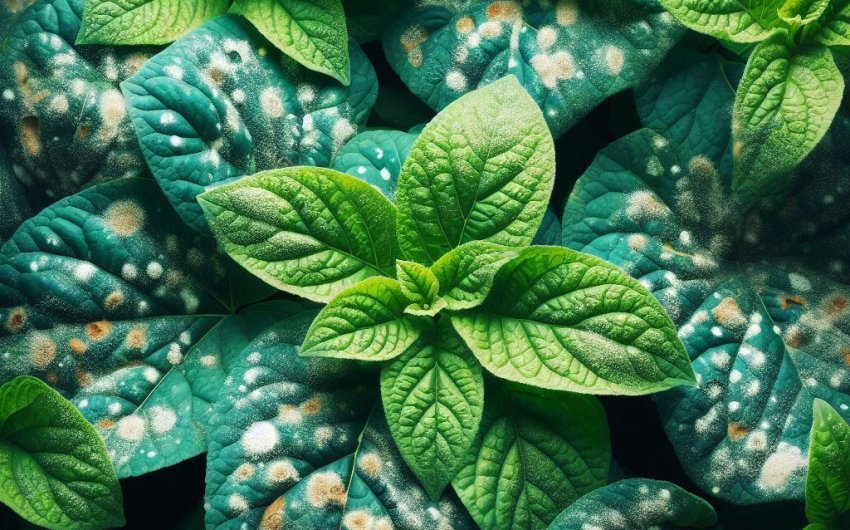
Managing plant fungal infections effectively requires accurate identification of the specific disease and understanding its environmental triggers. These fungal foes can quickly devastate a garden if left unchecked, so implementing proactive cultural practices and targeted treatments is crucial. This guide provides actionable strategies to protect your plants and restore their health.
Why are Fungal Infections So Common in Gardens?
Fungal infections are incredibly common in gardens because fungi are ubiquitous in nature, with countless species waiting for the right conditions to strike. Unlike pests that can be physically removed, fungal pathogens are microscopic and spread easily through spores. Understanding why fungal infections are so common in gardens is the first step in managing plant fungal infections and combating these persistent fungal foes.
What Environmental Conditions Do Fungal Foes Thrive In?
Fungal foes are opportunistic, and they thrive in very specific environmental conditions that provide the moisture, temperature, and host vulnerability they need to establish and spread. Understanding these triggers is paramount for managing plant fungal infections and preventing outbreaks. By controlling these factors, gardeners can actively disrupt the life cycle of these common plant diseases.
Here are the environmental conditions fungal foes thrive in:
- Prolonged Leaf Wetness (Most Critical Factor):
- Why: Fungal spores need a film of water on plant surfaces to germinate and infect. Many diseases (e.g., powdery mildew, black spot, rust, downy mildew) require 6-12 hours of continuous leaf wetness.
- Sources: Rain, heavy dew, fog, or overhead irrigation (especially in the evening).
- Impact: Promotes spore germination and infection, leading to rapid disease spread.
- High Humidity:
- Why: High ambient humidity reduces the rate at which plant surfaces dry, extending periods of leaf wetness and creating an ideal environment for fungal growth.
- Sources: Humid climates, dense plant groupings, lack of air circulation, enclosed spaces (greenhouses).
- Impact: Exacerbates existing infections and encourages new ones.
- Specific Temperature Ranges:
- Why: Each fungal pathogen has an optimal temperature range for growth and reproduction.
- Examples:
- Cooler, Moist Conditions (50-70°F / 10-21°C): Favor diseases like powdery mildew, downy mildew, botrytis, and some rusts.
- Warm, Humid Conditions (70-90°F / 21-32°C): Favor diseases like brown patch (on lawns), early blight (on tomatoes), and some other rusts.
- Cold, Wet Conditions (near freezing): Can favor snow mold on lawns.
- Impact: When temperatures align with high moisture, disease outbreaks are most likely.
- Poor Air Circulation:
- Why: Dense plantings, overgrown foliage, and lack of wind create stagnant pockets of air that trap moisture around plants, preventing leaves from drying quickly.
- Sources: Overcrowded beds, unpruned shrubs/trees, walls or fences blocking air flow.
- Impact: Extends leaf wetness periods, exacerbates high humidity, and creates a microclimate perfect for fungal development.
- Compacted or Poorly Draining Soil:
- Why: Roots need oxygen. Waterlogged soil, caused by compaction or poor drainage, starves roots of oxygen, making plants susceptible to root rot fungi.
- Sources: Heavy clay soil, compacted garden beds, overwatering.
- Impact: Leads to root death, wilting, yellowing, and eventual plant collapse.
- Plant Stress and Vulnerability:
- Why: Weakened or stressed plants are more susceptible to infection.
- Sources: Nutrient deficiencies or excesses, improper pH, drought stress, physical damage, over-fertilization (can create lush, tender growth that's more vulnerable).
- Impact: Opportunistic fungi can more easily overcome the plant's natural defenses.
- Contaminated Tools or Soil:
- Why: Fungal spores can persist on garden tools, infected plant debris, or in the soil.
- Sources: Reusing contaminated soil, uncleaned pots, pruning shears used on diseased plants.
- Impact: Direct introduction and spread of pathogens.
How Do Fungi Spread in a Garden?
Understanding how fungi spread in a garden is crucial for implementing effective managing plant fungal infections and containing outbreaks before they devastate your plants. These persistent fungal foes utilize several ingenious methods to disseminate their spores, making preventative measures and good sanitation essential. Knowing their dispersal tactics empowers you to disrupt their life cycle.
Here's how fungi spread in a garden:
- Wind Dispersal (Most Common and Widespread):
- Mechanism: Tiny, lightweight fungal spores are easily carried by air currents, often over long distances.
- Examples: Powdery mildew, rust, and many leaf spot fungi primarily spread this way.
- Impact: Explains how new infections can appear on seemingly isolated plants.
- Prevention: Good air circulation makes it harder for spores to land and germinate.
- Water Splash and Runoff:
- Mechanism: Rain or overhead irrigation can cause fungal spores on leaves or soil to splash onto healthy plant parts. Water running over contaminated soil can carry spores to new areas.
- Examples: Black spot on roses, early blight on tomatoes, many root rots.
- Impact: Rapid local spread, especially within a single plant or bed.
- Prevention: Water at the base of plants, use drip irrigation, avoid overhead watering, ensure good drainage.
- Contaminated Tools and Equipment:
- Mechanism: Fungal spores can cling to pruning shears, trowels, shovels, stakes, and even gloves or clothing.
- Examples: Can spread diseases like botrytis, various blights, and viruses (which can be facilitated by fungi).
- Impact: Gardener inadvertently moves the infection from one plant to another or from a diseased area to a healthy one.
- Prevention: Sanitize tools with rubbing alcohol or a bleach solution between plants, especially after pruning diseased material.
- Infected Plant Debris:
- Mechanism: Fungi can overwinter or survive on dead leaves, stems, and other plant parts left in the garden or in poorly maintained compost piles.
- Examples: Many leaf spot fungi, blights, and powdery mildew can survive in plant debris.
- Impact: Provides a source of inoculum for new infections in subsequent growing seasons.
- Prevention: Remove and destroy (don't compost) diseased plant material at the end of the season.
- Infected Seeds, Bulbs, or Transplants:
- Mechanism: Some fungal pathogens can be carried within or on seeds, bulbs, or on infected nursery stock.
- Examples: Damping-off, blights.
- Impact: Introduces the disease directly into your garden.
- Prevention: Purchase disease-free seeds and plants from reputable sources. Inspect new plants carefully before introducing them to your garden.
- Insects and Pests:
- Mechanism: Insects can sometimes act as vectors, carrying fungal spores from infected plants to healthy ones.
- Examples: Certain beetles can spread fungal spores.
- Impact: Indirect spread.
- Prevention: Integrated pest management helps control insect vectors.
What Are the Most Common Fungal Infections in Gardens?
Recognizing the most common fungal infections in gardens is paramount for effective managing plant fungal infections, allowing you to identify problems early and apply targeted treatment strategies. Each of these fungal foes presents distinct symptoms and thrives under specific conditions. Knowing these prevalent diseases is the first step in protecting your precious plants.
How Do You Identify Powdery Mildew and Downy Mildew?
Powdery mildew and downy mildew are two of the most prevalent fungal infections in gardens, often confused but with distinct visual cues and management needs. Both appear as white or grayish growth on foliage, but their specific characteristics differentiate them. Learning how to identify powdery mildew and downy mildew is crucial for managing plant fungal infections effectively.
1. Powdery Mildew:
- Appearance:
- White, Powdery Coating: The most distinctive sign is a white or grayish, powdery substance that appears on the surface of leaves, stems, flowers, and sometimes fruit. It looks like a dusting of flour.
- Spreads: Starts as small spots and can quickly spread to cover entire leaves.
- Location: Usually appears on the upper side of leaves first, but can be found on both sides.
- Symptoms on Plant:
- Leaves may turn yellow, then brown, become distorted, or drop prematurely.
- Reduced flowering and fruiting.
- Stunted growth.
- Plants Commonly Affected: Very wide range, including squash, cucumbers, pumpkins, zucchini, roses, phlox, zinnias, lilacs, grapes, apples, bee balm, and many other ornamentals and vegetables.
- Environmental Triggers:
- High Humidity & Moderate Temperatures: Thrives in temperatures between 60-80°F (15-27°C) with high humidity, especially in shady, stagnant areas with poor air circulation.
- Doesn't Need Leaf Wetness: Unlike many other fungi, powdery mildew does not need free water on the leaf surface to germinate, only high humidity in the air.
- Stress: Can be exacerbated by drought stress or overcrowding.
2. Downy Mildew:
- Appearance:
- Upper Leaf Symptoms: On the upper side of leaves, it often causes angular, yellow spots (confined by leaf veins) that may eventually turn brown or purplish.
- Lower Leaf Symptoms: The key diagnostic feature: on the underside of the leaves, especially in the morning or humid conditions, you'll see a fuzzy, grayish-white to purplish-brown, downy (or "felt-like") growth.
- Symptoms on Plant:
- Leaves may yellow, shrivel, and drop prematurely.
- Stunted growth, distorted foliage.
- Can affect stems and sometimes fruit.
- Plants Commonly Affected: Also a wide range, but particularly common on grapes, basil, impatiens, roses, spinach, lettuce, onions, cucumbers, and brassicas (cabbage family).
- Environmental Triggers:
- Cool, Wet Conditions: Thrives in cool temperatures (typically 50-70°F / 10-21°C), coupled with prolonged periods of leaf wetness (from rain, dew, or overhead irrigation).
- High Humidity: Contributes to extended leaf wetness.
- Poor Air Circulation: Exacerbates damp conditions.
Key Differences for Identification:
| Feature | Powdery Mildew | Downy Mildew |
|---|---|---|
| Growth Location | Mostly upper leaf surface | Mostly underside of leaves |
| Appearance | White, powdery, flour-like | Fuzzy, downy, grayish-purple |
| Leaf Spots | Irregular yellowing | Angular yellow spots (vein-limited) |
| Water Needed | High humidity, no free water needed | Cool temps, prolonged leaf wetness |
What are the Signs of Black Spot, Rust, and Anthracnose?
Black spot, rust, and anthracnose are three other prevalent fungal infections in gardens, each leaving distinct and often unsightly marks on plant foliage. Accurate diagnosis of these fungal foes is crucial for implementing effective managing plant fungal infections and preventing their spread. Learning their unique symptoms will help you protect your plants.
1. Black Spot (Diplocarpon rosae):
- Appearance:
- Black Spots on Leaves: Distinctive circular black spots with fringed or feathery margins appear on the upper surface of leaves. These spots can grow and merge.
- Yellow Halo: Often surrounded by a yellow halo, which then spreads to the entire leaf.
- Symptoms on Plant:
- Severely infected leaves turn yellow and drop prematurely, starting from the bottom of the plant and moving upwards.
- Weakened plants, reduced vigor, defoliation.
- Can spread to stems, causing purplish-red blotches.
- Plants Commonly Affected: Most notoriously affects roses, but similar black spot diseases can occur on other ornamentals.
- Environmental Triggers:
- Prolonged Leaf Wetness: Requires 7 hours or more of continuous leaf wetness (from rain, dew, or overhead irrigation) for spores to germinate.
- Mild to Warm Temperatures: Thrives in temperatures between 65-75°F (18-24°C).
- Humidity: High humidity in dense foliage.
2. Rust (Puccinia species):
- Appearance:
- Powdery Pustules: Small, powdery, orange-yellow to reddish-brown (like iron rust) spots (pustules) appear on the undersides of leaves.
- Discoloration: The upper surface of the leaf above the pustules may have yellowish or whitish spots.
- Rub Off: The spores can easily rub off onto your fingers, clothes, or adjacent plants.
- Symptoms on Plant:
- Severely infected leaves may turn yellow, brown, shrivel, and die prematurely.
- Stunted growth, reduced vigor, distorted plant parts.
- Overall dull or rusty hue to the plant.
- Plants Commonly Affected: Wide range including daylilies, hollyhocks, snapdragons, beans, corn, mint, junipers, roses, and certain turfgrasses.
- Environmental Triggers:
- Cool to Moderate Temperatures & High Humidity: Thrives in mild to cool temperatures (typically 68-78°F / 20-25°C), combined with high humidity and prolonged periods of leaf wetness.
- Poor Air Circulation: Exacerbates dampness.
- Stress: Nutrient-deficient or drought-stressed plants are more susceptible.
3. Anthracnose (Colletotrichum species):
- Appearance:
- Irregular Spots/Blotches: Starts as small, dark, sunken spots or irregular blotches on leaves, stems, flowers, and fruit. These spots often have a darker border.
- Lesions: Lesions can expand, merge, and cause a "blighting" or dieback of affected plant parts.
- Pinkish/Orange Spore Masses: In humid conditions, tiny pinkish or orange slimy spore masses may be visible within the lesions.
- Symptoms on Plant:
- Leaf spots that turn brown or black, leading to leaf drop.
- Stem cankers or sunken lesions on stems, causing dieback.
- Blighted flowers or fruit.
- On lawns, it appears as irregular patches of straw-colored or reddish-brown grass that can thin out the turf.
- Plants Commonly Affected: Affects a very wide range including sycamore, dogwood, oak, maple trees, tomatoes, peppers, beans, cucumbers, melons, strawberries, ivy, and turfgrasses.
- Environmental Triggers:
- Cool, Wet Conditions: Thrives in cool, rainy, or highly humid weather, especially after extended periods of leaf wetness.
- Overwintering: Fungi often overwinter in fallen leaves and infected debris.
What are the Differentiating Factors for Root Rot and Damping-Off?
Root rot and damping-off are two distinct but related fungal infections in gardens that attack plants at their most vulnerable points: the roots and young seedlings. Both are often fatal and stem from overly wet soil conditions. Understanding their differentiating factors is crucial for effective managing plant fungal infections and implementing preventative treatment strategies.
1. Root Rot:
- What it is: A group of fungal or oomycete (water mold) diseases that attack the roots and crown (base of the stem) of mature plants.
- Appearance:
- Underground Damage: The primary damage is below ground. Affected roots turn soft, mushy, black, or brown, sometimes emitting a foul odor.
- External Symptoms: Mimics severe drought stress.
- Leaves turn yellow (chlorosis), often starting from the bottom of the plant.
- Wilting, drooping foliage that doesn't recover with watering.
- Stunted growth.
- The entire plant may collapse and die.
- Plants Commonly Affected: Wide range, including houseplants, shrubs, trees, vegetables (e.g., tomatoes, peppers), and ornamentals. Common in container plants.
- Environmental Triggers:
- Consistently Waterlogged Soil (Crucial!): The number one cause. Soil that stays saturated for too long starves roots of oxygen. This weakens roots and creates an anaerobic environment where root rot fungi thrive.
- Poor Drainage: Heavy clay soils, compacted soil, or pots without drainage holes.
- Overwatering: Applying too much water, too frequently.
- Heavy Fertilization: Can burn roots and make them more susceptible.
2. Damping-Off:
- What it is: A fungal disease complex (caused by several fungi like Pythium, Phytophthora, Rhizoctonia, Fusarium) that attacks young seedlings just before or just after they emerge from the soil.
- Appearance:
- Pre-Emergence: Seeds fail to germinate or seedlings rot before they break through the soil surface.
- Post-Emergence: The most recognizable sign: Young, healthy seedlings suddenly wilt, collapse, and die, often appearing "pinched" or water-soaked at the soil line. They simply topple over.
- Plants Commonly Affected: Any plant grown from seed, especially susceptible are tender vegetable and flower seedlings.
- Environmental Triggers:
- Cool, Wet Conditions: Favored by consistently cool, wet, and humid conditions.
- Overwatering: Keeps soil excessively moist.
- Overcrowding: Dense seeding leads to poor air circulation around young plants.
- Poor Air Circulation: Stagnant air in seed-starting setups.
- Contaminated Soil/Tools: Using non-sterilized potting mix or dirty equipment.
- Heavy Soil: Slow-draining seed-starting mixes.
Differentiating Root Rot vs. Damping-Off:
- Age of Plant: Damping-off affects only young seedlings; root rot affects established, mature plants.
- Symptoms: Damping-off causes seedlings to collapse at the soil line. Root rot causes general wilting and yellowing in mature plants, with primary damage on the roots.
What are the Best Cultural Practices for Preventing Fungal Infections?
The best cultural practices for preventing fungal infections are your first and most effective line of defense, creating an environment where these fungal foes struggle to establish. By optimizing plant health and modifying environmental conditions, you significantly reduce susceptibility without resorting to chemicals. These proactive strategies are paramount for managing plant fungal infections sustainably.
How Do Proper Watering and Air Circulation Control Fungi?
Proper watering and optimal air circulation are two fundamental cultural practices that are absolutely critical for controlling fungal infections in any garden. Many fungal foes depend on specific moisture and humidity conditions to thrive, so by managing these factors, you effectively cut off their ability to germinate and spread. These methods are essential for managing plant fungal infections proactively.
Proper Watering Practices:
- Water at the Base of Plants (Not Overhead):
- How it helps: Delivering water directly to the soil (using a soaker hose, drip irrigation, or a watering can) keeps plant foliage dry.
- Benefit: Dramatically reduces the duration of leaf wetness, which is crucial for preventing spore germination and infection for diseases like black spot, powdery mildew, downy mildew, and rust.
- Water in the Early Morning:
- How it helps: Watering between 4 AM and 10 AM allows the sun and wind to quickly dry any moisture on plant leaves before evening.
- Benefit: Prevents prolonged leaf wetness, which is a primary trigger for many fungal diseases.
- Water Deeply and Infrequently:
- How it helps: Encourages deep root growth, making plants more resilient to stress. It also allows the topsoil and plant surfaces to dry out between waterings.
- Benefit: Avoids constantly wet conditions at the soil surface, which can promote root rot in susceptible plants and reduce superficial fungal growth. Use a soil moisture meter to check soil.
- Avoid Overwatering:
- How it helps: Prevents waterlogged soil conditions.
- Benefit: Crucial for preventing root rot, as roots need oxygen.
Optimal Air Circulation:
- Why it helps: Fungi thrive in humid, stagnant air. Good air movement helps dry plant foliage quickly after rain or dew, reduces overall humidity around plants, and makes it harder for spores to settle and germinate.
- How to Achieve Optimal Air Circulation:
- Proper Plant Spacing:
- Action: When planting, ensure adequate space between plants to allow for air movement, based on their mature size. Avoid overcrowding.
- Benefit: Reduces humidity within the plant canopy and helps leaves dry faster.
- Pruning and Thinning:
- Action: Regularly prune out dense, interior foliage from shrubs, trees, and even herbaceous plants to improve airflow. Remove lower leaves that touch the soil.
- Benefit: Directly increases air circulation around susceptible plants.
- Weed Control:
- Action: Keep garden beds free of weeds.
- Benefit: Weeds can create dense, humid pockets around desirable plants.
- Strategic Placement:
- Action: Avoid planting susceptible plants too close to walls, fences, or other structures that can block airflow and create shade.
- Benefit: Maximizes natural air movement.
- Proper Plant Spacing:
How Do Soil Health, Sanitation, and Resistant Varieties Aid Prevention?
Soil health, sanitation, and choosing resistant varieties are three interconnected cultural practices that form a powerful defensive shield against plant fungal infections. By nurturing the environment, removing pathogen sources, and selecting inherently strong plants, you significantly reduce vulnerability to these fungal foes. These proactive steps are indispensable for managing plant fungal infections sustainably.
Soil Health:
- Why it helps: Healthy soil is the foundation of healthy plants. Well-structured, fertile soil with good drainage and robust microbial activity supports strong root systems and resilient plants that are better able to resist disease.
- Key Practices:
- Improve Drainage:
- Action: Amend heavy clay soils with plenty of organic compost or coarse sand to improve water percolation. For potted plants, use a high-quality, well-draining potting mix and ensure pots have drainage holes.
- Benefit: Prevents waterlogging, which is the primary cause of root rot.
- Increase Organic Matter:
- Action: Regularly incorporate compost, aged manure, or other organic materials into garden beds. Use mulch.
- Benefit: Improves soil structure, water retention (in sandy soils), drainage (in clay soils), and feeds beneficial soil microorganisms that can suppress disease pathogens.
- Maintain Optimal Soil pH:
- Action: Conduct a soil test kit and adjust pH as needed (lime to raise, sulfur to lower) to ensure optimal nutrient availability.
- Benefit: Healthy, well-nourished plants are more disease resistant. Optimal pH also supports beneficial soil microbes.
- Avoid Compaction:
- Action: Avoid walking on wet soil. Aerate lawns.
- Benefit: Prevents compacted soil that leads to poor drainage and oxygen deprivation for roots.
- Improve Drainage:
Sanitation:
- Why it helps: Many fungal spores can survive on plant debris, in the soil, or on tools, acting as a source of infection for new plants or the next season. Good sanitation removes these pathogen reservoirs.
- Key Practices:
- Remove Infected Plant Material:
- Action: Promptly prune off and dispose of (in the trash, not compost if it's a hot compost pile that won't reach pathogen-killing temperatures) any diseased leaves, stems, or fruits.
- Benefit: Reduces the amount of fungal spores in the garden, preventing further spread.
- Clean Up End-of-Season Debris:
- Action: At the end of the growing season, remove all fallen leaves, spent annuals, and diseased perennial foliage.
- Benefit: Prevents fungi from overwintering and re-infecting plants in spring.
- Sterilize Tools:
- Action: Disinfect pruning shears, loppers, saws, and other gardening tools with rubbing alcohol or a 10% bleach solution (1 part bleach to 9 parts water) between pruning different plants, and especially after cutting diseased material. A tool sanitizing spray is convenient.
- Benefit: Prevents the accidental transfer of fungal spores.
- Use Clean Pots and Sterilized Potting Mix:
- Action: When starting seeds or potting plants, use clean, disinfected pots and fresh, sterile potting mix.
- Benefit: Prevents damping-off in seedlings and root rot in container plants.
- Remove Infected Plant Material:
Resistant Varieties:
- Why it helps: One of the easiest and most effective preventative measures. Plants bred for resistance have natural genetic defenses against specific diseases.
- Key Practices:
- Research Before You Buy:
- Action: When purchasing seeds or plants, look for varieties explicitly labeled as "disease resistant" or specifically resistant to common diseases in your area (e.g., "powdery mildew resistant zinnia").
- Benefit: Greatly reduces the likelihood and severity of outbreaks.
- Choose Local: Native plants are often inherently more resistant to local diseases than exotic species.
- Research Before You Buy:
What Are the Best Treatment Strategies for Active Fungal Infections?
When prevention efforts aren't enough, active fungal infections demand specific treatment strategies to halt their progression and save your plants. While cultural adjustments are always ongoing, sometimes targeted interventions, including organic and chemical options, are necessary. Understanding these methods is crucial for effectively managing plant fungal infections and combating these persistent fungal foes.
What are Effective Organic and Natural Fungicides?
For those prioritizing environmental safety, effective organic and natural fungicides offer powerful solutions for managing plant fungal infections without resorting to harsh synthetic chemicals. These solutions leverage naturally derived substances to combat fungal foes, providing viable treatment strategies that protect your plants while maintaining a healthy ecosystem. Understanding these alternatives empowers a greener approach.
Here are effective organic and natural fungicides:
- Neem Oil:
- What it is: A natural oil extracted from the neem tree.
- How it works: Contains azadirachtin, which acts as a fungicide (disrupts fungal spore germination and growth) and also an insecticide.
- Targets: Effective against powdery mildew, rust, black spot, and many other foliar diseases.
- Benefits: Multi-purpose (insecticide + fungicide), generally safe for beneficials, biodegradable.
- Application: Dilute cold-pressed neem oil concentrate with water according to label directions. Spray thoroughly on all plant surfaces (especially undersides of leaves) until dripping. Apply every 7-14 days. Avoid applying in direct hot sun.
- Baking Soda Solution (Potassium Bicarbonate):
- What it is: Sodium bicarbonate (baking soda) or, preferably, potassium bicarbonate (often found in commercial organic fungicides).
- How it works: Raises the pH on the leaf surface, creating an alkaline environment that is inhospitable to many fungal spores. It can also dry out fungal cells.
- Targets: Primarily effective against powdery mildew, black spot, and some rusts. More effective as a preventative or early curative.
- Benefits: Inexpensive, easily accessible.
- Application (DIY): Mix 1 tablespoon baking soda with 1 teaspoon horticultural oil (or mild liquid soap) per gallon of water. Spray thoroughly. Test on a small area first to check for leaf burn, especially in hot sun. Commercial potassium bicarbonate fungicides are also available.
- Copper-Based Fungicides (Organic Approved):
- What it is: Mineral copper compounds (e.g., copper hydroxide, copper sulfate). Some formulations are approved for organic gardening.
- How it works: Acts as a contact fungicide, killing fungal spores on the plant surface. It forms a protective barrier.
- Targets: Broad-spectrum, effective against black spot, downy mildew, early blight, powdery mildew, rust, and anthracnose.
- Benefits: Effective, often used for edible crops.
- Application: Dilute concentrate and spray thoroughly. Reapply as per label, especially after rain.
- Caution: Can accumulate in the soil over time. Can be toxic to some beneficials and fish. Do not apply when temperatures are below 50°F (10°C) or above 90°F (32°C). Some plants are copper-sensitive. Look for organic copper fungicide spray.
- Sulfur-Based Fungicides:
- What it is: Elemental sulfur in various formulations (wettable powder, dust).
- How it works: Acts as a contact fungicide and miticide, inhibiting fungal spore germination and growth.
- Targets: Effective against powdery mildew, rust, and black spot, and also spider mites.
- Benefits: Inexpensive, widely available.
- Application: Apply as a dust or mix with water for spraying.
- Caution: Do not apply to plants that are sensitive to sulfur (e.g., squash, cucumbers, melons if temperatures are above 80°F/27°C). Do not apply within 3 weeks of using horticultural oils, as it can cause severe plant burn.
- Biological Fungicides (e.g., Bacillus subtilis):
- What it is: Products containing beneficial bacteria or fungi.
- How it works: These microorganisms either outcompete the pathogenic fungi, produce compounds that inhibit fungal growth, or induce resistance in the plant.
- Targets: Various fungal diseases, often powdery mildew, botrytis, damping-off, and some blights.
- Benefits: Environmentally friendly, safe for beneficials, can have long-lasting effects.
- Application: Applied as a drench or spray. Look for biological fungicide for plants often containing Bacillus subtilis.
When are Chemical Fungicides Necessary and How to Use Them Responsibly?
While cultural and organic methods are preferred, chemical fungicides become necessary in severe cases of plant fungal infections when an aggressive disease threatens to overwhelm or kill plants. These potent solutions offer a powerful means of halting infection, but responsible use is paramount. Understanding when chemical fungicides are necessary and how to use them responsibly is crucial for managing plant fungal infections.
When Chemical Fungicides Are Necessary:
- Severe and Rapidly Spreading Outbreaks: When a disease is quickly overwhelming a significant portion of the garden, and cultural/organic methods have proven insufficient.
- High-Value Plants: For particularly prized or expensive plants where losing them to disease is unacceptable.
- Preventative Use in High-Risk Situations: For very susceptible plants (e.g., certain roses prone to black spot) in environments consistently conducive to disease, a preventative fungicide program might be chosen before symptoms appear.
- Commercial Agriculture: Often used in commercial settings where crop loss would be economically devastating.
How to Use Chemical Fungicides Responsibly:
- Accurate Identification is KEY:
- Action: Confirm the specific fungal disease. Many fungicides are active against a narrow range of pathogens. Misidentification means ineffective treatment.
- Why: Wasting product, potentially harming your plants (if applied incorrectly), and causing unnecessary environmental impact.
- Choose the Right Fungicide:
- Action: Select a fungicide specifically labeled for your identified disease and safe for the plant you are treating. Check active ingredients.
- Why: Different active ingredients work in different ways (e.g., contact vs. systemic, different modes of action).
- Read the Label Completely and Precisely (CRITICAL!):
- Action: This is the most important rule. Follow ALL instructions regarding:
- Application Rate: Do NOT over-apply. More is not better; it can harm plants and the environment.
- Timing: When to apply (e.g., preventative, curative, reapplication interval, pre-harvest interval for edibles).
- Mixing Instructions: Precise dilution ratios.
- Watering: Whether to water before, after, or if foliage needs to be dry.
- Safety Precautions: Required personal protective equipment (PPE), re-entry intervals.
- Why: Ensures effectiveness, prevents plant damage (phytotoxicity), and protects your health and the environment.
- Action: This is the most important rule. Follow ALL instructions regarding:
- Wear Personal Protective Equipment (PPE):
- Action: Always wear gloves, eye protection, long sleeves, long pants, and often a mask or respirator, as specified on the label. A chemical resistant glove for spraying is essential.
- Why: Protects you from direct chemical exposure.
- Apply Evenly and Precisely:
- Action: Use a calibrated garden sprayer or broadcast spreader for uniform coverage. Spot treat if only small areas are affected.
- Why: Maximizes effectiveness, minimizes chemical use on non-target areas.
- Rotate Fungicides:
- Action: If multiple applications are needed, rotate between fungicides with different modes of action (different active ingredients, typically listed on the label by group numbers).
- Why: Prevents fungi from developing resistance to a single chemical over time, ensuring long-term effectiveness.
- Integrate with Cultural Practices:
- Action: Chemical fungicides are most effective when used in conjunction with good cultural practices (improving air circulation, proper watering, sanitation, healthy soil).
- Why: Fungicides treat symptoms; cultural practices address the underlying conditions, providing a sustainable solution.
By combining accurate identification, robust cultural prevention, and strategically employing effective treatment strategies, gardeners can successfully manage even persistent fungal foes. Whether opting for organic alternatives or responsibly utilizing chemical fungicides when necessary, managing plant fungal infections is an achievable goal. This comprehensive approach ensures a healthy, thriving garden that resists disease and provides continuous beauty.