
Virulent Villains: Dealing with Plant Viruses
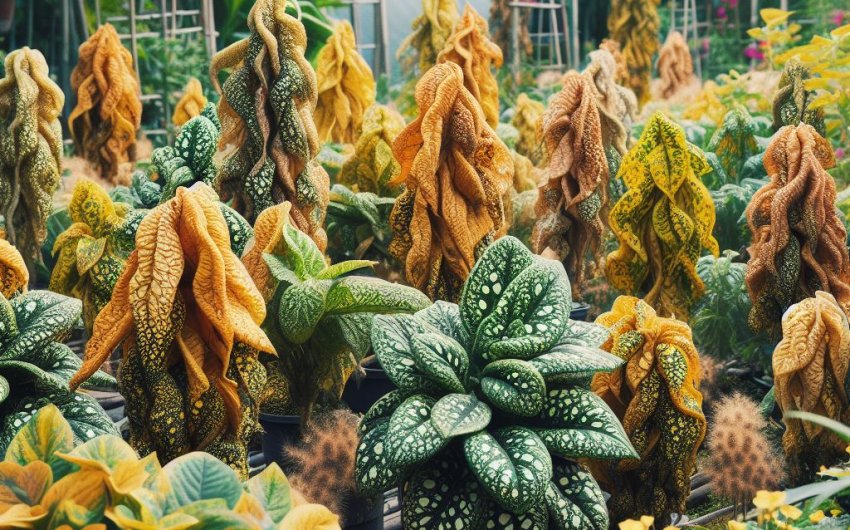
Dealing with plant viruses presents a unique challenge in the garden, as these virulent villains have no direct cure. The most effective strategies focus on early identification, strict sanitation, and vigorous pest control to prevent their spread. This guide empowers gardeners to protect their healthy plants and manage viral threats.
Why Are Plant Viruses Such a Unique Challenge in the Garden?
Plant viruses are truly virulent villains in the garden, posing a unique and often frustrating challenge that sets them apart from other plant pathogens. Unlike fungal or bacterial infections, they cannot be cured once a plant is infected, making prevention the only viable strategy. Understanding why plant viruses are such a unique challenge is the first step in dealing with plant viruses effectively.
What Makes Plant Viruses So Different from Fungi or Bacteria?
Plant viruses are fundamentally different from fungi or bacteria, possessing characteristics that make them particularly difficult to manage in the garden. These microscopic virulent villains operate at a cellular level, integrating into the plant's very system, unlike external invaders. Understanding what makes plant viruses so different is key to appreciating the complexities of dealing with plant viruses.
Here's what makes plant viruses different from fungi or bacteria:
- Nature of the Pathogen:
- Viruses: Are obligate intracellular parasites. They are not living organisms in the traditional sense, but rather genetic material (DNA or RNA) encased in a protein coat. They cannot reproduce on their own; they hijack the host plant's cellular machinery to replicate.
- Fungi & Bacteria: Are living microorganisms. Fungi are eukaryotic (like plants/animals) and absorb nutrients from their host. Bacteria are prokaryotic (single-celled) and cause disease through toxins or by disrupting plant functions.
- Size and Structure:
- Viruses: Extremely small, microscopic (nanometers), much smaller than bacteria or fungal spores. They are simple in structure.
- Fungi & Bacteria: Larger, visible with a light microscope. Fungi have complex cellular structures (hyphae, spores). Bacteria are single-celled organisms.
- Mechanism of Infection and Spread:
- Viruses:
- Entry: Cannot actively penetrate plant surfaces. They require a wound (from insect feeding, mechanical damage, pruning) to enter cells.
- Systemic: Once inside, they replicate and spread systemically throughout the entire plant via the plant's vascular system (phloem).
- No Cure: Because they integrate into the plant's cells, there is no chemical spray or treatment that can eradicate a virus from an infected plant.
- Fungi & Bacteria:
- Entry: Can sometimes penetrate plant tissue directly, or through natural openings (stomata), or wounds.
- Localized or Systemic: Can cause localized infections (leaf spots) or, in some cases, become systemic (vascular wilts).
- Treatable: Many bacterial and fungal infections can be treated or managed with fungicides or bactericides, or cultural practices, especially if caught early.
- Viruses:
- Symptoms:
- Viruses: Often cause systemic symptoms like mottling, mosaic patterns, yellowing, stunted growth, distortion, ring spots, or leaf curling. Symptoms can be subtle or severe and vary greatly.
- Fungi & Bacteria: Often cause more localized lesions, spots, cankers, blights, or rots.
- Overwintering/Survival:
- Viruses: Survive within infected plant material (perennial hosts, tubers, bulbs, seeds), in insect vectors, or sometimes on contaminated tools.
- Fungi & Bacteria: Can survive on plant debris, in the soil, on seeds, or as spores.
- Control:
- Viruses: Focus entirely on prevention (disease-free plants, vector control, sanitation) and removal of infected plants. No chemical cure.
- Fungi & Bacteria: Can often be managed with cultural practices, sanitation, and specific chemical treatments.
What are the Common Ways Plant Viruses Spread in a Garden?
Understanding the common ways plant viruses spread in a garden is absolutely crucial for implementing effective dealing with plant viruses strategies. These virulent villains don't move on their own; they rely on various vectors and methods to jump from one plant to another, making prevention of their dissemination paramount. Knowing these pathways empowers gardeners to break the cycle of infection.
Here are the common ways plant viruses spread in a garden:
- Insect Vectors (Most Common and Significant):
- Mechanism: Many sap-sucking insects act as carriers (vectors) of plant viruses. As they feed on an infected plant, they pick up virus particles, then transmit them to healthy plants when they feed again.
- Examples of Vectors:
- Aphids: Very common vectors for a wide range of viruses.
- Whiteflies: Transmit many viruses, especially to vegetables.
- Leafhoppers: Spread viruses like Aster Yellows (phytoplasma, similar to virus symptoms).
- Thrips: Can spread certain viruses.
- Mites: Some mite species can transmit viruses.
- Impact: A single infected insect can rapidly spread a virus throughout a garden.
- Prevention: Strict pest control of these sap-sucking insects is vital.
- Mechanical Transmission (Contact and Wounds):
- Mechanism: Viruses can be transferred from an infected plant to a healthy one through physical contact that creates microscopic wounds.
- Examples:
- Contaminated Tools: Pruning shears, knives, clippers, or even garden stakes used on an infected plant then used on a healthy plant without sterilization.
- Handling Plants: Touching an infected plant, then touching a healthy plant. This is more common with viruses that are highly stable.
- Plant-to-Plant Contact: Leaves rubbing together in wind or dense plantings.
- Impact: Common cause of spread in close plantings or when gardeners are working.
- Prevention: Sanitize tools between plants, wash hands, avoid handling plants when wet.
- Vegetative Propagation:
- Mechanism: When an infected plant is propagated asexually (cloning).
- Examples: Taking cuttings from an infected mother plant, dividing infected perennials, grafting infected scion wood onto a healthy rootstock, using infected tubers (potatoes), corms (gladiolus), or bulbs (tulips, lilies).
- Impact: The new plant will be genetically identical to the infected parent and will also carry the virus.
- Prevention: Always use disease-free (certified virus-free) plant material for propagation.
- Seed Transmission:
- Mechanism: Some viruses can be transmitted from the infected mother plant to its offspring through its seeds.
- Examples: Tobacco Mosaic Virus (TMV) is notoriously seed-borne in tomatoes, peppers, and tobacco. Lettuce Mosaic Virus.
- Impact: Introduces the virus to a new generation of plants.
- Prevention: Purchase certified virus-free seeds from reputable sources.
- Pollen Transmission:
- Mechanism: Less common, but some viruses can be carried in pollen and transmitted during pollination.
- Impact: Can infect the developing seed or the plant being pollinated.
- Soil Transmission (Less Common for Many Viruses):
- Mechanism: A few specific viruses are soil-borne, often transmitted by soil-dwelling nematodes or fungi that act as vectors.
- Impact: Can persist in the soil for long periods.
- Prevention: Control nematode vectors, rotate crops.
What Are the Key Signs of a Plant Virus?
Recognizing the key signs of a plant virus is paramount for dealing with plant viruses effectively, as early identification is crucial for preventing their spread. Viral symptoms can be diverse and sometimes mimic nutrient deficiencies or other issues, making accurate diagnosis a challenge. Learning to spot these subtle or dramatic cues from these virulent villains is vital for safeguarding your garden.
What are Common Symptoms of Viral Infections on Leaves and Stems?
Common symptoms of viral infections on leaves and stems are often the first visible indicators that a plant is battling a virulent villain. These signs can range from subtle discoloration to severe distortion, giving clues to the presence of a virus. Recognizing these specific changes is crucial for dealing with plant viruses and taking timely action to protect neighboring plants.
Here are common symptoms of viral infections on leaves and stems:
- Mosaic Patterns and Mottling (Most Common):
- Description: Irregular patches of light and dark green, yellow, or even white on the leaves, creating a "mosaic" or mottled appearance.
- Examples: Cucumber Mosaic Virus (CMV) on squash/cucumbers, Tobacco Mosaic Virus (TMV) on tomatoes.
- Yellowing (Chlorosis) - Often Irregular:
- Description: Leaves turn yellow, but not necessarily uniformly. It might be interveinal (between veins), in spots, or a general pale yellowing. Can be confused with nutrient deficiency, but viral yellowing is often accompanied by other symptoms like stunting or distortion.
- Examples: Can be a symptom of many viruses.
- Leaf Distortion and Malformation:
- Description: Leaves may appear puckered, crinkled, curled (upward or downward), stunted, unusually narrow ("shoestring" effect), or otherwise misshapen.
- Examples: Tomato Spotted Wilt Virus (TSWV), many types of mosaic viruses.
- Stunting and Reduced Growth:
- Description: The entire plant or specific parts grow much smaller than normal, with reduced vigor and overall stunted development. Internodes (space between leaf nodes on stem) may be very short.
- Examples: A general symptom of many viruses, as they divert the plant's energy.
- Ring Spots:
- Description: Circular patterns of discolored tissue (yellow, brown, or necrotic rings) on leaves or fruit.
- Examples: Tomato Spotted Wilt Virus (TSWV), ringspot viruses.
- Vein Clearing or Banding:
- Description: The veins of the leaves become noticeably lighter in color (clearing) or develop distinct bands of discoloration.
- Examples: Early symptom of some mosaic viruses.
- Stem Streaking or Necrosis:
- Description: Dark brown or black streaks can appear on stems, or localized death of stem tissue (necrosis).
- Examples: Tomato Spotted Wilt Virus (TSWV).
- Leaf Rolling:
- Description: Leaves roll inward or outward, sometimes appearing thickened.
- Examples: Can be caused by viruses or other stressors.
- Protrusions or Bumps:
- Description: Unusual raised areas or bumps on leaf surfaces.
- Examples: May indicate certain viral infections.
Important Considerations:
- Symptoms Vary: The exact symptoms can vary depending on the plant species, the specific virus strain, and environmental conditions.
- Mimics Other Issues: Viral symptoms can sometimes be confused with nutrient deficiencies, insect damage, herbicide drift, or environmental stress. Look for a combination of symptoms rather than just one.
- Systemic Nature: Viral symptoms typically appear on new growth and often spread systemically throughout the plant.
- No Cure: Once a plant shows clear viral symptoms, it is infected, and there is no cure.
How Do Viruses Affect Flowers and Fruits?
Beyond foliage, viruses affect flowers and fruits in distinct and often devastating ways, diminishing aesthetic appeal and harvest yields. These virulent villains can alter color, shape, and size, making produce unmarketable or unappetizing. Recognizing these specific impacts is crucial for dealing with plant viruses and safeguarding your garden's productivity and beauty.
Here's how viruses affect flowers and fruits:
Effects on Flowers:
- Flower Breaking/Color Streaking:
- Description: Instead of a solid color, petals develop streaks, stripes, or flecks of different colors (lighter or darker). This can sometimes be considered desirable in tulips (tulip breaking virus), but is generally a disease.
- Impact: Reduces the ornamental value of flowering plants.
- Flower Distortion and Malformation:
- Description: Flowers may be unusually small, misshapen, lopsided, or have distorted petals. They may fail to open fully or appear stunted.
- Impact: Reduces the aesthetic appeal and ornamental value.
- Color Changes/Greening:
- Description: Flowers may turn a greenish hue, or colors may be muted or off-tone.
- Impact: Reduces the vibrancy and attractiveness of blooms.
- Reduced Flower Production:
- Description: Fewer flowers may be produced, or flowering may be delayed or sporadic.
- Impact: Directly impacts ornamental display and potential for cutting.
Effects on Fruits (and Vegetables):
- Fruit Distortion and Malformation:
- Description: Fruits may be unusually small, misshapen, lumpy, gnarled, or have an irregular shape.
- Examples: Squash, cucumbers, tomatoes, peppers.
- Impact: Reduces marketability and sometimes edibility.
- Discoloration and Mosaic Patterns:
- Description: Fruits may develop yellow or green mosaic patterns, spots, streaks, or rings on their skin, affecting their color uniformity.
- Examples: Watermelon Mosaic Virus on squash/cucumbers, ringspot viruses on tomatoes.
- Impact: Makes fruit unappealing for consumption or sale.
- Internal Discoloration/Necrosis:
- Description: In some cases, the internal flesh of the fruit can be discolored, mottled, or necrotic (dead tissue).
- Impact: Renders the fruit inedible or significantly reduces quality.
- Stunted Fruit Development:
- Description: Fruits grow to a much smaller size than normal.
- Impact: Reduces overall yield.
- Reduced Yield:
- Description: The most significant economic impact. Plants may produce far fewer fruits, or none at all, due to overall plant weakness and impaired reproductive processes.
- Impact: Significant loss for food gardeners.
- Rough or Bumpy Texture:
- Description: The skin of the fruit may develop an abnormal, rough, or bumpy texture.
- Examples: Zucchini Yellow Mosaic Virus on squash.
- Impact: Affects texture and aesthetic.
Important Note on Edibility:
- While viral infections often make fruits look unappealing, they are generally safe to eat for humans. The virus cannot replicate in humans. However, the quality, flavor, and texture may be severely compromised. Always cook thoroughly if unsure.
What Are the Best Prevention Strategies for Plant Viruses?
Since there is no cure, the best prevention strategies for plant viruses are absolutely critical for dealing with plant viruses in your garden. These proactive measures aim to stop these virulent villains from entering your garden or spreading once present. Implementing a rigorous prevention plan is the most effective way to safeguard your healthy plants.
How Do You Control Insect Vectors to Stop Virus Spread?
To stop virus spread effectively, knowing how to control insect vectors is the single most important prevention strategy when dealing with plant viruses. Many sap-sucking insects are the primary carriers of these virulent villains, so disrupting their activity is paramount for protecting your plants. Integrated Pest Management (IPM) is key to reducing these carriers.
Here's how to control insect vectors to stop virus spread:
- Monitor Regularly:
- Action: Frequently inspect your plants (especially new growth and undersides of leaves) for any signs of sap-sucking insects.
- Why: Early detection allows for immediate, targeted intervention before populations explode and spread viruses.
- Use Physical Barriers:
- Action: For susceptible plants (especially vegetables), cover them with floating row covers immediately after planting or seeding.
- Why: These fine mesh fabrics physically exclude insects like aphids, whiteflies, and leafhoppers, preventing them from reaching your plants to feed and transmit viruses.
- Consideration: Remove covers when plants need pollination (e.g., squash, tomatoes), or hand-pollinate. A garden row cover kit is effective.
- Employ Sticky Traps:
- Action: Hang yellow or blue sticky traps near susceptible plants.
- Why: These traps attract and capture flying insects like whiteflies, aphids, and thrips, providing an early warning system for pest presence and helping to reduce small populations.
- Placement: Place yellow sticky traps near plants.
- Promote Beneficial Insects:
- Action: Create a diverse garden environment by planting a variety of flowers (especially small-flowered herbs like dill, fennel, cilantro, sweet alyssum) that attract natural predators and parasitoids of sap-sucking pests.
- Why: Ladybugs, lacewings, and parasitic wasps are highly effective at controlling aphid and whitefly populations.
- Avoid Pesticides: Do NOT use broad-spectrum chemical pesticides, as they kill beneficials along with pests.
- Use Organic Pesticides (Targeted):
- Action: If pest populations are high, use targeted organic sprays.
- Examples:
- Insecticidal Soap: Kills soft-bodied insects (aphids, whiteflies, mites) on contact. Use a ready-to-use insecticidal soap.
- Neem Oil: Acts as an antifeedant, repellent, and growth regulator, disrupting pest life cycles. Also suffocates. A cold-pressed neem oil spray is multi-purpose.
- Horticultural Oil: Suffocates a wide range of pests and their eggs.
- Application: Apply thoroughly, especially to undersides of leaves, and reapply as needed.
- Hand Removal/Water Blasting:
- Action: For small infestations, hand-pick larger pests or blast aphids off plants with a strong spray of water from a hose.
- Why: Immediate, chemical-free removal.
- Manage Weeds:
- Action: Keep garden beds and surrounding areas free of weeds.
- Why: Many weeds can act as alternative host plants for both viruses and the insect vectors that spread them.
How Do You Use Sanitation and Disease-Resistant Varieties for Prevention?
To effectively safeguard your garden from virulent villains, strict sanitation and choosing disease-resistant varieties are two foundational prevention strategies for plant viruses. These proactive measures minimize the introduction and spread of viruses, dramatically reducing the risk of infection. Understanding these practices is crucial for dealing with plant viruses sustainably.
Sanitation (Cleanliness in the Garden):
- Why it's crucial: Viruses can survive on contaminated plant material, tools, and even your hands, making cleanliness essential to prevent mechanical transmission.
- Key Practices:
- Sterilize Tools Regularly:
- Action: Disinfect pruning shears, knives, clippers, and other gardening tools with a 10% bleach solution (1 part bleach to 9 parts water), rubbing alcohol, or a commercial disinfectant between working on different plants. This is especially vital after pruning an infected plant. A tool sanitizing spray can be convenient.
- Why: Prevents transferring virus particles from a diseased plant to a healthy one via tools.
- Remove and Destroy Infected Plants (CRITICAL):
- Action: As soon as you confirm a plant has a virus (or are highly suspicious), immediately remove and destroy the entire plant (roots and all). Do NOT compost it, as virus particles can survive. Bag it and put it in the trash.
- Why: An infected plant is a constant source of virus for your healthy plants and cannot be cured. Removing it prevents further spread by insects or mechanical means.
- Wash Hands and Gloves:
- Action: Wash your hands thoroughly with soap and water, and clean your gardening gloves after handling an infected plant or before moving between different plant species.
- Why: Prevents mechanical transmission.
- Clean Seed Starting Trays and Pots:
- Action: Before starting new seeds, thoroughly clean and sterilize all seed trays, pots, and growing media.
- Why: Prevents damping-off (fungal, but good practice) and ensures no lingering virus particles from previous seasons.
- Remove Weeds:
- Action: Keep garden beds free of weeds.
- Why: Many weeds can serve as alternative hosts for plant viruses and the insect vectors that spread them.
- Sterilize Tools Regularly:
Disease-Resistant Varieties:
- Why it's crucial: This is often the easiest and most effective way to avoid viral diseases, as these plants have been bred with natural genetic resistance to specific viruses.
- Key Practices:
- Purchase Certified Virus-Free Plants and Seeds:
- Action: Always buy seeds, seedlings, tubers, bulbs, and nursery stock from reputable suppliers who guarantee their plants are disease-free or certified virus-free.
- Why: Prevents introducing the virus into your garden from the start. This is especially important for vegetatively propagated plants (e.g., potatoes, dahlias, berries, fruit trees).
- Choose Resistant Cultivars:
- Action: When selecting plant varieties, specifically look for those labeled as "virus-resistant" to common viruses in your region. The seed packet or plant tag will often indicate resistance with codes (e.g., "TMV resistant" for Tobacco Mosaic Virus).
- Why: These plants have the genetic makeup to either resist infection or minimize disease severity, even if exposed to the virus.
- Purchase Certified Virus-Free Plants and Seeds:
What Do You Do When a Plant is Infected with a Virus?
The harsh reality of dealing with plant viruses is that there is no cure once a plant is infected. Therefore, knowing what to do when a plant is infected with a virus focuses entirely on containment and protection of other healthy plants. Swift and decisive action is crucial to minimize the spread of these virulent villains throughout your garden.
What is the Immediate Action for a Virally Infected Plant?
The immediate action for a virally infected plant is decisive removal and destruction to prevent further spread. Since there are no cures for these virulent villains, containment is paramount for safeguarding the rest of your garden. This swift response is the most critical step when dealing with plant viruses.
Immediate Action: Remove and Destroy the Infected Plant.
- Confirm the Diagnosis (If Possible):
- Action: Be as certain as you can that the symptoms are indeed viral. Compare signs to reliable sources, or consult a local extension office with a sample. (Sometimes, severe nutrient deficiencies or herbicide damage can mimic viral symptoms).
- Why: You don't want to prematurely remove a plant that could recover.
- Remove the Entire Plant (Roots and All):
- Action: Carefully dig up the entire infected plant, making sure to get all parts, including the roots.
- Why: Virus particles can reside throughout the entire plant, including the roots, and even small pieces left behind can serve as a source of infection.
- DO NOT Compost:
- Action: Place the entire infected plant (including roots, leaves, and any infected fruit) into a sealed plastic bag.
- Why: Viruses can survive in compost piles, especially those that don't reach consistently high temperatures, and could reinfect your garden when compost is spread.
- Disposal: Dispose of the sealed bag in the regular trash.
- Sanitize Tools (Immediately and Thoroughly):
- Action: Immediately after handling and removing the infected plant, thoroughly sterilize all tools (shovels, trowels, pruning shears, gloves) you used. Use a 10% bleach solution (1 part bleach to 9 parts water) or rubbing alcohol.
- Why: Prevents mechanical transmission of the virus to healthy plants.
- Wash Hands and Gloves:
- Action: Wash your hands and gardening gloves thoroughly with soap and water.
- Why: Further prevents mechanical transmission.
- Monitor Nearby Plants:
- Action: Keep a close eye on plants that were growing near the infected plant, as they might have been exposed or share insect vectors.
- Why: Early detection of new infections allows for quick removal before widespread spread.
What are Long-Term Strategies for Protecting Your Garden from Viruses?
Beyond immediate removal, long-term strategies for protecting your garden from viruses involve a sustained commitment to preventative practices and smart garden management. Since these virulent villains have no cure, an ongoing proactive approach is vital for ensuring the health and resilience of your entire landscape. These strategies are essential for dealing with plant viruses effectively over time.
Here are long-term strategies for protecting your garden from viruses:
- Consistent Insect Vector Control:
- Action: Implement a comprehensive Integrated Pest Management (IPM) program to keep populations of sap-sucking insects (aphids, whiteflies, thrips, leafhoppers) in check.
- Why: These insects are the primary spreaders of most plant viruses. Reducing their numbers is paramount.
- Methods: Attract beneficial insects (ladybugs, lacewings), use sticky traps for monitoring, employ physical barriers (row covers), and use targeted organic pesticides (insecticidal soap, neem oil) when necessary.
- Plant Disease-Resistant Varieties:
- Action: Make it a priority to choose plant varieties that are specifically labeled as "virus-resistant" to common viruses in your region.
- Why: This is the most effective long-term preventative measure, as these plants have genetic defenses against infection.
- Source: Purchase seeds and plants from reputable nurseries that provide certified virus-free stock.
- Strict Garden Sanitation:
- Action: Maintain excellent garden hygiene year-round.
- Methods: Regularly sterilize tools, remove and dispose of all infected plant debris (do not compost), keep garden beds free of weeds (which can host viruses and vectors), and clean up fallen leaves at the end of the season.
- Why: Prevents virus particles from surviving and acting as sources of new infection.
- Crop Rotation (for Vegetable Gardens):
- Action: Avoid planting the same type of vegetable (or plants in the same family) in the same spot year after year.
- Why: Helps to break the life cycle of soil-borne pathogens and can reduce the buildup of virus particles in the soil (though less common for most viruses).
- Avoid Overcrowding:
- Action: Provide adequate spacing between plants based on their mature size.
- Why: Improves air circulation, reduces plant-to-plant contact (minimizing mechanical transmission), and makes it easier to spot and deal with insect vectors.
- Manage Weeds Effectively:
- Action: Regularly remove weeds from your garden and surrounding areas.
- Why: Many weeds can host viruses without showing symptoms, serving as "reservoirs" that insect vectors can then pick up and spread to your desirable plants.
- Quarantine New Plants:
- Action: When introducing new plants to your garden, especially those propagated vegetatively, isolate them for a few weeks (or even a month) in a separate area.
- Why: Allows you to observe them for any signs of disease or pests before they can potentially infect your established plants.
- Educate Yourself:
- Action: Stay informed about common plant viruses in your area and the specific symptoms they cause in the plants you grow.
- Why: Early detection is crucial for prompt removal and preventing widespread outbreaks.
By diligently applying these proactive and long-term strategies, you can effectively navigate the challenges of dealing with plant viruses. While these virulent villains cannot be cured, a comprehensive approach focused on prevention, sanitation, and robust pest control is your strongest defense. This commitment to healthy garden practices ensures your plants thrive, minimizing the impact of these unseen threats and allowing your garden to flourish.