
What Are the Best Lawn Mowing Tips for Summer Heat?
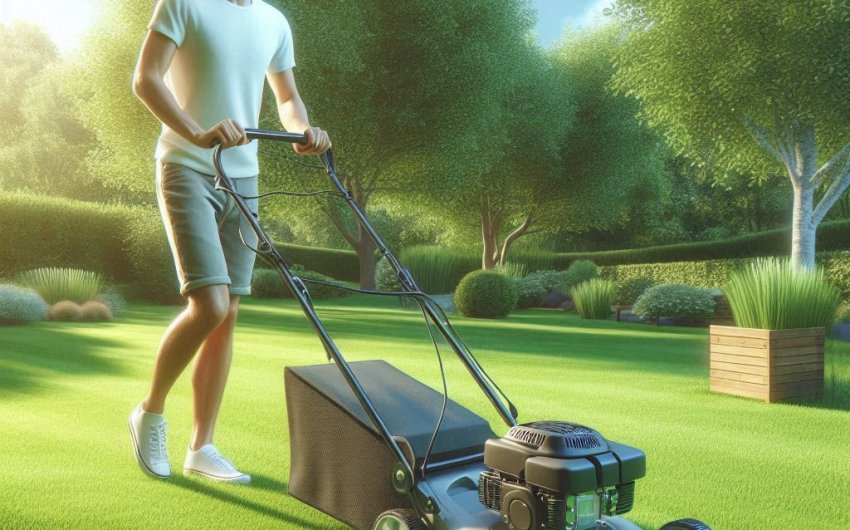
As summer temperatures soar, maintaining a healthy, green lawn becomes a delicate balancing act, requiring adjustments to your usual mowing routine. If you're wondering what are the best lawn mowing tips for summer heat, it's crucial to understand that heat and drought stress significantly impact grass, making it more vulnerable to damage. Strategic mowing practices can help your turf conserve moisture, stay cooler, and remain resilient through the hottest months, preventing brown patches and disease.
What is the Optimal Mowing Height for Summer Lawns?
Adjusting your mower's cutting height is arguably the single most important tip for helping your lawn endure summer heat. Taller grass provides natural benefits that short grass simply cannot.
The "High Cut" Rule
During summer, resist the urge to scalp your lawn short. Instead, raise your mower deck to the highest recommended setting for your grass type, typically between 2.5 to 3.5 inches for cool-season grasses and 3-4 inches for warm-season grasses, depending on the variety. This seemingly small adjustment has a significant impact on lawn health in the heat.
Benefits of Taller Grass
- Shades the Soil: Taller grass blades create a natural canopy that shades the soil surface. This shading helps to keep the soil cooler, reducing water evaporation and maintaining better moisture levels in the root zone. Cooler soil also encourages beneficial microbial activity.
- Deeper Roots: Taller grass allows the plant to develop a deeper and more extensive root system. Deeper roots can access water from further down in the soil profile, making the lawn more drought-tolerant and less reliant on frequent irrigation.
- Weed Suppression: A dense, taller lawn naturally crowds out many weeds by blocking sunlight from reaching weed seeds, making it harder for them to germinate and establish.
- Resilience to Stress: A longer blade surface provides more area for photosynthesis, allowing the grass plant to produce more energy. This extra energy reserve helps the grass better withstand the stress of heat, drought, and even insect pressure.
When is the Best Time of Day to Mow During Summer?
Mowing at the wrong time of day can significantly stress your lawn and even damage your mower. Picking the coolest, driest part of the day is a critical tip for what are the best lawn mowing tips for summer heat.
Early Morning or Late Evening
The ideal times to mow your lawn in summer are during the early morning (after dew has dried) or in the late evening (as temperatures begin to drop).
- Early Morning: Once the dew has evaporated (to avoid clumping and disease spread), the grass blades are firm and stand upright, allowing for a clean cut. Temperatures are typically cooler, reducing stress on both the grass and the person mowing.
- Late Evening: As the sun goes down, temperatures cool, and the grass has the entire night to recover before the next day's heat. Avoid mowing so late that the grass remains wet with dew overnight, which can encourage fungal diseases.
Why Avoid Midday Mowing?
Mowing in the middle of the day, when temperatures are highest and the sun is strongest, puts extreme stress on your lawn.
- Heat Stress: Cutting grass during peak heat makes it more susceptible to wilting and scorching. The open wounds created by mowing lose more water.
- Mower Strain: Running a mower in extreme heat can cause it to overheat and reduce its efficiency, particularly for gas models.
- Operator Fatigue: Mowing in intense heat is physically demanding and increases the risk of heat-related illnesses.
How Often Should I Mow a Heat-Stressed Lawn?
During periods of extreme summer heat or drought, grass growth naturally slows down. Adjusting your mowing frequency accordingly is another vital tip for what are the best lawn mowing tips for summer heat.
Reduce Mowing Frequency
Instead of sticking to a rigid weekly schedule, observe your lawn's growth rate. During a heatwave or drought, grass may go dormant or grow very slowly. In such cases, reduce your mowing frequency to every 10-14 days, or even less often, only mowing when necessary.
The "One-Third Rule"
Regardless of the season, always adhere to the "one-third rule": never remove more than one-third of the grass blade's total height in a single mowing. For example, if your ideal summer height is 3 inches, don't let the grass grow taller than 4.5 inches before mowing. This rule minimizes stress on the grass plant and prevents it from going into shock.
Why Less Frequent Mowing Helps
- Conserves Energy: Each cut is a stress event for the grass. Less frequent mowing allows the plant to conserve its energy for essential functions like root growth and heat tolerance, rather than constantly recovering from cuts.
- Maintains Canopy: It helps maintain the taller grass canopy, providing the beneficial shade for the soil and support for deeper roots, as discussed previously.
- Prevents Scalping: If growth is slow, sticking to a weekly schedule might force you to cut into the lower, non-green parts of the blade, which severely weakens the grass and can lead to brown patches.
What is the Importance of Sharp Mower Blades in Summer?
A dull mower blade can turn a pristine lawn into a ragged mess, especially when grass is already stressed by heat. Keeping your blades sharp is a simple yet impactful tip for what are the best lawn mowing tips for summer heat.
Clean Cut vs. Tearing
A sharp mower blade makes a clean, precise cut through each grass blade, much like a sharp knife slicing through paper. This clean cut allows the grass to heal quickly, minimizing the wound and reducing water loss through the cut tip.
In contrast, a dull blade tears and shreds the grass blades. This creates jagged, open wounds that:
- Increase Water Loss: The torn edges are larger, allowing more moisture to escape, making the grass more susceptible to dehydration in the heat.
- Invite Disease: Ragged cuts provide ideal entry points for fungal pathogens, which thrive in stressed grass, particularly during periods of humidity.
- Aesthetic Impact: Torn grass tips often turn white or brown, giving the entire lawn a ragged, unhealthy, and dull appearance.
Maintenance Schedule
- Sharpen Regularly: Depending on your lawn size and mowing frequency, plan to sharpen your mower blade at least once or twice during the summer season, and always at the beginning of the season. If you hit rocks or debris, check it immediately. You can sharpen it yourself with a lawn mower blade sharpener or take it to a professional.
- Keep an Extra Blade: Having a spare, sharpened blade on hand allows you to quickly swap out a dull one without interrupting your mowing schedule.
Should I Bag or Mulch Grass Clippings in Summer Heat?
How you manage your grass clippings can significantly impact your lawn's health during summer. Mulching clippings can be a beneficial practice, but there are considerations when asking what are the best lawn mowing tips for summer heat.
Mulch Clippings (When Appropriate)
Leaving grass clippings on the lawn (mulching) is generally beneficial, acting as a natural fertilizer and helping to return nutrients and organic matter to the soil.
- Nutrient Cycling: Clippings contain nitrogen, potassium, and phosphorus. As they decompose, they release these nutrients back into the soil, reducing the need for synthetic fertilizers.
- Moisture Retention: A thin layer of clippings can act as a light mulch, helping to reduce evaporation from the soil surface and keep the root zone cooler.
- When to Mulch: Mulch clippings when they are relatively short (following the one-third rule) and evenly distributed. Use a mulching mower blade for best results.
When to Bag Clippings
There are specific situations in summer when bagging clippings is preferable:
- Excessive Growth: If you've missed a mow and the grass is excessively long, mulching very heavy clippings can smother the lawn, block sunlight, and lead to fungal issues. In this case, bag them.
- Weed Seeds/Diseased Grass: If your lawn has a significant weed problem (especially with mature weed seeds) or if there's an active fungal disease, bag the clippings to prevent spreading the problem.
- Aesthetics: If you prefer a pristine, clean look and don't mind the extra effort, bagging is always an option.
Avoid Clumping
No matter if you bag or mulch, avoid letting grass clippings clump on the lawn. Heavy clumps can smother and kill the grass underneath, creating bare spots. If heavy clumps occur, rake them out and disperse them evenly, or remove them.
What Role Does Watering Play in Mowing in Summer?
Proper watering practices are inextricably linked to healthy mowing habits, especially when contending with summer heat. Adjusting your irrigation to support your mowing strategy is essential for what are the best lawn mowing tips for summer heat.
Deep and Infrequent Watering
In summer, it's generally best to water deeply and infrequently rather than lightly and frequently.
- Deep Roots: Deep watering (applying 1 inch of water per week, either from rain or irrigation) encourages grass roots to grow deeper into the soil, making them more resilient to drought and surface drying.
- Drying Out Top Layer: Allowing the top few inches of soil to dry out between waterings helps prevent root rot and discourages shallow-rooted weeds.
Water Before Mowing (with caution)
While you want to avoid mowing wet grass (to prevent clumping and disease), slightly moist soil can make mowing easier on the grass. If your lawn is very dry and brittle, a light watering a day or two before mowing can make the blades more pliable and less prone to tearing. However, ensure the grass blades themselves are dry when you actually mow.
Avoid Mowing a Dormant Lawn
If your lawn has gone dormant (turned brown) during an extended drought, do not mow it. Mowing a dormant lawn can severely damage the grass and prevent it from recovering when conditions improve. Let it rest and wait for cooler temperatures and rain.
Timing Watering with Mowing
Try to avoid watering immediately before mowing, as wet grass can clog your mower, cause uneven cuts, and spread disease. If you must water, do so a day or two prior to your planned mow, or several hours before if you're mowing in the evening, allowing the blades to dry.
Should I Adjust My Mowing Pattern in Summer?
Changing your mowing pattern might seem like a minor detail, but it can actually reduce stress on your lawn and prevent rutting, especially in hot conditions. It's a subtle but effective tip for what are the best lawn mowing tips for summer heat.
Vary Your Mowing Pattern
Consistently mowing in the same direction can cause the grass blades to lean permanently in one direction and compact the soil in repetitive wheel paths.
- Alternate Directions: Try to alternate your mowing pattern each time you cut the grass (e.g., mow north-south one time, then east-west the next). This encourages the grass blades to grow more upright, ensures a more even cut, and distributes wear on the soil and grass evenly.
- Diagonal Mowing: Occasionally mowing diagonally can also help vary the pattern and improve the lawn's appearance.
Why Varying Patterns Helps in Summer
- Reduces Compaction: By not following the exact same path every time, you reduce localized soil compaction from the mower wheels, allowing for better water infiltration and root growth. This is particularly important for clay soils in summer.
- Promotes Upright Growth: It encourages the grass blades to grow straight up, maximizing the leaf surface area for photosynthesis and allowing the sun's rays to penetrate more evenly, which helps maintain overall lawn health.
- Improved Airflow: More upright grass blades can contribute to better air circulation within the turf canopy, which helps reduce humidity and can deter some fungal diseases that thrive in still, moist conditions.
What Other Lawn Care Practices Support Summer Mowing?
Beyond mowing, other general lawn care practices contribute significantly to your lawn's resilience against summer heat and make your mowing efforts more effective. These holistic approaches are crucial for what are the best lawn mowing tips for summer heat.
Fertilization Strategy
- Avoid High Nitrogen: In summer, especially for cool-season grasses, avoid applying high-nitrogen fertilizers. Nitrogen encourages lush top growth, which requires more water and can be stressful in heat.
- Potassium Boost: Consider a fertilizer with higher potassium (K) content in late spring/early summer. Potassium helps grass plants regulate water, strengthens cell walls, and improves stress tolerance. A summer lawn fertilizer with high potassium can be beneficial.
- Warm-Season Grasses: Warm-season grasses actively grow in summer and may still benefit from lighter nitrogen applications, but always follow regional guidelines.
Weed Control
- Spot Treat Weeds: Weeds compete with your grass for limited water and nutrients. Spot treat them as they appear rather than broadcasting herbicides over the entire lawn in extreme heat, which can stress desirable grass. Consider using a weed spot sprayer.
- Healthy Lawn is Best Defense: The best weed control is a dense, healthy lawn that outcompetes weeds.
Monitor for Pests and Diseases
- Early Detection: Stressed lawns in summer are more susceptible to insect pests and fungal diseases. Regularly inspect your lawn for signs of trouble (e.g., unusual discoloration, thinning, insect activity).
- Targeted Treatment: If you identify a problem, use targeted treatments to avoid further stressing the entire lawn with broad-spectrum products.
Manage Traffic
- Reduce Foot Traffic: During periods of extreme heat or drought, try to minimize foot traffic on your lawn. Grass that is already stressed will compact more easily and can be damaged by constant walking or playing.
By consistently applying these best lawn mowing tips for summer heat, you can significantly reduce stress on your turf, conserve precious water, and help your lawn maintain its green color and health even when the mercury rises.