
Should You Mow Wet Grass or Wait Until It Dries?
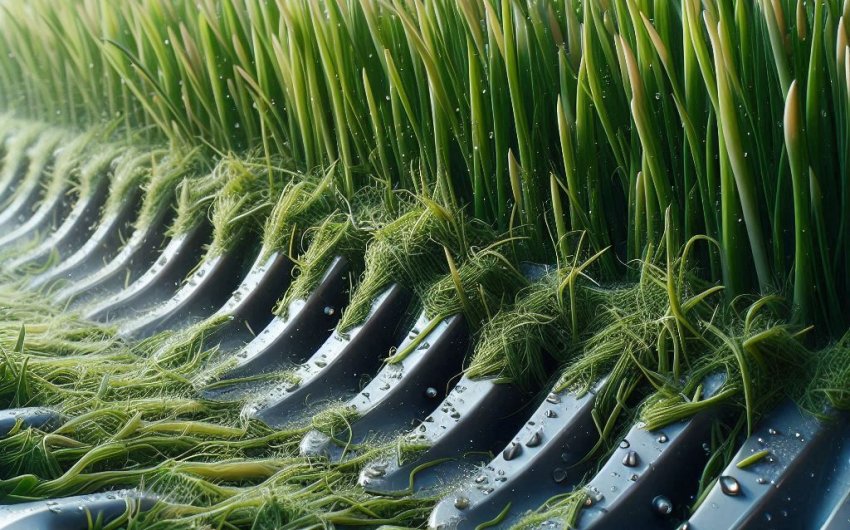
It's a common dilemma for any homeowner with a lawn: a fresh morning dew or an unexpected rain shower leaves the grass glistening, prompting the question, "Should you mow wet grass or wait until it dries?" While it might seem convenient to get the chore over with, mowing wet turf often leads to more problems than solutions, negatively impacting both your lawn's health and your mowing equipment. This guide will explore the various reasons why waiting for dry conditions is almost always the better choice and offer practical tips for when you simply can't avoid it.
Should You Mow Wet Grass or Wait Until It Dries? (The Short Answer)
The quick and straightforward answer to "Should you mow wet grass or wait until it dries?" is almost always: Wait until it dries. While there might be rare exceptions or unavoidable circumstances, the downsides of mowing wet grass far outweigh any perceived benefits of convenience.
Mowing wet grass can cause a host of problems for your lawn, your mower, and even yourself. The ideal conditions for mowing are when the grass blades are completely dry, typically in the late morning after the dew has evaporated, or in the late afternoon/early evening before dew sets in.
Prioritizing a dry lawn before mowing is a simple yet crucial practice that contributes significantly to the overall health and aesthetic appeal of your turf. It helps maintain sharp cuts, prevents clumping, and protects your equipment, ensuring your lawn stays greener and healthier in the long run.
Why is Mowing Wet Grass a Bad Idea for Your Lawn?
Mowing wet grass isn't just an inconvenience; it can cause significant harm to your lawn's health and appearance. Understanding these negative impacts is key to grasping should you mow wet grass or wait until it dries?
1. Uneven Cut and Bruised Grass Blades
- Tearing, Not Cutting: Wet grass blades are heavier, more pliable, and tend to stick together. When a mower blade hits wet grass, it's more likely to tear and bruise the blades rather than deliver a clean, sharp cut. Imagine trying to cut wet paper with dull scissors – it's similar.
- Ragged Edges: This tearing leaves ragged, torn edges on the grass blades. These ragged edges turn brown or yellow quickly, giving your lawn a stressed, unsightly, and unhealthy appearance. This also makes the grass more susceptible to disease.
- Sticking Together: Wet blades lay flat under the mower deck or stick together, preventing them from being properly lifted and cut evenly. This results in an inconsistent cut, with some areas being scalped too short and others left too long, leading to a patchy look.
2. Clumping and Smothering
- Wet Clippings Clump: Wet grass clippings are heavy and sticky. Instead of dispersing evenly over the lawn (like dry mulched clippings), they clump together in thick, unsightly piles.
- Smothering: These clumps can smother the healthy grass underneath, blocking sunlight, trapping excessive moisture, and inhibiting air circulation. This creates an ideal environment for fungal diseases to develop and can lead to yellow or dead patches underneath the clumps.
- Messy Appearance: The clumps are unsightly and require additional labor to rake up and dispose of, negating any time saved by mowing wet.
3. Increased Risk of Fungal Diseases
- Open Wounds: The torn, bruised ends of wet grass blades are like open wounds, making the grass more vulnerable to pathogens.
- Moisture Trapping: The clumps of wet clippings left on the lawn trap moisture against the grass blades and soil surface.
- Ideal Conditions for Fungus: The combination of injured grass, excess moisture, and reduced air circulation creates a perfect breeding ground for various fungal lawn diseases, such as brown patch, dollar spot, and red thread.
4. Soil Compaction and Ruts
- Weight on Wet Soil: When you walk or drive a mower over wet soil, the weight compresses the ground more easily than dry soil.
- Reduced Air Pockets: This leads to increased soil compaction, squeezing out vital air pockets that grass roots need to breathe. Compacted soil also reduces water infiltration and nutrient uptake.
- Ruts and Indentations: If the soil is very wet, the weight of a rider mower or heavy foot traffic can create noticeable ruts and indentations in the lawn, which are difficult to repair and ruin the lawn's smooth appearance.
Considering these serious drawbacks, the answer to should you mow wet grass or wait until it dries? strongly leans towards waiting. A little patience will protect your lawn from unnecessary stress and damage.
Why is Mowing Wet Grass a Bad Idea for Your Mower and You?
The negative impacts of mowing wet grass extend beyond just your lawn's health; they can significantly affect your mowing equipment and even pose risks to your safety. These practical considerations reinforce why you should ask, "Should you mow wet grass or wait until it dries?" and typically choose to wait.
1. Equipment Strain and Damage
- Clogging the Deck: Wet grass is heavy and sticky. It quickly clogs the underside of your mower deck, preventing the blades from spinning freely and efficiently. This reduces cutting performance and forces the engine to work harder.
- Engine Strain: A clogged deck and heavy, matted grass create excessive drag, putting a severe strain on your mower's engine. This can lead to overheating, premature wear and tear on engine components, and ultimately, a shorter lifespan for your mower.
- Dull Blades: When cutting tough, wet grass, your mower blades will dull much faster than when cutting dry grass. Dull blades cause more tearing than cutting, which is bad for the grass (as discussed earlier) and requires more frequent blade sharpening or replacement.
- Corrosion/Rust: Constant exposure to moisture, especially within the confines of a wet mower deck, can lead to rust and corrosion on metal parts, degrading the equipment over time.
- Drive Belt Issues: For belt-driven mowers, wet grass and increased strain can cause belts to slip or even break, requiring costly repairs.
2. Messy and Difficult Operation
- Messy Cleanup: Wet clippings stick everywhere – on the mower, on your shoes, on nearby patios, driveways, and garden beds. Cleanup becomes a much more extensive and frustrating task.
- Reduced Visibility: The splatter of wet clippings can obscure your view, making it harder to see what you're doing, especially on riding mowers.
- Inefficient Bagging/Mulching: If you bag your clippings, the bag will quickly become heavy and clogged with wet grass. If you mulch, the wet clumps will not break down and disperse properly.
3. Safety Hazards
- Slippery Conditions: Mowing on wet grass makes the ground slippery, increasing the risk of slips, falls, and losing traction, especially on slopes or uneven terrain. This is a significant safety concern.
- Electrical Shock (Electric Mowers): Using electric corded mowers on wet grass or in wet conditions poses a serious risk of electrical shock. Even battery-powered electric mowers are best used on dry surfaces.
- Reduced Control: Wet wheels can lose traction, making it harder to steer and control the mower, particularly on hills.
Considering the potential for equipment damage, the increased hassle, and the genuine safety risks, the verdict on "should you mow wet grass or wait until it dries?" overwhelmingly favors patience. Waiting for a dry lawn protects both your investment in lawn equipment and your well-being.
When is the Best Time to Mow Your Lawn?
Knowing the ideal conditions for mowing is crucial for maintaining a healthy and attractive lawn. It directly answers the question, "Should you mow wet grass or wait until it dries?" by emphasizing when your grass is at its best for a clean cut.
1. The Golden Rule: When the Grass is Dry
- Dew is Gone: The absolute best time to mow is after the morning dew has completely evaporated. This usually means waiting until mid to late morning.
- No Recent Rain: Ensure there hasn't been significant rainfall recently that has saturated the soil and blades.
- Benefits: Dry grass stands up straight, allowing for a clean, even cut. Clippings disperse easily, preventing clumps and reducing the risk of disease. It's safer for you and easier on your mower.
2. Ideal Time of Day
- Late Morning (Best Overall): After the dew has dried but before the heat of the midday sun becomes too intense. The grass has dried out, and it still has time to recover before the evening.
- Late Afternoon/Early Evening: This is a good second choice. The grass is dry, and the intense heat of the day has subsided. This gives the grass several hours to recover before nightfall.
- Why Avoid Midday Heat: Mowing during the hottest part of the day (midday) can stress your lawn. The freshly cut blades lose moisture more rapidly, making them prone to wilting, especially if combined with intense sun. This can lead to an unhealthy appearance and slower recovery.
3. Consider Weather Conditions
- Sunny or Cloudy, but Dry: The sky doesn't have to be perfectly sunny, but the grass blades need to be free of surface moisture. A dry, cloudy day is perfectly fine for mowing.
- Avoid Immediately After Rain: Give your lawn several hours, or even a full day, to dry out after a rain shower. The surface might look dry, but the deeper soil could still be saturated, leading to compaction issues.
4. Listen to Your Lawn
- Tall Enough to Cut: Ensure your grass has grown sufficiently to warrant a cut. Don't cut if it's too short, as this can scalp the lawn.
- The "One-Third Rule": Never remove more than one-third of the grass blade's total height in a single mowing. This encourages deeper root growth and reduces stress.
- Avoid Stressed Conditions: Don't mow a lawn that is severely drought-stressed, diseased, or experiencing extreme heat. Address these issues first.
By consistently choosing to mow when the grass is dry and following these best practices, you ensure a cleaner cut, a healthier lawn, and a more pleasant experience for yourself, ultimately answering the question "Should you mow wet grass or wait until it dries?" with a resounding "wait."
What Can You Do if You Must Mow Wet Grass?
While the strong recommendation is always to wait for dry conditions, sometimes life happens. An unexpected week of rain, an upcoming event, or a rapidly growing lawn might force you to consider mowing wet grass. If you absolutely cannot wait, here are some strategies to minimize the damage and manage the mess, providing practical advice for those unavoidable moments when you ask, "Should you mow wet grass or wait until it dries?" and the answer has to be "now."
1. Prepare Your Mower
- Sharpen Your Blades: This is the most crucial step. A sharp blade will cut through wet grass cleaner, causing less tearing and bruising. Dull blades will only smash and rip the wet grass. Consider having an extra set of sharp lawnmower blades on hand.
- Raise the Mower Deck: Set your mower to its highest cutting height. Cutting less grass at a time reduces strain on the mower and minimizes clumping. You may need to do a second pass later when dry if the grass is still too long.
- Clean the Underside: Before you start, ensure the underside of your mower deck is clean of any dried grass buildup. This will help reduce immediate clogging.
- Consider Mulching Plug (Carefully): If your mower has a mulching plug, it might help to keep the clippings contained and circulating longer under the deck, potentially cutting them finer. However, if the grass is too wet, it will still clump badly, so proceed with caution.
2. Adjust Your Mowing Technique
- Mow Slower: Reduce your walking speed. A slower pace allows the blades more time to cut through the heavy, wet grass and helps prevent clogging.
- Overlap More: Overlap your mowing passes by more than usual (e.g., half a deck width instead of a third). This helps ensure you catch all the blades and may help chop up clippings more finely.
- Small Sections at a Time: If possible, mow smaller sections, frequently stopping to check and clean the mower deck.
- Avoid Bagging (if possible): If you usually bag, consider letting the clumps lay (knowing you'll have to rake them up later) rather than continuously emptying a heavy, clogged bag. If you must bag, be prepared to stop very frequently.
3. Post-Mowing Cleanup and Care
- Clean the Mower Immediately: This is non-negotiable. As soon as you finish, use a hose and a deck scraper to thoroughly clean all the wet, caked-on grass from the underside of the mower deck, blades, and discharge chute. This prevents rust and corrosion and ensures your mower is ready for next time.
- Rake Up Clumps: Do not leave thick clumps of wet grass on your lawn. They will smother the grass underneath and encourage disease. Rake them up as soon as possible after mowing. A leaf rake works well.
- Monitor for Disease: Keep a close eye on your lawn in the days following a wet mow. Look for any signs of fungal diseases (discolored patches, unusual growth). If you see them, address them promptly.
- Aerate if Compaction is an Issue: If your soil was very wet when you mowed, consider aerating in the near future (when the lawn is dry and healthy) to alleviate any compaction that occurred. A manual core aerator can be used for small areas.
By following these cautious strategies, you can minimize the negative consequences when you absolutely have to mow wet grass, ensuring that even in unavoidable circumstances, you still know should you mow wet grass or wait until it dries? and how to manage the situation.