
Sow Strong: Mastering Lawn Overseeding Techniques
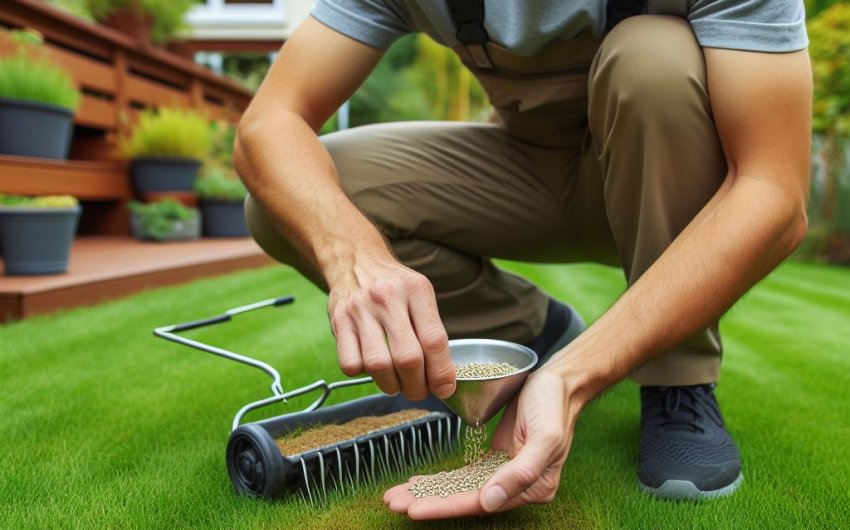
Lawn overseeding is the practice of sowing grass seed directly into existing turf to fill in bare spots and improve density without tearing up the sod. It rejuvenates aging yards by introducing modern, disease-resistant grass varieties that can better withstand heat, pests, and heavy foot traffic.
What Are the Main Benefits of Overseeding Your Lawn?
Over time, individual grass plants grow old and their reproduction slows down, leading to a thin, patchy appearance. By adding new seeds to your current lawn, you create a thick carpet of greenery that naturally blocks out weeds and resists environmental stress. A dense lawn also manages moisture more efficiently and helps prevent soil erosion during heavy rains.
Why You Should Consider It
- Thicker Turf: Fills in holes where weeds usually sprout.
- Better Color: Newer grass breeds often have a deeper, more vibrant green.
- Disease Resistance: Modern seeds are bred to fight off fungus and blight.
- Improved Safety: A thick lawn provides a softer cushion for children and pets to play on.
When Is the Best Time to Overseed?
Timing is everything when it comes to seed germination. For most homeowners in cool climates, the ideal window is late summer to early fall when the air is cooling down but the soil is still warm. If you live in a warmer region, late spring is often the best time to plant warm-season grasses as they head into their peak growing months.
| Grass Category | Best Planting Window | Ideal Soil Temperature |
|---|---|---|
| Cool-Season (Fescue, Rye) | Late August to September | 50° to 65° F |
| Warm-Season (Bermuda, Zoysia) | Late May to June | 65° to 75° F |
How Do You Prepare Your Lawn for New Seed?
You cannot simply throw seed onto a thick lawn and expect it to grow. The seeds must have direct "seed-to-soil" contact to sprout. Preparation involves removing the barriers that prevent the seed from touching the dirt, such as excess grass height and dead plant matter called thatch.
- Mow Low: Cut your existing grass to about 1 to 2 inches and bag the clippings.
- Rake Thoroughly: Use a heavy-duty garden rake to remove dead grass and loosen the top layer of soil.
- Dethatch: If you have a thick layer of brown debris at the base of your grass, use a dethatching tool to clear it out.
- Aerate: Creating small holes in the ground allows the new seeds to fall deep into the soil.
Why Is Core Aeration Vital for Success?
Core aeration is the process of removing small plugs of soil from your yard. This reduces soil compaction and creates the perfect "pockets" for new seeds to land in. When you combine aeration with seeding, you give the tiny sprouts a protected environment with easy access to oxygen and water.
For larger properties, using a tow-behind plug aerator behind a riding mower makes the job much faster. It ensures the holes are deep enough to encourage strong root growth in your new grass.
Which Grass Seed Should You Choose?
Not all grass seeds are the same. You need to choose a variety that matches your current lawn and your local weather. Mixing a shade-tolerant variety into a sunny lawn can help keep the grass thick under trees where it usually struggles.
Common Seed Types
- Kentucky Bluegrass: Known for its soft feel and beautiful color; loves full sun.
- Tall Fescue: Very tough and handles heat and drought better than most.
- Perennial Ryegrass: Germinates very quickly, making it great for fast results.
- Fine Fescue: The best choice for heavily shaded areas.
To ensure you aren't planting "junk" seeds, look for a high-quality grass seed mix with a low "weed seed" percentage on the label.
How Do You Apply the Seed Evenly?
Getting an even spread is the difference between a professional-looking lawn and a patchy mess. You should always use a spreader rather than throwing the seed by hand. This ensures that every square inch of your yard gets the right amount of potential new growth.
Using a Spreader
- Broadcast Spreaders: Best for large, open areas.
- Drop Spreaders: Best for small yards or near flower beds where you need precision.
- Handheld Spreaders: Ideal for patching small brown spots.
A rotary broadcast spreader allows you to cover a standard-sized yard in just a few minutes while maintaining a consistent application rate.
Does New Grass Seed Need Fertilizer?
Yes, but not just any fertilizer. New sprouts need a "starter" fertilizer that is high in phosphorus. This specific nutrient helps the baby plants grow deep, strong roots very quickly. Avoid using standard "weed and feed" products during this time, as the weed-killing chemicals will also kill your new grass seeds.
Applying a starter lawn fertilizer right after you sow the seeds gives them the energy boost they need to compete with the existing grass.
What Is the Secret to Watering New Grass?
The most common reason for overseeding failure is the soil drying out. Once a grass seed starts to sprout, it is very delicate. If it dries out even once, the plant will likely die. You need to keep the top inch of soil consistently moist—but not soaking wet—until the new grass is at least 2 inches tall.
The Watering Schedule
- Days 1 to 14: Water lightly 2 to 3 times a day for about 5 to 10 minutes.
- Days 15 to 30: Water once a day, increasing the depth of the soak.
- After 30 Days: Transition back to your normal deep-watering schedule.
Using a programmable hose timer ensures your lawn gets a drink even if you are at work or away for the weekend.
How Long Does It Take to See Results?
Patience is key. Different types of grass grow at different speeds. While you might see some green fuzz in a week, the full effect of your hard work won't be visible for several months.
- Ryegrass: 5 to 10 days to sprout.
- Fescue: 7 to 14 days to sprout.
- Kentucky Bluegrass: 14 to 30 days to sprout.
When Can You Mow After Overseeding?
Wait until the new grass has reached a height of about 3.5 to 4 inches before you mow. This usually takes about 3 to 4 weeks. When you do mow for the first time, make sure your blades are very sharp. Dull blades can pull the young, shallow-rooted plants right out of the ground instead of cutting them.
Using a handheld blade sharpener before that first cut will protect your investment and keep the new plants healthy.
Can You Overseed a Lawn With Weeds?
You can, but it is better to handle the weeds first. If your yard is more than 50% weeds, you may need to apply a non-residual weed killer and wait a few weeks before planting. If you have just a few weeds, the new, thick grass will eventually crowd them out. A healthy, dense lawn is the best natural defense against invasive plants.
How Do You Protect New Seeds from Birds?
Birds love grass seed, and a freshly sown lawn is like a giant bird feeder. While they won't eat every single seed, you can protect your yard by lightly covering the seed with a thin layer of peat moss or weed-free straw. This hides the seed from sight and helps hold in moisture.
Applying a layer of organic peat moss using a peat moss spreader will significantly improve your germination rates by keeping the seeds tucked in and warm.
What Common Mistakes Should You Avoid?
Many homeowners fail because they skip the prep work or forget to water. Avoiding these simple errors will guarantee a better-looking yard.
Top Pitfalls
- Seeding over thatch: If the seed doesn't touch the dirt, it won't grow.
- Using old seed: Grass seed loses its "power" after about a year of storage.
- Walking on it: Keep foot traffic to a minimum for the first month.
- Mowing too soon: Giving the roots time to anchor is essential.
Is Professional Equipment Necessary?
While you can do everything by hand, modern tools make the process much more effective. If you have a very large property, you might consider renting a "power seeder" or "slice seeder." These machines cut small grooves into the soil and drop the seed directly into them, ensuring the best possible contact.
For most suburban yards, a simple combination of a rake, a spreader, and a good oscillating lawn sprinkler is more than enough to achieve professional results.
How Often Should You Overseed?
For a perfectly manicured look, many experts recommend a light overseeding every single year in the fall. However, most lawns only need a full "refresh" every 3 to 4 years. If you notice your lawn struggling after a hot summer or a harsh winter, that is the perfect signal that it is time to add some new life to your soil.
Mastering the art of lawn overseeding techniques allows you to maintain a golf-course-quality yard without the high cost of professional landscaping. By selecting the right seeds, preparing the soil correctly, and maintaining a strict watering schedule, you can transform a thin, tired yard into a lush, green oasis. Taking the time to sow strong today ensures a beautiful, resilient lawn for many seasons to come.