
Drainage Dynamics: The Importance of Proper Lawn Drainage
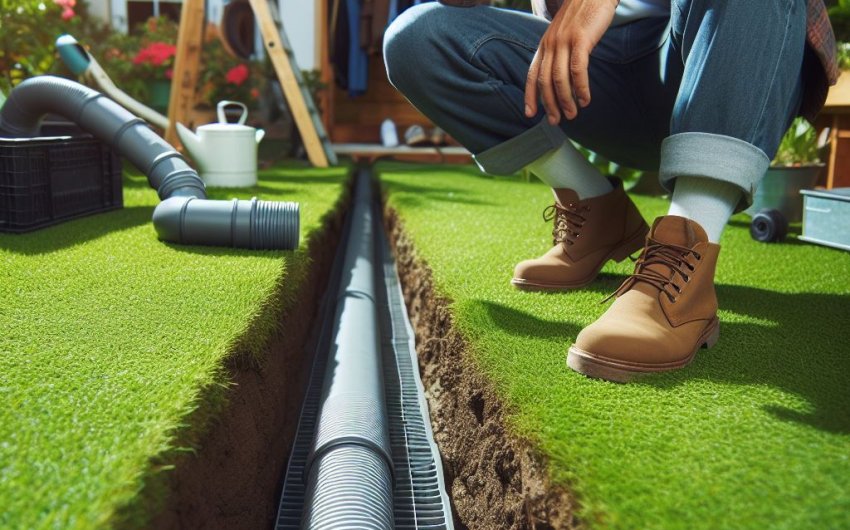
Proper lawn drainage is the process of directing excess water away from your landscape to prevent soil saturation and structural damage. Ensuring water moves efficiently through your yard protects your home's foundation and keeps your grass from drowning or developing fungal diseases.
Why Does Your Yard Need Proper Lawn Drainage?
Without a functional system to manage runoff, water pools in low spots, turning your beautiful grass into a muddy swamp. Standing water suffocates plant roots by cutting off their oxygen supply, which can kill even the heartiest turf in a matter of days. Furthermore, poor water management allows moisture to seep into your basement or crawlspace, leading to expensive foundation repairs and mold growth.
Common Signs of Poor Drainage
- Puddles that remain for more than 24 hours after a rainstorm.
- Soggy patches of grass that feel like a sponge when you walk on them.
- Curling or yellowing leaves on shrubs and ornamental trees.
- Mosquito infestations caused by stagnant water breeding grounds.
- Cracks in the foundation or white powdery deposits (efflorescence) on basement walls.
How Can You Identify Drainage Problems Before They Get Worse?
The best time to inspect your yard is during a heavy downpour. Put on your raincoat and watch how the water moves across your property. Look for areas where the flow stops or where water pours directly off the roof and settles against the house.
- Check your downspouts to see if they discharge water at least 5 feet away from your home.
- Perform a "percolation test" by digging a hole 12 inches deep, filling it with water, and timing how long it takes to empty.
- Identify the "high" and "low" points of your property to understand the natural grade of the land.
- Look for "rivering," which are small gullies carved into your mulch or soil by uncontrolled runoff.
What Are the Best Solutions for Standing Water?
There is no one-size-fits-all fix for water issues, but several proven methods can move water effectively. Depending on whether your problem is surface water or groundwater, you may need a combination of mechanical drains and landscape re-grading.
| Solution | Best For | Difficulty Level |
|---|---|---|
| French Drain | Removing groundwater and protecting foundations | Intermediate |
| Catch Basin | Quick removal of surface water in low spots | Easy |
| Dry Creek Bed | Decorative runoff management for heavy slopes | Intermediate |
| Sump Pump | Moving water away from basement interiors | Professional |
How Does a French Drain Work?
A French drain is a trench filled with gravel and a perforated pipe that redirects groundwater away from a specific area. Gravity pulls the water through the gravel and into the pipe, where it flows safely to a discharge point like a storm drain or a dry well.
To build one, you will need a high-quality perforated drainage pipe wrapped in filter fabric to prevent dirt from clogging the holes. This system is ideal for keeping water out of your crawlspace or protecting a retaining wall from hydrostatic pressure.
Can You Use Catch Basins to Solve Surface Puddles?
If you have a specific low spot in your lawn that always collects water, a catch basin is often the best answer. This is essentially a buried box with a grate on top that "catches" water and sends it through a solid underground pipe.
Steps to Install a Catch Basin
- Dig a hole deep enough for the basin and a trench for the exit pipe.
- Set the 9-inch catch basin with grate so the top is slightly lower than the surrounding grass.
- Connect the basin to a solid PVC or corrugated pipe.
- Slope the pipe downward at least 1/8 inch per foot of length.
- Backfill with soil and replace the turf on top.
What Is the Importance of Gutter and Downspout Maintenance?
Your roof collects thousands of gallons of water during a storm. If your gutters are clogged or your downspouts drop water right at the base of your house, you are asking for a flooded basement. Managing roof runoff is the first and most important step in proper lawn drainage.
Consider attaching flexible downspout extensions to lead water further into the yard. For a cleaner look, you can bury these extensions underground and have them pop up in a safer area using a "pop-up emitter."
Can Landscaping Features Actually Help Move Water?
Eco-friendly landscaping can turn a drainage problem into a beautiful yard feature. Instead of trying to hide the water, you can create a path for it that mimics nature.
Dry Creek Beds
A dry creek bed uses river rocks and boulders to create a "pathway" for runoff. It looks like a decorative garden feature when dry but acts as a high-capacity channel during storms. It prevents soil erosion by slowing down the water as it moves across the rocks.
Rain Gardens
A rain garden is a shallow depression planted with deep-rooted native plants. It is designed to capture water and allow it to soak slowly into the ground. Using a soil pH meter can help you determine if your soil is acidic or alkaline enough for the specific water-loving plants you choose.
How Does Soil Compaction Affect Drainage?
When your soil is packed tight from foot traffic or heavy machinery, the tiny air pockets between soil particles disappear. This prevents water from soaking in, causing it to sit on the surface or run off rapidly. This is common in clay-heavy soils.
To fix this, use a tow-behind plug aerator to pull small cores of soil out of the ground. This allows the earth to "breathe" and creates channels for water to reach the root zone. Adding organic matter like compost also improves the soil structure over time.
What Is a Dry Well and When Should You Use One?
A dry well is a large underground tank or a gravel-filled pit where water is temporarily stored until it can naturally dissipate into the surrounding soil. This is a great solution if you have nowhere to "dump" the water, such as in a flat yard where you cannot pipe water to the street.
Modern plastic dry well kits are easy to install and can hold a significant amount of runoff from your gutters or French drain system. They prevent the surface from becoming muddy while the water slowly recharges the local water table.
Are Retaining Walls a Part of Drainage Management?
If your yard has a steep slope, water can gain speed and wash away your topsoil. Retaining walls help level out the land, but they must have their own drainage built in. Without "weep holes" or gravel backfill, the weight of the water-soaked soil will eventually push the wall over.
- Always use filter fabric behind the wall.
- Install a perforated pipe at the base of the wall's interior.
- Use clean gravel to allow water to drop straight down to the pipe.
How Do You Prevent Erosion During Heavy Rain?
Erosion is a major side effect of poor water management. When water flows too quickly, it carries away nutrients and creates ugly scars in your lawn. To stop this, you must "slow the flow."
- Groundcovers: Plant thick ivy or creeping thyme on hillsides.
- Erosion Blankets: Use biodegradable jute netting to hold new seeds and soil in place.
- Terracing: Break one long slope into several short, flat steps.
Can You Fix Your Own Drainage Issues?
Many homeowners can handle minor grading or installing simple catch basins. However, if you have water entering your home or if your yard requires massive changes to the land's shape, you might need a professional engineer. Incorrectly changing the flow of water could accidentally flood your neighbor’s property, which can lead to legal issues.
For DIY projects, always use a line level to ensure your pipes are actually sloping downhill. Water will never flow "up" a pipe, so precision in your digging is vital for success.
Why Is Maintenance Important for Drainage Systems?
Even the best system will fail if it gets clogged with leaves, silt, or roots. You should inspect your grates and outlets at least twice a year.
- Clear debris from catch basin grates.
- Flush out underground pipes with a garden hose to remove sediment.
- Check discharge points to ensure they aren't buried by mulch or grass clippings.
Understanding the unique layout of your property is the first step in mastering proper lawn drainage. By using a combination of French drains, smart landscaping, and soil aeration, you can protect your home and enjoy a healthy, dry lawn all year long. Taking action now prevents the long-term damage that excess water can cause to your most valuable investment.