
Earth-Kind Care: Embracing Eco-Friendly Lawn Solutions
Eco-friendly lawn care involves using natural fertilizers, native plants, and water-saving techniques to maintain a healthy yard without harming the local ecosystem. By switching to organic practices, you reduce chemical runoff into groundwater and create a safe space for pets, children, and beneficial pollinators.
Why Should You Switch to Earth-Kind Lawn Care?
Moving away from traditional lawn maintenance protects your family and the planet. Conventional pesticides and synthetic nitrogen fertilizers often leach into the soil, killing helpful microbes and polluting nearby streams. Earth-kind solutions focus on building soil health from the ground up, which naturally results in a more resilient, pest-resistant lawn that requires less work over time.
The Benefits of Going Green
- Safety: No toxic residues for kids or dogs to track into the house.
- Cost Savings: Long-term reduction in water bills and expensive chemical treatments.
- Biodiversity: Supports bees, butterflies, and birds.
- Soil Quality: Increases organic matter, leading to better water retention.
How Can You Improve Soil Health Naturally?
The secret to a lush, green yard is the dirt beneath the grass. Instead of feeding the plant directly with chemicals, you should feed the soil. Healthy soil is a living community of fungi, bacteria, and earthworms that break down nutrients for your grass to eat.
- Test your soil pH using a home soil test kit to see what nutrients are missing.
- Spread a thin layer of high-quality compost over your lawn every spring.
- Aerate the ground once a year to allow oxygen and water to reach the roots.
- Add liquid seaweed or fish emulsion for a gentle nutrient boost.
What Are the Best Alternatives to Chemical Fertilizers?
Synthetic fertilizers are like junk food for your lawn; they provide a quick growth spurt but weaken the plant in the long run. Organic fertilizers release nutrients slowly, ensuring steady growth and strong root systems. These products are derived from plants, animals, or minerals rather than petroleum.
| Fertilizer Type | Key Ingredients | Best For |
|---|---|---|
| Compost | Decomposed organic matter | Improving soil structure and microbes |
| Bone Meal | Ground animal bones | High phosphorus for root development |
| Alfalfa Meal | Fermented plant matter | Adding nitrogen and trace minerals |
| Corn Gluten | Corn byproduct | Natural weed prevention and nitrogen |
Is Grasscycling the Easiest Way to Feed Your Lawn?
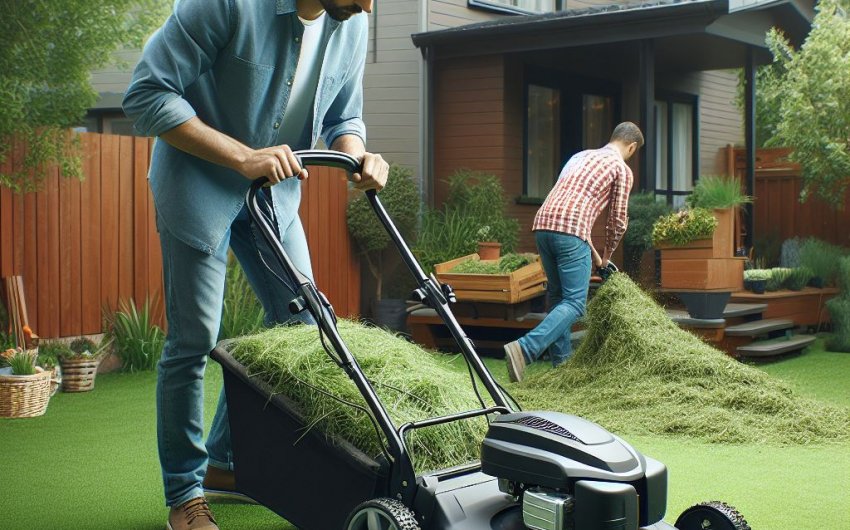
Yes, grasscycling is the simple act of leaving your grass clippings on the lawn after you mow. These clippings decompose quickly and return up to 25 percent of the lawn's required nitrogen back into the dirt. To do this effectively, you need a mower that chops the grass into tiny bits.
Using a high-quality mulching lawn mower ensures the clippings are small enough to settle between the blades of grass without causing thatch buildup. It saves you the time and effort of bagging and hauling away yard waste.
How Can You Conserve Water While Keeping Grass Green?
Conserving water is a primary pillar of sustainable landscaping. Most people overwater their lawns, which leads to shallow roots and fungal diseases. The goal is to encourage deep roots by watering deeply but infrequently.
Smart Watering Strategies
- Water early: Aim for 4:00 AM to 8:00 AM to minimize evaporation.
- Monitor moisture: Use a digital soil moisture meter to check if your lawn actually needs a drink.
- Rain barrels: Collect water from your gutters to use on garden beds.
- Deep soaking: Aim for about 1 inch of water per week, delivered in one or two sessions.
What Is the Best Mowing Height for a Healthy Lawn?
Mowing your grass too short is one of the biggest mistakes you can make. When grass is cut "to the bone," it loses its ability to perform photosynthesis and grows weak. Keeping your grass at a height of 3 to 4 inches shades the soil, which prevents weed seeds from germinating and keeps the ground cool.
Mowing Best Practices
- Never remove more than one-third of the grass blade at one time.
- Keep your blades sharp using a lawn mower blade sharpener to prevent tearing the grass.
- Vary your mowing pattern each time to prevent soil compaction.
Can Native Plants Replace Part of Your Lawn?
Replacing sections of turf with native plants is a fantastic way to embrace eco-friendly solutions. Native species are already adapted to your local climate and soil, meaning they require almost no extra water or fertilizer once they are established. This is often called xeriscaping or "re-wilding" your yard.
- Pollinator Gardens: Plant milkweed, coneflowers, and bee balm.
- Groundcovers: Use clover or creeping thyme in low-traffic areas.
- Rain Gardens: Create a depression with water-loving plants to catch runoff.
How Do You Control Weeds Without Toxic Sprays?
Weeds are often a sign that your soil is out of balance. For example, dandelions thrive in compacted soil with low calcium. Instead of reaching for a bottle of weed killer, try mechanical or natural suppression methods.
- Hand Weeding: Use a stand-up weeding tool to pull weeds by the root without bending over.
- Vinegar Sprays: High-strength horticultural vinegar can kill weeds in sidewalk cracks.
- Corn Gluten Meal: Apply this in early spring to stop weed seeds from sprouting.
- Overseeding: Keeping your lawn thick and dense leaves no room for weeds to take hold.
Which Grass Types Are Most Drought-Tolerant?
Choosing the right type of grass for your region can cut your maintenance in half. Some varieties are naturally "thirstier" than others. If you live in a dry climate, look for drought-resistant cultivars that stay green even during water restrictions.
- Tall Fescue: Has deep roots and handles heat well.
- Buffalo Grass: A native prairie grass that needs very little water.
- Zoysia: A tough, heat-loving grass that forms a dense carpet.
- Fine Fescues: Perfect for shady spots where other grasses fail.
How Do You Manage Lawn Pests Organically?
A few bugs in the yard are a good thing. Problems only arise when the ecosystem is out of whack and one species takes over. Integrated Pest Management (IPM) focuses on long-term prevention and uses the least harmful methods first.
Natural Pest Controls
- Beneficial Nematodes: These microscopic worms eat grubs and fleas in the soil.
- Neem Oil: A natural oil that repels many chewing insects.
- Milky Spore: A specialized bacteria that targets Japanese beetle larvae.
- Bird Houses: Encourage insect-eating birds like wrens and bluebirds to live in your yard.
Why Is Core Aeration Important for Eco-Friendly Lawns?
Over time, soil becomes packed down by foot traffic and mowing. This prevents air, water, and nutrients from reaching the roots. Core aeration involves removing small plugs of soil to "open up" the ground. It is one of the most effective ways to rejuvenate a struggling lawn without chemicals.
You can use a manual plug aerator for smaller yards or rent a machine for larger areas. Aeration is best done in the fall or spring when the grass is actively growing.
Can You Use Clover to Help Your Grass?
Clover used to be a standard part of lawn seed mixes until the 1950s. It is a nitrogen-fixing plant, meaning it takes nitrogen from the air and puts it into the soil for the grass to use. Adding a little micro-clover to your lawn can reduce your need for fertilizer and keep the yard green even during mid-summer droughts.
How Do You Transition a Traditional Lawn to Organic?
Transitioning to a green lifestyle for your backyard doesn't happen overnight. It takes about three years for the soil biology to fully recover from years of chemical use. Start by stopping the "weed and feed" treatments and replacing them with compost and organic granules.
The Transition Timeline
- Year 1: Focus on soil testing and heavy aeration. Stop all pesticides.
- Year 2: Begin overseeding with hardy grass varieties and applying compost tea.
- Year 3: You will notice deeper roots, fewer pests, and a lawn that stays green longer with less help.
What Tools Do You Need for Sustainable Gardening?
You don't need a shed full of high-tech gear to maintain a healthy yard. A few well-chosen, durable tools will last a lifetime and reduce waste.
- Soaker Hoses: These deliver water directly to the soil, reducing waste.
- Compost Bin: Turn your kitchen scraps into "black gold" for your grass.
- Broadcast Spreader: Use a hand-held spreader to evenly distribute organic fertilizer or seeds.
Is an Eco-Friendly Lawn Harder to Maintain?
While there is a learning curve at the beginning, organic lawns are actually easier to care for in the long run. Once the soil is healthy and the grass is strong, the lawn becomes a self-sustaining system. You won't find yourself trapped in a cycle of applying chemicals to fix problems that those very chemicals caused.
Embracing eco-friendly lawn solutions is about working with nature instead of fighting against it. By choosing the right grass, feeding the soil, and watering wisely, you can have the most beautiful yard on the block while protecting the planet. Your journey toward a chemical-free landscape starts with a single step toward more sustainable, earth-kind care.