
Soil Symphony: Understanding Soil pH for Optimal Lawn Health
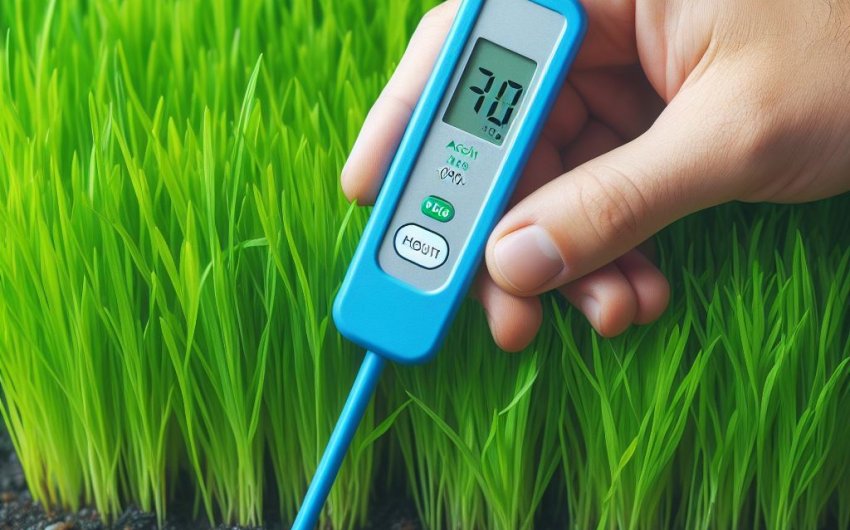
Understanding soil pH for optimal lawn health is like mastering the orchestra conductor for your grass's nutrient symphony. The pH level dictates how well your lawn can access the vital nutrients it needs to thrive, influencing its color, density, and resilience.
What is Soil pH and Why is it Crucial for Lawns?
Soil pH is a measure of how acidic or alkaline your soil is, expressed on a scale from 0 to 14. A pH of 7.0 is neutral. Below 7.0 is acidic, and above 7.0 is alkaline (or basic). For optimal lawn health, understanding and managing soil pH is one of the most fundamental steps you can take.
- Nutrient Availability: pH directly controls the availability of essential nutrients to grass roots. Most turfgrasses prefer a slightly acidic to neutral pH range (6.0 to 7.0) because in this range, nutrients like nitrogen, phosphorus, and potassium are most accessible.
- Microbial Activity: Beneficial soil microorganisms, which play a crucial role in breaking down organic matter and cycling nutrients, also thrive within a specific pH range.
- Weed Competition: Weeds often prefer extreme pH conditions, so adjusting your soil to the optimal range for grass can naturally suppress many common lawn weeds.
- Root Development: Extreme pH levels can stress grass roots, hindering their ability to grow and absorb water and nutrients.
- Overall Vigor: A lawn growing in its ideal pH range will be greener, denser, more resilient to stress, and better equipped to fight off diseases and pests.
What is the Ideal Soil pH for Different Lawn Grasses?
The optimal soil pH for lawn health can vary slightly depending on your specific turfgrass type. Knowing your grass is the first step.
Cool-Season Grasses
- Examples: Kentucky Bluegrass, Perennial Ryegrass, Tall Fescue, Fine Fescue.
- Ideal pH Range: Slightly acidic to neutral, typically 6.0 to 7.0.
- Preference: These grasses generally perform best at the higher end of this range (closer to neutral) or slightly below.
Warm-Season Grasses
- Examples: Bermuda Grass, Zoysia Grass, St. Augustine Grass, Centipede Grass.
- Ideal pH Range: Slightly acidic to neutral, typically 6.0 to 7.0.
- Preference: Many warm-season grasses (like Bermuda and Zoysia) are tolerant of a slightly wider range, but Centipede grass notably prefers a more acidic soil (5.0 to 6.0).
Key Takeaway for Optimal Lawn Health
For most common turfgrasses, a soil pH between 6.0 and 7.0 is considered the sweet spot for maximizing nutrient availability and promoting healthy growth. If your pH falls outside this range, your grass may struggle to absorb even abundant nutrients.
How Do You Test Your Soil pH Accurately?
Testing your soil pH for optimal lawn health is the critical first step before making any amendments. Guessing can cause more harm than good.
1. Why Test?
- Visual symptoms (yellowing grass, excessive moss or specific weeds) can suggest a pH problem, but only a test confirms it and tells you how much to adjust.
- Over-applying amendments (like lime or sulfur) without a test can throw your pH too far in the other direction.
2. Methods for Testing
- Home Soil Test Kits:
- Description: Relatively inexpensive kits available at garden centers. They often involve mixing soil with a liquid or powder and comparing color changes to a chart.
- Pros: Convenient, immediate results.
- Cons: Can be less accurate than lab tests; results might be influenced by water quality or user error.
- Recommended Product: A basic Home Soil Test Kit.
- Digital pH Meters:
- Description: Electronic devices that provide a direct numerical reading.
- Pros: More precise than color kits, easy to read.
- Cons: Requires calibration; can be sensitive.
- Recommended Product: A reliable Digital Soil pH Meter.
- Professional Soil Lab Testing:
- Description: The most accurate method. You send soil samples to a local university extension office or a private lab.
- Pros: Highly accurate pH reading, detailed nutrient analysis, and specific recommendations for amendments (including quantities).
- Cons: Takes longer to get results, often costs more than home kits.
- Recommendation: Highly recommended for initial testing or if you're struggling with persistent lawn issues.
3. How to Take a Soil Sample (for any method)
- Collect Multiple Samples: Take 10-15 random soil samples from different areas of your lawn, avoiding unusual spots (e.g., near house foundations, under trees, near compost piles).
- Depth: Use a clean trowel or soil probe to take samples from the top 4-6 inches of soil (where most grass roots are).
- Mix Thoroughly: Combine all samples in a clean plastic bucket. Break up any clumps and remove debris (grass blades, thatch, rocks).
- Prepare for Test: Use this mixed sample for your home kit, digital meter, or bag it for the lab, following their specific instructions.
How Do You Adjust Soil pH for Optimal Lawn Health?
Once you know your soil pH, you can take steps to adjust it. Changes take time, so patience is key.
1. To Raise pH (Make Soil Less Acidic / More Alkaline)
- Cause: Soil is too acidic (pH below 6.0). This is common in areas with high rainfall or where certain fertilizers have been used.
- Amendment: Agricultural Limestone (Calcitic or Dolomitic).
- Calcitic Lime: Primarily calcium carbonate.
- Dolomitic Lime: Contains both calcium carbonate and magnesium carbonate. Useful if your soil is also deficient in magnesium.
- Application Rate: This depends on your current pH, desired pH, soil type, and the type of lime. A lab test will give you precise recommendations. Generally, it's applied at rates of 20-100 pounds per 1,000 square feet.
- When to Apply: Best applied in fall or early spring. Avoid applying to frozen ground.
- How to Apply: Use a Broadcast Spreader for Lawn for even distribution. Water thoroughly after application to help it work into the soil.
- Granular vs. Pulverized: Granular lime is less dusty and easier to spread.
- Time to See Results: It can take several months to a year to see significant pH changes. Retest annually.
2. To Lower pH (Make Soil More Acidic / Less Alkaline)
- Cause: Soil is too alkaline (pH above 7.0). This is less common for lawns but can occur in arid regions or where native soil is naturally high in alkaline minerals.
- Amendment:
- Elemental Sulfur: The most common and effective way to lower pH. Microbes convert it into sulfuric acid, which lowers pH.
- Sphagnum Peat Moss: Can be tilled into soil, but it's more expensive and less effective for large pH shifts.
- Aluminum Sulfate: Acts quickly but can cause nutrient imbalances and potentially harm plants if over-applied. Generally not recommended for lawns.
- Application Rate (Elemental Sulfur): Again, a lab test is best. Typical rates are 5-15 pounds per 1,000 square feet. Avoid applying too much at once, as large pH drops can stress grass.
- When to Apply: Anytime soil isn't frozen, but often in fall or spring.
- How to Apply: Use a Broadcast Spreader for Lawn. Water in thoroughly.
- Time to See Results: Can take several weeks to months, as it relies on microbial activity. Re-test after 6-12 months.
What Are the Signs of Incorrect Soil pH in Your Lawn?
Your lawn often sends clear signals that its soil pH is out of whack. Recognizing these can prompt you to test and correct the issue.
1. Poor Fertilizer Response
- Symptom: You fertilize regularly, but your lawn remains dull, yellow, or thin.
- Reason: Nutrients are present in the soil but are "locked up" and unavailable to the grass roots because the pH is too high or too low.
2. Excessive Moss or Certain Weeds
- Symptom: Persistent moss growth, even in sunny areas, or a proliferation of acid-loving weeds like sorrel, plantain, or fescue.
- Reason: Moss thrives in acidic, compacted, or poorly drained soils. Many weeds prefer extreme pH levels where desirable grass struggles.
3. Sparse or Stunted Grass Growth
- Symptom: Patches of thin, slow-growing grass, even with adequate water and sunlight.
- Reason: Roots are stressed and unable to effectively absorb water and nutrients.
4. Poor Color
- Symptom: Yellowing or pale green grass, especially when nutrient deficiencies are suspected (like nitrogen), even if you're fertilizing.
- Reason: Nutrients like iron, critical for green color, can become unavailable in high pH soils. Nitrogen uptake is also impacted by extreme pH.
5. Increased Susceptibility to Disease or Pests
- Symptom: Your lawn seems unusually prone to fungal diseases or insect infestations.
- Reason: A stressed lawn with incorrect pH is weaker and less able to naturally defend itself.
How Do You Maintain Optimal Soil pH Long-Term?
Maintaining optimal soil pH for lawn health is an ongoing process, as pH levels can naturally shift over time due to rainfall, fertilizing, and organic matter decomposition.
1. Regular Testing
- Frequency: Retest your soil pH every 2-3 years, or annually if you're actively trying to adjust it. This helps you stay on top of any shifts.
2. Gradual Adjustments
- Avoid Over-Correcting: Make gradual changes based on soil test recommendations. Large, sudden pH swings can harm your lawn.
- Patience: Remember that pH adjustments take time to become effective.
3. Organic Matter
- Regular Amendments: Incorporate organic matter (like top dressing with Organic Compost or leaving grass clippings) into your lawn care routine.
- Buffering Capacity: Organic matter improves the soil's "buffering capacity," which is its ability to resist drastic changes in pH. This creates a more stable soil environment.
4. Smart Fertilizing
- Balanced Fertilizers: Choose fertilizers that are balanced and appropriate for your lawn type and soil test results.
- Organic Fertilizers: Organic fertilizers tend to have a less dramatic impact on pH compared to some synthetic fertilizers.
- Avoid Excess: Over-application of certain fertilizers can alter pH over time.
5. Aeration and Dethatching
- Compaction: Compacted soil can exacerbate pH problems by limiting air and water movement, impacting microbial activity.
- Aeration: Lawn Aerator Tools help alleviate compaction, allowing amendments to penetrate more easily.
- Dethatching: If you have excessive thatch (over 1/2 inch), consider dethatching to improve air and water movement to the soil.
The Soil pH Symphony: A Harmonious Lawn
Understanding and managing soil pH for optimal lawn health is a critical component of growing a truly vibrant and resilient turf. It's the conductor of your soil's nutrient symphony, ensuring all the vital elements play in harmony. By regularly testing your soil, making informed adjustments, and maintaining good overall lawn care practices, you'll create a perfectly balanced environment where your grass can thrive, delighting you with its lush, green beauty season after season.