
Why Your Lawn Is Turning Yellow and How to Fix It
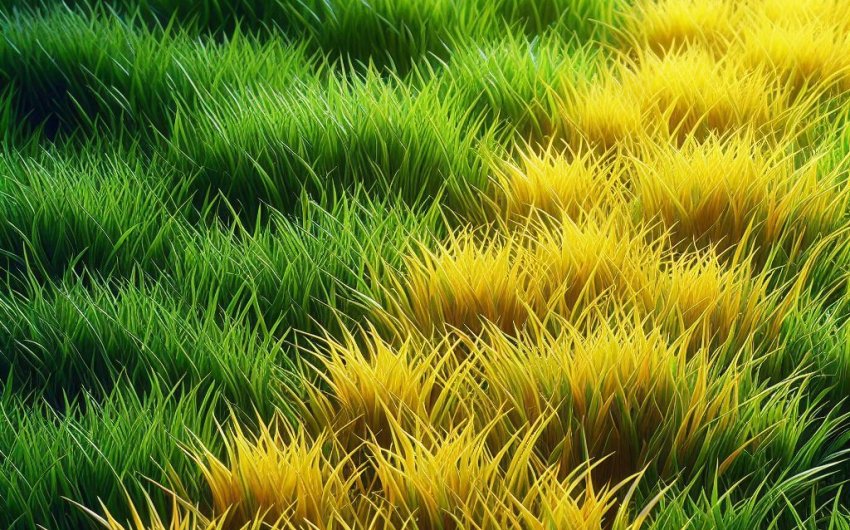
A lush, green lawn is a source of pride for many homeowners. It creates a welcoming curb appeal and provides a soft, inviting space for outdoor activities. So, when your once-vibrant lawn starts to lose its rich color and turn yellow, it can be a frustrating sight. This discoloration isn't just an aesthetic issue; it's often a distress signal from your grass, indicating something isn't quite right beneath the surface or in its environment.
Understanding why your lawn is turning yellow is the first step toward bringing it back to life. There are many reasons this might happen, from simple care mistakes to more complex underlying issues. Pinpointing the exact cause will allow you to apply the correct fix and restore your lawn to its healthy, green glory. Let's explore the common culprits behind yellowing grass and discover effective ways to tackle them.
Why Is My Lawn Turning Yellow? Common Causes Revealed!
Yellow grass, sometimes called chlorosis, occurs when the grass blades don't produce enough chlorophyll. Chlorophyll is the green pigment in plants that helps them make food from sunlight. When chlorophyll production drops, the grass loses its green color. Here are the most common reasons this happens.
Is It a Watering Problem?
Water is essential for grass health, but both too little and too much can cause yellowing.
Underwatering
When your lawn doesn't get enough water, the grass blades start to dry out. They lose their moisture and turn a pale yellow, then eventually brown and crispy.
- Signs: The yellowing often appears uniformly across the lawn, especially in areas that dry out first, like slopes or sandy spots. The grass might feel brittle, and footprints might stay visible after walking on it.
- Why it happens: Hot, dry weather, infrequent watering, or insufficient watering (not soaking the soil deeply enough).
- How to Fix: Increase the frequency and depth of your watering. Lawns typically need about 1 inch of water per week, either from rain or irrigation. Water deeply in the early morning to allow the water to soak down to the roots and for the grass blades to dry before nightfall. A lawn sprinkler can help distribute water evenly. You can also use a rain gauge to measure how much water your lawn is getting.
Overwatering
Surprisingly, too much water can also cause grass to turn yellow. When the soil is constantly waterlogged, the grass roots can't get enough oxygen. This essentially suffocates the roots, preventing them from taking up nutrients.
- Signs: Yellowing might appear in low spots where water collects. The soil will feel consistently soggy, and you might notice a musty smell. The grass can also look thin and be prone to disease.
- Why it happens: Too frequent watering, poor drainage, or heavy clay soil.
- How to Fix: Reduce watering frequency. Only water when the top 2-3 inches of soil are dry. Improve drainage if necessary. This might involve aerating your lawn (creating small holes in the soil) or adding organic matter like compost to heavy clay soils. A lawn aerator can be a great tool.
Is It a Nutrient Deficiency?
Grass needs specific nutrients to grow strong and green. If your soil is lacking these, your lawn will show it.
Nitrogen Deficiency
Nitrogen is the most important nutrient for lush, green grass. It's a key part of chlorophyll.
- Signs: The lawn will have an overall pale green or yellowish tint, especially on older leaves. Growth will be slow, and the grass will look weak.
- Why it happens: Poor soil quality, not fertilizing, or frequent mowing where clippings are removed (clippings return nutrients).
- How to Fix: Apply a nitrogen-rich lawn fertilizer. Look for a fertilizer with a higher first number in the NPK ratio (e.g., 20-5-10). A slow-release lawn fertilizer is best to provide a steady supply of nutrients. Follow package directions carefully to avoid over-fertilizing.
Iron Deficiency
Though less common than nitrogen deficiency, a lack of iron can also cause yellowing, especially in certain grass types or in alkaline (high pH) soils. Iron is essential for chlorophyll production.
- Signs: The yellowing often appears on newer grass blades first, while older blades remain greener. The yellow can be more of a lime-green or bright yellow, sometimes with green veins.
- Why it happens: High soil pH (alkaline soil), too much phosphorus (which can block iron uptake), or compacted soil.
- How to Fix: Apply a chelated iron supplement specifically designed for lawns. This form of iron is easier for plants to absorb. You can find lawn iron supplement at garden stores. If high pH is the issue, you might need to lower it with soil amendments like elemental sulfur (over time).
Is It Soil Compaction?
Compacted soil is dense and doesn't allow air, water, and nutrients to easily reach the grass roots. This essentially suffocates the roots, leading to yellowing and weak growth.
- Signs: Areas with heavy foot traffic, stagnant water after rain, or hard, clay-like soil that is difficult to penetrate.
- Why it happens: Heavy use, heavy clay soils, or construction activities.
- How to Fix: Aeration is the best solution. Use a core aerator (you can rent one or hire a professional) to pull out small plugs of soil, creating channels for air and water. Aerate at least once a year, preferably in spring or fall, for warm-season grasses and cool-season grasses, respectively.
Is It a Pest Problem?
Tiny critters can cause big damage, including yellowing.
Grubs
Grubs are the larvae of beetles (like Japanese beetles) that live in the soil and feed on grass roots.
- Signs: Irregular patches of yellowing or browning grass. The affected grass can often be pulled up easily, like a loose carpet, because the roots have been eaten. You might also see increased bird activity in your lawn (they're eating the grubs).
- Why it happens: Grubs hatch in mid-to-late summer and feed until fall.
- How to Fix: Apply a grub killer or nematicide to your lawn. There are organic options (like milky spore or beneficial nematodes) and chemical options. A lawn grub killer should be applied when grubs are actively feeding (late summer to early fall).
Chinch Bugs
These tiny insects feed on grass blades, sucking out the plant juices. They inject a toxin that causes the grass to yellow and eventually die.
- Signs: Irregular, spreading patches of yellow or brown grass, often appearing in hot, sunny areas. You can test for them by removing the top and bottom of a coffee can, pushing it into the soil in an affected area, filling it with water, and watching for chinch bugs to float to the top.
- Why it happens: Warm, dry weather conditions are ideal for chinch bug activity.
- How to Fix: Apply an insecticide specifically for chinch bugs. There are both chemical and organic options. Some lawn insecticide products target these pests.
Is It a Fungal Disease?
Several fungal diseases can cause yellowing patterns in grass.
- Brown Patch: Causes circular patches of tan or brown grass with a darker ring around the edge, often in humid, warm conditions.
- Dollar Spot: Small, circular sunken patches of straw-colored grass, often about the size of a silver dollar.
- Rust: Causes orange-yellow powdery spores on grass blades that can rub off on shoes or clothes.
- Why it happens: Overwatering, poor air circulation, too much nitrogen, or prolonged wetness on grass blades.
- How to Fix: Improve drainage and air circulation. Water in the morning to allow grass to dry. Avoid over-fertilizing with nitrogen. In severe cases, apply a lawn fungicide. A good lawn fungicide can help manage outbreaks.
Could It Be Urine or Chemical Spills?
Localized yellowing or browning often points to external factors.
Pet Urine
Dog urine, especially from female dogs, is high in nitrogen salts that can "burn" the grass in concentrated spots.
- Signs: Small, dark green rings (from nitrogen acting as a super-fertilizer) with a brown or yellow patch in the center.
- Why it happens: High concentration of nitrogen and salts in pet urine.
- How to Fix: Immediately dilute the area with water after your pet urinates. Train your pet to go in a specific area, or consider a "pet spot" in the landscape. There are also supplements for pets that claim to reduce urine damage, and pet lawn repair kits to help fix damaged spots.
Chemical Spills or Over-Application
Accidental spills of gasoline, oil, or even too much fertilizer in one spot can burn the grass.
- Signs: Irregular patches of dead or severely yellowed grass that appear suddenly.
- Why it happens: Chemicals are toxic to grass or cause rapid dehydration.
- How to Fix: For fresh spills, immediately try to dilute with a large amount of water. For dried damage, the grass is likely dead and will need to be dug out and reseeded or sodded. Always follow instructions when applying lawn chemicals.
How Do I Bring My Yellow Lawn Back to Life?
Once you've identified the cause of your yellow lawn, implementing the right solution is key. Here's a summary of common fixes and proactive measures.
Fixing Watering Issues
- For Underwatering:
- Deep and Infrequent: Water 1-2 times a week, providing 1 inch of water each time. This encourages roots to grow deeper.
- Morning Watering: Water in the early morning (before 10 AM) to minimize evaporation and allow grass to dry before night, preventing fungal growth.
- For Overwatering/Poor Drainage:
- Reduce Frequency: Water less often, only when the soil feels dry a few inches down.
- Improve Drainage: Consider aerating your lawn (especially for compacted areas) or top-dressing with a thin layer of compost to improve soil structure over time. A sprinkler timer can help you stick to a proper watering schedule.
Addressing Nutrient Deficiencies
- Soil Test: The best way to know your soil's needs is to perform a lawn soil test kit. This will tell you exact nutrient levels and pH.
- Fertilize Properly:
- Nitrogen: Apply a balanced lawn fertilizer with a good amount of nitrogen (high first number) according to package directions, typically 2-4 times a year depending on grass type and climate.
- Iron: If an iron deficiency is confirmed, use a chelated iron supplement. Apply as a liquid spray or granular product.
- Organic Options: Consider using organic fertilizers like compost or organic lawn fertilizer to improve overall soil health and provide a slow, steady release of nutrients.
Combating Pests
- Identify Correctly: Make sure you know what pest you're dealing with before applying any treatment.
- Targeted Treatment: Use the appropriate insecticide or nematicide for the specific pest (e.g., grub killer for grubs, chinch bug treatment for chinch bugs). Always follow label instructions precisely for safety and effectiveness.
- Biological Controls: Explore organic options like beneficial nematodes (for grubs) or encouraging natural predators like ladybugs.
Managing Fungal Diseases
- Improve Air Circulation: Mow at the correct height for your grass type. Don't let grass get too tall, but also don't cut more than one-third of the blade height at a time.
- Water Wisely: Water in the morning, deeply and infrequently, to allow grass blades to dry.
- Reduce Thatch: A thick layer of thatch (dead grass material on top of the soil) can harbor fungi. Dethatch your lawn if needed. A lawn dethatcher can help.
- Fungicides: In severe cases, apply a lawn fungicide according to label directions. Rotate different types of fungicides to prevent resistance.
Addressing Pet Urine and Chemical Spills
- Pet Urine: Immediately douse the spot with water. Consider training your pet or dedicating a specific area. Dog rocks for water bowl are a controversial solution, but some owners report success.
- Chemical Spills: For fresh spills, flush with water. For established damage, the grass may be dead and require reseeding or sodding. You can buy lawn repair seed mix for small patches.
What Proactive Steps Can I Take to Prevent Yellowing?
Prevention is always better than cure when it comes to lawn care. A healthy lawn is more resilient to problems.
How Does Proper Mowing Help?
Mowing correctly is a simple yet crucial step.
- Mow High: Don't cut your grass too short. Taller grass (usually 2.5-3 inches for most varieties) encourages deeper root growth, shades the soil to retain moisture, and reduces weed growth.
- Sharp Blades: Use a sharp mower blade. Dull blades tear the grass, leaving ragged edges that turn yellow or brown and are more susceptible to disease. A lawn mower blade sharpener is a good investment.
- Leave Clippings: Unless they are very clumpy, leave grass clippings on the lawn. They return valuable nutrients and organic matter to the soil.
Why Is Aeration So Important?
Aeration is the process of making small holes in your lawn to allow air, water, and nutrients to penetrate the soil.
- Benefits: Relieves soil compaction, improves water drainage, allows roots to breathe, and enhances fertilizer uptake.
- When to Aerate: Best done during the grass's active growing season. For cool-season grasses (like fescue, ryegrass), aerate in early fall or spring. For warm-season grasses (like Bermuda, zoysia), aerate in late spring to early summer.
- Tools: You can use a spike aerator shoe for small areas, but a core aerator (which removes soil plugs) is more effective for overall lawn health.
How Does Overseeding Improve Lawn Health?
Overseeding involves spreading new grass seed over an existing lawn.
- Benefits: Fills in thin or bare spots, increases lawn density, improves resistance to weeds and diseases, and introduces new, stronger grass varieties.
- When to Overseed: Best done immediately after aeration. For cool-season grasses, fall is ideal. For warm-season grasses, late spring to early summer is best.
- Seed Selection: Choose a grass seed type that is suitable for your climate and sun conditions. A good quality grass seed mix tailored to your region is key.
What About Regular Soil Testing and Amendments?
- Regular Testing: Perform a soil test every 2-3 years. This is your report card for your soil. It tells you what nutrients are present or lacking, and your soil's pH.
- Soil Amendments: Based on your soil test results:
- pH Adjustment: If your pH is too low (acidic), add lime. If too high (alkaline), add elemental sulfur.
- Organic Matter: Top-dress with compost annually. Compost improves soil structure, water retention, and nutrient availability. A good bagged compost can be spread thin on your lawn.
- Nutrient Boosts: If specific nutrient deficiencies (beyond nitrogen and iron) are identified, apply targeted fertilizers.
How Does Proper Drainage Help?
Good drainage is paramount for preventing waterlogging and root issues.
- Grading: Ensure your lawn is properly graded so water flows away from your home's foundation.
- French Drains: For persistent wet spots, consider installing a French drain to redirect excess water. A French drain kit can be used for DIY projects.
- Rain Barrels: While not directly for drainage, collecting rainwater helps manage runoff and provides good, chlorine-free water for your lawn or garden.
By understanding the underlying reasons for yellowing and applying consistent, proper lawn care practices, you can transform your lawn from pale to proudly green. A healthy lawn isn't just about good looks; it's a vibrant ecosystem that adds value and enjoyment to your home.