
Top 5 Lawn Pests and How to Control Them Naturally
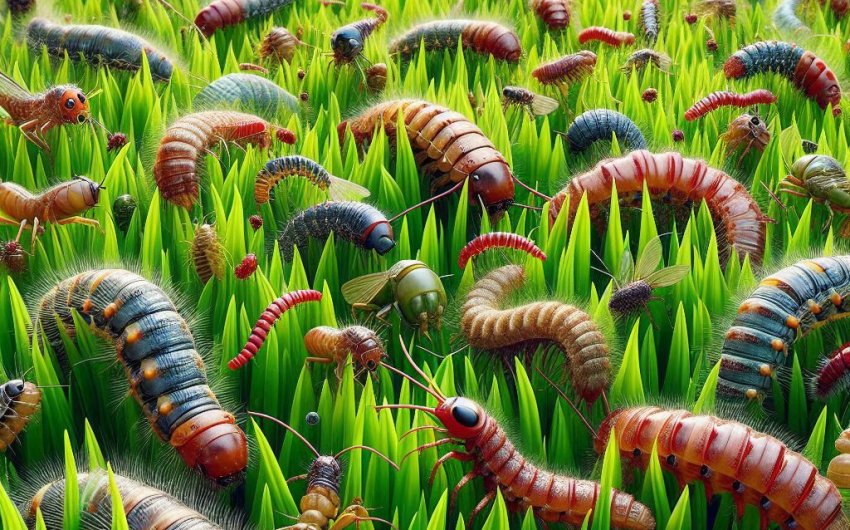
A lush, green lawn is often the pride of a homeowner, providing a beautiful space for recreation, relaxation, and curb appeal. However, maintaining that perfect turf isn't always easy. Beneath the surface, and sometimes right on top, a hidden world of tiny creatures can be quietly munching away, turning your vibrant green carpet into a patchy, brown mess. These unwelcome guests are lawn pests, and they can cause significant damage if not properly managed.
Dealing with lawn pests doesn't always require harsh chemical treatments. In fact, many gardeners are choosing more environmentally friendly, natural pest control methods that protect beneficial insects, pets, and the wider ecosystem. Understanding the common culprits and their life cycles is the first step towards effective and sustainable pest management. By learning to identify the signs of an infestation early and applying natural solutions, you can keep your lawn healthy and thriving without resorting to synthetic pesticides.
This guide will introduce you to five of the most common and damaging lawn pests, explain how to spot their presence, and, most importantly, provide actionable steps for controlling them using safe, natural methods. Get ready to reclaim your lawn and enjoy its beauty, naturally!
What is Natural Pest Control for Lawns?
Before we dig into specific pests, it’s important to understand the philosophy behind natural pest control for lawns. It's an approach that focuses on working with nature, rather than against it, to manage pest populations. This differs significantly from conventional methods that often rely on synthetic chemicals.
Why Choose Natural Pest Control?
Opting for natural pest control methods for your lawn offers a multitude of benefits, not just for your garden, but for your family, pets, and the wider environment. It's a holistic approach that prioritizes long-term health over quick fixes.
- Safety for Family and Pets: This is often the primary concern for homeowners. Synthetic chemical pesticides can be harmful if ingested, touched, or inhaled, posing risks to children and pets who play on the lawn. Natural methods, such as introducing beneficial insects, using organic deterrents, or improving soil health, are generally non-toxic and make your lawn a safer space for everyone. You won't have to worry about "wait times" after application before letting your loved ones back on the grass.
- Protection of Beneficial Insects: Not all insects are pests! Many, like ladybugs, lacewings, and various predatory beetles, are incredibly helpful because they feed on garden pests. Synthetic pesticides often kill these beneficial insects indiscriminately, disrupting the natural balance of your ecosystem. Natural pest control aims to preserve and encourage these helpful allies, allowing them to do the work of keeping pest populations in check for you.
- Environmental Stewardship: Chemical run-off from treated lawns can contaminate local waterways, harming aquatic life and broader ecosystems. Pesticides can also impact non-target wildlife, such as birds and pollinators like bees, which are vital for our environment. By choosing natural solutions, you reduce your ecological footprint and contribute to a healthier planet.
- Improved Soil Health: Many natural pest control strategies focus on building healthy soil. Techniques like composting, aeration, and using organic fertilizers enhance the soil's microbial life, improve its structure, and boost its natural disease resistance. Healthy soil, in turn, leads to stronger, more resilient grass that is inherently better equipped to fend off pests and diseases on its own.
- Long-Term Solutions: While synthetic chemicals might offer a quick knockdown of pests, they often don't address the root cause of the infestation. This can lead to a cycle of repeated applications. Natural pest control emphasizes understanding pest life cycles and creating an environment where pests are less likely to thrive in the first place. This leads to more sustainable and lasting pest management.
- Cost-Effectiveness (Over Time): While some organic products might seem pricier upfront, the long-term benefits of a healthy, resilient lawn that requires fewer chemical inputs can lead to cost savings over time. Plus, leveraging nature's own pest control agents is often free!
Choosing natural pest control is about fostering a balanced, thriving lawn ecosystem that is beautiful, safe, and environmentally responsible. It's an investment in the long-term health of your outdoor space.
What is Integrated Pest Management (IPM)?
Integrated Pest Management (IPM) is a smart and effective way to deal with pests. It's not just about spraying chemicals; it's about using different tools and ideas together to manage pests in a way that's good for people, pets, and the environment. Natural pest control methods are a big part of an IPM approach.
Here's how IPM generally works:
- Know Your Pest: The first step is always to correctly identify what pest is causing the problem. Different pests need different solutions. Knowing their life cycle and habits helps a lot.
- Understand the Damage: Figure out how much damage the pest is causing. Is it just a few bugs, or are they really hurting your lawn? Sometimes, a small number of pests can be tolerated without needing to act.
- Prevention First: The best way to deal with pests is to stop them from becoming a problem in the first place. This means keeping your lawn healthy and strong. A healthy lawn can fight off pests better. Good practices include:
- Proper Mowing: Cut your grass at the right height (usually taller helps) and don't take too much off at once.
- Right Watering: Water deeply but not too often.
- Good Fertilizing: Feed your lawn with balanced nutrients.
- Aeration and Dethatching: Help air and water get to the roots.
- Choosing the Right Grass: Pick grass types that do well in your area and resist common pests.
- Biological Controls: This means using nature to fight nature. It's about encouraging or adding beneficial insects (like ladybugs that eat aphids) or other natural enemies (like certain nematodes that attack grubs). This is a core part of natural pest control.
- Cultural Controls: These are changes you make to how you grow your lawn. For example, changing when you water, how you fertilize, or even how often you mow, can make your lawn less attractive to certain pests.
- Mechanical/Physical Controls: These are things you do directly to remove or block pests. Hand-picking bugs, using barriers, or even traps.
- Least Toxic Options Last: If the above steps aren't enough and the pest problem is really bad, IPM suggests using the least harmful pest control products first. These might be natural sprays like neem oil or insecticidal soaps before considering stronger options. The idea is to only use chemicals when absolutely necessary, and always choose the safest one.
By following an IPM approach, you create a stronger, more resilient lawn that can naturally resist pests, reducing the need for constant intervention and creating a safer, healthier outdoor space. It’s a smarter way to manage your lawn.
What Are the Top 5 Common Lawn Pests and Their Natural Controls?
Now, let's get into the specifics. Identifying the exact pest causing damage is the first and most crucial step towards effective, natural control. Here are five of the most common lawn pests and how to manage them without harsh chemicals.
1. Grubs (Larvae of Beetles)
Grubs are one of the most destructive lawn pests. These C-shaped, milky-white larvae live beneath the soil surface, munching on grass roots. They are the juvenile stage of various beetles, including Japanese beetles, chafers, and June bugs.
- How to Identify Them and Their Damage:
- Appearance: When you dig up a patch of lawn, you'll find plump, C-shaped white larvae with brown heads. They typically have six legs near their head. They range from 1/2 to 1 inch long.
- Lawn Damage: The first sign is often irregular patches of browning, dying grass that resemble drought damage, even when watered. This is because the roots are being eaten.
- Loose Turf: A key sign is that damaged turf can be easily lifted or rolled back like a carpet, as the roots holding it in place are gone.
- Animal Activity: Increased activity from skunks, raccoons, birds (especially crows), and moles, who are digging up your lawn to feast on the grubs.
- Timing: Damage is often most visible in late summer and early fall when grubs are mature and feeding heavily, and again in spring as they become active.
- Natural Control Methods:
- Beneficial Nematodes: These are microscopic, naturally occurring roundworms (different from harmful plant nematodes). They are natural predators of grubs. Apply beneficial nematodes (like Heterorhabditis bacteriophora or Steinernema carpocapsae) to your lawn in late summer to early fall when grubs are young and most vulnerable, or in spring. Water your lawn before and after application to help them penetrate the soil. They are completely safe for humans, pets, and plants.
- Milky Spore (for Japanese Beetle Grubs): Milky Spore is a naturally occurring bacterium (Paenibacillus popilliae) that specifically targets Japanese beetle grubs. Once established in the soil (which can take a few years), it provides long-term control. It's non-toxic and environmentally friendly.
- Cultural Practices:
- Healthy Lawn: A healthy, vigorous lawn can tolerate some grub activity. Maintain proper mowing heights, water deeply and infrequently, and fertilize appropriately.
- Watering Habits: Grubs prefer moist soil. If you suspect grubs, allow the lawn to dry out a bit between waterings, especially in late summer.
- Overseeding: After grub damage, overseed affected areas with resilient grass seed.
2. Chinch Bugs
Chinch bugs are tiny, black-and-white insects (about 1/8 to 1/5 inch long) that feed on grass by sucking out plant juices, leading to irregular patches of dead or dying grass. They are particularly problematic in hot, dry weather.
- How to Identify Them and Their Damage:
- Appearance: Look for small, fast-moving black bugs with white wings folded over their backs. Nymphs (young bugs) are smaller, reddish, and wingless with a white band across their backs.
- Lawn Damage: Irregular, yellowing patches that quickly turn brown, often spreading outwards. The damage looks similar to drought stress, but it won't green up after watering. It often appears first in sunny, dry areas of the lawn.
- Detection Test: A common test is the "tin can test." Cut both ends off a tin can (e.g., coffee can). Push it into the soil firmly so it seals around the grass. Fill the can with water. Chinch bugs will float to the surface within 5-10 minutes. If you see several, you likely have an infestation.
- Natural Control Methods:
- Insecticidal Soap: A mixture of soap and water can be effective against chinch bugs on contact. Use a ready-to-use insecticidal soap spray or mix 1-2 tablespoons of mild dish soap (not detergent) per gallon of water. Spray directly onto affected areas in the early morning or late evening. Reapply as needed.
- Neem Oil: Neem oil is a natural plant-based insecticide that can disrupt chinch bug feeding and reproduction. Mix according to package directions and apply to the affected areas.
- Beneficial Insects: Encourage natural predators like big-eyed bugs (they resemble chinch bugs but are predators) and ground beetles by providing a diverse garden environment.
- Cultural Practices:
- Reduce Thatch: Chinch bugs love thick thatch layers (dead grass buildup above the soil). Dethatch your lawn regularly using a dethatching rake or machine to remove excess thatch.
- Watering: Ensure your lawn is watered adequately, especially during dry spells, as drought-stressed grass is more susceptible. However, avoid overwatering, as overly wet conditions can also stress grass.
- Resistant Grass Varieties: If chinch bugs are a recurring problem, consider overseeding with grass varieties that are known to be more resistant, such as certain types of fine fescues.
3. Sod Webworms
Sod webworms are the larvae of small, tan-colored moths that flutter close to the ground, especially at dusk. The larvae are slender, grayish-green caterpillars (about 3/4 to 1 inch long) with small dark spots. They feed on grass blades, especially at night.
- How to Identify Them and Their Damage:
- Appearance: Look for the small, tan moths flying low over the lawn in a zigzag pattern, particularly in the late afternoon or evening. The larvae are usually found curled up in the thatch layer during the day.
- Lawn Damage: Patches of grass that look ragged, chewed, or scalped. The blades may look "frayed." Damage starts as small, brown spots and quickly expands into larger irregular areas.
- Silken Tunnels: You might see silken tunnels or webs in the thatch layer or near the base of the grass blades, especially in the morning.
- Detection Test: A "soap flush" test can reveal sod webworms. Mix 1-2 tablespoons of mild liquid dish soap in a gallon of water. Pour this mixture over a square foot of affected lawn. Within 5-10 minutes, the webworms (and other insects) should come to the surface.
- Natural Control Methods:
- Beneficial Nematodes: Specific types of beneficial nematodes (Steinernema carpocapsae) are effective predators of sod webworms. Apply them when larvae are actively feeding.
- Bacillus thuringiensis (Bt): Bt is a naturally occurring bacterium that is toxic to caterpillars when ingested, but harmless to humans, pets, and other animals. Use a Bt product specifically for caterpillars, like Dipel Dust or a liquid concentrate, and apply it to the affected grass blades when webworms are feeding.
- Neem Oil: Can act as a deterrent and growth regulator for webworms.
- Cultural Practices:
- Mowing: Mow your lawn at a slightly higher setting during peak webworm season.
- Watering: Avoid overwatering, as moist conditions can be appealing to some life stages of the webworm moth.
- Reduce Thatch: A thick thatch layer provides shelter for sod webworms. Regular dethatching can help.
- Encourage Birds: Birds are natural predators of sod webworms. Attract them to your yard with bird feeders and bird baths.
4. Armyworms
Armyworms are destructive caterpillars that march across lawns in large groups, devouring grass blades as they go. They are the larvae of moths and can cause significant damage in a short period. There are several types, including fall armyworms and true armyworms.
- How to Identify Them and Their Damage:
- Appearance: Caterpillars are typically green to brown with stripes running along their bodies. They can be 1 to 1.5 inches long when mature. They often have an inverted "Y" shape on their head.
- Lawn Damage: Grass blades look chewed or ragged, often stripped bare to the soil in patches. The damage spreads rapidly, resembling a "front" moving across the lawn. You might see what looks like grass clippings even if you haven't mowed.
- Frass: Look for small, dark green or black fecal pellets (frass) on the grass blades or in the thatch layer – this is a strong indicator of caterpillar activity.
- Detection: Like sod webworms, a "soap flush" test (using soapy water) can bring them to the surface.
- Natural Control Methods:
- Bacillus thuringiensis (Bt): Bt is highly effective against armyworms. Apply a Bt product (like Dipel or Thuricide) specifically for caterpillars to the grass when they are actively feeding, preferably in the evening as armyworms are nocturnal. Reapply as per product instructions, especially after rain.
- Beneficial Nematodes: Steinernema carpocapsae nematodes can help control armyworm populations, particularly the younger larvae.
- Hand-Picking (for small infestations): If the infestation is caught early and is small, you can manually pick them off the lawn and drop them into soapy water.
- Cultural Practices:
- Mowing: Mow the lawn to the recommended height to keep the grass healthy.
- Avoid Over-Fertilizing: Excessive nitrogen can lead to lush, tender growth that is particularly attractive to armyworms. Use a balanced lawn fertilizer.
- Encourage Natural Predators: Birds, beneficial wasps, and ground beetles prey on armyworms. Create a welcoming environment for them.
5. Billbugs
Billbugs are a type of weevil. Both the adults (small, black or brown beetles with a snout) and their larvae (small, legless, creamy-white grubs) can cause damage to lawns. The larvae are more damaging as they burrow into grass stems and roots.
- How to Identify Them and Their Damage:
- Appearance (Adults): Small (1/4 to 1/2 inch), black or reddish-brown beetles with a distinctive snout. You might see them walking on driveways or sidewalks in spring.
- Appearance (Larvae): Small, C-shaped, creamy-white larvae, but unlike grubs, they are legless. They are often found inside the lower stems of grass plants.
- Lawn Damage: Patches of dead, yellowing, or brown grass that look like drought stress. Damage often appears in early summer, worsening through mid-summer.
- Pull Test: Tug on the affected grass blades. If they break off easily at the crown (the base of the plant) and you see sawdust-like frass (excrement) inside the stem, it's a strong sign of billbug larvae.
- Stem Discoloration: Damaged stems might appear hollowed out or discolored from the inside.
- Natural Control Methods:
- Beneficial Nematodes: Specific species of beneficial nematodes, particularly Steinernema carpocapsae, are effective against billbug larvae. Apply in late spring or early summer when the larvae are actively feeding inside the grass stems.
- Neem Oil: Can act as a deterrent to adult billbugs and disrupt the feeding and development of larvae. Apply to the lawn according to product instructions.
- Cultural Practices:
- Resistant Grass Varieties: Some turfgrass varieties, especially certain types of fescue and perennial ryegrass that contain endophytes (beneficial fungi), are naturally resistant to billbugs. If you have recurring issues, consider overseeding with these.
- Proper Watering: Avoid overwatering, which can create conditions conducive to billbugs. Water deeply but infrequently.
- Thatch Management: While adult billbugs overwinter in thatch, heavy thatch layers can also protect the larvae. Regular dethatching can help expose them.
- Mowing Height: Maintain a slightly higher mowing height to encourage stronger, more resilient grass.
By correctly identifying these common lawn pests and applying these targeted, natural control methods, you can effectively protect your lawn while maintaining a safe and healthy environment for your family, pets, and local ecosystem.
How to Promote a Healthy, Pest-Resistant Lawn Naturally?
The best defense against lawn pests isn't a quick spray; it's a strong, healthy lawn. A vigorous lawn is naturally more resistant to pest infestations and can recover more quickly from any damage. Promoting good lawn health is the cornerstone of natural pest control and Integrated Pest Management (IPM).
What are Best Practices for Mowing and Watering?
Proper mowing and watering are fundamental cultural practices that contribute immensely to a lawn's resilience against pests and diseases. Get these right, and you're already halfway to a healthy lawn.
- Mowing Practices:
- Mow High: This is perhaps the most important mowing tip for a healthy, pest-resistant lawn. Set your mower blades to cut your grass at a height of 2.5 to 3.5 inches, depending on your grass type. Taller grass shades the soil, which helps keep the soil cooler and reduces water evaporation, leading to deeper root growth. Deeper roots mean a stronger, more drought-tolerant lawn that is better able to withstand pest damage. Short grass (scalping) stresses the lawn, making it vulnerable.
- Mow Frequently (but not too much): Aim to cut no more than one-third of the grass blade's height at any single mowing. This means you might need to mow more often during peak growing seasons (spring/early summer) to avoid cutting too much at once. Cutting too much at once shocks the plant and weakens it.
- Keep Blades Sharp: Dull mower blades tear grass blades, leaving ragged edges that are more susceptible to disease and pest entry. Sharpen your mower blades regularly or have them professionally sharpened.
- Leave Clippings (Mulch Mowing): Unless the grass is exceptionally long or you have severe disease issues, leave the grass clippings on the lawn. They break down quickly, returning valuable nutrients (especially nitrogen) to the soil. This is known as "mulch mowing" or "grasscycling" and reduces the need for synthetic fertilizers. A mulching mower is designed for this.
- Watering Practices:
- Water Deeply and Infrequently: This is crucial for encouraging deep root growth. Instead of light, daily sprinkles, water your lawn so that the water penetrates 4 to 6 inches into the soil. This typically means applying about 1 inch of water per week. You can use a rain gauge to measure the amount.
- Water Early in the Morning: The best time to water is in the early morning (before 10 AM). This gives the grass blades time to dry before nightfall, which helps prevent fungal diseases. Watering in the evening leaves the grass wet overnight, creating a perfect environment for fungi.
- Watch for Signs of Thirst: Don't water on a strict schedule. Instead, water when your lawn shows signs of needing it. These signs include: the grass blades turning a dull bluish-gray color, footprints remaining visible after walking on the lawn, or the grass blades starting to wilt or curl.
- Consider a Sprinkler System: For larger lawns, an oscillating sprinkler or a smart sprinkler controller can ensure even and consistent watering.
By implementing these mowing and watering best practices, you create a robust, healthy lawn that can naturally resist and recover from pest attacks, reducing your reliance on other interventions.
How Does Soil Health Contribute to Pest Resistance?
Healthy soil is the foundation of a healthy lawn, and a healthy lawn is your best defense against pests. Focusing on soil health nurtures the entire ecosystem beneath your grass, creating an environment where grass thrives and pests struggle.
- Rich in Organic Matter: Healthy soil is teeming with beneficial microorganisms (bacteria, fungi, protozoa) and earthworms. These organisms break down organic matter (like grass clippings, leaves, and compost), releasing nutrients that grass plants need to grow strong. Organic matter also improves soil structure, aeration, and water retention, all of which support robust root growth.
- How to improve: Regularly add organic matter to your lawn through top-dressing with compost or leaving grass clippings on the lawn (mulch mowing).
- Good Drainage and Aeration: Compacted soil prevents air and water from reaching grass roots, stressing the plants and making them vulnerable to pests and diseases. Well-aerated soil allows roots to grow deep and strong.
- How to improve: Aeration (using a lawn aerator to pull out small plugs of soil) helps alleviate compaction. Do this once a year, typically in spring or fall, for warm-season grasses and cool-season grasses, respectively.
- Balanced Nutrients: Grass needs a balanced diet of essential nutrients (nitrogen, phosphorus, potassium, and micronutrients). Healthy soil provides these nutrients in a way that plants can easily absorb. Over-fertilizing, especially with too much nitrogen, can lead to weak, lush growth that is more appealing to certain pests (like armyworms) and more susceptible to fungal diseases.
- How to improve: Conduct a soil test every few years to determine your soil's nutrient levels and pH. Use organic lawn fertilizers that release nutrients slowly, feeding the soil and the grass, rather than just the grass. Organic fertilizers also help build the microbial life in the soil.
- Thatch Management: Thatch is a layer of dead and living grass stems, roots, and organic debris that builds up between the soil surface and the green grass blades. A thin layer (less than 1/2 inch) is beneficial, but a thick layer (over 1 inch) can harbor pests (like chinch bugs and sod webworms), prevent water and air from reaching the roots, and make your lawn more susceptible to disease.
- How to improve: Dethatch your lawn if the thatch layer becomes too thick. This can be done with a dethatching rake for small areas or a mechanical dethatcher for larger lawns.
By actively managing and improving your soil health, you create a resilient ecosystem where your lawn thrives and naturally outcompetes or repels common pests, reducing the need for intervention.
Why Is Choosing the Right Grass and Overseeding Important?
Selecting the correct type of grass for your climate and conditions, and regularly overseeding, are proactive steps that significantly enhance your lawn's pest resistance and overall vigor.
- Choosing the Right Grass Type: Different grass types are suited to different climates, sun exposures, and soil conditions. Planting the wrong grass can lead to a stressed lawn that is highly susceptible to pests and diseases.
- Cool-Season Grasses: (e.g., Kentucky bluegrass, perennial ryegrass, tall fescue, fine fescue) thrive in cooler climates, staying green through spring, fall, and often mild winters.
- Warm-Season Grasses: (e.g., Bermuda grass, Zoysia grass, St. Augustine grass) thrive in warmer climates, going dormant (turning brown) in colder months.
- Pest and Disease Resistance: Within each type, there are specific cultivars (varieties) that have been bred for enhanced resistance to common local pests and diseases. Research pest-resistant grass seed varieties suitable for your region. For example, some fescues and perennial ryegrass contain beneficial endophytes that naturally deter certain insects like billbugs and chinch bugs.
- Benefits of Overseeding:
- Fills in Thin Spots: Over time, even healthy lawns can develop thin spots due to wear and tear, environmental stress, or minor pest activity. Overseeding introduces new grass plants, filling in these areas before weeds or pests can take hold.
- Increases Density: A dense lawn leaves less room for weeds to germinate and grow. It also makes it harder for some pests to establish large populations.
- Introduces Resilient Varieties: By overseeding with newer, more pest-resistant grass seed varieties, you gradually improve the overall genetic resilience of your lawn against common issues. This is a slow but effective way to build long-term pest resistance.
- Rejuvenates Lawn: Overseeding injects new life and vigor into an aging lawn, helping it stay lush and green.
- Timing is Key: The best time to overseed depends on your grass type. For cool-season grasses, late summer to early fall is ideal. For warm-season grasses, late spring to early summer is best. This allows the new seedlings enough time to establish strong root systems before extreme temperatures.
- How to Overseed: First, mow your lawn short and rake up any debris. Aerate or dethatch if needed to ensure good seed-to-soil contact. Spread the new grass seed evenly using a seed spreader. Lightly rake the seed into the top layer of soil. Keep the newly seeded areas consistently moist (but not soggy) until germination occurs, which can take 1-3 weeks.
By carefully selecting the right grass and regularly overseeding with robust varieties, you create a dense, resilient lawn that is naturally less attractive and more resistant to common lawn pests, reducing your overall need for active pest control.
How Can You Encourage Beneficial Insects?
In the world of natural pest control, beneficial insects are your unsung heroes. These insects are natural predators that feed on common lawn pests, helping to keep their populations in check without any chemical intervention. Creating a welcoming environment for them is a powerful step towards a naturally balanced lawn.
- What are Beneficial Insects?
- Ladybugs: Famous for eating aphids, but also consume scale insects and mites. You can even buy live ladybugs to release in your garden.
- Lacewings: Both adult and larval stages are voracious predators of aphids, mites, thrips, and small caterpillars.
- Ground Beetles: These nocturnal hunters patrol the soil surface, feeding on slugs, snails, caterpillars, and other ground-dwelling pests, including grubs and sod webworms.
- Predatory Mites: Target pest mites like spider mites.
- Parasitic Wasps: Tiny wasps that lay their eggs inside or on pests like caterpillars, aphids, and scale insects, eventually killing the host.
- Big-Eyed Bugs: Often mistaken for chinch bugs, these beneficial insects actually feed on chinch bug nymphs and other small pests.
- How to Attract and Keep Them:
- Reduce or Eliminate Pesticides: This is the most crucial step. Even "natural" pesticides can harm beneficial insects. By choosing truly non-toxic methods, you create a safer haven for them.
- Provide Diverse Plantings: Beyond your lawn, incorporate a variety of flowering plants into your garden beds. Many beneficial insects (like lacewings and parasitic wasps) feed on nectar and pollen from small, open flowers, especially those in the daisy and carrot families. Plant things like dill, cilantro, fennel, marigolds, cosmos, and sweet alyssum.
- Provide Shelter: Create small areas where beneficial insects can overwinter or find refuge. This could be a patch of undisturbed leaves, a rock pile, or a small brush pile in an out-of-the-way corner. Consider an "insect hotel" or bug house for solitary bees and lacewings.
- Provide Water: A shallow dish of water with pebbles for landing spots can attract beneficial insects.
- Tolerate Some Pests: A small, manageable population of "pest" insects is necessary to provide a food source for beneficial insects. If you eliminate all pests, the beneficials will have no reason to stay.
- Use Native Plants: Native plants often attract native beneficial insects that have evolved alongside them.
By consciously creating a biodiverse and welcoming environment for beneficial insects, you empower nature to control your lawn pests for you, leading to a more balanced, healthy, and self-sustaining lawn ecosystem. It's a key strategy in long-term, natural pest control.