
The Ultimate Guide to Preventing Lawn Thatch Build-Up
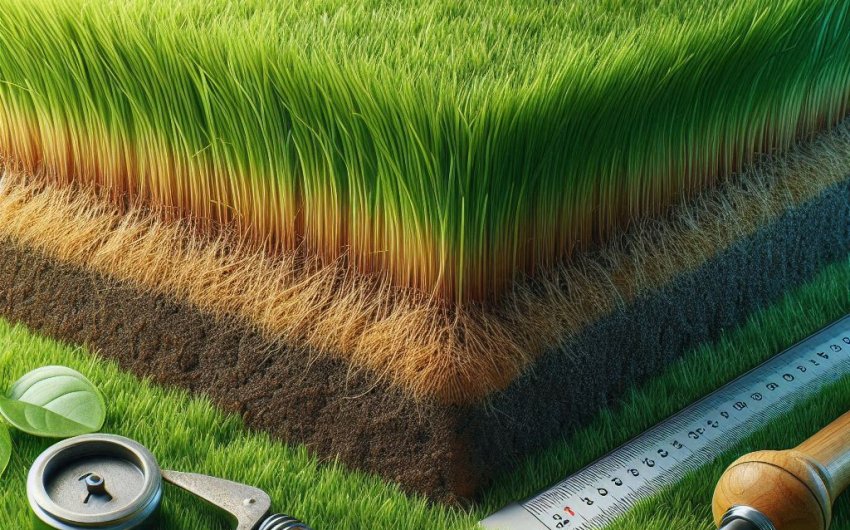
A lush, green, healthy lawn is often the pride of a homeowner, providing a beautiful space for relaxation, play, and outdoor enjoyment. But underneath that vibrant green carpet, an unseen enemy can be slowly building up, silently working to undo all your hard work: lawn thatch. If your lawn feels spongy when you walk on it, struggles to absorb water, or just doesn't look as vigorous as it once did, thatch might be the culprit. It's a layer of dead and living grass stems, roots, and other debris that accumulates between the green grass blades and the soil surface. A little bit is natural and even beneficial, but too much can suffocate your lawn and open the door to a host of problems.
Understanding what thatch is and, more importantly, how to prevent its excessive buildup is fundamental to maintaining a truly healthy and resilient lawn. It’s not just about aesthetics; it’s about the very lifeblood of your turf. From proper mowing techniques to smart watering and effective fertilization, every aspect of your lawn care routine plays a role in managing this often-overlooked issue. Let's delve into the ultimate guide to preventing lawn thatch build-up, ensuring your lawn remains the envy of the neighborhood.
What is Lawn Thatch and Why is it a Problem?
Lawn thatch is a layer of dead and living organic material that builds up between the green part of your grass and the soil surface. Think of it as a tightly woven mat of stems, roots, and other debris that accumulates over time. A very thin layer (less than ½ inch) can actually be good, acting like a natural mulch to help keep moisture in the soil and protect grass crowns. However, when the layer gets thicker, it causes big problems for your lawn.
What Makes Up Thatch?
Thatch is not just grass clippings. While grass clippings can contribute if they are very long and don't break down quickly, the main culprits are:
- Dead and living stems: The tough, woody parts of grass plants that don't easily decompose.
- Rhizomes and stolons: These are underground and above-ground stems that many grasses use to spread. When they die, they add to the thatch layer.
- Roots: Older roots that die also become part of the thatch.
The problem starts when this organic material builds up faster than soil microbes and earthworms can break it down.
Why is Too Much Thatch Bad for Your Lawn?
When the thatch layer gets too thick (more than ½ to ¾ inch), it creates several serious problems for your lawn's health:
- Blocks Water and Nutrients: A dense thatch layer acts like a sponge on top of the soil. When you water or fertilize, much of it gets trapped in the thatch and doesn't reach the grass roots below. This leads to dry, nutrient-starved grass, even if you're watering and feeding regularly.
- Promotes Shallow Roots: Because water and nutrients are held in the thatch layer, grass roots tend to grow shallowly into the thatch itself instead of deep into the soil. Shallow roots make the grass less tolerant to drought, heat, and cold, making it weaker and more prone to stress.
- Increases Disease Risk: A thick thatch layer creates a constantly damp, humid environment around the grass crowns. This is the perfect breeding ground for fungal diseases like brown patch, dollar spot, and rust, which can quickly spread and damage your lawn.
- Hides Pests: Thatch provides excellent shelter for common lawn pests like chinch bugs, grubs, and sod webworms. These pests can cause significant damage to your grass.
- Reduces Air Circulation: The dense mat of thatch reduces the flow of air to the soil and roots, leading to compacted soil and poor gas exchange, further stressing the grass.
- Hinders Overseeding: If you try to overseed your lawn, new grass seeds won't be able to reach the soil properly and sprout, leading to poor germination rates.
- Weakens Winter Hardiness: A thick thatch layer can prevent the soil from insulating grass roots properly in winter, making the lawn more susceptible to winter kill.
In short, excessive thatch prevents your lawn from getting what it needs (water, air, nutrients) and makes it more vulnerable to everything that can harm it. Preventing thatch buildup is a key part of maintaining a vibrant, resilient lawn.
What Lawn Care Practices Contribute to Thatch Buildup?
Understanding what causes thatch to accumulate is the first step in preventing it. Many common lawn care habits, while seemingly harmless or even beneficial, can inadvertently contribute to a thick, unhealthy thatch layer. It's often a case of good intentions with unintended consequences.
Common Contributors to Excessive Thatch:
- Over-fertilizing, Especially with Nitrogen:
- The Problem: Applying too much nitrogen fertilizer, or fertilizing too often, makes your grass grow very quickly and lush. While this sounds good, it means the grass produces a lot of stems and leaves at a rapid rate.
- How it Causes Thatch: This rapid growth creates more organic material (stems, roots) than the soil microbes can break down, leading to a buildup of tough, fibrous material in the thatch layer. It also often leads to shallow, weak root systems.
- Solution: Follow fertilizer package directions carefully. Use slow-release nitrogen fertilizers and choose a balanced formula. For example, a good lawn fertilizer will have an appropriate N-P-K ratio for your grass type.
- Compacted Soil:
- The Problem: When soil becomes too dense and tightly packed, there's not enough air space for roots to grow or for beneficial microbes and earthworms to thrive.
- How it Causes Thatch: These microbes and earthworms are vital for breaking down organic matter and keeping thatch in check. In compacted soil, their activity slows down significantly, allowing thatch to accumulate.
- Solution: Aeration (creating holes in the lawn) is the primary solution for compacted soil. Regular aeration opens up the soil and encourages microbial activity.
- Overwatering:
- The Problem: Watering too frequently and too lightly keeps the top layer of soil and thatch consistently wet.
- How it Causes Thatch: This dampness can create anaerobic conditions (lack of oxygen) near the surface, which suppresses the activity of those helpful microbes that need oxygen to decompose organic matter. It also encourages shallow root growth into the damp thatch layer.
- Solution: Water deeply and less frequently. This encourages roots to grow deeper into the soil, away from the thatch, and allows the surface to dry out between waterings. Use a lawn sprinkler timer to ensure consistent, deep watering.
- Using Too Many Pesticides and Herbicides:
- The Problem: While useful for killing pests and weeds, many chemical pesticides and herbicides can harm the beneficial microorganisms, fungi, and earthworms in your soil.
- How it Causes Thatch: These tiny organisms are the "clean-up crew" for your lawn, actively breaking down dead plant material. If their populations are reduced by chemicals, thatch accumulation will accelerate.
- Solution: Use pesticides and herbicides sparingly and only when necessary. Explore organic or natural pest and weed control methods where possible. Build a healthy lawn ecosystem that naturally resists pests.
- Mowing Too Short:
- The Problem: Cutting your grass blades too short stresses the grass plant. It forces the plant to produce more stems and uses up stored energy quickly.
- How it Causes Thatch: Short mowing also removes less of the blade, potentially leaving more stem tissue to accumulate. More importantly, it weakens the grass overall, making it less efficient at managing its own decomposition.
- Solution: Follow the "one-third rule" – never remove more than one-third of the grass blade's height at a time. Keep your lawn mower blades sharp.
- Certain Grass Types:
- The Problem: Some grass types naturally produce more thatch than others due to their growth habits.
- How it Causes Thatch: Creeping grasses like Bermuda grass, Zoysia grass, and Kentucky Bluegrass produce abundant rhizomes (underground stems) and stolons (above-ground stems). These tough, fibrous stems contribute significantly to thatch buildup as they die off.
- Solution: If you have these grass types, you'll need to be more proactive with thatch prevention and removal (dethatching/verticutting) than someone with a bunch-type grass like Fescue.
By avoiding or adjusting these practices, you can significantly reduce the risk of excessive thatch buildup and promote a healthier lawn.
What Are the Best Mowing Practices to Prevent Thatch?
Your lawn mower is one of your most important tools in the fight against thatch. How you mow, and how often, plays a significant role in maintaining a healthy, thatch-free lawn. Simple adjustments to your mowing routine can make a big difference.
The "One-Third Rule" for Mowing Height:
- The Rule: Never remove more than one-third of the grass blade's height in a single mowing.
- Why it Prevents Thatch:
- Reduces Stress: Cutting off too much at once stresses the grass, forcing it to use energy to recover rather than focusing on healthy root growth and decomposition.
- Leaves More Blade: Taller grass blades have more surface area for photosynthesis, leading to a stronger, healthier plant that can better manage thatch.
- Appropriate Clippings: When you follow this rule, the clippings are shorter and decompose more quickly, contributing less to thatch buildup.
- Practical Application: If you want your grass to be 3 inches tall, mow when it reaches 4.5 inches. Set your lawn mower lawn mower deck to the correct height.
- Adjust Seasonally: Grass growth rate changes with the seasons. You might need to mow more frequently in spring and fall (during peak growth) and less often in summer or winter.
Mowing Height Matters:
- Taller is Often Better: For most cool-season grasses (like Fescue or Ryegrass), a mowing height of 2.5 to 3.5 inches is generally recommended. For warm-season grasses (like Bermuda or Zoysia), it can vary from 1 to 3 inches depending on the specific type and desired look, but leaning towards the taller end within its healthy range is often beneficial.
- Why Taller Prevents Thatch:
- Deeper Roots: Taller grass promotes deeper root growth. Deeper roots mean healthier grass that's more resilient to drought and better able to outcompete weeds. Deep roots are also less likely to contribute to the thatch layer.
- Shades Soil: Taller grass blades help shade the soil, keeping it cooler and reducing water evaporation. This also encourages beneficial microbial activity.
- Improved Photosynthesis: More leaf surface means more energy production for the plant, leading to a more vigorous lawn that can handle stress and manage decomposition.
The Importance of Sharp Mower Blades:
- Clean Cut vs. Tearing: A sharp mower blade makes a clean cut, which helps the grass heal quickly. A dull blade tears the grass blades, leaving jagged ends.
- Why Sharp Blades Prevent Thatch-Related Issues:
- Reduces Stress: Tearing grass stresses the plant, making it more vulnerable to disease and less efficient at breaking down organic matter.
- Prevents Disease: Torn blades are open wounds that are more susceptible to fungal infections, which thrive in thick thatch.
- Better Appearance: A clean cut looks much better!
- Maintenance: Sharpen your mower blade at least once per season, or more often if you have a large lawn or mow frequently. You can buy a lawn mower blade sharpener or have it done professionally.
Leave the Clippings (Most of the Time):
- Myth Debunked: A common misconception is that leaving grass clippings on the lawn causes thatch. For healthy lawns, this is generally false.
- Benefits of Leaving Clippings:
- Nutrient Cycling: Grass clippings are mostly water, but they also contain valuable nitrogen and other nutrients. As they decompose, they return these nutrients to the soil, reducing your need for synthetic fertilizers.
- Feeds Microbes: Clippings provide food for the beneficial soil microbes and earthworms that break down organic matter, actually aiding in thatch decomposition.
- When to Bag Clippings:
- Excessive Growth: If you've let the grass get too long and you're cutting off more than the one-third rule allows, the excessive volume of clippings can smother the grass or contribute to thatch. In this case, bag them or mow twice.
- Disease: If your lawn has a fungal disease, bagging clippings can help prevent the spread of spores.
- Weed Seeds: If you have a lot of weeds going to seed, bagging can help prevent them from spreading further.
By adopting these smart mowing practices, you'll not only keep your lawn looking great but also actively contribute to preventing excessive thatch buildup from the ground up.
How Can Proper Watering and Fertilizing Prevent Thatch?
The way you water and fertilize your lawn has a profound impact on its overall health and, critically, its susceptibility to thatch buildup. Many homeowners unknowingly contribute to thatch problems by adopting incorrect watering and feeding habits.
Watering for Thatch Prevention:
- Water Deeply and Infrequently: This is the golden rule for healthy lawn watering.
- What it Means: Instead of light, frequent sprinkles, water long enough for the moisture to penetrate 4-6 inches deep into the soil. Then, wait until the top few inches of soil dry out before watering again.
- Why it Prevents Thatch:
- Encourages Deep Roots: Deep watering encourages grass roots to grow down into the soil, seeking moisture. This makes the lawn more drought-tolerant and less reliant on the thatch layer for water.
- Discourages Shallow Roots: Light, frequent watering keeps the thatch layer constantly moist, encouraging grass roots to stay shallow and grow into the thatch, which exacerbates the problem.
- Promotes Microbial Activity: Allowing the surface to dry out between waterings helps create aerobic (oxygen-rich) conditions that beneficial soil microbes need to decompose thatch. Constantly wet thatch can lead to anaerobic conditions where decomposition slows down.
- Best Time to Water: Early morning is ideal (between 4 AM and 10 AM). This gives the grass blades time to dry before nightfall, reducing the risk of fungal diseases (which thrive in damp conditions, especially those associated with thatch). Watering in the evening leaves the grass wet overnight, increasing disease risk.
- Check Soil Moisture: Don't guess. Use a soil moisture meter soil moisture meter or simply stick a screwdriver or long dowel into the soil. If it comes out clean and dry, it's time to water.
Fertilizing for Thatch Prevention:
- Avoid Over-fertilizing with Nitrogen:
- The Problem: Too much nitrogen promotes rapid top growth (leaf and stem production) without sufficient root growth. This leads to a lot of new organic material that accumulates faster than it can decompose.
- Solution:
- Follow Directions: Always follow the application rates recommended on your lawn fertilizer lawn fertilizer package. More is definitely not better.
- Choose Slow-Release Nitrogen: Opt for fertilizers with a significant portion of slow-release nitrogen. This feeds the grass gradually over a longer period, promoting steady, healthy growth rather than sudden spurts that create excess thatch.
- Consider Organic Fertilizers: Organic fertilizers often release nutrients slowly and improve soil health, which encourages microbial activity for thatch breakdown.
- Promote Soil Health: Healthy soil has a thriving population of microbes and earthworms.
- Organic Matter: Regularly adding organic matter (like compost) to your lawn, either through topdressing or by leaving grass clippings, feeds these beneficial organisms.
- Mycorrhizal Fungi and Bacteria: Some lawn products contain beneficial fungi and bacteria that aid in nutrient cycling and thatch decomposition. These can be applied as a soil drench.
- Don't Neglect Other Nutrients: While nitrogen is important, ensuring your lawn gets adequate phosphorus (P) for root development and potassium (K) for overall plant health and stress resistance is also vital. A balanced N-P-K ratio, tailored to your soil test results, supports a strong lawn that naturally resists thatch.
By combining smart watering with responsible fertilizing, you create a robust lawn that's inherently less prone to thatch accumulation, allowing those critical soil microbes to do their job efficiently.
How Does Aeration Help in Preventing Thatch Buildup?
Lawn aeration is one of the most effective and fundamental practices for preventing and managing thatch buildup, as well as improving overall lawn health. It's about opening up the soil to allow vital elements to reach the grass roots.
What is Lawn Aeration?
Aeration is the process of creating small holes or plugs in your lawn to relieve soil compaction. There are two main types:
- Spike Aeration: Uses solid tines to poke holes in the ground. While it helps with some air exchange, it can actually increase compaction around the edges of the holes. Less effective for serious thatch.
- Core Aeration (Plug Aeration): Uses hollow tines to remove small plugs or "cores" of soil and thatch from the lawn. This is the most recommended and effective method. You can rent a core aerator or hire a professional lawn care service.
How Aeration Prevents Thatch:
Core aeration works in several key ways to prevent and manage thatch:
- Improves Air and Water Penetration: By removing plugs of soil, aeration directly opens channels for air, water, and nutrients to penetrate deep into the root zone. This allows your watering and fertilizing efforts to be much more effective, encouraging deep, healthy root growth instead of shallow roots in the thatch.
- Increases Microbial Activity: The increased oxygen in the soil after aeration creates an ideal environment for beneficial microorganisms and earthworms. These organisms are the primary decomposers of organic matter in the soil, actively breaking down the thatch layer. When soil is compacted, these microbes are less active, and thatch builds up.
- Encourages Deep Root Growth: When roots can easily penetrate deeper into loosened, oxygenated soil, the grass becomes much stronger and more resilient. Strong, deep roots are less likely to contribute to thatch themselves.
- Breaks Down Thatch Layer: The act of pulling plugs directly breaks up the thatch layer, helping to fragment it and making it easier for microbes to access and decompose.
- Allows for Soil Amelioration: The holes created by aeration provide an excellent opportunity to topdress your lawn with a thin layer of compost or sand. This introduces more beneficial microbes and improves soil structure, further aiding thatch decomposition.
- Improves Overseeding Success: If you plan to overseed your lawn, aerating first allows the new grass seeds to fall into the holes, make direct contact with the soil, and germinate much more successfully. This fills in bare spots and promotes a denser, healthier lawn.
When to Aerate Your Lawn:
The best time to aerate depends on your grass type:
- Cool-Season Grasses (Fescue, Ryegrass, Kentucky Bluegrass): Late summer to early fall (August to October) is ideal. The grass is actively growing, allowing it to recover quickly, and weed pressure is lower. Spring (March to May) can also work, but avoid very early spring when crabgrass seeds are germinating.
- Warm-Season Grasses (Bermuda, Zoysia, St. Augustine): Late spring to early summer (May to July) is best, when these grasses are actively growing and temperatures are warm.
How Often to Aerate:
- Moderately Compacted/Thatch-Prone Lawns: Every 1-2 years.
- Severely Compacted/Thatchy Lawns: Annually for a few years until improvement is seen.
- Low-Traffic/Healthy Lawns: Every 3-4 years, or as needed.
Aeration is a proactive measure that, when done correctly and at the right time, is hugely beneficial for preventing thatch and maintaining a robust, vibrant lawn.
How Do Biological Methods Help Control Thatch?
While mechanical dethatching and good cultural practices are vital, encouraging a healthy soil ecosystem is a more natural and long-term approach to thatch management. This involves promoting the microscopic life within your soil that actively breaks down organic matter. These are the unsung heroes of thatch prevention.
The Role of Microbes and Earthworms:
- Nature's Decomposers: Thatch is primarily made up of organic material that needs to be broken down. The unsung heroes for this job are a vast army of beneficial soil microbes (bacteria, fungi, actinomycetes) and earthworms.
- Microbes: These tiny organisms secrete enzymes that break down the complex organic compounds in thatch into simpler forms. They essentially "eat" the thatch, turning it into nutrient-rich humus that benefits your grass.
- Earthworms: Earthworms consume organic matter, including thatch, as they tunnel through the soil. Their tunneling also aerates the soil, improves drainage, and leaves behind nutrient-rich castings (worm poop) that further enhance soil health.
When microbial and earthworm activity is high, thatch breaks down as quickly as it forms, preventing excessive buildup.
How to Encourage Beneficial Organisms:
- Reduce Pesticide and Herbicide Use: As mentioned before, many chemical lawn treatments can be indiscriminate, killing off not just pests and weeds but also beneficial organisms in the soil.
- Solution: Adopt integrated pest management (IPM) strategies, using chemical controls only when absolutely necessary and targeting specific issues. Explore organic or natural alternatives. A healthy, dense lawn (supported by good cultural practices) is often the best defense against pests and weeds.
- Topdressing with Compost:
- What it Is: Spreading a thin layer (about ¼ to ½ inch) of high-quality compost garden compost over your lawn.
- How it Helps: Compost is teeming with beneficial microbes and organic matter. When you topdress, you're essentially "seeding" your lawn with these decomposers and providing them with food. This significantly boosts the soil's natural ability to break down thatch.
- Application: Apply compost after aeration for best results, as it will fall into the holes, improving soil structure and microbial activity at deeper levels. Use a compost spreader for even distribution.
- Leave Grass Clippings:
- How it Helps: As discussed in the mowing section, leaving short, healthy grass clippings on the lawn provides a continuous food source for your soil microbes, keeping them active and well-fed, and helping them break down thatch.
- Use Organic Fertilizers:
- How it Helps: Organic fertilizers, like Milorganite Milorganite fertilizer or fish emulsion fish emulsion fertilizer, work by feeding the soil microbes, which then slowly release nutrients to the grass. This differs from synthetic fertilizers that directly feed the plant, often leading to rapid, unsustainable growth.
- Maintain Proper Soil pH:
- How it Helps: Soil pH affects the activity of soil microbes. Most lawn grasses and the microbes that break down thatch prefer a slightly acidic to neutral pH (around 6.0 to 7.0). If your soil pH is too high or too low, microbial activity can be inhibited.
- Solution: Get a soil test soil test kit to determine your lawn's pH. Amend with lime to raise pH or sulfur to lower it, if necessary.
- Apply Thatch Control Products (Bio-Stimulants):
- What They Are: These products contain concentrated blends of beneficial microbes and enzymes specifically designed to accelerate the decomposition of thatch.
- How They Help: They give a boost to the natural decomposition process, especially in lawns with existing thatch issues or reduced microbial activity. They are not a replacement for aeration but can be a helpful supplement. Look for products marketed as "thatch removers" or "thatch control" that list microbial ingredients.
By focusing on fostering a rich, active microbial community and encouraging earthworms, you can create a self-sustaining lawn ecosystem that naturally keeps thatch in check, leading to a healthier, more resilient turf over the long term.