
How Long Do Phalaenopsis Orchids Live?
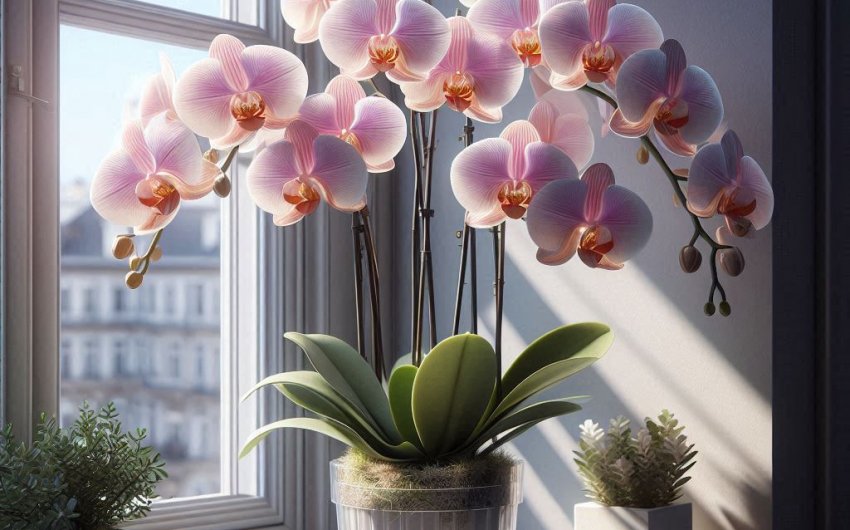
The captivating beauty of Phalaenopsis orchids, often called "moth orchids" due to their delicate, wing-like petals, makes them a favorite among houseplant enthusiasts. A common question that arises for new and experienced growers alike is, "Just how long can these stunning plants grace my home with their presence?" The good news is, with proper care and understanding, your beloved Phalaenopsis orchid can thrive and rebloom for many years, becoming a long-term member of your indoor plant collection. Their lifespan isn't a fixed number but rather a testament to consistent and appropriate horticultural practices.
How Long Do Phalaenopsis Orchids Typically Live?
The lifespan of a Phalaenopsis orchid is much longer than many people initially believe. Unlike cut flowers that last only a week or two, a healthy moth orchid is a long-term commitment, capable of bringing joy for years, even decades. Understanding their natural growth cycle and how it translates to their longevity in a home environment is key.
What is the Average Lifespan in the Wild?
In their natural habitat, primarily tropical and subtropical Asia and Australia, Phalaenopsis orchids are epiphytes, meaning they grow on other plants (like trees) for support, not as parasites. They cling to bark with their thick, aerial roots, drawing moisture and nutrients from the air, rain, and decaying organic matter. In these ideal conditions, with consistent warmth, high humidity, filtered light, and proper air circulation, a Phalaenopsis orchid can live for an impressively long time. It's difficult to put an exact number on their wild lifespan, as conditions vary, but it's not uncommon for them to persist for 20 years or more, continuously growing, blooming, and even producing new plantlets (keikis) that become independent. Their robust root systems and ability to adapt to their arboreal perches contribute to this remarkable longevity. They evolve slowly, taking years to mature and produce their first blooms, and once mature, they continue their life cycle, blooming repeatedly under favorable conditions.
What is the Average Lifespan as a Houseplant?
When brought indoors, the lifespan of a Phalaenopsis orchid depends almost entirely on the care it receives. While it might not reach the multi-decade lifespan of its wild counterparts, a well-cared-for moth orchid can easily live for 5 to 10 years or even longer in a home environment. Many enthusiasts report their Phalaenopsis orchids thriving for 15 years or more. The key factors influencing this longevity are providing conditions that mimic their natural habitat as closely as possible, even with the limitations of an indoor setting. This includes consistent watering, appropriate light, stable temperatures, adequate humidity, and regular repotting. Many people buy a Phalaenopsis orchid when it's in bloom, enjoy the flowers for a few months, and then, when the blooms fade, mistakenly think the plant is dying. In reality, this is just a natural part of its cycle. With proper post-bloom care, the plant will enter a growth phase, develop new leaves and roots, and then rebloom. The longer you provide optimal conditions, the longer your Phalaenopsis orchid will continue to cycle through these phases, bringing you years of enjoyment.
What Factors Influence a Phalaenopsis Orchid's Lifespan?
The duration your Phalaenopsis orchid thrives largely hinges on several key environmental and care factors. Each element plays a crucial role in the plant's overall health, vigor, and ability to rebloom year after year. Understanding and managing these influences is fundamental to extending your orchid's life.
How Does Light Affect Orchid Longevity?
Light is arguably one of the most critical factors for Phalaenopsis orchid health and blooming. Too much or too little light can significantly impact its lifespan.
- Ideal Light Conditions: Phalaenopsis orchids prefer bright, indirect light. Think of the light found in their native jungle understory – dappled sunlight filtered through tree canopy. An east-facing window is often ideal, providing gentle morning sun. A north-facing window can also work, but may be too dim in some regions. A south or west-facing window usually provides too much direct, intense light, especially during midday, which can scorch the leaves.
- Signs of Too Much Light: Leaves turning yellow, reddish, or developing crispy, bleached patches are indicators of too much direct sun. Scorch marks are permanent damage. Prolonged exposure to excessive light will stress the plant, weaken its immune system, and eventually lead to its decline.
- Signs of Too Little Light: If your orchid isn't producing new leaves or roots, or if it consistently fails to rebloom after several cycles, it's likely not getting enough light. Leaves may also become very dark green and floppy. Insufficient light over time will weaken the plant, making it susceptible to pests and diseases, and eventually hindering its ability to photosynthesize enough energy to survive.
- Adjusting Light: If your orchid is in a very bright window, use sheer curtains or move it back a few feet from the window. In dimmer spots, consider supplementing with a grow light, especially during darker winter months. A small LED grow light can make a significant difference.
What Role Does Watering Play in Orchid Health?
Proper watering is paramount for Phalaenopsis orchids, yet it's also the most common cause of their demise. Both overwatering and underwatering can be fatal.
- Understanding Orchid Roots: Phalaenopsis roots are unique. They are thick, fleshy, and covered in a silvery-white layer called velamen, which absorbs moisture and nutrients. When wet, velamen turns green. In between waterings, they should dry out.
- Overwatering: This is the number one killer. Too much water, especially if the pot lacks drainage or the potting medium stays soggy, suffocates the roots. Roots need air, and in waterlogged conditions, they rot. Root rot is a fungal disease that turns roots mushy and brown or black, preventing them from absorbing water and nutrients. Once significant root rot sets in, it's very difficult for the plant to recover. Signs include yellowing leaves, a wobbly plant in its pot, and a foul smell from the potting medium.
- Underwatering: While less common than overwatering, consistent underwatering can also harm your orchid. The plant becomes dehydrated, leaves may wrinkle or become leathery, and roots will shrivel and turn silvery-white permanently. While often recoverable, prolonged dehydration stresses the plant and inhibits growth and blooming.
- The "When to Water" Rule: The best way to determine when to water is to feel the weight of the pot and observe the roots. When the pot feels light and the roots visible through a clear pot turn silvery-white, it's time to water.
- How to Water: Water thoroughly until water drains from the bottom. Let it drain completely. Never let your orchid sit in standing water. For most Phalaenopsis orchids in bark mix, this might mean watering every 7-10 days, but it truly depends on your home's humidity, light, and the type of potting medium. A watering can with a long spout helps direct water flow.
How Important is Humidity for Phalaenopsis Orchids?
As tropical plants, Phalaenopsis orchids thrive in high humidity. The dry air in most homes, especially during winter with heating systems on, can be detrimental to their long-term health.
- Ideal Humidity Levels: Aim for 50-70% humidity. Most homes are much lower, especially in winter.
- Signs of Low Humidity: Shriveled or accordion-like leaves (not due to underwatering), stunted growth, and failure to produce new flower spikes can indicate low humidity. Flower buds may also blast (fail to open and turn yellow or brown) due to dry air.
- Increasing Humidity:
- Pebble Trays: Place your orchid pot on a pebble tray filled with water, ensuring the pot itself doesn't sit in the water. As the water evaporates, it increases humidity around the plant.
- Humidifier: For multiple orchids or very dry homes, a room humidifier is the most effective solution.
- Grouping Plants: Grouping plants together creates a microclimate with slightly higher humidity as plants release moisture through transpiration.
- Misting (Use with Caution): While misting provides temporary humidity, it's generally not recommended for Phalaenopsis orchids as water sitting on leaves or in the crown (where leaves meet) can lead to fungal or bacterial rot. If you do mist, ensure good air circulation and mist early in the day so leaves dry quickly.
What is the Best Temperature Range for Orchids?
Consistent and appropriate temperatures are vital for the general well-being and reblooming ability of your Phalaenopsis orchid. Extreme fluctuations or prolonged exposure to incorrect temperatures can stress the plant.
- Ideal Temperature Range: Phalaenopsis orchids prefer daytime temperatures between 65-80°F (18-27°C) and a nighttime drop of 10-15°F (6-8°C), down to 60-65°F (15-18°C). This temperature fluctuation is particularly important for initiating a new flower spike.
- Too Cold: Prolonged exposure to temperatures below 55°F (13°C) can damage the plant, leading to stunted growth, bud blast, or even death. Keep them away from cold drafts from windows or doors in winter.
- Too Hot: Temperatures consistently above 85°F (29°C) can stress the plant, reduce blooming, and make it more susceptible to pests. Ensure good air circulation if temperatures are on the warmer side.
- Blooming Induction: The cooler nighttime temperatures (60-65°F) over a period of 2-4 weeks in the fall or winter are often necessary to trigger the development of a new flower spike. If your orchid isn't reblooming, a slight temperature drop might be the missing ingredient.
Why is Repotting Essential for Longevity?
Repotting is often overlooked but is crucial for the long-term health and survival of your Phalaenopsis orchid. It's not just about giving the roots more space.
- Potting Medium Breakdown: The typical orchid potting medium (bark chips, sphagnum moss, perlite) naturally breaks down over time. As it decomposes, it retains too much moisture, restricts air circulation around the roots, and can become acidic. This leads to root rot, the primary reason for repotting.
- Root Health: Repotting allows you to inspect the roots and remove any dead or rotten ones. It also provides fresh, aerated medium that the roots need to thrive.
- When to Repot: Generally, Phalaenopsis orchids should be repotted every 1-2 years, or when the potting medium starts to decompose (looks like mud) or the roots are heavily circling the pot and growing out significantly. The best time to repot is after the flowers have faded, when the plant is in a new growth phase (producing new roots or leaves).
- Choosing the Right Pot and Medium:
- Pot: A clear orchid pot is highly recommended. It allows you to easily monitor the roots for moisture levels and overall health. Ensure it has ample drainage holes. Do not choose a pot that is too large; orchids prefer to be somewhat snug.
- Potting Medium: Use a specialized orchid potting mix that provides excellent drainage and aeration. A common choice is fir bark chips, or a blend of bark, perlite, and charcoal. Orchid bark mix is readily available. Avoid regular potting soil, which will suffocate the roots.
- How to Repot: Gently remove the orchid from its old pot. Remove all old potting medium. Trim any dead (mushy or papery) roots with sterile pruning shears. Place the orchid in the new pot, gently filling around the roots with fresh medium, ensuring air pockets remain. Do not water for a few days after repotting to allow any cut roots to heal.
Why is Fertilization Important for Robust Growth?
While orchids are not heavy feeders, providing them with appropriate fertilizer is important for sustained growth and consistent blooming.
- Nutrient Needs: Phalaenopsis orchids require a balanced supply of macro and micronutrients. In their natural habitat, they absorb these from decaying organic matter and rainwater. In a pot, you need to provide them.
- Type of Fertilizer: Use a specialized orchid fertilizer. A balanced formula like 20-20-20 or similar is often recommended. Some growers prefer a "bloom booster" formula (higher in phosphorus) to encourage flowering. Many orchid growers prefer a urea-free orchid fertilizer.
- "Weakly, Weekly" Method: It's generally better to fertilize "weakly, weekly" rather than a strong dose occasionally. Dilute your fertilizer to 1/4 or 1/2 strength and apply it every time you water, or every other time.
- Flushing: To prevent the buildup of fertilizer salts (which can burn roots), "flush" your orchid every month or so by watering thoroughly with plain water until ample water drains from the bottom.
- When to Fertilize: Fertilize actively growing plants (producing new leaves or roots). Reduce or stop fertilizing when the plant is dormant or during cooler, darker winter months. Never fertilize a dry orchid; always water first.
How Do You Encourage Reblooming for a Longer Life?
The ultimate reward of growing a Phalaenopsis orchid is seeing it rebloom. Reblooming isn't just about aesthetics; it's a strong indicator of a healthy, thriving plant that is receiving the right care. Encouraging consistent reblooming cycles directly contributes to the orchid's long-term vitality.
What Happens After the Flowers Fade?
When the last flower drops from your Phalaenopsis orchid, it's a natural part of its life cycle, not a sign of demise. This is a crucial time for the plant to recover energy and prepare for its next bloom.
- Cutting the Flower Spike: You have a few options for the spent flower spike:
- Cut it back completely: Cut the spike an inch or two above the potting medium. This encourages the plant to put all its energy into growing new leaves and roots, leading to a stronger next bloom.
- Cut above a node: On the flower spike, you'll see small, triangular bumps called "nodes." You can cut the spike about an inch above the second or third node from the bottom. Sometimes, the orchid will produce a new, smaller flower spike (lateral spike) from this node, giving you quicker, but usually fewer, blooms. This can be more taxing on the plant long-term.
- Leave it alone: Occasionally, a spike will rebloom from its tip, but this is rare and often leads to weaker blooms. It's generally best to cut it back.
- Post-Bloom Care: After blooming, continue with your regular watering and fertilizing routine. Ensure the plant receives adequate bright, indirect light. This is the period when the orchid is actively growing new leaves and roots, storing energy for its next floral display.
What Conditions Trigger a New Flower Spike?
Getting a Phalaenopsis orchid to rebloom often requires a specific set of environmental cues that mimic its natural cycle, primarily a temperature drop.
- Temperature Drop: This is often the most critical trigger. In late fall or early winter, allow your orchid to experience a noticeable difference between daytime and nighttime temperatures. Daytime temperatures should be in the range of 65-75°F (18-24°C), but nighttime temperatures should consistently drop to 58-65°F (14-18°C) for about 2-4 weeks. This cool period signals to the plant that it's time to prepare for flowering. Avoid temperatures below 55°F (13°C), which can be damaging.
- Consistent Bright, Indirect Light: As always, proper light levels are paramount. Ensure your orchid is receiving enough bright, indirect light throughout its growth cycle. Insufficient light is a common reason for failure to rebloom, even with the temperature drop.
- Reduced Nitrogen Fertilizer: As your orchid enters the period where you want to induce blooming (typically late summer to early fall), you can switch to a fertilizer with a slightly lower nitrogen content or stop fertilizing with high-nitrogen fertilizers for a few weeks. Too much nitrogen encourages leafy growth at the expense of flowers.
- Patience: Orchids operate on their own timeline. It can take several months for a new flower spike to emerge after the previous bloom has faded and the plant has entered its growth phase. Don't be discouraged if it doesn't happen immediately. Continue consistent care, and eventually, a new spike should emerge, typically from between the leaves at the base of the plant.
How to Identify and Support a New Flower Spike?
Once your Phalaenopsis orchid decides to rebloom, identifying the new flower spike and providing proper support is important for successful flowering.
- Flower Spike vs. Root: New flower spikes often emerge from between the lower leaves of the orchid. They typically have a "mitten" or rounded, blunt tip, and their growth is more uniform and upright than a new root. New roots, by contrast, are usually pointed, often have a green tip, and tend to grow downwards into the potting medium or erratically into the air. Observe closely!
- Staking the Spike: Once the new flower spike is about 4-6 inches tall, it's time to provide support. This prevents it from bending or breaking as the heavy flower buds develop. Use a small orchid stake and gently secure the spike to it with an orchid clip. Avoid tying it too tightly, which can damage the delicate spike.
- Orientation: If you want your blooms to face a specific direction (e.g., towards the room), you can gently rotate the pot once the flower buds begin to swell. However, avoid rotating the pot once the flowers start to open, as this can cause them to become misaligned.
- Continued Care: Maintain consistent watering, humidity, and light as the flower spike develops and blooms. Avoid drastic changes in environment during this period, as it can lead to bud blast (buds failing to open).
What Are Common Problems That Shorten Orchid Lifespan?
Even with the best intentions, Phalaenopsis orchids can encounter problems that, if left unaddressed, can significantly shorten their lifespan. Recognizing these issues early and taking corrective action is vital for your orchid's long-term survival.
How to Identify and Treat Root Rot?
Root rot is the most common and often fatal problem for Phalaenopsis orchids. It's usually a result of overwatering or stale, decomposed potting medium.
- Symptoms:
- Mushy, Brown, or Black Roots: Healthy roots are firm and plump and green when wet, silvery-white when dry. Rotting roots will feel soft, mushy, or stringy, and their color will be dark.
- Yellowing Leaves: Often starting from the bottom leaves, indicating the plant can't absorb water.
- Wobbly Plant: The plant might feel loose or unstable in its pot because the root system is compromised.
- Foul Odor: A decaying, musty, or sour smell coming from the potting medium.
- Treatment:
- Immediate Repotting: This is critical. Gently remove the orchid from its pot.
- Trim Affected Roots: Use sterile pruning shears to cut away all soft, mushy, or papery roots. Cut back to firm, healthy tissue. Disinfect your shears between cuts to avoid spreading disease.
- Hydrogen Peroxide Bath (Optional): Some growers dip the remaining healthy roots in a diluted solution of hydrogen peroxide (1 part 3% hydrogen peroxide to 10 parts water) for a few minutes to kill any remaining fungal spores.
- Fresh Potting Medium: Repot the orchid into fresh, dry orchid bark mix. Use a clean pot, preferably a clear orchid pot, that is sized appropriately for the remaining root mass.
- Delayed Watering: Do NOT water for 3-5 days after repotting to allow any cut roots to heal and prevent further rot. Resume watering sparingly after that, ensuring the medium dries out thoroughly between waterings.
- Increased Humidity: Provide higher humidity during recovery to help the stressed plant.
What Are Common Orchid Pests and How to Deal with Them?
While relatively hardy, Phalaenopsis orchids can occasionally fall victim to common houseplant pests. Early detection and treatment are key to preventing widespread infestations that can weaken or kill your plant.
- Mealybugs: These look like small, white, cottony masses, often found in leaf axils (where leaves meet the stem) or under leaves. They suck plant sap, leading to stunted growth and yellowing leaves.
- Treatment: Dip a cotton swab in rubbing alcohol and dab it directly on the mealybugs to kill them. For heavier infestations, use an insecticidal soap for plants or a horticultural oil spray. Repeat every 7-10 days until clear.
- Scale Insects: These appear as small, immobile bumps (brown or black) on leaves and stems. They also suck sap and excrete sticky honeydew.
- Treatment: Similar to mealybugs, manually remove them with a cotton swab dipped in alcohol or scrape them off gently. Apply insecticidal soap or horticultural oil.
- Spider Mites: These tiny arachnids are difficult to see with the naked eye, but their presence is indicated by fine webbing on the undersides of leaves and a stippled, dusty appearance on foliage. They thrive in dry conditions.
- Treatment: Increase humidity around the plant. Wipe leaves with a damp cloth. Use an insecticidal soap or neem oil spray, ensuring thorough coverage of leaf undersides.
- Fungus Gnats: Small, dark, flying insects that hover around the potting medium. They are largely harmless to mature orchids, but their larvae feed on decaying organic matter and sometimes delicate roots. They are a sign of consistently wet potting medium.
- Treatment: Allow the potting medium to dry out more thoroughly between waterings. You can use sticky traps for flying insects to catch adults.
What are Common Leaf Problems and Their Solutions?
The leaves of your Phalaenopsis orchid are excellent indicators of its health. Various leaf issues can signal underlying problems that, if not corrected, can shorten the plant's life.
- Yellowing Leaves:
- Older Bottom Leaves: A single bottom leaf turning yellow and eventually dropping off is normal, as it's part of the plant's natural shedding process.
- Multiple Yellow Leaves / New Leaves Yellowing: This is often a sign of overwatering and root rot. Check the roots immediately. It can also indicate severe underwatering or nutrient deficiency.
- Wrinkled or Leathery Leaves: This usually indicates dehydration. Either the plant is being underwatered, or it has severe root rot (cannot absorb water even if present). Check roots and adjust watering or repot if root rot is present.
- Brown or Black Spots/Patches:
- Crispy Brown Patches: Sunburn. Move the orchid to a spot with indirect light.
- Soft, Black, or Mushy Patches: Bacterial or fungal rot, often due to water sitting in the crown or on leaves for too long, or excessively high humidity with poor air circulation. Cut off affected tissue with sterile blade and apply a fungicide for plants. Improve air circulation and avoid overhead watering.
- Stunted Growth: Lack of growth (no new leaves or roots over an extended period) indicates a problem. Common culprits are insufficient light, lack of fertilizer, or root problems.
- Bud Blast (Buds Turning Yellow/Brown and Dropping): This can be caused by sudden temperature changes, drafts, very low humidity, ethylene gas (from ripening fruit nearby), underwatering, or overwatering when spikes are forming.
By diligently addressing these common challenges and consistently providing optimal care, your Phalaenopsis orchid can truly become a cherished, long-lived botanical companion, continuing to surprise and delight you with its breathtaking blooms year after year.