
Can Cactus Plants Survive in Low Light Conditions?
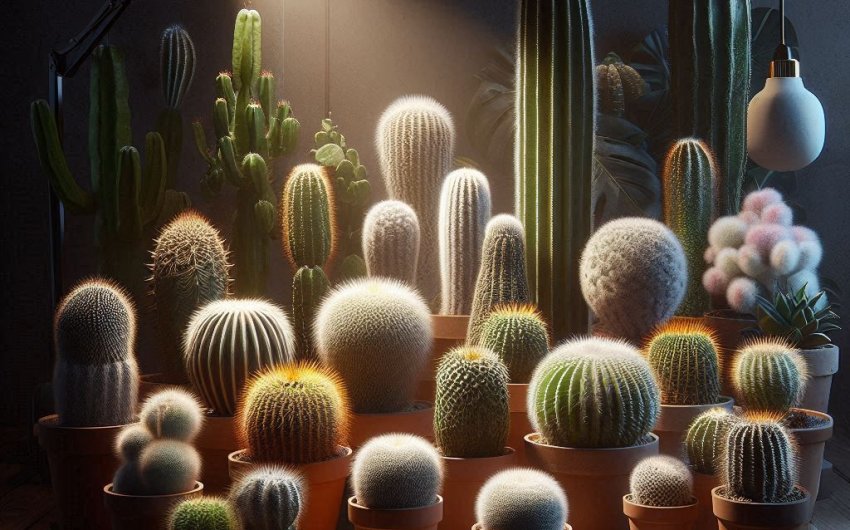
Cactus plants often bring to mind images of scorching deserts, endless sunshine, and tough, resilient greenery. It's easy to picture them thriving under a blazing sun, which leads many people to believe that they need constant, intense light to survive. If you’ve ever tried to grow a cactus indoors, you might have wondered if your living room, with its limited sunlight, is really the right place for it. Can these desert dwellers truly adapt to a less-than-sunny spot?
The truth about cactus light requirements is a bit more nuanced than you might think. While it's true that most cacti love bright light, their ability to survive, and even thrive, in different light conditions varies quite a bit depending on the type of cactus and how you care for it. Understanding these needs is key to keeping your spiky friends happy and healthy. Let's dig into the details of cactus survival in low light and discover what it truly takes for these amazing plants to flourish in your home.
Do Cactus Plants Really Need So Much Light?
When you think of a cactus, you probably imagine it baking under the desert sun. This isn't wrong for many types, but it's not the whole story. While most cactus plants absolutely prefer and do best in bright, direct sunlight, their exact needs can differ. Some cacti, in their natural homes, grow under the shade of larger plants or rocks. This means not all cacti demand the same intense light.
What is "Low Light" for a Cactus?
For most cactus plants, "low light" means a spot where they don't get several hours of direct, unfiltered sunlight each day. This could be:
- An interior room with only indirect light from a window.
- A north-facing window (in the Northern Hemisphere), which usually gets less direct sun.
- A spot far from any window.
- An area where light is blocked by curtains, buildings, or trees outside.
Even a south-facing window that's often overcast or has limited clear sky can be considered less than ideal for a sun-loving cactus.
Why Do Cacti Love Light? (It's All About Photosynthesis)
Just like all green plants, cacti need sunlight to make their own food. This process is called photosynthesis. Plants use light energy to turn carbon dioxide and water into sugars, which are their fuel for growth. Cacti are adapted to harsh, sunny environments. Many have evolved special ways to use intense light very efficiently.
- Thick, fleshy stems: These store water, but also have chlorophyll (the green stuff) for photosynthesis.
- Spines: While good for protection, spines also help shade the plant surface from too much sun and reduce water loss.
- CAM photosynthesis: Many cacti use a special type of photosynthesis called Crassulacean Acid Metabolism (CAM). This allows them to open their stomata (tiny pores) at night to take in carbon dioxide when it's cooler and less water is lost. Then, during the day, with the stomata closed, they use the stored CO2 and sunlight to make food. This process is very efficient but still requires a good amount of light.
If they don't get enough light, their ability to make food slows down, leading to various health issues.
What Happens to a Cactus in Low Light Conditions?
When a cactus doesn't get enough light, it doesn't just stop growing; it actually starts to stretch and weaken. This is a common problem for indoor cacti placed in dim spots.
Etiolation: The Stretched and Weak Look
The most common and tell-tale sign of a cactus not getting enough light is etiolation. This is when the plant stretches out in search of light. Instead of growing compact and stout, as most cacti naturally do, they become:
- Tall and thin: The stem grows rapidly upwards, becoming abnormally elongated.
- Pale or yellowish-green: The new growth often lacks the vibrant green color and can appear very pale or even yellow, as there isn't enough light to produce chlorophyll efficiently.
- Weak and flimsy: The stretched growth is often much weaker and softer than healthy tissue. It might not be able to support itself and could flop over.
- Smaller, fewer spines: The new, etiolated growth will have fewer and smaller spines compared to the older, healthy parts of the plant.
This stretching is irreversible. Once a cactus has etiolated, that stretched part will remain weak and unsightly. You might eventually have to prune it off or consider propagation.
Stunted Growth or No Growth At All
Without enough light for proper photosynthesis, a cactus simply can't produce the energy it needs to grow. Its growth will either slow down significantly, or it might stop growing altogether. While slow growth isn't always bad, a complete halt in growth (outside of a dormancy period) can be a sign of insufficient light.
Loss of Color and Vigor
The vibrant green, blue-green, or even reddish hues that many healthy cacti display will start to fade. The plant will look generally dull and lack its usual vigor. This is because light plays a crucial role in maintaining healthy plant pigments.
Increased Risk of Root Rot (Indirectly)
While low light doesn't directly cause root rot, it makes your cactus much more vulnerable. A cactus in low light uses much less water because its metabolic processes (like photosynthesis) slow down. If you continue to water it on the same schedule as if it were in bright light, the soil will stay wet for too long. This creates the perfect conditions for root rot, a fungal disease that can quickly kill a cactus.
No Flowers or Fruit
Many cacti produce beautiful and unique flowers, and some even produce edible fruit. However, flowering and fruiting require a significant amount of energy, which comes directly from light. A cactus in low light simply won't have enough energy to produce blooms or fruit. If your cactus has never flowered, or has stopped, lack of adequate light is a primary suspect.
Are There Any Cactus Types That Can Survive in Low Light?
Yes! This is where the nuance comes in. While the classic desert cactus might struggle, there's a whole group of cacti that actually prefer less direct sun. These are often called forest cacti or jungle cacti.
Forest Cacti / Jungle Cacti: The Exceptions to the Rule
Unlike their desert cousins, forest cacti grow naturally in tropical or subtropical forests. They are often epiphytic, meaning they grow on other plants (like trees) rather than in the ground. In their natural habitat, they are accustomed to dappled sunlight or partial shade, as the dense canopy of the forest filters the light.
Some popular examples of forest cacti that do well in lower light conditions (meaning bright, indirect light, not deep shade) include:
Christmas Cactus (Schlumbergera spp.)
This is probably the most famous low-light cactus. Christmas cacti are popular houseplants known for their beautiful, segmented stems and vibrant flowers that typically bloom around the holiday season. They prefer bright, indirect light and can even suffer from sunburn if exposed to too much direct sun. A spot near an east-facing window or a few feet from a south- or west-facing window is usually ideal. For a great display, you might consider a Christmas Cactus Potting Mix specifically designed for these plants.
Thanksgiving Cactus (Schlumbergera truncata)
Very similar to the Christmas cactus, the Thanksgiving cactus has slightly different stem segments (more pointed or "crab claw" shaped) and typically blooms earlier in the fall. Its care requirements are almost identical to the Christmas cactus, thriving in bright, indirect light.
Easter Cactus (Hatiora gaertneri or Rhipsalidopsis gaertneri)
Another holiday cactus, the Easter cactus has flatter, more rounded stem segments and blooms in spring. It also prefers bright, indirect light and is a good choice for those wanting a flowering cactus without intense sun.
Rhipsalis (Mistletoe Cactus)
This is a large genus of epiphytic cacti with a wide variety of forms, from trailing, pencil-like stems to flattened, ribbon-like segments. They are often grown in hanging baskets because of their cascading habit. Rhipsalis varieties generally prefer bright, indirect light to partial shade and are much more tolerant of lower light than desert cacti. A suitable hanging planter, such as a Macrame Plant Hanger, can really show off their unique growth.
Epiphyllum (Orchid Cactus)
Known for their spectacular, large, and often fragrant flowers, Epiphyllum cacti have flat, leaf-like stems. They also thrive in bright, indirect light and humidity, making them excellent choices for indoor growing in less sunny spots.
Succulents That Look Like Cacti but Aren't
It's worth noting that some succulents look like cacti but aren't actually part of the Cactaceae family. For example, some Euphorbia species, like the Pencil Cactus (Euphorbia tirucalli), have fleshy, segmented stems. While some Euphorbias can tolerate slightly lower light than true desert cacti, many still prefer bright conditions. It's always best to research the specific needs of any plant you bring home.
How Can I Help My Cactus Survive in Lower Light?
Even if you have a cactus that's a bit more tolerant of low light, you can't just stick it in a dark corner and forget about it. There are several strategies to help it not just survive but ideally thrive.
Move It to the Brightest Spot Available
This is the most obvious and impactful step. Find the sunniest window in your home.
- South-facing windows: (in the Northern Hemisphere) are generally the brightest.
- West-facing windows: provide strong afternoon sun.
- East-facing windows: offer gentler morning sun.
- North-facing windows: provide the least direct light and are usually not sufficient for most desert cacti, though some forest cacti might tolerate them.
Place your cactus as close to the window as possible without touching the glass, which can get too hot or cold.
Supplement with Grow Lights: A Sun Substitute
If you simply don't have enough natural light, grow lights are your best friend. They provide the full spectrum of light that plants need for photosynthesis.
LED Grow Lights
LED grow lights are energy-efficient and come in various sizes and strengths. For a few cacti, a simple LED Grow Light Bulb that screws into a standard lamp fixture might be enough. For a collection of plants, a more powerful Full Spectrum LED Grow Light panel might be needed. Position the light above your cactus, usually 6-12 inches away, and run it for 12-16 hours a day.
Fluorescent Grow Lights
While less common now than LEDs, fluorescent grow lights (like T5 or T8 bulbs) can also be effective, especially for supplement lighting.
Adjust Your Watering Schedule Drastically
This is critical for preventing root rot in low light. When a cactus gets less light, it uses much less water.
- Water less frequently: Allow the soil to dry out completely, and then wait even longer before watering again. For desert cacti in low light, this might mean watering only once every 3-4 weeks, or even less often in winter.
- Check soil moisture: Use a moisture meter or stick your finger about an inch or two into the soil to check for dampness before watering. Don't water if the soil feels even slightly damp. A simple Soil Moisture Meter can be very helpful.
- Water thoroughly, then drain: When you do water, water deeply until water drains from the bottom of the pot. Always ensure your pot has drainage holes and empty any excess water from the saucer. Never let your cactus sit in standing water.
Choose the Right Potting Mix
A well-draining potting mix is always important for cacti, but it's even more crucial in low light where evaporation is slower.
- Gritty mix: Use a specialized cactus and succulent potting mix that is very gritty and fast-draining. These mixes often contain sand, perlite, pumice, or small gravel.
- DIY mix: You can make your own by mixing equal parts regular potting soil, coarse sand, and perlite or pumice. A bag of Espoma Organic Cactus Mix is a good starting point.
Ensure Good Air Circulation
Good airflow helps the soil dry out faster, reducing the risk of root rot and fungal issues. Avoid placing your cactus in a stagnant corner.
Fertilize Less (or Not at All)
Cacti in low light are not actively growing much, so they don't need many nutrients. Over-fertilizing can actually harm them. If you do fertilize, use a highly diluted cactus fertilizer (e.g., (1/4) strength) only once or twice during the growing season (spring/summer) if the plant shows any signs of growth. For most low-light situations, no fertilizer might be best. A bottle of Schultz Cactus Plus Liquid Plant Food can be used, but remember to dilute it significantly.
Consider a "Dormancy" Period
During winter, when light levels are naturally lower, many cacti enter a period of dormancy. This is a natural rest period where growth slows or stops. You can encourage this by:
- Reducing water significantly: Water even less than usual, maybe once a month or even every 6-8 weeks.
- Providing cooler temperatures: If possible, move the cactus to a cooler spot (but above freezing) to signal dormancy. This helps the plant conserve energy and prevents etiolation during the darkest months.
When Should I Give Up on My Low-Light Cactus?
Sometimes, despite your best efforts, a cactus might just not be suited for your available light conditions. Knowing when to make a change is important for the plant's health.
Severe Etiolation
If your cactus is severely stretched, pale, and weak, especially new growth, it means it's really suffering. While you can move it to a brighter spot, the etiolated growth will never recover its normal shape or strength. At this point, you might consider:
- Propagating: If the etiolated top is very weak, you can cut off the healthy, compact base and try to root it in a brighter spot.
- Rehoming: If you can't provide better light, consider giving the cactus to someone who can, or finding a more suitable low-light tolerant cactus for your home.
Persistent Root Rot
If your cactus repeatedly develops root rot despite careful watering, it's a strong sign that the plant simply isn't drying out fast enough in its current light conditions. This can happen even with gritty soil if there isn't enough light to drive water usage.
No Improvement After Light Adjustment
If you've moved your cactus to the brightest possible spot and/or added grow lights, and after several weeks or months there's still no sign of healthy, compact new growth, it might be that even your "brightest" spot isn't bright enough for that particular cactus species.
Consistent Pest or Disease Issues
A weak, stressed cactus due to low light is more susceptible to pests (like mealybugs or spider mites) and diseases. If you're constantly battling these issues, lack of proper light might be the underlying stressor.
Are There Any "Fake" Low-Light Cacti?
Sometimes, you might see advice or marketing that suggests certain cacti are perfect for very dark corners. Be wary of these claims. While forest cacti are indeed more tolerant of indirect light, no cactus (or any plant that performs photosynthesis) can thrive in genuinely "low light" or deep shade. They will always need some level of brightness to produce energy.
If a label says "low light," it usually means "bright, indirect light," not a dark room. It's a common misunderstanding in houseplant care. Always prioritize finding the brightest spot you have, even for those "low-light tolerant" varieties, to ensure they remain healthy and happy.