
Can Succulents Be Grown Indoors?
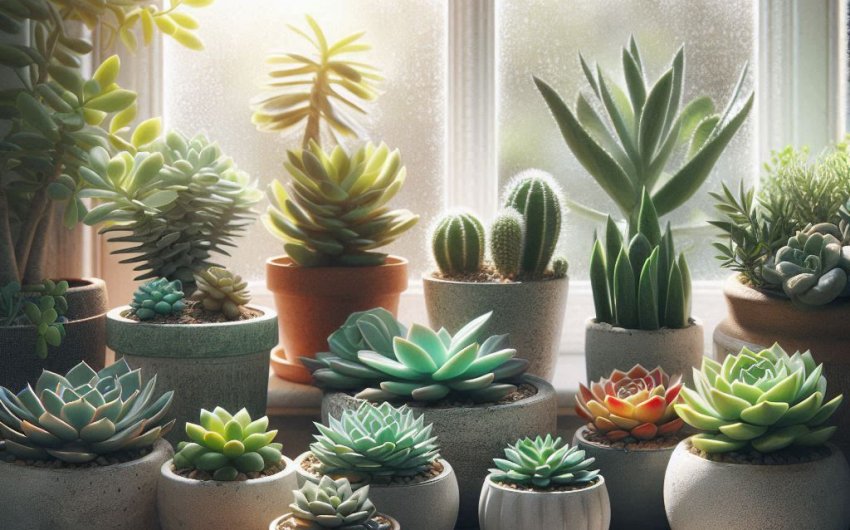
The appeal of succulents is undeniable. Their unique shapes, fascinating textures, and often vibrant colors make them truly captivating additions to any space. Often associated with arid, sunny landscapes, many people wonder if these resilient plants can truly thrive within the confines of a home. The good news is, absolutely! Succulents can be grown indoors, and they make fantastic houseplants for both seasoned plant parents and eager beginners. Their low-maintenance reputation and drought-tolerant nature make them incredibly forgiving, even for those who might occasionally forget to water.
Transforming a windowsill, a shelf, or a desk into a miniature desert oasis is simpler than you might think. While succulents are famously easy-care, understanding their basic needs – especially concerning light, water, and soil – is key to their long-term success indoors. With just a few simple adjustments to your approach, you can enjoy a stunning collection of these resilient beauties, adding a touch of natural artistry to any room. Let's explore how to create the perfect indoor environment for your succulent friends.
Can Succulents Truly Thrive Inside a Home?
The question of can succulents truly thrive inside a home is one many aspiring plant parents ask. The short answer is a resounding yes! However, "thriving" indoors for a succulent means providing conditions that mimic their natural desert or arid environments as closely as possible. It's not just about surviving; it's about giving them what they need to show off their best colors, maintain their compact shapes, and even bloom occasionally.
What Makes Indoor Succulent Care Different?
Indoor succulent care is different from outdoor care primarily because homes naturally limit the intense sunlight and airflow that succulents usually get in their native habitats. When succulents are grown outdoors, they typically receive direct sun for many hours a day, often with strong air circulation that quickly dries out their soil after rain. Indoors, we have to compensate for these differences.
The biggest challenge indoors is providing enough light. Most succulents need a lot of bright light, usually 6 hours or more of direct sunlight daily, to really thrive. South-facing windows are often the best spots in a home, as they get the most consistent light throughout the day. Without enough light, succulents can "etiolate," meaning they stretch out, become leggy, and lose their vibrant colors as they reach for light. This is a clear sign they aren't getting what they need. If natural light is limited, grow lights become an essential tool, like the SANSI Grow Light.
Watering habits also need adjustment for indoor succulents. Outdoors, rain can be heavy but is followed by quick drying. Indoors, without that strong airflow and direct sun, soil dries out much slower. Overwatering is the number one killer of succulents. They store water in their leaves and stems, so they prefer a thorough soaking only when their soil is completely dry. Less frequent, deeper watering is key. The "drench and dry" method is perfect: water until it runs out the bottom, then wait until the soil is bone dry, and often for a few extra days, before watering again.
Soil choice is another crucial difference. Regular potting soil retains too much moisture for succulents indoors. They need a well-draining soil mix that allows water to pass through quickly and prevents roots from sitting in soggy conditions, which leads to root rot. A specialized succulent and cactus mix is best, or you can amend regular potting soil with perlite, pumice, or coarse sand to improve drainage.
Finally, airflow and humidity are less critical indoors but still play a role. Outdoors, breezes help dry out soil and prevent fungal issues. Indoors, stagnant air can sometimes contribute to problems. However, most homes have relatively low humidity, which is actually good for succulents. If your home is very humid, ensure good air circulation around your plants. By understanding and adjusting for these differences, you can absolutely have thriving succulents in your indoor space.
What Are the Best Light Conditions for Indoor Succulents?
Understanding what are the best light conditions for indoor succulents is arguably the most important factor for their success. These plants are native to sunny, often desert-like environments, so replicating that brightness indoors is crucial. Without enough light, succulents will struggle, losing their compact form and vibrant colors.
How Much Sun Do Indoor Succulents Need?
Most succulents need a significant amount of sun to truly thrive indoors. They generally require at least 6 hours of bright, direct sunlight per day. Think of where they naturally grow – open, sunny landscapes with intense light. This often translates to a south-facing window in most homes, which typically receives the most consistent and direct sunlight throughout the day.
East-facing windows can also work, providing bright morning sun, which is gentler but still beneficial. West-facing windows offer intense afternoon sun, which can sometimes be too strong for certain varieties if not gradually acclimated, but it's generally good. North-facing windows usually provide insufficient light for most succulents, leading to leggy growth and pale colors.
When succulents don't get enough light, they exhibit a phenomenon called etiolation. This is their way of desperately trying to find more light. Signs of etiolation include:
- Stretching out: The plant becomes tall and elongated, with widely spaced leaves along the stem.
- Leaves pointing downwards: Instead of being compact and upward-facing, the leaves might flatten out or angle down.
- Loss of vibrant color: Many succulents develop beautiful stress colors (pinks, reds, purples) in bright light. In low light, these colors fade to pale green.
- Weak, brittle stems: The plant becomes fragile and easily breaks.
If you don't have a naturally bright spot in your home, supplemental lighting becomes essential. Grow lights are an excellent solution. Look for full-spectrum LED grow lights that mimic natural sunlight. Position them a few inches above your succulents for 12-14 hours a day. The GE Grow Light LED Bulb is a popular choice for smaller setups.
Rotate your succulents regularly (every week or two) to ensure all sides of the plant receive adequate light, promoting even growth. Even with a good window, the light will only come from one direction, so turning them helps prevent one-sided growth. Providing ample light is the single most important factor in keeping your indoor succulents compact, colorful, and healthy.
What is the Correct Watering Technique for Indoor Succulents?
The biggest mistake new succulent owners make is often related to watering. Understanding what is the correct watering technique for indoor succulents is paramount, as their adaptations for water storage make them uniquely sensitive to overwatering. Getting this right is key to preventing root rot, the most common killer of these plants.
How Do You Avoid Overwatering and Root Rot?
To avoid overwatering and root rot, you need to adopt a "drench and dry" watering method. This means you water thoroughly but infrequently. Here's how to do it:
Wait for the soil to be completely dry: This is the golden rule. Before you even think about watering, stick your finger an inch or two into the soil. If it feels moist at all, wait. For larger pots, you might even want to wait until the soil is bone dry all the way through. A good way to tell is to lift the pot before watering, feel its weight, then lift it again when you think it's dry. It will be much lighter. Some people even use a moisture meter, like the Sonkir Soil Moisture Meter, but often your finger is the best tool.
Water deeply: When it's time to water, give the plant a good soak. Pour water over the entire surface of the soil until it starts to drain out of the drainage holes at the bottom of the pot. This ensures that all the roots get access to water. Do not let the pot sit in standing water. Discard any excess water that collects in the saucer after about 15-30 minutes.
Allow for proper drainage: This is where your pot and soil choice come in. Always plant succulents in pots with drainage holes. Pots without holes are a death trap for succulents, as water will collect at the bottom, leading to root rot. Use a well-draining soil mix, preferably one specifically formulated for succulents and cacti. These mixes typically contain ingredients like perlite, pumice, or coarse sand that promote quick drainage.
Consider the season: Succulents generally need less water in their dormant season. For most succulents, this is winter. During these cooler, darker months, they are not actively growing, so they use less water. Reduce watering frequency significantly, possibly to once a month or even less, depending on your home's conditions. In their active growing season (spring and summer), they will need more frequent watering, but always adhere to the "drench and dry" rule.
Look for signs from the plant: Succulents will often tell you when they need water. Their leaves might look a little less plump or slightly wrinkled. They won't look soft or mushy (that's a sign of overwatering). When you see these subtle signs of thirst, it's usually a good time to water.
By consistently following these guidelines, you can ensure your indoor succulents receive the perfect amount of water, keeping them healthy and happy for years to come.
What is the Ideal Soil and Pot for Indoor Succulents?
Choosing the ideal soil and pot for indoor succulents is just as crucial as providing the right light and watering. The wrong combination can quickly lead to problems, even if everything else is perfect. These choices directly impact drainage and aeration, which are vital for succulent health.
Why Is Drainage So Important for Succulents?
Drainage is incredibly important for succulents because, in their natural arid environments, water drains away very quickly after rain. Their roots are not adapted to sitting in consistently wet soil. When succulent roots are exposed to standing water for too long, they essentially "drown" due to a lack of oxygen. This leads to root rot, a fungal disease that causes the roots to turn mushy and black, effectively killing the plant. Once root rot sets in, it's often very difficult to save the succulent.
To ensure excellent drainage, here’s what you need:
Pots with Drainage Holes: This is non-negotiable. Every pot you use for a succulent MUST have at least one hole at the bottom. This allows excess water to escape freely. If a decorative pot doesn't have a hole, use it as a cachepot (a decorative outer pot) and place your succulent in a smaller plastic nursery pot with drainage inside it. You can then easily remove the inner pot to drain excess water.
Specialized Succulent and Cactus Potting Mix: Regular potting soil is designed to retain moisture, which is the opposite of what succulents need. A specialized succulent and cactus mix is formulated to drain very quickly. These mixes typically contain a higher percentage of inorganic materials like:
- Perlite: Lightweight, white volcanic rock that creates air pockets in the soil.
- Pumice: Similar to perlite but heavier, providing good drainage and aeration.
- Coarse sand: Larger particles than regular play sand, which can compact too much. Horticultural sand is best.
- Small gravel or grit: Helps with drainage. You can buy a ready-made succulent potting mix like Bonsai Jack Succulent and Cactus Soil, or you can make your own by mixing regular potting soil with equal parts perlite or pumice.
Avoid Drainage Layers (e.g., rocks at the bottom): A common misconception is that adding a layer of gravel or broken pot shards at the bottom of a pot improves drainage. In reality, this often creates a perched water table, where water collects just above the gravel layer, keeping the soil soggy and making root rot more likely. It's better to simply fill the entire pot with appropriate well-draining soil mix.
Pot Material: Terracotta or unglazed ceramic pots are often preferred for succulents. Their porous nature allows moisture to evaporate through the sides of the pot, helping the soil dry out faster. Plastic or glazed ceramic pots are less breathable, meaning the soil will stay wet longer. While you can use them, you'll need to be extra cautious with your watering frequency.
By prioritizing excellent drainage through both your pot choice and soil mix, you create an environment where your succulent roots can breathe, preventing the dreaded root rot and allowing your plants to flourish.
How Do You Propagate and Repot Indoor Succulents?
One of the most exciting aspects of growing succulents indoors is how easily many of them can be propagated. Turning a single leaf or a small offset into a whole new plant is incredibly rewarding and a great way to expand your collection for free! Knowing how to propagate and repot indoor succulents also helps maintain their health and vitality as they grow.
What Are Simple Propagation Methods and Repotting Best Practices?
There are several simple propagation methods for succulents, making it a fun and accessible activity:
Leaf Propagation: This is one of the most common and magical ways to propagate many types of succulents, especially Echeverias, Sedums, and Graptopetalums.
- How-to: Gently twist or cut a healthy, plump leaf from the stem. Ensure you get a clean break, as leaving a piece of the leaf on the stem or vice versa can hinder success. Let the leaf callus (dry out and form a scab) for 2-7 days in a dry spot, out of direct sun. This prevents rot.
- Planting: Lay the callused leaves on top of a well-draining succulent soil mix. Do not bury them. Place the tray in a bright spot with indirect light.
- Watering: Lightly mist the soil every few days once you see roots forming (usually after a few weeks). Soon, tiny "pup" plants will emerge from the base of the leaf. Once the original leaf shrivels and falls off, you can gently pot up the new plant.
Stem Cuttings: This method is great for succulents that have stretched out or grown too leggy, or for those with a more upright growth habit.
- How-to: Use sharp, clean scissors or pruners to cut a piece of stem, making sure it has at least a few leaves attached. Again, allow the cutting to callus for a few days to a week.
- Planting: Insert the callused end of the stem into well-draining succulent soil. You can use a rooting hormone, like Clonex Rooting Gel, if desired, but it's often not necessary.
- Watering: Wait about a week after planting to give the roots time to form before lightly watering. Once rooted, treat as a mature succulent.
Offsets (Pups) Propagation: Many succulents, like Sempervivums (hen and chicks) or Aloes, produce small "pups" or offsets around the base of the mother plant.
- How-to: When the pup is large enough to have its own root system (or at least a few leaves), gently twist or cut it away from the mother plant.
- Planting: Plant the pup directly into a new pot with succulent soil.
- Watering: Wait a few days to a week before its first thorough watering to allow any small wounds to callus.
When it comes to repotting best practices, remember that succulents generally prefer to be a bit root-bound, so they don't need frequent repotting. Repot only when:
- The plant has outgrown its pot (roots are coming out of drainage holes, or the plant is unstable).
- The soil is old and compacted (typically every 1-2 years to refresh the soil).
- You notice signs of root rot and need to inspect the roots.
Repotting steps:
- Choose the right pot: Select a pot that is only slightly larger (about 1-2 inches wider in diameter) than the current one, and always ensure it has drainage holes. Terracotta is ideal.
- Prepare the soil: Use fresh, well-draining succulent and cactus mix.
- Remove the plant: Gently slide the succulent out of its old pot. Loosen any compacted soil around the roots. Inspect the roots for any signs of rot (mushy, black roots) and trim them off with sterile scissors if found.
- Place the plant: Add a layer of fresh soil to the new pot, position the succulent so its base is at the appropriate level, and fill around the roots with more soil, gently patting it down. Do not bury the plant deeper than it was previously.
- Wait to water: Do not water immediately after repotting. Wait at least 3-7 days. This gives any small root wounds time to heal and callus, preventing rot from occurring when you water.
By mastering these propagation and repotting techniques, you can keep your succulent collection thriving, expanding, and always looking its best.