
How Do I Increase Humidity for My Boston Fern?
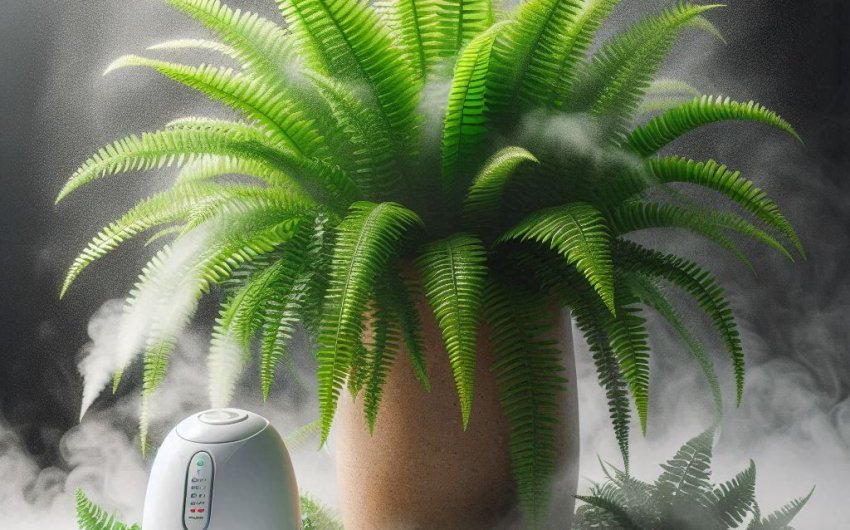
Nurturing a lush, vibrant Boston fern indoors often hinges on one crucial environmental factor: humidity. These classic houseplants are renowned for their feathery, cascading fronds, but they hail from tropical, moist environments, making them particularly sensitive to dry indoor air. Understanding how to increase humidity for your Boston fern is paramount to preventing crispy fronds and maintaining its signature verdant splendor, transforming a struggling plant into a flourishing green spectacle.
Why Do Boston Ferns Need High Humidity?
Boston ferns (Nephrolepis exaltata 'Bostoniensis') are native to tropical and subtropical regions. In their natural habitat, they thrive in consistently warm, humid air under the canopy of larger trees. Replicating these conditions indoors is key to their success.
What Happens to Boston Ferns in Dry Air?
Dry air is the nemesis of a Boston fern. Its delicate fronds quickly show signs of distress when humidity levels are too low.
What Are the Signs of Low Humidity?
Crispy, brown frond tips: This is the most common and immediate sign that your Boston fern is suffering from low humidity. The tips of the fronds turn brown and become crispy to the touch. This browning can also extend along the edges of the fronds. It's the plant's way of telling you it's losing too much moisture too quickly from its leaves.
Drooping or wilting fronds: While wilting can indicate underwatering, if the soil is adequately moist but your fronds are still drooping or wilting, it could be a sign that the air is too dry, causing the plant to lose turgor pressure.
Slowed or stunted growth: A Boston fern in low humidity will exhibit stunted growth. It won't produce new fronds vigorously, and overall development will slow down as the plant struggles to retain moisture.
AdvertisementFaded or dull green color: The normally vibrant green color of the fronds may appear faded or dull, lacking their usual luster when the plant is stressed by dry air.
Increased pest susceptibility (spider mites): Dry conditions actually favor certain common houseplant pests, particularly spider mites. These tiny pests thrive in low humidity and can quickly infest a stressed Boston fern, causing further damage (stippling, webbing). Providing proper humidity helps to deter them.
How Does Low Humidity Affect Plant Health?
Transpiration rates: Plants naturally release water vapor into the air through tiny pores on their leaves called stomata. This process is called transpiration. In low humidity, the air outside the plant is much drier than the air inside the leaves, creating a strong pull that causes the plant to lose water much faster than it can absorb it through its roots.
Cellular dehydration: When transpiration rates are too high, the plant's cells, particularly those at the tips and edges of the fronds, become dehydrated. This cellular dehydration leads to the characteristic browning and crisping of the leaf tissue.
Nutrient uptake reduction: While not a direct effect, prolonged stress from low humidity can indirectly impact the plant's overall health and its ability to absorb and utilize nutrients efficiently, leading to a weaker plant.
Overall stress: Constant moisture loss from transpiration puts the plant under immense stress. This makes it more vulnerable to diseases and pests, and it will expend more energy trying to survive rather than grow and thrive.
What Is the Ideal Humidity Range for Boston Ferns?
To keep your Boston fern happy and healthy, you need to aim for specific humidity levels.
60% to 80% humidity: The ideal humidity range for Boston ferns is generally between 60% and 80%. This is significantly higher than the average indoor humidity in most homes, especially during winter months when heating systems dry out the air. Typical indoor humidity can be as low as 20-30%.
Using a hygrometer: To accurately measure the humidity in your home, use a hygrometer. This small device measures relative humidity and is an invaluable tool for any plant parent serious about providing optimal conditions. You can find an affordable indoor hygrometer online.
How Can I Increase Humidity Around My Boston Fern?
There are several effective methods to boost the humidity levels specifically for your Boston fern, ranging from simple daily tasks to more permanent solutions.
What Are Simple Daily Methods?
These methods are easy to implement regularly and provide immediate, though temporary, humidity boosts.
How Do I Mist My Fern?
Use a fine mist sprayer: Misting involves spraying a fine cloud of water droplets onto the plant's foliage. Use a dedicated plant mister that produces a very fine mist, not large droplets.
Frequency (daily to multiple times a day): In very dry conditions, you might need to mist your Boston fern daily, or even multiple times a day. While effective, the humidity boost from misting is quite temporary as the water quickly evaporates.
Best water type (filtered/distilled): Always use filtered water, distilled water, or rainwater for misting. Tap water can leave unsightly white mineral deposits (from calcium and chlorine) on the fronds, especially on a plant as dense as a Boston fern.
Consider limitations: While misting feels good to the plant and offers a temporary boost, it's often not enough on its own to meet the high humidity demands of a Boston fern over the long term. It's best used as part of a broader strategy.
How Does Grouping Plants Help?
Creates a microclimate: When you group several plants together, especially those with high humidity needs, they collectively release moisture through transpiration. This creates a small, localized "microclimate" with higher humidity levels around the grouped plants compared to a single isolated plant.
Beneficial for multiple humidity-loving plants: If you have other humidity-loving plants (e.g., peace lilies, calatheas, other ferns), grouping them with your Boston fern can benefit all of them.
What Are More Consistent Methods?
These methods provide more sustained humidity levels for your Boston fern.
How Do I Use a Pebble Tray?
Fill saucer with pebbles and water: Place a layer of pebbles in a wide saucer or tray, then add water until the water level is just below the top of the pebbles. Place your Boston fern's pot on top of the pebbles, ensuring the bottom of the pot does not sit in the water (as this can lead to root rot).
Evaporation increases humidity: As the water in the tray evaporates, it increases the humidity directly around the plant. This creates a localized humid environment that is more consistent than misting.
Refill regularly: Remember to refill the pebble tray regularly as the water evaporates. This is a very popular and effective method. You can find pebbles for plants to use for this.
What About a Humidifier?
Most effective solution for large areas: For truly consistent and effective humidity increases, especially in dry homes or during winter, a room humidifier is the most reliable solution. It releases water vapor into the air, raising the overall ambient humidity in the room.
Placement and type: Place the humidifier near your Boston fern but not so close that the plant gets wet from the direct mist. Cool mist humidifiers are generally preferred for plants.
Monitor humidity with a hygrometer: Use your hygrometer to monitor the humidity levels and adjust the humidifier's settings to maintain the ideal 60-80% range for your fern. There are many room humidifiers for plants available.
Can I Use Terrariums or Cloches?
Creates enclosed humid environment: For smaller Boston ferns or for propagation, a terrarium or cloche can create a highly enclosed, naturally humid environment. The trapped moisture from the plant's transpiration keeps humidity levels very high.
Consider for small plants/propagation: While not practical for large, mature Boston ferns, this is an excellent option for young plants or when trying to root fern divisions. A glass cloche can also be a beautiful decorative element.
Where Is the Best Location for My Boston Fern?
Strategic placement within your home can naturally contribute to higher humidity.
What Are Ideal Room Choices?
Bathroom: The bathroom is often the most humid room in a house due to showers and baths. If you have a bathroom with adequate indirect light, it can be an excellent location for a Boston fern.
Kitchen: The kitchen, with steam from cooking, can also be a slightly more humid environment than other rooms. Place your fern away from direct heat sources like stoves or ovens.
Avoid drafts and heat sources: Keep your Boston fern away from drafty windows, air conditioning vents, or heating vents. These sources of dry, circulating air will rapidly dehydrate the plant and negate any humidity efforts.
How Do I Optimize Light and Temperature?
Bright, indirect light: Boston ferns prefer bright, indirect light. Direct sun can scorch their delicate fronds. A north-facing window is often ideal, or a few feet away from an east or west-facing window.
Consistent temperatures (65-75°F): They thrive in consistent, average room temperatures between 65-75°F (18-24°C). Avoid sudden fluctuations in temperature.
What Are Other Important Care Tips for Boston Ferns?
Beyond humidity, consistent watering, proper soil, and occasional feeding are crucial for a thriving Boston fern.
How Do I Water My Boston Fern Correctly?
Even with high humidity, incorrect soil watering can cause problems.
What Is the "Finger Test" for Soil Moisture?
Water when top inch feels dry: Boston ferns like consistently moist, but not soggy, soil. Use the "finger test" to determine when to water: stick your finger about an inch into the soil. If it feels dry, it's time to water. If it still feels damp, wait.
Water thoroughly until drainage: When you do water, water thoroughly until water drains from the bottom of the pot. This ensures the entire root ball is saturated.
Discard excess water: Always discard any excess water that collects in the saucer beneath the pot. Never let your Boston fern sit in standing water, as this will lead to root rot.
Should I Use Specific Water Types?
- Filtered, distilled, or rainwater preferred: Like with misting, Boston ferns are sensitive to the fluoride and chlorine often found in tap water, which can contribute to brown frond tips. Use filtered water, distilled water, or rainwater for watering. A watering can with a long spout can help deliver water directly to the soil.
How Do I Choose the Right Soil and Pot?
The foundation of your Boston fern's health lies in its growing medium and container.
What Kind of Potting Mix Is Best?
- Well-draining, peat-based mix: Boston ferns need a well-draining, airy potting mix that retains some moisture but allows excess water to escape freely. A peat-based potting mix with added perlite or bark for drainage is ideal. Look for a potting mix for ferns specifically.
What About Pot Size and Repotting?
Don't over-pot: Boston ferns actually prefer to be slightly root-bound. Only repot when the plant has significantly outgrown its current pot (e.g., roots are circling the pot or growing out of drainage holes).
Choose only one size larger: When repotting, select a pot that is only one size larger than the current one. Using a pot that is too large can lead to excess soil retaining too much moisture, increasing the risk of root rot.
How Do I Fertilize My Boston Fern?
Proper feeding supports lush growth without causing damage.
What Is the Right Fertilization Schedule?
Diluted liquid fertilizer during growing season: Fertilize your Boston fern sparingly, about once a month, only during its active growing season (spring and summer). Use a balanced liquid houseplant fertilizer diluted to half strength.
Avoid over-fertilizing: Boston ferns are sensitive to over-fertilization, which can lead to salt buildup in the soil and brown frond tips. It's always better to under-fertilize than over-fertilize.
Reduce/stop in winter: Do not fertilize during the fall and winter months when the plant's growth naturally slows down.
What About Pruning and Pest Control?
Maintaining the appearance and health of your fern also involves occasional maintenance.
How Do I Prune for Health and Appearance?
Remove brown/crispy fronds: Regularly prune off any brown, crispy, or damaged fronds using clean, sharp pruning shears at the base of the plant. This improves the plant's appearance and encourages new growth.
Trim yellowing/sparse growth: You can also trim any yellowing or sparse growth to maintain a tidy and attractive shape.
How Do I Handle Pests?
Watch for spider mites: As mentioned, spider mites are the most common pest problem for Boston ferns, especially in dry conditions. Look for tiny webs on the undersides of fronds and tiny moving specks.
Treatment options: If you spot spider mites, first increase humidity. Then, spray the plant thoroughly with a strong stream of water (especially the undersides of leaves) to dislodge them. For heavier infestations, use an insecticidal soap or neem oil spray, ensuring thorough coverage. You can find insecticidal soap for plants.
Providing sufficient humidity for your Boston fern is the cornerstone of its indoor care, directly translating to lush, verdant fronds and vigorous growth. By combining consistent misting, strategic pebble trays, and the judicious use of a humidifier, along with appropriate watering, soil, and light, you can easily replicate its preferred tropical environment. This dedicated approach ensures your Boston fern remains a splendid, thriving centerpiece in your home, bringing a touch of natural elegance to any space.