
What Are the Common Pests That Affect Rubber Plants?
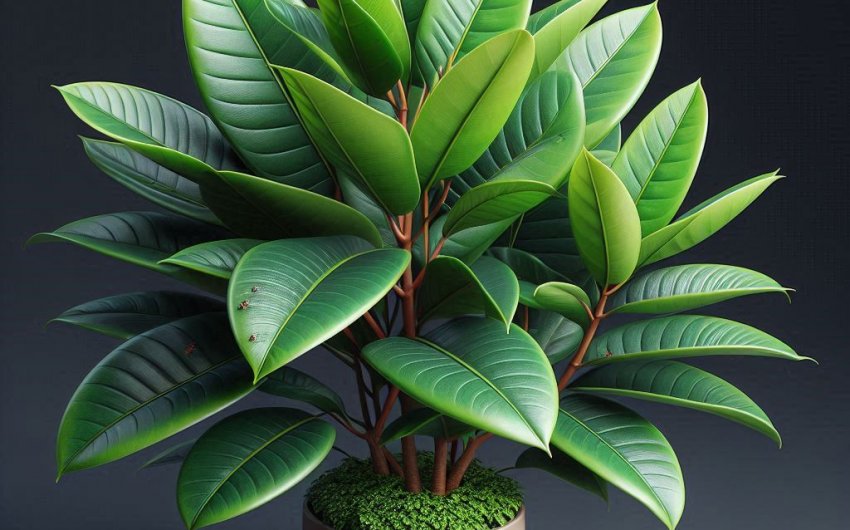
Bringing a lush rubber plant (Ficus elastica) into your home instantly adds a touch of vibrant green and architectural beauty. With their glossy, large leaves, these popular houseplants are generally low-maintenance and can grow quite tall, becoming a striking focal point. However, like most indoor plants, they aren't entirely immune to unwanted visitors. Understanding the common pests that affect rubber plants and knowing how to identify and treat them is crucial for keeping your leafy companion healthy and thriving.
What Makes Rubber Plants Susceptible to Pests?
While rubber plants are generally considered easy-care, no houseplant is truly immune to pests. Several factors can make your beautiful Ficus elastica an inviting target for tiny invaders. Understanding these vulnerabilities is the first step in prevention and effective pest management.
Environmental Stress and Indoor Conditions
One of the biggest culprits behind a rubber plant's susceptibility to pests is environmental stress. Just like humans, plants under stress become weaker and less able to fight off invaders.
- Inconsistent Watering: Both underwatering (leading to dry, brittle leaves) and overwatering (leading to root rot and a weakened plant) can stress a rubber plant. A stressed plant releases chemicals that can actually attract pests, as well as being less able to fight them off.
- Poor Lighting: Rubber plants prefer bright, indirect light. Too little light can lead to stunted growth and a general decline in health, making them more vulnerable.
- Sudden Temperature Changes: Drastic shifts in temperature, or exposure to cold drafts, can shock the plant and weaken its defenses.
- Low Humidity: While rubber plants tolerate average indoor humidity, very dry air (common in heated homes during winter) can stress them and make them more appealing to certain pests like spider mites, which thrive in dry conditions.
- Nutrient Deficiencies or Excesses: Improper fertilization can also weaken a plant. Too little can lead to slow growth, too much can "burn" the roots, both making the plant stressed.
- Lack of Air Circulation: Stagnant air allows pests to settle and multiply more easily. Good air circulation helps keep pests at bay.
These environmental stresses weaken the rubber plant's natural defenses, making it an easier target for pests to latch onto and thrive. A happy, healthy plant is always more resistant to infestations.
Introduction from New Plants or Contaminated Soil
Another common way for rubber plants to become infested is through the introduction from new plants or contaminated soil. Pests rarely materialize out of thin air; they usually hitch a ride.
- New Plant Arrivals: This is perhaps the most common way pests enter your home. When you bring home a new plant from a nursery, garden center, or even a friend, it might unknowingly be carrying pests or their eggs. These pests can then quickly spread to your other houseplants, including your rubber plant. Always inspect new plants very thoroughly before introducing them to your existing collection. Look under leaves, in crevices, and on stems.
- Contaminated Soil: Pests and their eggs can sometimes be present in potting soil, especially if it's been stored improperly outdoors or is of poor quality. While less common with reputable bagged potting mixes, it's a possibility, particularly for fungus gnats. Repurposing outdoor soil for indoor plants is also a risk. Using a high-quality indoor potting mix can minimize this risk.
- Outdoor Exposure: If you move your rubber plant outdoors for the summer, it becomes exposed to a wider range of outdoor pests. While many outdoor pests won't thrive indoors, some might hitch a ride back inside when the plant returns, particularly aphids or spider mites. Always inspect and ideally treat plants before bringing them back inside for the fall.
Being vigilant about inspecting new additions and using clean, quality supplies can greatly reduce the chances of your rubber plant falling victim to common household pests.
What Are the Most Common Pests Affecting Rubber Plants?
While rubber plants are relatively robust, they are not immune to tiny invaders. Several common houseplant pests find the lush foliage of the Ficus elastica appealing. Knowing how to identify these culprits is the first step in effective treatment and keeping your plant healthy.
Spider Mites: Tiny Weavers of Trouble
Spider mites are one of the most frustrating and common pests to find on rubber plants, especially in dry indoor environments. They are incredibly tiny, making them hard to spot until their damage becomes noticeable.
- Identification:
- Size/Appearance: They are typically less than 1 mm long, often reddish-brown or yellowish. You'll need a magnifying glass to see them clearly.
- Webbing: The most tell-tale sign is fine, delicate webbing, often found where leaves meet stems, or across the undersides of leaves. This looks similar to spider webs, but it's much finer.
- Damage: Leaves may appear stippled (tiny yellow or white dots), discolored, or dusty. Heavily infested leaves might turn yellow, bronze, or brown and eventually drop. The plant's overall vigor will decline.
- Location: Primarily found on the undersides of leaves.
- How They Harm Rubber Plants: Spider mites are sap-suckers. They pierce the plant cells and feed on the plant's juices, leading to the stippling and discoloration. A severe infestation can seriously weaken the plant and even lead to defoliation (leaf loss). They thrive in warm, dry conditions, making them common indoor pests, especially in winter when indoor air is dry.
- Signs of Infestation: Beyond the webbing, look for dusty leaves or tiny, almost imperceptible dots that move when you look closely. If you wipe the underside of a leaf with a white tissue, you might see reddish streaks from crushed mites.
- Why Rubber Plants are Susceptible: Their large, relatively smooth leaves provide a good surface for mites to feed, and the dry air often found indoors creates an ideal breeding ground for them.
Early detection of spider mites is key to preventing a widespread infestation and saving your rubber plant from significant damage.
Mealybugs: Cottony, Slow-Moving Menace
Mealybugs are another frequent and annoying pest on rubber plants. These soft-bodied insects are relatively easy to spot due to their distinctive waxy, cotton-like covering.
- Identification:
- Size/Appearance: Adult mealybugs are usually 2-4 mm long, oval-shaped, and covered in a white, cottony, waxy substance. They often look like small bits of white fluff.
- Honeydew: They excrete a sticky, clear substance called honeydew, which can make leaves feel tacky and attract sooty mold (a black, fungal growth).
- Location: They tend to cluster in protected areas, such as leaf axils (where the leaf meets the stem), along veins on the undersides of leaves, or in crevices. They often look like small cotton balls.
- Damage: Heavy infestations cause yellowing leaves, stunted growth, distorted new growth, and overall plant decline. The honeydew and subsequent sooty mold can also block light, further weakening the plant.
- How They Harm Rubber Plants: Mealybugs are also sap-suckers. They insert their mouthparts into the plant tissue and draw out vital plant juices, weakening the plant. Their waxy coating protects them from some pesticides and makes them somewhat resilient.
- Signs of Infestation: Look for the characteristic white, cottony masses. These can be tiny individual bugs or larger colonies. The presence of sticky residue (honeydew) on leaves or surfaces below the plant is a strong indicator. If you see ants crawling on your plant, they might be "farming" mealybugs for their honeydew, a sure sign of a problem.
Mealybugs are persistent, so consistent treatment is necessary to fully eradicate them from your rubber plant. You might see them appear as sticky white spots on leaves or stems, such as those you'd clean with plant cleaning wipes.
Scale Insects: Armored Sap-Suckers
Scale insects are a tricky pest on rubber plants because they often look less like insects and more like small, motionless bumps or scabs on the plant stems and leaves. They are masters of camouflage.
- Identification:
- Size/Appearance: Adult scale insects are usually 1-5 mm in diameter, round or oval, and covered by a waxy, armored shell (hard scale) or a softer, waxy coating (soft scale). Their color can vary from brown to black, tan, or even white. They are immobile once mature.
- Honeydew: Soft scale insects, like mealybugs, also produce sticky honeydew, which can lead to sooty mold. Hard scale generally produces less or no honeydew.
- Damage: Leaves may turn yellow, brown, or drop off. Stems can become stunted. Over time, the plant loses vigor. Severe infestations can kill young plants.
- Location: Typically found on stems, branches, and the undersides of leaves, often clustered along veins.
- How They Harm Rubber Plants: Scale insects are also sap-feeders. They insert their long, needle-like mouthparts into the plant and suck out sap, draining the plant of nutrients. Their protective shell makes them difficult to treat with contact insecticides.
- Signs of Infestation: Look for raised, often rounded or oval bumps that don't easily rub off. If you scrape one with your fingernail, it will typically come off, sometimes leaving a small mark. The stickiness of honeydew on the leaves or the presence of sooty mold are common indicators, especially for soft scale.
Treating scale insects on your rubber plant requires persistence, as their protective shell makes them resilient.
Fungus Gnats: Annoying but Usually Harmless to Adults
Fungus gnats are often a common nuisance with indoor plants, including rubber plants, but they are typically more of an annoyance to humans than a serious threat to mature, healthy plants.
- Identification:
- Size/Appearance: Adult fungus gnats are tiny (2-4 mm long), dark-bodied, mosquito-like flies. They often fly in small swarms around plants.
- Larvae: The larvae are translucent, shiny black-headed maggots (up to 6 mm long) that live in the soil.
- Damage: While adult gnats are harmless, the larvae feed on decaying organic matter in the soil and, occasionally, on tender root hairs, especially of seedlings or stressed plants. This usually doesn't cause significant damage to mature rubber plants, but in severe infestations or with young plants, root damage can occur, leading to stunted growth or wilting.
- Location: Adults fly around the plant, especially when disturbed. Larvae are in the top layers of the soil.
- How They Harm Rubber Plants: The primary issue is the annoyance of the adult gnats flying around your home. For the plant, significant larval feeding on roots can be detrimental, especially to young plants or those already stressed. They also signal consistently overly wet soil.
- Signs of Infestation: The most obvious sign is seeing small, dark flies buzzing around your plant, particularly when you water it or disturb the soil. You might also see tiny white trails on the surface of the soil made by the larvae.
- Why Rubber Plants are Susceptible: Overwatering is the main reason. Fungus gnats thrive in constantly moist soil, especially soil rich in decaying organic matter. If your rubber plant's soil stays wet for too long between waterings, it creates the perfect breeding ground for them.
Managing fungus gnats on your rubber plant primarily involves adjusting your watering habits and addressing soil moisture. An indoor plant sticky trap can help monitor adult populations.
How Do You Identify a Pest Infestation on Your Rubber Plant?
Early detection is your best weapon against pests affecting rubber plants. Regular inspection is crucial. Don't wait until your plant looks sick; make it a habit to check your plant closely for any signs of trouble.
Regular Visual Inspections: Leaves, Stems, and Soil
A thorough regular visual inspection of your rubber plant is the most effective way to catch pests before they become a major problem. Make this part of your routine plant care, perhaps once a week or every time you water.
- Examine All Parts of the Plant:
- Top and Undersides of Leaves: This is where many pests, especially spider mites and scale, love to hide. Pay close attention to the veins and any crevices. Look for any discoloration, stippling, stickiness, or webbing. Use a magnifying glass if you have one.
- Stems and Branches: Check along the main stem and all branches, particularly where leaves emerge. Mealybugs and scale often cluster here. Look for any bumps, cottony masses, or unusual growths.
- New Growth: Pests often target tender new leaves and stems. Inspect emerging leaves for signs of distortion, discoloration, or pests themselves.
- Soil Surface: Look for small flying insects (fungus gnats) or any signs of larvae. Check for mold or white powdery patches, which could indicate overwatering or fungal issues that attract pests.
- Look for Specific Signs:
- Discoloration: Yellowing, browning, or a bronze tint on leaves can indicate sap-sucking pests.
- Stippling: Tiny white or yellow dots, especially on the top of leaves, are a classic sign of spider mites.
- Sticky Residue (Honeydew): A shiny, sticky film on leaves or on surfaces below the plant (like the floor or windowsill) is a strong indicator of sap-sucking pests like mealybugs or soft scale. This can sometimes lead to black, sooty mold.
- Webbing: Fine, delicate webbing is the hallmark of spider mites.
- Physical Pests: You might actually see the insects themselves – tiny specks, white cottony masses, or small immobile bumps.
- Deformed Growth: Twisted or stunted new leaves can be a sign of feeding damage from certain pests.
- Wipe Test: For very small pests like spider mites, gently wipe the underside of a leaf with a white paper towel or cotton pad. If you see tiny red, brown, or yellow streaks, you likely have mites.
By being observant and consistent with these regular visual inspections, you can spot pest infestations on your rubber plant early, making them much easier to treat.
Recognizing Visible Damage Patterns
While seeing the actual pests is the most definitive identification, often the first clue is the visible damage patterns they leave behind on your rubber plant. Learning to recognize these patterns can help you pinpoint the type of pest affecting your plant.
- Stippling (Tiny Dots):
- Appearance: Very tiny, pinpoint-sized yellow, white, or silvery dots on the upper surface of the leaves. Over time, these dots can merge, making the leaf look dull, bleached, or bronzed.
- Culprit: Almost always spider mites. They pierce individual plant cells to feed, leaving behind these characteristic marks.
- Yellowing Leaves and Stunted Growth:
- Appearance: Leaves turn yellow, often starting from the edges or between veins, and may eventually turn brown and fall off. New growth might be noticeably smaller or distorted.
- Culprit: A general sign of sap-sucking pests like mealybugs and scale insects. When these pests feed, they drain the plant of nutrients and sap, leading to overall weakening and yellowing. Severe infestations can significantly stunt the plant's growth.
- Sticky Residue (Honeydew) and Sooty Mold:
- Appearance: A clear, sticky, sugary substance coating the leaves, stems, and sometimes the surfaces beneath the plant. If left untreated, this honeydew can develop a black, powdery, non-damaging fungal growth called sooty mold.
- Culprit: Mealybugs and soft scale insects are the primary producers of honeydew. This sticky substance is their sugary waste product.
- Webbing:
- Appearance: Fine, silky threads, often seen in the crotches of leaves and stems, or stretching across leaf surfaces. It can look like a very delicate spider web.
- Culprit: The definitive sign of spider mites. They use this webbing for protection and to travel across the plant.
- Visible Bumps or Cottony Masses:
- Appearance: Small, raised, immobile bumps that look like scabs on stems or leaves (scale insects). Or white, fluffy, cottony masses in leaf axils or along veins (mealybugs).
- Culprit: Directly identifies scale insects and mealybugs.
By connecting these visible damage patterns with their specific culprits, you can quickly and accurately diagnose a pest problem on your rubber plant and choose the most effective treatment.
How Do You Treat Common Pests on Your Rubber Plant?
Once you've identified the pests on your rubber plant, it's time to take action. Effective treatment often involves a combination of manual removal, natural remedies, and sometimes, organic insecticides. Patience and consistency are key to fully eradicating an infestation.
Manual Removal and Isolation Strategies
Before reaching for any sprays, manual removal and isolation are your first and often most effective lines of defense against pests affecting rubber plants.
- Isolate the Plant: As soon as you spot pests, immediately move the infested rubber plant away from all other houseplants. This prevents the pests from spreading to your entire collection. Isolation is crucial, especially for mobile pests like spider mites and fungus gnats, and for persistent ones like mealybugs and scale.
- Prune Infested Parts (If Severe): For heavily infested leaves or small branches, especially those with severe scale or mealybug colonies, consider pruning them off and disposing of them in a sealed bag in the trash. This removes a large portion of the pest population immediately. Always use clean, sharp pruning shears for houseplants and sterilize them after use.
- Wipe Down Leaves (Most Pests):
- For Spider Mites and Mealybugs: Use a damp cloth or sponge to gently wipe down both the top and undersides of all leaves. This physically removes many mites and adult mealybugs. You can add a drop of mild dish soap to the water for extra effectiveness. For mealybugs, you can also use a cotton swab dipped in rubbing alcohol to dab directly onto individual bugs or cottony masses. The alcohol dissolves their waxy coating.
- For Scale Insects: Their protective shell makes wiping more challenging. Use your fingernail or a credit card edge to gently scrape off individual scales. For more stubborn ones, a cotton swab dipped in rubbing alcohol can help loosen them. Be persistent.
- Strong Shower (For Spider Mites): Take your rubber plant to a shower or outdoors and give it a good, strong spray with water (from the hose or showerhead), focusing on the undersides of the leaves. The force of the water can dislodge many spider mites and their webbing. This is particularly effective for mites, which dislike moisture.
- Scrubbing Soil Surface (For Fungus Gnats): For fungus gnat larvae, manually scrape off the top inch or two of soil, where the larvae live, and discard it. Replace with fresh, dry potting mix.
Manual removal should be repeated every few days for at least 2-3 weeks to catch new hatchlings. This physical removal dramatically reduces the pest population before resorting to sprays.
Organic and Natural Insecticides
For persistent or widespread infestations on your rubber plant, after manual removal, consider using organic and natural insecticides. These options are generally safer for your plant, pets, and the environment compared to harsh chemical pesticides.
- Neem Oil Spray: Neem oil is a very popular and effective organic insecticide for a wide range of houseplant pests, including spider mites, mealybugs, and scale insects. It works in several ways: it smothers pests, acts as an anti-feedant (making the plant unappetizing), and disrupts their growth and reproduction cycles.
- Application: Mix pure, cold-pressed neem oil with water and a tiny bit of mild dish soap (as an emulsifier, to help the oil mix with water). Follow the product's specific dilution instructions carefully. Spray the entire plant thoroughly, ensuring full coverage of both the top and undersides of leaves, and stems.
- Frequency: Apply every 5-7 days for 2-3 weeks to break the pest life cycle.
- Caution: Apply when the plant is not in direct sun to avoid leaf burn. A good general Neem oil spray for plants is a versatile tool.
- Insecticidal Soap Spray: Insecticidal soap works by dissolving the protective outer coating of soft-bodied insects, causing them to dehydrate and die. It's effective against spider mites, mealybugs, and soft scale.
- Application: Use a commercial insecticidal soap spray for houseplants and follow the directions. Ensure thorough coverage, especially on the undersides of leaves.
- Frequency: Apply every 5-7 days for several weeks.
- Caution: Can sometimes cause slight leaf discoloration on very sensitive plants; always test a small area first.
- Rubbing Alcohol (for Mealybugs and Soft Scale): For spot treatments, cotton swabs dipped in 70% isopropyl rubbing alcohol are highly effective at dissolving the waxy coating of mealybugs and soft scale. Dab directly onto individual pests. The alcohol evaporates quickly.
- Diatomaceous Earth (for Fungus Gnats): For fungus gnat larvae in the soil, sprinkle a thin layer of food-grade diatomaceous earth (DE) on the surface of the potting mix. This microscopic powder is abrasive and dehydrates insects when they crawl through it.
- Application: Apply a thin layer to the dry soil surface. When you water, some will be carried down into the soil. Reapply after watering if needed. Make sure you use food-grade diatomaceous earth.
Always read and follow the instructions on any product you use. Persistence is key; complete eradication usually requires multiple applications over several weeks to target different life stages of the pests.
How Can You Prevent Pests on Your Rubber Plant?
Prevention is always better than cure when it comes to pests affecting rubber plants. By creating an optimal environment for your plant and adopting a few proactive habits, you can significantly reduce the likelihood of infestations and keep your Ficus elastica healthy and pest-free.
Good Plant Hygiene and Regular Inspection
Practicing good plant hygiene and conducting regular inspections are the most fundamental and effective preventative measures against pests on your rubber plant.
- Quarantine New Plants: This is arguably the most important preventative step. Before introducing any new plant (even a small one) to your existing collection, place it in a separate room or isolated area for at least 2-4 weeks. During this quarantine period, thoroughly inspect the plant daily for any signs of pests. If you spot any, treat the new plant immediately and keep it isolated until you are confident the pests are gone. This prevents an infested newcomer from contaminating your healthy rubber plant and other houseplants.
- Regular Leaf Cleaning: The glossy leaves of a rubber plant can accumulate dust, which not only dulls their appearance but can also provide a hiding place for spider mites. Regularly wipe down both the top and undersides of leaves with a damp cloth. This simple act removes dust, helps the plant photosynthesize better, and also acts as an early warning system, allowing you to spot tiny pests before they multiply. You can use a plant leaf shine and cleaner for this.
- Remove Dead or Damaged Foliage: Prune away any yellowing, brown, or otherwise unhealthy leaves promptly. These weakened or dying parts of the plant are often attractive to pests and can harbor existing pest populations. Removing them helps redirect the plant's energy to healthy growth and eliminates potential pest breeding grounds.
- Keep the Area Clean: Sweep or vacuum around your rubber plant regularly to remove fallen leaves, debris, or spilled soil. This eliminates potential hiding spots for pests and helps prevent fungus gnats from laying eggs in moist organic matter.
- Check Under Pots: Occasionally lift your plant's pot and check the saucer or the surface beneath for any pests, particularly slugs or other crawling insects if your plant spends time outdoors.
By making these practices a routine part of your plant care, you create an environment that is less appealing to pests and increase your chances of early detection, protecting your rubber plant.
Providing Optimal Growing Conditions
A happy, healthy rubber plant is naturally more resistant to pests. By providing optimal growing conditions, you bolster your plant's natural defenses, making it less susceptible to infestations in the first place.
- Right Light: Ensure your rubber plant receives bright, indirect light. Insufficient light can stress the plant and make it more vulnerable. If your plant is stretching or looking pale, it might need more light. Conversely, too much direct, harsh sun can also stress it.
- Proper Watering: Avoid both overwatering and prolonged drought. Use the "soak and dry" method: water thoroughly until water drains from the bottom, then allow the top few inches of soil to dry out completely before watering again. This prevents root rot, which weakens the plant and attracts pests like fungus gnats. A plant moisture meter can help gauge when to water.
- Well-Draining Soil: Always use a high-quality, well-draining potting mix specifically designed for houseplants. Avoid heavy, dense soils that retain too much moisture. Good drainage prevents root issues.
- Adequate Humidity: While rubber plants are somewhat tolerant, very low humidity (common in heated homes during winter) can stress them and create ideal conditions for spider mites. Consider using a pebble tray, a humidifier, or grouping plants together to raise local humidity.
- Good Air Circulation: Stagnant air can encourage pests and fungal diseases. Ensure there's gentle air movement around your plant. Avoid placing it in a cramped corner where air can't circulate. An oscillating fan can help, especially in winter.
- Appropriate Fertilization: Feed your rubber plant during its growing season (spring and summer) with a balanced liquid houseplant fertilizer, diluted to half strength. Avoid over-fertilizing, which can burn roots and stress the plant, making it more susceptible to pests. Do not fertilize during its dormant period (fall and winter).
By consistently meeting your rubber plant's needs for light, water, soil, and air, you cultivate a robust and resilient plant that is naturally better equipped to ward off the common pests that affect rubber plants, ensuring its long-term health and beauty.