
Dealing with Hard Soil in Lawns: Tips for Loosening Compacted Areas
A lush, green lawn is every homeowner's dream, but often, unseen issues beneath the surface can sabotage your efforts. One of the most common culprits is compacted soil, making your lawn struggle to breathe, drink, and eat. If you're dealing with hard soil in lawns: tips for loosening compacted areas are essential for transforming struggling turf into a vibrant, healthy carpet. This guide will explore effective strategies to alleviate compaction, allowing your grass to thrive and unlocking your lawn's full potential.
What causes hard soil in lawns?
Understanding why your soil becomes hard or compacted is the first step in addressing the problem. Several factors contribute to this common lawn issue, often stemming from everyday activities and natural soil characteristics.
What is soil compaction?
Soil compaction occurs when soil particles are pressed together, reducing the pore space between them. These pore spaces are critical for air circulation, water infiltration, and root penetration. When soil is compacted, these vital spaces collapse, making it difficult for grass roots to grow and for essential resources to reach them.
What are the main culprits of lawn compaction?
- Heavy Foot Traffic: This is perhaps the most common cause. Regular walking, playing, or driving on a lawn compresses the soil beneath. Areas like pathways, play zones, or near driveways often show the worst signs of compaction.
- Heavy Machinery: Construction equipment, even lawnmowers (especially heavy riding mowers used frequently), can significantly compact soil.
- Excessive Watering: While seemingly counterintuitive, overwatering, especially on clay soils, can contribute to compaction. When soil is constantly saturated, the water fills all the pore spaces, and as it dries, the soil can become denser.
- Clay Soil: Soils with a high clay content are naturally prone to compaction. Clay particles are very small and can pack together tightly, leaving little room for air and water.
- Poor Soil Structure: A lack of organic matter in the soil can lead to poor structure. Organic matter helps bind soil particles into stable aggregates, creating crumbly, well-aerated soil. Without it, the soil is more likely to compact.
- Improper Tilling: While tilling is meant to loosen soil, tilling wet soil or tilling too frequently can destroy soil structure, leading to future compaction issues, particularly in vegetable gardens. For established lawns, tilling isn't a solution.
- Excessive Thatch: A thick layer of thatch (dead organic matter between grass blades and soil surface) can prevent water and nutrients from reaching the soil, indirectly contributing to compaction issues by stressing the underlying soil.
How can I tell if my lawn soil is compacted?
Before you start dealing with hard soil in lawns, you need to confirm compaction is the issue.
- The Screwdriver Test: Try pushing a screwdriver into your lawn. If it's difficult to push in more than a few inches, your soil is likely compacted.
- Water Runoff: If water pools on the surface or runs off quickly rather than soaking in, it's a sign that water can't penetrate the soil due to compaction.
- Stunted Grass Growth: Patches of grass that are thin, discolored, or growing poorly despite adequate watering and fertilization often indicate compacted soil.
- Weed Presence: Weeds like plantain or prostrate knotweed often thrive in compacted soil where turf grass struggles. Their presence can be an indicator.
- Hardness to Touch: The soil just feels hard and solid when you walk on it or try to dig.
What are the best mechanical methods for loosening compacted soil?
Once you've confirmed you're dealing with hard soil in lawns, mechanical methods are the most direct and effective ways to break up compaction and restore healthy soil structure.
How does core aeration help with compacted lawns?
Core aeration is the gold standard for relieving soil compaction. It involves removing small plugs of soil from your lawn, creating channels for air, water, and nutrients to penetrate.
- Preparation: Mow your lawn to its normal height. Mark any sprinkler heads or buried lines to avoid damage.
- Watering: Water your lawn deeply a day or two before aerating. The soil should be moist, but not soggy, for the aerator to pull plugs easily.
- Aerator Type:
- Core Aerators: These machines pull out small cylindrical plugs of soil (cores). You can rent a lawn aerator machine from a local tool rental store.
- Spike Aerators: These just push holes into the ground without removing soil. They offer less benefit for true compaction and can sometimes even increase compaction around the holes. Core aerators are highly recommended over spike aerators for hard soil.
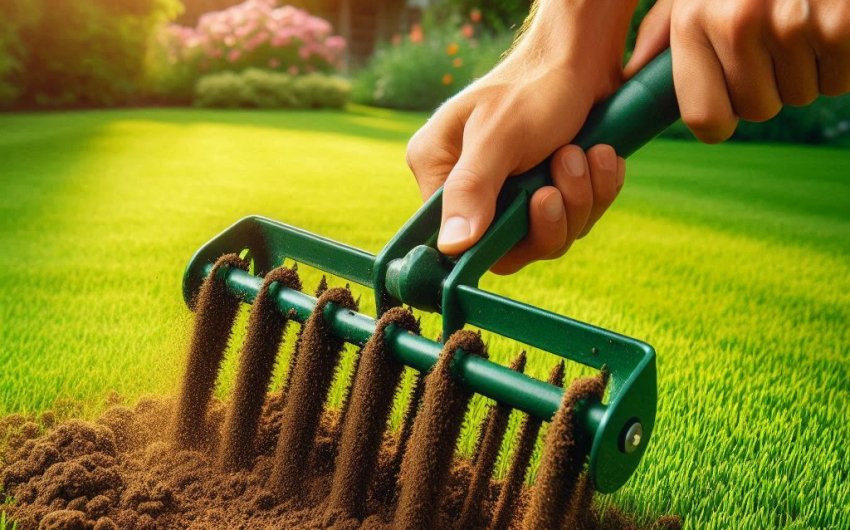
- Manual Aerators: For very small areas or spot treatment, a manual core aerator tool can be used.
- Application: Walk the aerator across your lawn in a consistent pattern, making sure to cover the entire area. For heavily compacted areas, you might make two passes in perpendicular directions.
- Leave Plugs: Leave the soil plugs on the lawn. They will break down and return nutrients to the soil.
- Watering after aeration: Water your lawn thoroughly after aerating to help nutrients penetrate.
- Follow-up (Optional but Recommended): Immediately after aeration is the ideal time to overseed and fertilize, as the grass seed and nutrients can easily fall into the newly created holes.
When is the best time to aerate a lawn?
The best time to aerate is during your lawn's active growing season, when the grass can quickly recover and fill in the holes.
- Cool-season grasses (e.g., fescue, bluegrass, rye): Early fall is ideal (late August to October), as cooler temperatures and moist conditions are favorable for growth. Spring (April to May) is also acceptable.
- Warm-season grasses (e.g., Bermuda, Zoysia, St. Augustine): Late spring to early summer is best (May to July).
Avoid aerating when your lawn is dormant or under extreme stress (e.g., severe drought).
What is dethatching and how does it relate to compaction?
While not directly for soil compaction, dethatching addresses a related issue that can contribute to overall lawn health problems, including conditions that worsen compaction.
- What is thatch: Thatch is a layer of dead and living organic matter (stems, roots) that accumulates between the soil surface and the green grass blades. A thin layer (less than ½ inch) is beneficial, but excessive thatch (over 1 inch) can become problematic.
- Problems with thick thatch:
- Water and nutrient barrier: Prevents water, air, and nutrients from reaching the soil and grass roots.
- Harbors pests and diseases: Creates a moist, protected environment for insect pests and fungal diseases.
- Shallow roots: Grass roots tend to grow into the thatch layer instead of the soil, making them less drought-tolerant and more susceptible to stress.
- Dethatching methods:
- Dethatching Rake: For smaller lawns, a manual dethatching rake is effective.
- Power Dethatcher: For larger lawns, renting a power dethatcher machine is more efficient.
- When to dethatch: Similar to aeration, dethatch during your lawn's active growing season, allowing it to recover quickly (early fall or spring for cool-season, late spring/early summer for warm-season).
Can I use organic methods to loosen hard soil?
Absolutely! Incorporating organic matter and promoting healthy soil biology are long-term, sustainable ways to address hard soil in lawns and improve overall soil structure.
How does adding organic matter help break up compaction?
Adding organic matter is perhaps the most fundamental way to improve soil structure and prevent compaction over time.
- Mechanism: As organic matter (like compost, shredded leaves, or grass clippings) decomposes, it creates a crumbly, porous soil structure. It acts like a "glue" that binds small soil particles together into larger aggregates, increasing air and water flow.
- Methods of Application:
- Topdressing with Compost: Spread a thin layer (¼ to ½ inch) of high-quality compost for lawns over your lawn annually or bi-annually. This is especially effective after aeration.
- Mulching Mower: Use a mulching lawn mower to finely chop grass clippings and return them to the lawn. These decompose and add organic matter.
- Leave Fall Leaves: Instead of raking all leaves, finely shred them with your mower and leave them on the lawn. They will decompose.
What are liquid soil aerators or soil conditioners?
Liquid soil aerators or liquid soil conditioners are products designed to improve soil structure using various ingredients, often humic acids, fulvic acids, or wetting agents.
- Mechanism: They don't physically remove soil plugs like core aerators. Instead, they work to improve the soil's ability to absorb water (wetting agents) or to help aggregate soil particles and improve nutrient availability (humic/fulvic acids). Some claim to "loosen" clay particles.
- Effectiveness: While they can offer some benefits, especially for water penetration, they are generally not a substitute for mechanical core aeration for severe compaction. They are best used as a supplement to aeration and organic matter incorporation.
- Application: Applied with a garden sprayer for lawns and watered in.
How do earthworms help with hard soil?
Earthworms are nature's tiny aerators! They tunnel through the soil, creating channels that allow air and water to penetrate. Their castings (excrement) also add valuable organic matter and nutrients, improving soil structure.
- Encouraging earthworms:
- Increase organic matter: Provide them with food by topdressing with compost and leaving grass clippings.
- Avoid synthetic pesticides: Many pesticides can harm earthworms.
- Maintain proper soil moisture: They prefer moist, but not waterlogged, conditions.
What long-term cultural practices prevent soil compaction?
Once you've managed the immediate problem of hard soil in lawns, adopting proper lawn care practices is crucial to prevent compaction from returning.
What is the correct mowing height for a healthy lawn?
Mowing at the right height is one of the simplest yet most overlooked ways to promote a healthy, resilient lawn and prevent compaction.
- Tall grass, deep roots: Mowing grass at a height of 2.5 to 3 inches (6-7.5 cm) or higher (depending on grass type) encourages deeper root growth. Deeper roots naturally help break up and prevent compaction.
- Shades soil: Taller grass blades shade the soil, keeping it cooler and helping to retain moisture, which is beneficial for microbial activity that improves soil structure.
- Reduces stress: Mowing too short stresses the grass, making it less robust and more susceptible to compaction and other issues.
How does proper watering affect soil compaction?
- Deep and infrequent watering: Water your lawn deeply (to a depth of 4-6 inches) but infrequently. This encourages grass roots to grow deep into the soil, naturally breaking up compaction. It also allows the soil to dry slightly between waterings, which helps maintain soil structure.
- Avoid shallow, frequent watering: This keeps the top few inches of soil constantly wet, which can contribute to surface compaction and encourages shallow root growth, making the lawn more vulnerable.
- Morning watering: Water early in the morning to allow the grass blades to dry before nightfall, reducing the risk of fungal diseases.
Why is balanced fertilization important for preventing hard soil?
A properly nourished lawn is a dense, vigorous lawn, which naturally resists compaction.
- Strong root systems: Balanced fertilization provides the nutrients grass needs to develop strong, deep root systems that help keep the soil open.
- Dense turf: A thick, healthy turf acts as a protective layer, cushioning the soil from foot traffic and preventing compaction.
- Soil test: Get a soil test kit for lawns to understand your lawn's specific nutrient needs.
- Organic fertilizers: Consider using organic lawn fertilizers which often release nutrients slowly and contribute to long-term soil health by feeding beneficial microbes.
What is the role of traffic management in preventing compaction?
- Reduce traffic: Wherever possible, limit excessive foot or vehicle traffic on your lawn, especially when the soil is wet.
- Designated pathways: Consider creating permanent pathways or stepping stones in high-traffic areas to direct foot traffic away from the grass.
- Alternate routes: If kids play in one area frequently, encourage them to shift their play spots occasionally.
When should I consider professional help for hard soil?
While many homeowners can effectively tackle hard soil in lawns with DIY methods, sometimes the problem is extensive or particularly stubborn, warranting professional assistance.
What are signs that I might need professional help?
- Severe, widespread compaction: If your entire lawn is severely compacted and DIY aeration is too physically demanding or ineffective.
- Persistent issues: If you've tried all the recommended DIY methods (aeration, organic matter, proper care) for several seasons and still see limited improvement.
- Underlying drainage problems: If your lawn consistently has standing water or severe drainage issues that compaction alone can't explain.
- Unusual soil type: If you suspect you have a unique or challenging soil type (e.g., extremely heavy clay, subsoil exposed from construction) that requires specialized knowledge.
- Lack of equipment: If you don't have access to the necessary equipment (like a core aerator) or prefer not to manage it yourself.
What can a professional lawn care service offer?
Professional lawn care companies have the expertise and equipment to handle severe compaction.
- Heavy-duty aerators: They often use commercial-grade aerators that are more efficient and can penetrate deeper than consumer-grade machines.
- Soil analysis: They can perform professional soil analysis for lawns to identify specific deficiencies or issues.
- Expert advice: They can provide tailored recommendations for your specific soil type and lawn conditions.
- Comprehensive plan: They can integrate aeration with other services like overseeding, fertilization, and soil amendments.
- Liquid aeration treatments: Some professionals offer more powerful liquid aeration treatments than those available to consumers.
Investing in your lawn's soil health is one of the best ways to ensure its long-term beauty and resilience. By actively dealing with hard soil in lawns: tips for loosening compacted areas become your roadmap to success, transforming stressed, struggling grass into a vibrant, thriving green space that enhances your home's curb appeal and provides a healthy environment for outdoor enjoyment.