
How to Prevent and Treat Leaf Spot in Your Lawn?
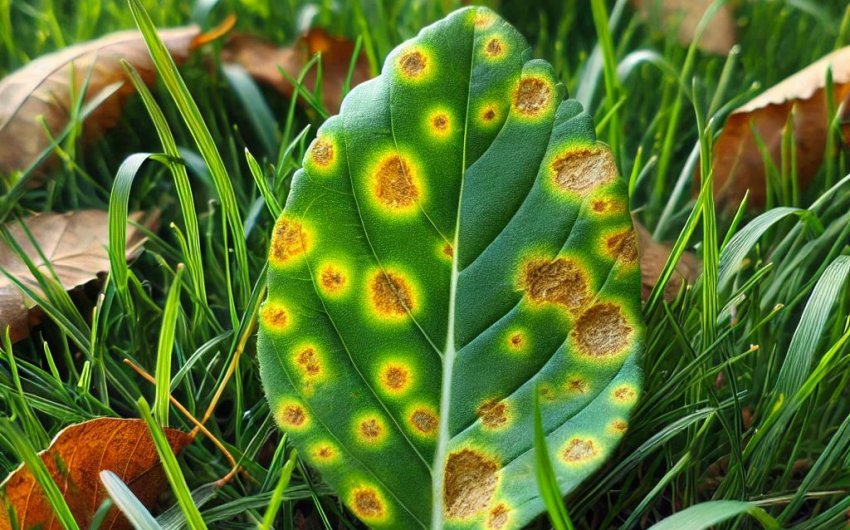
Seeing unsightly brown or purple spots marring the vibrant green of your grass can be frustrating for any homeowner. Learning how to prevent and treat leaf spot in your lawn is crucial for maintaining a healthy and attractive turf. This common fungal disease, caused by various pathogens, can quickly spread if left unaddressed, turning lush areas into patchy, discolored eyesores. Understanding the conditions that favor its development and implementing effective cultural practices are the first steps toward a resilient, spot-free lawn.
What exactly is leaf spot and what causes it?
Leaf spot is a broad term that refers to several common fungal diseases affecting turfgrass, leading to discolored spots on the blades of grass. While different fungi can cause leaf spot, they often share similar symptoms and thrive under similar environmental conditions. Understanding what causes these diseases is the first step in both prevention and treatment.
What are the symptoms of leaf spot?
The appearance of leaf spot can vary slightly depending on the specific fungal pathogen and the type of grass, but common symptoms include:
- Small, oval-shaped spots: These spots usually appear first on individual grass blades.
- Color changes: The spots typically start as dark green, water-soaked lesions, then turn purple, brown, or black, often with a darker border. The center of the spot may eventually lighten to a tan or straw color.
- Foliar Blight: As the disease progresses, these spots can enlarge and merge, causing entire grass blades to shrivel and die back from the tip, leading to what's known as a "foliar blight."
- Patchy Areas: In severe cases, large, irregular patches of the lawn can turn yellow, then brown, appearing thin or dead, sometimes resembling drought stress.
It's important to distinguish leaf spot from other lawn problems like dollar spot or brown patch, though good cultural practices often help with all of them.
What causes leaf spot diseases?
Leaf spot diseases are caused by various fungal pathogens, the most common of which belong to the genera Bipolaris (formerly Helminthosporium) and Drechslera. These fungi are naturally present in most soils and on grass plants. However, they only become a problem when the right environmental conditions allow them to multiply rapidly and infect the grass.
The "disease triangle" illustrates the three elements required for a fungal disease to develop:
- Susceptible Host: Your lawn grass. Some grass types are more prone to leaf spot than others.
- Presence of Pathogen: The leaf spot fungi are already in the environment.
- Favorable Environment: This is the most critical factor we can control.
Key environmental conditions that favor leaf spot development include:
- Prolonged Leaf Wetness: This is perhaps the most significant factor. Fungal spores need moisture to germinate and infect grass blades. Long periods of dew, frequent light rain, or improper irrigation that keeps grass blades wet for 6-12 hours or more are prime conditions.
- Moderate Temperatures: Leaf spot diseases typically thrive in a wide range of temperatures, often between 50°F and 85°F (10°C to 29°C), with some variations depending on the specific fungus. They are most active in spring and fall but can persist into summer.
- Nutrient Imbalance (especially too much nitrogen): Over-fertilizing with nitrogen, especially in relation to potassium, can lead to lush, succulent growth that is more susceptible to infection.
- Compacted Soil: Poorly aerated soil stresses grass roots, making the plants weaker and more vulnerable.
- Poor Air Circulation: Dense shade, overgrown shrubs, or excessive thatch can trap humidity and reduce airflow, keeping grass wet longer.
- Improper Mowing: Mowing too short (scalping), mowing with dull blades, or mowing when the grass is wet can stress the grass and create open wounds for fungal entry.
- Drought Stress (in some cases): While often associated with wet conditions, prolonged drought can also weaken grass, making it more susceptible to certain types of leaf spot.
By understanding these causal factors, homeowners can implement preventative measures to reduce the risk of leaf spot outbreaks in their lawn.
How can I prevent leaf spot in my lawn through proper lawn care?
Preventing leaf spot is always easier and more effective than treating an existing outbreak. Implementing proper lawn care practices that promote strong, healthy turf and minimize the conditions fungi love is the best defense. This proactive approach focuses on creating an environment where grass can thrive and resist disease.
1. Water Correctly
- Deep and Infrequent Watering: This is paramount. Instead of light, frequent sprinklings that only wet the surface and encourage shallow roots (and fungal growth), water deeply enough to moisten the soil to a depth of 4-6 inches. Then, allow the top layer of soil to dry out before watering again. This encourages deeper root growth, making the grass more drought-tolerant and less susceptible to surface fungi.
- Water in the Morning: The absolute best time to water is in the early morning (before 10 AM). This allows the grass blades to dry completely before nightfall. Watering in the evening keeps the grass wet overnight, creating a perfect breeding ground for fungal spores.
- Avoid Excess Water: Don't overwater. Too much moisture suffocates roots and stresses the grass. Use a rain gauge to monitor rainfall and adjust your irrigation schedule accordingly.
2. Mow Properly
- Mow at the Correct Height: Most lawn grasses prefer to be mowed at a height of 2.5 to 3.5 inches. Taller grass blades promote deeper root growth, shade the soil (reducing weed germination), and help the grass withstand stress. Mowing too short (scalping) stresses the grass and makes it more vulnerable to diseases.
- Mow with Sharp Blades: Dull mower blades tear the grass, leaving ragged wounds that are entry points for fungal pathogens. Sharpen your lawn mower blades at least once per season, or more frequently if you have a large lawn.
- Avoid Mowing Wet Grass: Mowing wet grass can spread disease spores, clog your mower, and result in an uneven cut. Wait until the grass is dry.
- Don't Remove Too Much: Follow the "one-third rule": never remove more than one-third of the grass blade's height at a single mowing.
3. Fertilize Wisely
- Balanced Nutrition: Apply a balanced fertilizer that provides the right ratio of nitrogen (N), phosphorus (P), and potassium (K). Too much nitrogen, especially in spring, can lead to excessive succulent growth that is more susceptible to leaf spot. Potassium helps strengthen cell walls and improve disease resistance.
- Soil Test: Consider getting a soil test kit every few years. This will tell you exactly what nutrients your soil needs and in what amounts, preventing over-application.
- Slow-Release Fertilizers: Opt for slow-release granular fertilizers that provide a steady supply of nutrients over time, rather than sudden surges of growth from quick-release products.
4. Manage Thatch and Compacted Soil
- Dethatch: An excessive layer of thatch (a layer of dead and living organic matter that accumulates between the soil surface and the green blades of grass) can trap moisture and harbor fungal spores. If your thatch layer is thicker than 0.5 inches, consider dethatching in late spring or early fall. You can use a dethatching rake for small areas or rent a power dethatcher for larger lawns.
- Aeration: Soil compaction restricts root growth, limits water penetration, and reduces oxygen availability, all of which stress the grass. Aerating your lawn (creating small holes in the soil) improves air circulation, water absorption, and nutrient uptake. Do this in late spring or early fall when the grass is actively growing. You can use a manual aerator for small areas or rent a core aerator for larger lawns.
5. Improve Air Circulation and Sunlight
- Prune Overhanging Branches: Trim trees and shrubs that cast dense shade over your lawn, especially if they block morning sun needed to dry the grass. This improves light penetration and air circulation.
- Thin Dense Plantings: If your lawn is bordered by very dense garden beds or shrubs, consider thinning them out to allow for better airflow.
By consistently applying these preventative cultural practices, you'll build a strong, resilient lawn that is naturally more resistant to leaf spot and other common turf diseases. This approach is key to achieving a consistently healthy and attractive lawn.
When should I consider treating leaf spot with fungicides?
While cultural practices are the cornerstone of leaf spot prevention, there are times when a fungicide application becomes necessary to treat an active outbreak. This is particularly true for severe infestations, when the disease is spreading rapidly, or when you have a history of recurring problems. However, fungicides should be used judiciously, as part of an integrated disease management strategy, not as a standalone solution.
When is fungicide application justified?
Consider applying a fungicide for leaf spot in the following situations:
- Severe Outbreak: When cultural practices (like correcting watering or mowing) aren't enough, and the disease is rapidly spreading, causing significant browning and thinning of your lawn. This means more than just a few isolated spots, but rather widespread discoloration and death of grass blades.
- Recurring Problems: If your lawn consistently suffers from severe leaf spot year after year, especially in specific susceptible areas. A preventative fungicide application in early spring or fall (depending on the fungus) might be warranted to break the disease cycle.
- High-Value Turf: For those who maintain very high-quality lawns (e.g., golf course greens or showcase lawns) where even minor blemishes are unacceptable.
- Susceptible Grass Types: If your lawn is primarily composed of turfgrass varieties known to be highly susceptible to leaf spot (e.g., certain varieties of Kentucky bluegrass, perennial ryegrass, or bentgrass), a fungicide might be a more regular part of your disease management plan, especially during periods of high disease pressure.
What types of fungicides are available?
Fungicides for leaf spot typically fall into two main categories:
- Systemic Fungicides: These are absorbed by the plant and move throughout its tissues, protecting new growth and offering longer-lasting control. They work from within.
- Pros: Can provide preventative and curative action, lasts longer.
- Cons: Slower acting, generally more expensive.
- Examples: Products containing propiconazole, azoxystrobin, or myclobutanil.
- Contact (or Protectant) Fungicides: These form a protective barrier on the surface of the grass blades, preventing fungal spores from germinating and entering the plant. They do not get absorbed.
- Pros: Faster acting, often less expensive.
- Cons: Must be applied more frequently, needs to cover all plant surfaces, washes off easily with rain or irrigation.
- Examples: Products containing chlorothalonil, mancozeb, or captan.
Many lawn fungicides available to homeowners are broad-spectrum, meaning they target a range of common lawn diseases, including various types of leaf spot. Look for products labeled for use on turfgrass and specifically for leaf spot or a range of fungal diseases. Popular brands include Scotts DiseaseEX or Bonide Infuse Systemic Disease Control.
How do I apply fungicides effectively?
Applying fungicides requires careful attention to detail for both effectiveness and safety:
- Read the Label: This is the most crucial step. Always read and follow the manufacturer's instructions precisely, including application rates, timing, safety precautions, and recommended personal protective equipment (PPE) like gloves and safety glasses.
- Timing is Key:
- Preventative: Apply before disease symptoms appear, often in early spring or fall when conditions typically become favorable for leaf spot. This is more effective than waiting until the disease is widespread.
- Curative: Apply at the first signs of disease. Multiple applications might be needed based on label instructions and disease pressure.
- Prepare the Lawn: Mow your lawn before application. This ensures the fungicide reaches the grass blades more effectively and prevents you from mowing off the product right after application.
- Application Method:
- Granular products: Apply using a broadcast spreader for even coverage.
- Liquid concentrates: Mix with water according to label directions and apply with a garden sprayer. Ensure thorough, even coverage.
- Post-Application Watering: Some fungicides require watering in after application (often granular systemic products), while others need to stay on the foliage (often liquid contact products). The label will specify. If watering in, do it lightly to wash the product off the leaves and into the soil, but don't overwater.
- Reapplication: Fungicides offer protection for a limited time. Follow label instructions for reapplication intervals, especially if disease pressure remains high.
- Integrate with Cultural Practices: Fungicides are a tool, not a miracle cure. Continue implementing all the good cultural practices (proper watering, mowing, etc.) even when using fungicides. This will prevent future outbreaks and strengthen your lawn's natural resistance.
By understanding when and how to use fungicides, you can effectively manage severe leaf spot issues, complementing your regular lawn care routine to maintain a healthy and vibrant lawn.
What grass types are most susceptible to leaf spot?
Understanding which grass types are most susceptible to leaf spot can help you make informed decisions when planting or overseeding your lawn. While no grass is completely immune, some varieties have a higher genetic predisposition to contract these fungal diseases, especially under stressful conditions.
Generally, cool-season grasses tend to be more commonly affected by various forms of leaf spot, though warm-season grasses can also fall victim.
Cool-Season Grasses (more commonly affected):
These grasses grow best in cooler temperatures (60-75°F or 15-24°C) and are widely used in northern climates.
- Kentucky Bluegrass (Poa pratensis):
- Many older cultivars of Kentucky bluegrass are quite susceptible to leaf spot, particularly under conditions of excessive moisture and high nitrogen fertilization.
- Newer, improved cultivars have been bred for better disease resistance, so choosing the right variety is crucial.
- Perennial Ryegrass (Lolium perenne):
- Also frequently affected by leaf spot diseases, especially in areas with poor drainage or prolonged leaf wetness.
- Similar to Kentucky bluegrass, modern turf-type perennial ryegrass cultivars offer better resistance.
- Bentgrass (Agrostis stolonifera):
- Often used on golf course greens due to its fine texture, bentgrass is highly susceptible to various fungal diseases, including leaf spot, and requires intensive management. Home lawns rarely feature bentgrass unless specifically chosen for putting greens.
- Fine Fescues (Festuca spp. - creeping red fescue, chewings fescue, hard fescue):
- While generally more drought-tolerant, some fine fescue varieties can also be susceptible, particularly if grown in overly wet conditions or dense shade where air circulation is poor.
- Tall Fescue (Festuca arundinacea):
- Generally considered to have better disease resistance than Kentucky bluegrass or perennial ryegrass, but not entirely immune. Some tall fescue varieties can still get leaf spot, especially if stressed.
Warm-Season Grasses (less commonly, but can still be affected):
These grasses thrive in warmer temperatures (75-90°F or 24-32°C) and are common in southern climates. While other diseases like brown patch or large patch are more prevalent for warm-season grasses, leaf spot can still occur.
- Bermudagrass (Cynodon dactylon):
- Can experience leaf spot, especially common in humid climates. Good drainage and proper watering are key for prevention.
- Zoysiagrass (Zoysia japonica):
- Generally quite resistant to diseases, but can sometimes develop leaf spot, especially if under stress from too much shade or improper watering.
- St. Augustinegrass (Stenotaphrum secundatum):
- Can be susceptible to certain types of fungal leaf spots, particularly in humid, shady conditions.
What about disease-resistant grass varieties?
One of the most effective long-term preventative measures against leaf spot is to choose disease-resistant grass varieties when planting a new lawn or overseeding an existing one. Plant breeders continuously develop new turfgrass cultivars with improved resistance to common diseases.
When purchasing grass seed, look for varieties that are specifically labeled as "disease resistant" or "improved disease resistance." Often, a mix of several different grass types (a "blend" for a single species like Kentucky bluegrass, or a "mixture" for multiple species like Kentucky bluegrass, perennial ryegrass, and tall fescue) will offer a broader range of disease resistance, as different varieties might be resistant to different fungal strains.
Consult your local university extension office or a reputable nursery for recommendations on specific grass varieties that perform well and are resistant to common diseases in your geographical area. Choosing a robust and appropriate grass type for your climate and growing conditions forms a strong foundation for a healthy, disease-free lawn.
Can natural or organic methods help control leaf spot?
Yes, absolutely! Many natural and organic methods can play a significant role in both preventing and treating leaf spot in your lawn. These methods focus on building overall soil health, strengthening the grass's natural defenses, and making the environment less hospitable to fungal pathogens, often reducing the need for synthetic fungicides.
1. Improve Soil Health
A healthy soil ecosystem is the foundation of a healthy lawn.
- Compost Tea: Applying compost tea (a liquid extract made from steeping compost in water) introduces beneficial microorganisms to the soil. These microbes can help suppress disease-causing fungi by outcompeting them or by directly consuming pathogens.
- Organic Fertilizers: Instead of synthetic, quick-release fertilizers, use organic lawn fertilizers like compost, aged manure, or organic granular products. These release nutrients slowly, avoiding the lush, susceptible growth caused by nitrogen surges, and they improve soil structure over time, enhancing drainage and aeration.
- Topdressing with Compost: Spreading a thin layer (1/4 to 1/2 inch) of finished compost over your lawn annually helps build soil organic matter, improves drainage, and introduces beneficial microbes.
2. Biological Control Agents
These involve introducing beneficial organisms that either outcompete or directly attack the disease-causing fungi.
- Bacillus subtilis: Some organic fungicides and soil amendments contain strains of Bacillus subtilis, a beneficial bacterium that competes with and inhibits the growth of various plant pathogens, including those causing leaf spot. Look for products like Serenade Garden Disease Control or other bio-fungicides.
- Mycorrhizal Fungi: Introducing beneficial mycorrhizal fungi can help grass roots absorb nutrients and water more efficiently, making the plants stronger and more resistant to stress and disease.
3. Neem Oil
Neem oil, an extract from the neem tree, has antifungal properties and can be used as a natural preventative and treatment.
- Application: Mix pure, cold-pressed neem oil concentrate with water and a small amount of insecticidal soap (as an emulsifier) according to label directions.
- Frequency: Apply every 7-14 days during periods of high disease pressure or at the first sign of leaf spot.
- Mechanism: It works by disrupting fungal growth and sporulation. It's also effective against many common lawn pests.
4. Horticultural Vinegar (Acetic Acid)
While not a direct fungicide, diluted horticultural vinegar can change the pH on the leaf surface, making it less favorable for some fungal spores. Use with extreme caution, as it can burn grass if too concentrated.
- Application: Dilute horticultural vinegar (typically 20% acetic acid) significantly with water (e.g., 1 part vinegar to 10-20 parts water). Do a small spot test first.
- Warning: Not recommended for widespread use due to the risk of damaging desirable plants and its non-selective nature. It's generally better for spot treating very small, isolated areas or as a last resort in an organic program for hard-to-control weeds or mild fungal issues, not a full lawn application.
5. Baking Soda Spray
A simple homemade remedy that can slightly alter the leaf surface pH.
- Recipe: Mix 1 tablespoon of baking soda with 1 gallon of water, and add a few drops of mild liquid soap (not detergent) as a spreader.
- Application: Spray thoroughly on affected grass blades.
- Limitations: This is a very mild solution and generally only effective for very minor, early-stage leaf spot, or as a preventative measure for extremely susceptible areas. It requires frequent reapplication, especially after rain.
6. Improve Airflow and Sunlight (Revisited)
While mentioned under cultural practices, improving airflow and sunlight are fundamental organic strategies.
- Pruning & Thinning: Continue to prune overhanging tree branches and thin out dense shrubs to allow more sunlight and air circulation, drying grass faster and reducing humidity around the turf.
By combining these natural and organic approaches with diligent cultural practices (correct watering, mowing, soil management), you can effectively prevent and treat leaf spot in your lawn, fostering a robust, healthy turf that resists disease naturally and reduces reliance on synthetic chemicals.