
How to Address Bumpy Lawns and Restore a Smooth Surface?
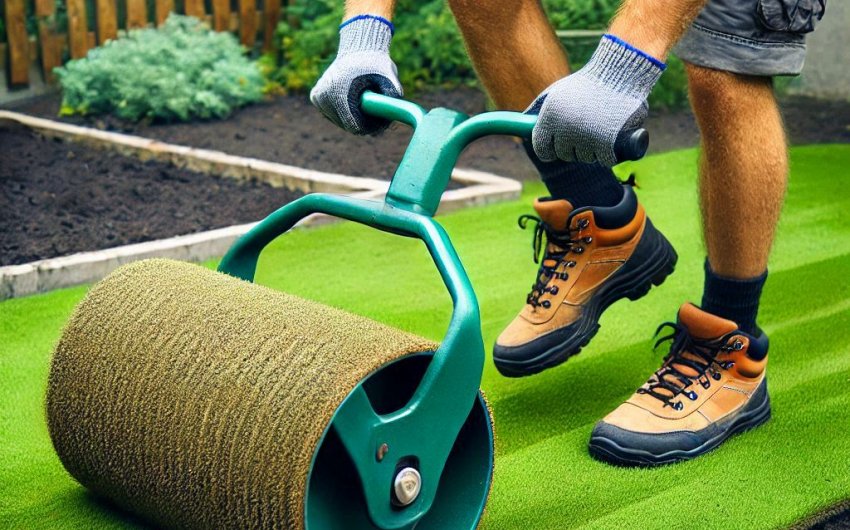
A perfectly level lawn not only enhances curb appeal but also makes mowing a breeze and recreational activities safer. However, many homeowners encounter the frustration of bumpy lawns that create an uneven landscape. This comprehensive guide will illuminate the common culprits behind undulating turf and provide practical, step-by-step instructions on how to address bumpy lawns and restore a smooth surface, ensuring your outdoor space is both beautiful and functional.
What causes bumpy lawns?
Understanding the reasons behind bumpy lawns is the first step toward effective remediation. Irregularities in your turf's surface can stem from various sources, ranging from natural processes to human activities.
What are natural causes of bumps?
- Earthworm activity: Earthworms are incredibly beneficial for soil health, but their castings (excrement) can accumulate over time, especially in active areas, creating small mounds on the surface. While individually tiny, collectively these can make the lawn feel bumpy.
- Mole and vole tunnels: These subterranean creatures dig extensive tunnels just beneath the surface of the lawn. Moles push up mounds of soil (molehills) as they excavate, while voles create shallow runways that can collapse, forming depressions.
- Ant nests: Large ant colonies can create noticeable mounds of soil on the lawn surface, disrupting its smoothness.
- Frost heave: In regions with freezing and thawing cycles, water in the soil expands as it freezes, pushing soil upwards. When it thaws, the soil settles unevenly, creating bumps and dips. This is more common in newly laid sod or poorly drained areas.
- Tree roots: As trees mature, their roots can grow and expand close to the surface, creating raised areas and undulations in the lawn above them.
- Decomposition of buried organic matter: If tree stumps, buried lumber, or other organic debris were not properly removed before a lawn was established, they will decompose over time, causing the soil above them to settle and create depressions.
What are human-related causes of bumps?
- Improper grading or leveling during establishment: If the subgrade (the soil beneath the topsoil) was not properly leveled and compacted before sod was laid or seeds were sown, existing dips and humps will eventually become apparent in the lawn's surface.
- Poor drainage leading to erosion: Areas with poor drainage can experience localized erosion from heavy rainfall or irrigation runoff, washing away soil and creating depressions. Conversely, areas where water consistently sits can lead to soil compaction and subsequent unevenness.
- Utility work or digging: Excavation for sprinkler lines, electrical conduits, or other underground utilities often results in disturbed soil that settles unevenly after backfilling, leading to trenches or bumps.
- Uneven topdressing or seeding: If topdressing materials (like sand or compost) or grass seed are applied unevenly, it can create localized high or low spots.
- Heavy equipment traffic: Driving heavy vehicles or equipment across the lawn can cause compaction and rutting, especially when the soil is wet, leading to an uneven surface.
- Inconsistent mowing: Continuously scalping certain high spots while missing low spots can exacerbate unevenness over time.
Identifying the specific cause of your bumpy lawn is crucial for choosing the most effective and lasting solution to restore a smooth surface.
Why is a soil test recommended before fixing bumps?
Before embarking on significant leveling work to address bumpy lawns and restore a smooth surface, obtaining a soil test is a highly recommended preliminary step. While it doesn't directly address physical bumps, it provides crucial information about your soil's health that can influence the success and longevity of your leveling efforts.
What information does a soil test provide?
A professional soil test, often available through your local agricultural extension office or a reputable soil testing kit, will give you vital insights into your soil's composition:
- Soil pH: This indicates how acidic or alkaline your soil is. An imbalanced pH can hinder nutrient absorption, leading to weak grass that is more susceptible to disease, pests, and may recover poorly from leveling stress.
- Nutrient levels: It measures the levels of essential macronutrients (nitrogen, phosphorus, potassium) and important micronutrients (like iron, manganese). Deficiencies or excesses can affect grass vigor.
- Organic matter content: This helps determine the soil's ability to retain water, hold nutrients, and support beneficial microbial life. Low organic matter can contribute to compaction or poor drainage, which in turn can lead to uneven settling.
- Soil type (texture): Some tests will give an indication of your soil's texture (sandy, clay, loam), which impacts drainage and how materials will settle.
How does a soil test help when fixing bumpy lawns?
- Optimizes grass health: Leveling can be stressful for turf. By addressing any nutrient deficiencies or pH imbalances before or during the leveling process, you ensure your grass is as healthy and resilient as possible, helping it recover faster and establish well in the newly leveled areas.
- Guides topdressing material choice: While sand is often used for leveling, if your soil test reveals high clay content, simply adding more sand can create a "concrete" effect (as discussed in other contexts), worsening drainage. A soil test might suggest incorporating more organic matter, like compost, into your leveling mix.
- Prevents future issues: Addressing underlying soil problems (like poor drainage due to compaction, indicated by low organic matter or heavy clay) can help prevent future settling and new bumps from forming.
- Informs watering and fertilization: Knowing your soil's composition helps you tailor your watering and fertilization routines, ensuring the best possible environment for your newly leveled and growing grass.
While you might be eager to jump straight to grading, taking the time to conduct a soil test provides a scientific foundation for your lawn renovation, ensuring that your efforts to address bumpy lawns and restore a smooth surface are not only effective but also contribute to the long-term health of your turf.
What is the strategy for addressing minor lawn bumps?
For bumpy lawns with relatively minor undulations, a gentler approach focused on topdressing and strategic watering can often suffice to restore a smooth surface without the need for extensive renovation. This method is less invasive and can be done gradually.
What is topdressing?
Topdressing involves applying a thin, even layer of suitable material over your existing lawn. For leveling purposes, this material typically includes sand, compost, or a mixture of both. The goal is to slowly fill in depressions and smooth out the surface without smothering the grass.
How do you topdress to fix minor bumps?
- Mow low: Cut your grass slightly lower than usual, but not to the point of scalping. This exposes more of the soil surface and allows the topdressing material to reach the depressions more easily.
- Identify low spots: Visually inspect your lawn and mark all the minor depressions you want to fill.
- Prepare your topdressing mix: A good mix for minor leveling is typically:
- 70% clean, coarse sand: This provides the bulk for leveling and helps with drainage. Avoid play sand, which is too fine.
- 30% compost: Improves soil structure, adds nutrients, and helps the grass recover. You can find lawn leveling sand and garden compost.
- Alternatively, you can use 100% fine sand, but the grass may take longer to root through it. A mix is generally better for grass health.
- Apply the mix:
- Spread thinly: Don't apply more than 1/4 to 1/2 inch of the topdressing mix in any single application. Applying too much can smother the grass.
- Focus on low spots: Start by spreading the mix in the depressed areas, working it into the turf with the back of a rake or a push broom. Aim to fill the depressions so they are level with the surrounding grass.
- Even distribution: For general lawn health, you can also lightly spread a thin layer over the entire lawn to improve overall smoothness and soil health.
- Rake and brush: Use a rake or a stiff push broom to work the material down into the turf canopy, ensuring that the grass blades are still visible and not completely buried.
- Water thoroughly: Lightly water the area. This helps the topdressing material settle and encourages the grass to grow through the new layer.
- Repeat as needed: For deeper depressions, you'll need to repeat the topdressing process multiple times over several weeks or months, allowing the grass to grow through each layer before applying the next. This gradual approach is crucial.
When is the best time for topdressing?
The ideal time to topdress is during your grass's active growing season, typically late spring/early summer for warm-season grasses or early fall for cool-season grasses. This allows the grass to quickly recover and grow through the newly applied material.
| Depth of Bump | Recommended Approach for Minor Bumps |
|---|---|
| < 1 inch | Single or multiple light topdressing applications |
| 1-2 inches | Multiple gradual topdressing applications over weeks/months |
| > 2 inches | Consider the strategy for major bumps (see next section) |
By carefully and gradually applying topdressing, you can effectively address bumpy lawns and restore a smooth surface for minor irregularities, promoting a healthier and more aesthetically pleasing turf.
What is the strategy for addressing major lawn bumps?
For bumpy lawns with significant undulations, deep depressions, or large mounds, simply topdressing won't be enough. Addressing these major issues to restore a smooth surface often requires a more intensive approach that involves lifting or cutting sod and redistributing soil.
When should you consider a major leveling strategy?
- Depressions deeper than 2-3 inches.
- Large mounds or high spots.
- Pronounced ruts from vehicles or extensive tunneling.
- Areas where improper grading was done during initial lawn installation.
- If minor topdressing hasn't yielded sufficient results after multiple applications.
How do you fix major depressions?
- Gather your tools: You'll need a shovel, a rake, possibly a garden hose, and your leveling mix (see step 3). A spirit level or a long, straight board can help check evenness.
- Cut and peel back sod:
- Using a sharp shovel or a sod cutter for larger areas, carefully cut the sod around the edges of the depression.
- Peel back the sod in sections, exposing the underlying soil. Keep these sod sections as intact as possible; you'll reuse them.
- Prepare your leveling mix: A good leveling mix for deeper fills typically consists of:
- 60-70% clean, coarse sand: Provides structure and good drainage for the bulk of the fill.
- 20-30% topsoil: Adds some organic matter and nutrients.
- 10% compost: Further improves soil health and helps the grass re-establish.
- Mix these components thoroughly.
- Fill the depression:
- Add the leveling mix in layers to the depression. Don't fill it all at once if it's very deep.
- Lightly compact each layer (e.g., by tamping gently with your feet or the back of a shovel) to prevent future settling.
- Leave enough space (about 1-2 inches) for the peeled-back sod to sit level with the surrounding lawn surface.
- Replace sod and water:
- Carefully lay the peeled-back sod sections back over the filled depression.
- Press them down firmly to ensure good contact with the new soil.
- Water the area thoroughly to help the sod settle and bond with the underlying mix. Keep the area consistently moist for the next few weeks until the sod has rooted in.
How do you fix major mounds or high spots?
- Cut and peel back sod: Similar to depressions, cut and peel back the sod from the high spot.
- Remove excess soil: Dig out the excess soil from the mound until the area is level with the surrounding grade. A long, straight board and a level can help you check for evenness.
- Replace sod and water: Carefully lay the sod back over the newly leveled area. Firmly press it down and water thoroughly.
When is the best time for major leveling?
The best time for major leveling work is during your lawn's active growing season, either late spring/early summer for warm-season grasses or early fall for cool-season grasses. This ensures the grass or sod recovers quickly from the disturbance. Avoid doing extensive leveling during hot summer droughts or cold winter dormancy periods.
| Depth of Issue | Strategy for Major Bumps | Recovery Time |
|---|---|---|
| > 2 inches | Cut sod, add/remove soil/leveling mix, replace sod | 2-4 weeks for sod to root |
Addressing major undulations takes more effort but yields a truly smooth and even surface, fundamentally improving your bumpy lawns for the long term.
What tools and materials do you need for lawn leveling?
Successfully tackling bumpy lawns and aiming to restore a smooth surface requires the right set of tools and materials. Having these on hand before you start will make the process much more efficient and effective, whether you're dealing with minor dips or major undulations.
Essential Tools for Lawn Leveling:
- Lawn Leveling Rake (or Landscape Rake): This is perhaps the most important tool for spreading and smoothing leveling material. A good lawn leveling rake has a long handle and a wide, flat head (often metal mesh or solid steel) that excels at pushing and pulling material evenly.
- Stiff Push Broom: Excellent for working topdressing material down into the grass canopy after spreading with a rake. A stiff push broom helps ensure grass blades aren't smothered.
- Shovel: Essential for digging, moving soil, and lifting sod sections. A sturdy garden shovel or spade is ideal.
- Wheelbarrow: Invaluable for transporting leveling mix, removed soil, or sod sections around your yard, saving your back. A wheelbarrow is a must for larger projects.
- Long, Straight Board (e.g., 2x4 lumber): A 4-6 foot long straight edge is crucial for checking for levelness across wider areas and for screeding (leveling by dragging) the topdressing material. Use a piece of straight lumber or an aluminum straight edge.
- Spirit Level: A standard spirit level (at least 2-4 feet long) used with your straight board helps ensure precise leveling.
- Garden Hose with Sprinkler/Nozzle: For thoroughly watering in applied materials and newly laid sod or seed.
- Heavy-Duty Work Gloves: Protect your hands from blisters, cuts, and dirt. A good pair of gardening gloves is essential.
- Sod Cutter (optional for large projects): If you have a very large area with major bumps and intend to remove and replace a lot of sod, renting a manual sod cutter can save significant time and effort.
Key Materials for Lawn Leveling:
- Leveling Mix: This is the most important material. The composition will vary based on your existing soil type and the depth of the bumps:
- For sandy soils: A mix of 70% coarse sand and 30% organic topsoil or compost.
- For clay soils: A mix with more emphasis on sand (e.g., 60-70%) but a substantial amount of compost (30-40%) to improve clay structure.
- For general leveling: A common mix is 70% lawn leveling sand and 30% garden compost or high-quality topsoil. Avoid fine play sand, which compacts easily.
- Grass Seed or Sod (as needed):
- If you're filling deep depressions or cutting out large sections of sod, you'll need grass seed (matching your existing lawn type) to fill in bare spots. Choose a fast-germinating grass seed.
- If you had to remove a large amount of sod that isn't reusable, you might need to purchase new sod to patch the areas.
- Topsoil (for deep fills): If you're dealing with very deep depressions (more than 4-6 inches), you may need bulk topsoil for the base of the fill before applying your refined leveling mix.
Having these tools and materials organized and ready will ensure a smoother and more successful process in your efforts to address bumpy lawns and restore a smooth surface.
How do you maintain a smooth lawn after leveling?
Achieving a smooth lawn is a significant accomplishment, but the job isn't done there. Proper ongoing maintenance is essential to prevent your bumpy lawns from returning and to keep your newly smooth surface in pristine condition. Consistency in your lawn care practices is key.
What are key ongoing maintenance practices after leveling?
- Proper Mowing Techniques:
- Mow at the correct height: Always adhere to the "one-third rule," meaning never remove more than one-third of the grass blade height in a single mowing. This encourages deeper root growth and a denser turf.
- Vary mowing patterns: Don't mow in the exact same direction every time. Varying your pattern helps prevent ruts from mower wheels and ensures a more even cut.
- Keep blades sharp: Dull mower blades tear grass, stressing it and making it vulnerable to disease. Sharpen your lawn mower blades regularly or replace them.
- Deep and Infrequent Watering:
- Encourages deep roots: Water deeply to encourage roots to grow downwards, rather than staying shallow. This makes the lawn more resilient and less prone to surface irregularities caused by poor root anchorage.
- Avoid overwatering: Consistently soggy soil can contribute to compaction and uneven settling. Allow the soil to dry out between waterings.
- Regular Aeration:
- Relieve compaction: Periodically aerate your lawn, especially if it experiences heavy foot traffic or has a clay soil component. Core aeration (lawn aerator) improves drainage, reduces compaction, and helps prevent future unevenness from settling.
- Timing: Aerate during your grass's active growing season (fall for cool-season, late spring/early summer for warm-season).
- Annual Topdressing (Thin Layer):
- Proactive smoothing: Even after major leveling, applying a thin layer (1/4 inch) of compost or a sand/compost mix annually can help maintain smoothness, fill in any minor new depressions, and improve overall soil health.
- Nutrient boost: This also adds beneficial organic matter and nutrients to the soil.
- Address Pests and Critters Promptly:
- Moles/Volles/Ants: Monitor for signs of tunneling animals or large ant nests. Address them quickly using humane traps, repellents, or professional help to prevent significant surface disruption.
- Earthworm castings: While earthworms are beneficial, their castings can cause bumps. Gently disperse them with a stiff broom or rake when dry.
- Avoid Heavy Traffic on Wet Soil:
- Never drive vehicles or heavy equipment on your lawn, especially when the soil is wet, as this can cause severe compaction and ruts that are difficult to fix.
- Monitor and Spot Level:
- Regularly walk your lawn and visually inspect for any emerging small bumps or dips. Address these early with small amounts of leveling mix and a broom, preventing them from becoming major issues.
By diligently implementing these maintenance practices, you'll not only preserve the hard work of leveling but also foster a robust, healthy lawn that resists future irregularities, ensuring your outdoor space remains a beautifully smooth surface.