
What are some low-maintenance grass options for busy homeowners?
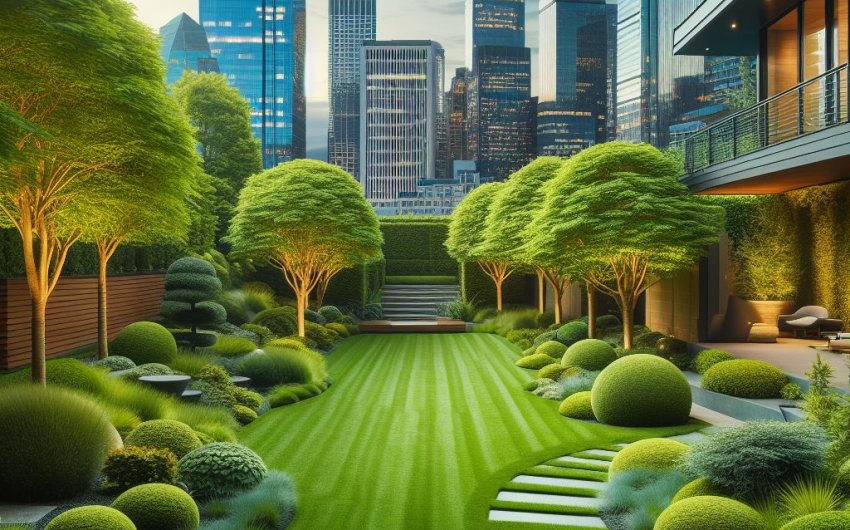
For many homeowners, the dream of a lush, green lawn often bumps up against the reality of busy schedules. Mowing, watering, fertilizing, weeding – it all takes time, effort, and sometimes, a significant chunk of your weekend. If you love the look of a tidy yard but dread the constant maintenance, you're not alone. The good news is, achieving a beautiful lawn doesn't have to be a full-time job. There are fantastic low-maintenance grass options available that can significantly reduce the amount of work you put into your yard without sacrificing curb appeal.
These grasses are designed to be more drought-tolerant, grow slower, or simply be more resilient to common lawn issues, meaning less mowing, less watering, and fewer headaches for you. So, if you're a busy homeowner looking to reclaim your weekends while still enjoying a green outdoor space, read on. We'll explore some of the best grass varieties that let you spend less time on upkeep and more time enjoying your life!
Why Choose Low-Maintenance Grass?
Choosing a low-maintenance grass option isn't just about laziness; it's a smart decision for busy homeowners that offers a host of benefits beyond simply reducing chores. It's about optimizing your time, saving money, and often being more eco-friendly.
What Are the Biggest Time-Saving Benefits?
The most obvious and compelling reason to switch to low-maintenance grass is the sheer amount of time you'll reclaim.
- Less Mowing: This is often the primary driver. Many low-maintenance grass options grow slower than traditional lawn grasses. This means instead of mowing once a week, you might only need to mow every two weeks, or even less frequently during certain times of the year. Over a season, that's a significant reduction in time spent pushing a mower!
- Less Watering: A major characteristic of many low-maintenance grasses is their improved drought tolerance. They have deeper root systems or are naturally adapted to survive with less water. This means during dry spells, your lawn might stay green without needing constant irrigation, or it will bounce back quickly after rain, unlike thirsty traditional lawns that turn brown at the first sign of heat. Less time dragging hoses or managing sprinkler systems.
- Less Fertilizing: Many low-maintenance grass varieties have lower nutrient requirements. They often thrive with minimal or no supplemental feeding once established. This saves you the time of buying, spreading, and cleaning up after applying fertilizer.
- Less Weeding: Healthy, dense low-maintenance grasses are often better at outcompeting weeds. A vigorous lawn that fills in well leaves less bare space for weeds to take root, reducing the time you spend pulling weeds or applying herbicides.
- Reduced Pest and Disease Issues: Some low-maintenance varieties are naturally more resilient to common lawn pests and diseases. A healthier, more robust lawn is less susceptible, potentially saving you time (and money) on applying treatments.
- Frees Up Weekends: All these time savings add up to one big benefit: more free time for you! Instead of lawn chores, you can spend weekends with family, pursuing hobbies, or simply relaxing.
What Are the Cost-Saving Benefits?
The initial investment in new seed or sod for a low-maintenance grass can be offset by significant savings over the long run.
- Lower Water Bills: If you live in an area with metered water, reduced watering directly translates to lower water bills, especially during hot, dry summer months. This can add up to hundreds of dollars a year.
- Less Fertilizer Expense: Not needing to fertilize as often (or at all) means fewer trips to the garden center and less money spent on bags of fertilizer.
- Fewer Chemical Treatments: Reduced need for herbicides (for weeds), pesticides (for bugs), and fungicides (for diseases) means significant savings on these costly products.
- Reduced Mower Maintenance/Fuel: Less mowing means less wear and tear on your lawn mower, leading to fewer repairs and replacements. It also means less fuel purchased for gas mowers or less electricity used for electric mowers.
- Longer-Lasting Lawn: A healthy, well-adapted, low-maintenance lawn is more resilient and less likely to need costly re-seeding or re-sodding due to stress, drought, or disease.
- Potential for DIY: Many low-maintenance options can be established from seed, making it a DIY project that saves on professional installation costs.
Over the lifespan of your lawn, the cumulative cost savings from choosing a low-maintenance grass can be substantial, making it a very smart financial decision.
How Do Low-Maintenance Grasses Benefit the Environment?
Choosing low-maintenance grass is not just good for your wallet and schedule; it's also a more eco-friendly choice that benefits the wider environment.
- Water Conservation: Massively reduces water usage, which is critical in areas facing drought or water scarcity. This helps protect local water resources and ecosystems.
- Reduced Chemical Runoff: Less (or no) need for synthetic fertilizers, pesticides, and herbicides means fewer harmful chemicals leaching into groundwater, streams, and lakes. This protects aquatic life and ensures cleaner water for everyone.
- Lower Carbon Footprint:
- Less Mowing Emissions: Fewer mowing sessions mean less fossil fuel burned by gas mowers or less electricity consumed by electric mowers (though electric mowers are better, they still draw power). This reduces greenhouse gas emissions.
- Reduced Fertilizer Production: Synthetic fertilizer production is an energy-intensive process that releases greenhouse gases. Less demand for these products means a smaller environmental impact.
- Reduced Transportation: Less need to transport heavy bags of fertilizer and chemicals from factories to stores to your home.
- Promotes Biodiversity: A healthier, more resilient lawn might allow for a greater diversity of soil microbes and beneficial insects, contributing to overall ecosystem health. Some low-maintenance options that are more like meadows can even support local pollinators.
- Healthier Soil: Reduced chemical use and potentially less soil compaction from heavy machinery contribute to healthier soil ecosystems, fostering a more natural balance below ground.
- Quieter Neighborhoods: Less mowing means less noise pollution, contributing to a more peaceful environment for you and your neighbors.
By opting for low-maintenance grass, you're making a conscious choice to minimize your environmental impact, contributing to a greener planet one lawn at a time.
What Are the Best Low-Maintenance Grass Options?
When choosing a low-maintenance grass, it's crucial to understand your climate zone. Grasses are broadly divided into cool-season grasses (thrive in colder winters and mild summers) and warm-season grasses (thrive in hot summers and mild winters). Knowing which type suits your region is the first step to selecting the best low-maintenance option.
1. Fine Fescues (Cool-Season Grass)
Fine fescues are a group of several species known for their delicate texture and excellent low-maintenance qualities, especially in cooler climates. They are particularly well-suited for northern states and regions with distinct cool and warm seasons.
- Description: Fine fescues include varieties like creeping red fescue, chewing fescue, hard fescue, and sheep fescue. They have very thin, almost hair-like blades, giving them a soft, graceful appearance. They typically grow in clumps or spread slowly by rhizomes (underground stems).
- Low-Maintenance Benefits:
- Low Mowing Requirements: This is a big one! Fine fescues naturally grow slower and have a lower growth habit. Many people even choose to grow them as a "no-mow" or "low-mow" lawn, letting them grow longer (6-12 inches) for a meadow-like effect, or only mowing a few times a year.
- Excellent Drought Tolerance: They have deeper root systems and are very efficient at extracting moisture from the soil, allowing them to stay green longer during dry periods than many other cool-season grasses. They will go dormant (turn brown) in severe drought but recover quickly with rain.
- Shade Tolerance: This is another major advantage. Fine fescues are one of the most shade-tolerant cool-season grasses, making them ideal for areas under trees or on the north side of buildings where other grasses struggle.
- Low Fertility Needs: They thrive in leaner soils and require very little, if any, supplemental fertilization.
- Pest and Disease Resistance: Generally quite resistant to common cool-season lawn diseases.
- Ideal Growing Conditions:
- Climate: Cool-season regions (USDA Zones 3-7).
- Light: Full sun to partial shade (performs exceptionally well in shade).
- Soil: Adaptable to a wide range of soils, including poor or sandy soils, as long as it's well-drained.
- Things to Consider:
- Traffic Tolerance: Fine fescues are not ideal for high-traffic areas, as their fine blades can wear down under heavy foot traffic.
- Weed Control: Can be outcompeted by aggressive weeds in full sun without proper establishment.
- Establishment: Can be slower to establish from seed than some other grasses.
- How to Use: Perfect for a naturalized lawn, slopes, shady areas, or as an accent in a mixed planting. You can find fine fescue grass seed mixes specifically designed for low-mow or shady conditions.
2. Zoysia Grass (Warm-Season Grass)
Zoysia grass is a popular choice for low-maintenance lawns in warm-season climates. It forms a dense, attractive turf that can withstand a lot of abuse.
- Description: Zoysia grass has a medium to fine texture and typically grows in a dense, outward-spreading manner, forming a thick carpet. It can range in color from medium to dark green.
- Low-Maintenance Benefits:
- Extreme Drought Tolerance: Zoysia is incredibly drought-tolerant once established, thanks to its deep and extensive root system. It can survive prolonged dry spells, often staying green longer than other warm-season grasses, or quickly recovering once water is available.
- Low Mowing Frequency: It has a relatively slow growth rate, especially compared to Bermuda grass, meaning you won't need to mow it as often.
- Weed Suppression: Its dense growth habit effectively chokes out most weeds, significantly reducing your weeding chores.
- Good Traffic Tolerance: Once established, it creates a very tough and durable lawn that can handle moderate to high foot traffic.
- Low Fertilization Needs: It's not a heavy feeder and can thrive with minimal fertilization.
- Ideal Growing Conditions:
- Climate: Warm-season regions (USDA Zones 5-10). It thrives in hot summers.
- Light: Full sun is preferred for best density and growth. Can tolerate very light shade, but will be less dense.
- Soil: Adaptable to a wide range of soils, as long as they are well-drained.
- Things to Consider:
- Establishment: Zoysia can be slow to establish from seed. It's often recommended to plant from Zoysia grass plugs or sod for faster coverage, which can be more expensive.
- Dormancy: Zoysia goes dormant (turns brown) with the first hard frost and remains brown through winter in colder parts of its range, greening up again in spring. This winter dormancy is a significant consideration for aesthetics.
- Thatch Buildup: Its dense growth can sometimes lead to thatch buildup, which may require occasional dethatching.
- How to Use: Excellent for active family lawns, sports areas, or any full-sun lawn in a warm climate where durability and low water use are priorities.
3. Buffalo Grass (Warm-Season Grass)
Buffalo grass is a native North American prairie grass that is a true champion of low-maintenance, especially for dry, warm climates.
- Description: Buffalo grass is a fine-bladed, grayish-green warm-season grass that forms a soft, somewhat sparse turf. It typically grows very short (often 4-8 inches tall if left unmowed) and spreads by stolons (above-ground runners).
- Low-Maintenance Benefits:
- Exceptional Drought Tolerance: This is its strongest feature. Buffalo grass is incredibly adapted to arid and semi-arid regions and can survive extended droughts without irrigation. It will go dormant and turn tan in severe dry spells, but will bounce back quickly with rain.
- Very Low Mowing Requirements: It naturally grows very short. Many people grow it as a "no-mow" lawn or mow only once a month for a tidier look.
- Requires Very Little Fertilizer: Thrives in lean, unfertilized soils. Excess fertilizer can actually harm it.
- Resistant to Pests and Diseases: Naturally tough and resilient.
- Ideal Growing Conditions:
- Climate: Warm-season and dry climates (USDA Zones 4-9), particularly in the Great Plains region of North America. It handles heat and cold well within its range.
- Light: Full sun is essential for dense growth. It will thin out in even partial shade.
- Soil: Prefers well-drained, even poor, native soils. Avoid overly rich or frequently irrigated soils.
- Things to Consider:
- Not for High Traffic: It's generally not suited for heavy foot traffic.
- Weed Pressure: Can struggle with weed competition during establishment, and its relatively open growth might allow some weeds through.
- Appearance: Has a more natural, prairie-like appearance rather than a manicured golf-course look. It will turn brown in winter cold.
- Establishment: Can be slow to establish from seed, and seed can be expensive. Plugs are also an option.
- How to Use: Ideal for naturalized lawns, low-traffic areas, large properties, or anyone seeking the ultimate drought-tolerant, low-mow grass in the right climate. Look for improved buffalo grass seed varieties for better turf quality.
4. Bermuda Grass (Warm-Season Grass)
Bermuda grass is a very common and popular warm-season grass, particularly in the Southern US, known for its extreme toughness and ability to quickly repair itself. While it can be high-maintenance if seeking a manicured look, certain varieties and management practices make it a low-maintenance option.
- Description: Bermuda grass has a medium to fine texture, a deep green color, and spreads aggressively by both stolons (above-ground runners) and rhizomes (underground stems), forming a very dense, tough turf.
- Low-Maintenance Benefits (with proper management):
- Exceptional Drought Tolerance: Highly drought-tolerant once established. It can go dormant quickly in severe drought (turning tan) but recovers very rapidly once water is available, often better than any other turfgrass.
- Excellent Heat Tolerance: Thrives in scorching summer temperatures.
- High Traffic Tolerance: Its aggressive growth and spreading nature allow it to withstand very high foot traffic and quickly repair itself from damage.
- Weed Suppression: Its dense, aggressive growth outcompetes most weeds.
- Ideal Growing Conditions:
- Climate: Warm-season regions (USDA Zones 7-10).
- Light: Requires full, intense sun. It will thin out and struggle dramatically in even light shade.
- Soil: Adaptable to a wide range of soils, thrives with good drainage.
- Things to Consider for Low-Maintenance Use:
- Aggressive Spreader: Its vigorous spreading means it can invade flower beds or pathways if not edged regularly.
- Winter Dormancy: Turns brown with the first frost and stays dormant through winter.
- Fertility: For a golf-course look, it needs high fertility and frequent mowing. For low-maintenance, reduce fertilization and allow it to grow taller.
- Mowing: If you want a truly low-mow Bermuda, select a finer-bladed, lower-growing variety. Otherwise, it grows very fast.
- How to Use for Low-Maintenance: Choose common or forage-type Bermuda grass seed rather than highly refined turf varieties. Limit fertilization to once a year (or none once established) and mow at a higher setting (e.g., 3-4 inches) less frequently. This creates a tougher, more drought-resistant lawn, albeit less manicured. Excellent for active lawns in hot, sunny climates.
5. Microclover (Not a Grass, but a Low-Maintenance Lawn Alternative)
While not a grass, microclover is a fantastic low-maintenance lawn alternative that is gaining popularity, often mixed with traditional grass seed.
- Description: Microclover (Trifolium repens var. microphyllum) is a very small-leafed variety of white clover. It grows low to the ground, spreads by stolons, and has very tiny leaves and small white flowers.
- Low-Maintenance Benefits:
- Extremely Low Mowing: Grows very short (usually 4-6 inches) and doesn't need much mowing. Many people mow it only a few times a year or not at all.
- Nitrogen Fixer (Self-Fertilizing!): This is a huge benefit. Microclover forms a symbiotic relationship with soil bacteria that take nitrogen from the air and convert it into a usable form for the plant. This means it essentially fertilizes itself and neighboring grasses, dramatically reducing or eliminating the need for synthetic nitrogen fertilizers.
- Excellent Drought Tolerance: Once established, it's very drought-tolerant, staying green longer than many grasses because of its deep root system and ability to find water.
- Weed Suppression: Forms a dense mat that effectively outcompetes most weeds.
- Soil Improvement: Improves soil health by adding organic matter and making nutrients available.
- Eco-Friendly: Attracts beneficial insects, reduces chemical use, and conserves water.
- Ideal Growing Conditions:
- Climate: Adapted to a wide range of climates (USDA Zones 3-10). It's a cool-season legume but can tolerate heat.
- Light: Full sun to partial shade (performs better in sun for density).
- Soil: Adaptable to most soils, as long as they are well-drained.
- Things to Consider:
- Flowering: It does produce small white flowers. While charming and attractive to pollinators, some people prefer a non-flowering lawn.
- Traffic: Can handle moderate foot traffic, but heavy, concentrated traffic can wear it down.
- Esthetics: Offers a different look than a pure grass lawn, more natural and often somewhat uneven.
- Winter Dormancy: Will go dormant and yellow in freezing temperatures, but reliably returns in spring.
- How to Use: Can be planted as a pure microclover lawn or, more commonly, mixed with fine fescue or perennial ryegrass for a beautiful, self-fertilizing, low-mow lawn. Look for microclover seed to mix with your preferred grass seed.
How Do I Choose the Right Low-Maintenance Grass for My Garden?
Picking the perfect low-maintenance grass for your home involves considering several factors beyond just saving time. It's about matching the grass to your specific needs, climate, and desired look.
What Climate Zone Am I In?
This is the most critical question. Planting a grass that isn't suited to your climate is a recipe for struggle, no matter how "low-maintenance" it claims to be.
- Cool-Season Grasses: These grasses thrive in regions with cold winters and moderate to warm summers. They actively grow in spring and fall.
- Examples: Fine Fescues, Kentucky Bluegrass, Perennial Ryegrass (though the latter two are often higher maintenance).
- Best For: Northern U.S. states, parts of the Pacific Northwest, and mountainous regions.
- Warm-Season Grasses: These grasses love hot summers and generally prefer milder winters (they will go dormant and turn brown in freezing temperatures). They actively grow in late spring, summer, and early fall.
- Examples: Zoysia, Bermuda, Buffalo Grass, St. Augustine (though often higher maintenance).
- Best For: Southern U.S. states, the transition zone (where both types can struggle), and very hot climates.
- Find Your Zone: Use the USDA Plant Hardiness Zone Map to determine your zone. Local university extension offices or reputable nurseries can also guide you on which grasses perform best in your specific area.
- Transition Zone Considerations: If you're in the "transition zone" (e.g., parts of the mid-Atlantic, central US), both warm-season and cool-season grasses can struggle with the extremes of both winter and summer. Sometimes, a mix of both types, or a particularly hardy variety, is recommended.
Choosing a grass that is naturally adapted to your climate zone will make it inherently more low-maintenance because it's not fighting against extreme temperatures.
How Much Sun or Shade Does My Yard Get?
Light conditions are a huge factor in grass success. Not all low-maintenance grasses are created equal when it comes to shade tolerance.
- Full Sun: If your lawn area gets 6 or more hours of direct, unfiltered sunlight per day, you have a wide range of options.
- Warm-Season: Zoysia, Bermuda, Buffalo Grass.
- Cool-Season: Fine Fescues (though they thrive in shade, they do fine in sun too), some types of Kentucky Bluegrass.
- Partial Shade: If your lawn gets 3-5 hours of direct sun, or dappled light for much of the day (e.g., under trees), your options narrow.
- Cool-Season: Fine Fescues are the clear winner here; they are highly shade-tolerant. Perennial Ryegrass can tolerate some shade.
- Warm-Season: Most warm-season grasses need full sun to thrive. Zoysia can tolerate very light shade but will be thinner. St. Augustine is more shade tolerant than Bermuda, but it is typically a higher-maintenance option for its other needs.
- Full Shade: Less than 3 hours of direct sun, or consistent deep shade. This is the most challenging for any grass.
- Cool-Season: Your best bet is to maximize Fine Fescues in a seed mix. Even then, growth will be sparse, and you might need to reconsider having grass in deep shade.
- Warm-Season: Almost no warm-season grass will thrive in full shade.
- Assess Accurately: Spend a day observing your yard. Note which areas get sun at what times of day. A single yard can have areas of full sun, partial shade, and full shade. You might need different grass mixes for different zones in your yard.
Don't try to force a sun-loving grass into a shady spot, or vice versa. It will lead to constant struggle and higher maintenance.
What Is My Desired Look and Use for the Lawn?
Think about how you want your lawn to look and how you plan to use it. This will help narrow down the options.
- Manicured vs. Natural:
- Manicured (Golf Course Look): Even low-maintenance grasses won't give you a golf-course look with zero effort. Zoysia (with moderate maintenance) or a refined Bermuda (with diligent care) can get close. Fine Fescues, when left unmowed, offer a more natural, meadow-like appearance.
- Natural/Eco-Friendly: Buffalo grass and microclover blends lean towards a more natural, informal aesthetic.
- Traffic Tolerance: How much foot traffic will your lawn experience?
- High Traffic (Kids, Pets, Play): Bermuda grass (if properly managed), and Zoysia are very tough.
- Moderate Traffic: Fine Fescues can handle moderate traffic but might thin out in very high-traffic lanes. Microclover is decent.
- Low Traffic (Aesthetic Only): Buffalo grass is best for low-traffic areas.
- Winter Appearance: Are you okay with your lawn turning brown in winter?
- Warm-Season Grasses: All warm-season grasses (Zoysia, Bermuda, Buffalo) will go dormant and turn brown during cold winter months.
- Cool-Season Grasses: Fine fescues will stay green in winter (if temperatures aren't extreme) but might struggle and go dormant in very hot summers.
- Allergies: If you or family members have allergies to grass pollen, consider varieties that produce less pollen or alternative groundcovers. Microclover flowers attract bees, which can be a consideration if there are bee sting allergies.
Be realistic about your expectations. A truly low-maintenance lawn often means accepting a slightly less manicured look or a seasonal change in color.
What Is My Budget for Establishment?
The cost of establishing a new lawn can vary significantly depending on the grass type and method.
- Seed vs. Sod vs. Plugs:
- Seed: Generally the most affordable option for establishing a lawn. Fine fescue and buffalo grass are commonly available as seed. Can take longer to establish a dense turf.
- Sod: Provides instant gratification and coverage, but it's the most expensive option. Zoysia and Bermuda are frequently sold as sod.
- Plugs: A middle ground, more expensive than seed but cheaper than sod. Zoysia grass plugs are popular for establishing Zoysia.
- Long-Term Savings: Remember to balance the initial cost with the long-term savings in water, fertilizer, chemicals, and mowing time. A more expensive initial investment might pay for itself many times over in reduced maintenance costs.
- Professional Installation: Hiring a professional to prepare the site and install sod or seed will add to the cost. Many low-maintenance options are well-suited for DIY installation.
Consider your upfront budget alongside your long-term maintenance savings when making your decision.
How Do I Establish a Low-Maintenance Lawn?
Once you've chosen your ideal low-maintenance grass option, proper establishment is key to ensuring it thrives and lives up to its promise of reduced upkeep. Cutting corners during establishment can lead to a less vigorous, higher-maintenance lawn down the road.
What Are the Best Practices for Site Preparation?
Good site preparation is the foundation of any healthy lawn, and it's especially important for low-maintenance grasses to help them outcompete weeds and establish strong roots.
- Clear the Area: Remove all existing grass, weeds, rocks, and debris from the area.
- Methods: You can hand-dig, use a sod cutter, smother with cardboard/tarp (solarization), or use a non-selective herbicide (if you're not strictly organic). Allow plenty of time for this step, especially if using organic methods.
- Test Your Soil: This is a crucial step that many homeowners skip. A soil test kit will tell you your soil's pH and nutrient levels.
- Why it's important: It guides any necessary soil amendments. For example, if your chosen grass prefers a neutral pH but your soil is very acidic, you might need to add garden lime.
- Improve Drainage (if needed): Low-maintenance grasses (like most grasses) require well-draining soil. If you have heavy clay or compacted soil, incorporate 2-4 inches of organic matter (like compost) into the top 4-6 inches of your soil. This will improve drainage, aeration, and overall soil health.
- Grade for Drainage: Ensure the area has a slight slope away from your house or any structures to prevent water from pooling. This also helps with surface drainage.
- Rake and Level: After amending and grading, rake the soil smooth to create a level, even planting surface. Remove any remaining clods or rocks. A smooth surface makes for easier mowing and a better-looking lawn.
Thorough site preparation provides the optimal environment for your chosen low-maintenance grass to take root and flourish.
How Do I Plant Low-Maintenance Grass Seeds or Plugs?
The specific planting method depends on whether you're using seed, plugs, or sod.
For Seed:
- Timing: Plant cool-season grasses in late summer/early fall or early spring. Plant warm-season grasses in late spring or early summer when soil temperatures are warm.
- Spread the Seed: Use a handheld seed spreader or a broadcast spreader to ensure even distribution of the grass seed. Follow the application rates on the seed package precisely. For smaller areas, you can hand-broadcast.
- Lightly Cover: Gently rake the seed into the top 1/4 inch of soil. Don't bury it too deep! Some seeds (like fine fescues) need light to germinate.
- Roll (Optional): Lightly roll the area with a lawn roller to ensure good seed-to-soil contact.
- Mulch (Optional but Recommended): For sloped areas or to help retain moisture, you can apply a very thin layer of straw mulch (not hay, which can have weed seeds).
- Water Consistently: This is the most crucial step for seed germination. Keep the seedbed consistently moist, but not soggy, with light, frequent waterings (2-3 times a day for short periods) until the grass germinates and is a few inches tall. This can last for several weeks. Use a fine spray to avoid washing away the seeds.
For Plugs:
- Timing: Plant warm-season grass plugs in late spring or early summer.
- Spacing: Follow the recommended spacing for your specific grass (e.g., 6-12 inches apart for Zoysia).
- Dig Holes: Use a plug planting tool or a small trowel to dig holes for each plug.
- Plant: Place each plug in a hole so the top of the plug is level with the soil surface. Gently firm the soil around each plug.
- Water Thoroughly: Water immediately after planting to settle the soil. Continue to water regularly (daily or every other day, depending on heat) for the first few weeks until the plugs are established and showing new growth.
What Is the Watering Schedule for New Lawns?
Proper watering is absolutely critical for successful establishment, regardless of the low-maintenance grass you choose. The goal is to keep the upper soil moist enough for roots to grow without becoming waterlogged.
- For Seeded Lawns:
- First 2-4 Weeks (Germination Phase): Water lightly and frequently (2-3 times a day for 5-10 minutes each time) to keep the top 1 inch of soil consistently moist. The tiny seedlings and sprouting seeds need constant moisture. Do not let the seedbed dry out.
- Next 4-8 Weeks (Early Growth): Once seedlings are 1-2 inches tall, gradually reduce watering frequency and increase duration. Aim for watering once a day, then every other day, and finally 2-3 times a week, delivering enough water to moisten the top 2-4 inches of soil. This encourages roots to grow deeper.
- For Sod or Plugs:
- First 1-2 Weeks (Rooting Phase): Water deeply daily to keep the top 2-3 inches of soil moist. You want to ensure the sod/plug roots stay moist and can start growing into the underlying soil.
- Next 2-4 Weeks (Establishment): Gradually reduce watering frequency to every other day, then every 2-3 days, delivering enough water to moisten the top 4-6 inches of soil.
- Important Notes:
- Avoid Overwatering: Too much water can lead to fungal diseases and shallow roots. Water deeply when you do water, and let the top layer dry slightly between deeper waterings as the lawn matures.
- Morning is Best: Water in the morning to allow the foliage to dry before nightfall, reducing the risk of fungal diseases.
- Monitor Your Soil: Always feel your soil to gauge moisture levels. Factors like sun, wind, and temperature will affect how quickly your lawn dries out.
Consistent and appropriate watering during establishment is the foundation for a healthy, low-maintenance lawn that will thrive for years to come.
How Do I Care for My Established Low-Maintenance Lawn?
Once your low-maintenance grass is established, you'll find that its care requirements are significantly reduced compared to traditional lawns. The key is to manage it in a way that continues to leverage its natural resilience.
What Is the Mowing Routine for Low-Maintenance Grass?
Mowing is often the biggest chore, and low-maintenance grasses deliver significant relief here.
- Higher Mowing Height: This is crucial for low-maintenance lawns.
- Minimum Height: Never scalp your lawn. Most low-maintenance grasses (even Bermuda for a low-maintenance look) do best when mowed at a height of 3-4 inches or even higher.
- Benefits of Higher Mowing: Taller grass blades encourage deeper root growth, which in turn leads to better drought tolerance. They also shade the soil, reducing weed germination and retaining moisture.
- Reduced Frequency:
- Slower Growers: Fine fescues and buffalo grass are very slow-growing and might only need mowing once a month, or even 2-3 times per season if you prefer a meadow-like appearance.
- Zoysia and Bermuda: Even these can be mowed less frequently if you maintain a higher cutting height and reduce fertilization. You might go from weekly to every 10-14 days.
- Sharp Mower Blades: Always use a sharp lawn mower blade. Dull blades tear grass, making it susceptible to disease.
- "One-Third Rule": Never remove more than one-third of the grass blade's height at a single mowing. If your grass is very tall, you might need to mow it in stages over a few days.
- Leave Clippings (Mulch Mowing): Unless clippings are very thick, leave them on the lawn. They return nutrients to the soil, acting as a natural, free fertilizer, and also add organic matter. A mulching lawn mower is excellent for this.
By mowing higher and less often, you not only save time but also promote a healthier, more resilient low-maintenance lawn.
Do I Need to Fertilize My Established Low-Maintenance Lawn?
One of the great joys of low-maintenance grass is the minimal need for fertilization.
- Fine Fescues and Buffalo Grass: These typically require very little to no supplemental fertilization once established. Their natural adaptation to leaner soils means they thrive without a lot of extra nutrients. Over-fertilizing can actually harm them or encourage excessive growth that defeats the "low-mow" purpose.
- Zoysia and Bermuda (for Low-Maintenance): While these grasses can be heavy feeders for a golf-course look, for a low-maintenance lawn, you can significantly reduce or eliminate regular fertilization.
- Limit Applications: Instead of multiple applications a year, aim for just one light feeding in late spring or early summer, or even none if your soil quality is decent and you're leaving grass clippings.
- Focus on Soil Health: Instead of synthetic fertilizers, focus on improving overall soil health by leaving grass clippings or top-dressing with a thin layer of organic compost for lawns every few years.
- Microclover: If your lawn contains microclover, it will mostly fertilize itself due to its nitrogen-fixing ability. You will rarely (if ever) need to add nitrogen fertilizer.
- Symptoms of Deficiency: If your lawn shows signs of severe nutrient deficiency (widespread pale yellowing despite good watering and light), a light, balanced organic fertilizer application might be needed. Always test your soil first to know what nutrients are actually lacking.
The philosophy for low-maintenance grass is to nurture the soil, and the grass will take care of itself, rather than constantly force-feeding the grass.
What About Watering My Established Low-Maintenance Lawn?
Once established, the drought tolerance of low-maintenance grasses means significantly less watering, saving you time and money.
- Train Your Lawn to Be Drought Tolerant: The key is to water deeply and infrequently, rather than lightly and frequently. This encourages roots to grow deep in search of water, making the plant much more resilient to dry spells.
- Water Only When Needed: Don't water on a set schedule. Instead, watch for signs that your lawn needs water:
- Footprints Remain: If you walk across the lawn and your footprints remain visible, the grass blades are losing turgor (firmness) and need water.
- Color Change: The grass might turn a duller, grayish-green color before turning brown.
- Leaf Blades Curling: Some grass blades will curl up or fold to conserve moisture.
- How Much to Water: When you do water, water enough to penetrate 4-6 inches deep into the soil. This usually means applying about 1 inch of water. You can measure this by placing an empty tuna can in your sprinkler's spray zone and timing how long it takes to fill.
- Dormancy is Okay: In severe drought, some low-maintenance grasses (especially warm-season ones like Zoysia and Buffalo) will go dormant and turn tan. This is a survival mechanism, not a sign of death. They will typically green up quickly after significant rain or irrigation. Embrace this natural cycle rather than constantly trying to keep it green.
- Season and Climate: Adjust watering based on the season and local climate. You'll water more in hot, dry summers and less in cooler, wetter periods.
- Morning is Best: Continue to water in the morning to allow foliage to dry before night.
By watering wisely and letting your low-maintenance grass leverage its natural drought tolerance, you'll spend far less time on irrigation while still enjoying a healthy, green lawn.
How Do I Control Weeds and Pests in a Low-Maintenance Lawn?
A healthy, dense, low-maintenance lawn is naturally more resistant to weeds and pests. This means less (or no) need for chemical intervention.
- Weed Control (Mostly Prevention):
- Dense Turf: The best weed control is a thick, healthy lawn. Zoysia, Bermuda, and Microclover are particularly good at outcompeting weeds due to their spreading habit and dense growth.
- Proper Mowing Height: Mowing higher helps shade the soil, preventing weed seeds from germinating.
- Hand Pulling: For the few weeds that do pop up, hand-pulling them when they're small is often the most eco-friendly and effective solution for a low-maintenance lawn.
- Spot Treatment: If you have a stubborn patch of weeds, consider a targeted, organic weed killer for lawns for spot treatment rather than broadcasting chemicals over the entire lawn.
- Pest and Disease Control (Mostly Resilience):
- Natural Resistance: Many low-maintenance grass options are naturally more resistant to common lawn diseases and insect pests.
- Healthy Soil: A well-maintained lawn with healthy soil (from minimal chemicals and possibly compost top-dressing) fosters beneficial soil microbes that can suppress disease.
- Good Cultural Practices: Proper mowing height, appropriate watering (avoiding overly wet conditions), and good air circulation help prevent many fungal diseases.
- Monitor: Keep an eye out for any unusual changes in your lawn's color or growth. If a problem arises, identify it first, and then opt for the least toxic treatment possible. Many issues resolve themselves when the lawn is overall healthy.
The goal with low-maintenance grass is to work with nature, fostering a resilient ecosystem that largely takes care of itself, significantly reducing your need for constant intervention.