
What are the pros and cons of synthetic vs. organic lawn care products?
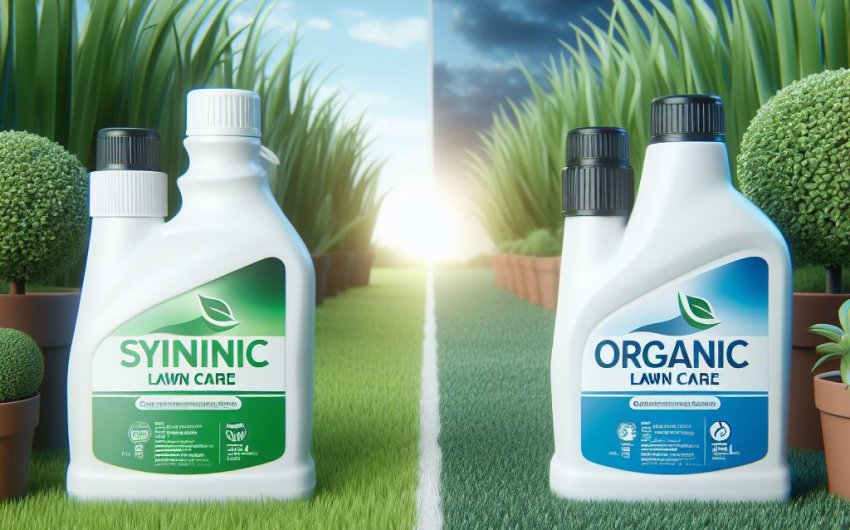
For many homeowners, a lush, green lawn is the epitome of curb appeal and outdoor enjoyment. The pursuit of that perfect turf often leads to a crucial decision: how to care for it. The market is broadly divided into two main philosophies: synthetic lawn care and organic lawn care. Each approach offers distinct advantages and disadvantages, influencing not only the look of your grass but also its long-term health, the surrounding environment, and the effort required from the gardener. Understanding the fundamental differences between these methods is key to choosing the right path for your lawn and your lifestyle.
Synthetic lawn care products often promise quick, visible results, delivering a rapid green-up and seemingly effective pest and weed control. This approach typically relies on manufactured chemical fertilizers, herbicides, and insecticides. On the other hand, organic lawn care champions a more holistic, nature-based strategy, focusing on building healthy soil and fostering a robust ecosystem to support the grass naturally. This method prioritizes long-term soil health and environmental sustainability. Deciding between these two pathways involves weighing immediate gratification against enduring ecological benefits, and finding a balance that aligns with your gardening philosophy and desired outcome for your green space.
What Are Synthetic Lawn Care Products?
Synthetic lawn care products are manufactured chemicals designed to provide specific benefits to your lawn, often with quick results. They are typically derived from non-renewable resources.
What are Synthetic Fertilizers?
Synthetic fertilizers (also called chemical fertilizers or inorganic fertilizers) are manufactured products that contain precise amounts of specific nutrients (primarily nitrogen, phosphorus, and potassium, often referred to as N-P-K ratios).
- Composition: They are produced through industrial processes, often involving mining or chemical reactions. Examples include urea, ammonium nitrate, and triple superphosphate.
- How They Work: These fertilizers are typically highly soluble in water, meaning the nutrients are immediately available for grass roots to absorb. This leads to a very fast green-up and rapid growth.
- Pros:
- Fast Acting: Deliver quick, noticeable results, often within days.
- Precise Ratios: Allow for precise control over nutrient delivery to address specific deficiencies.
- Concentrated: A small amount goes a long way.
- Easy to Apply: Often available in granular form that is easy to spread with a broadcast spreader.
- Cons:
- Nutrient Leaching/Runoff: Highly soluble nutrients can easily wash away with rain or irrigation, polluting waterways and wasting product.
- Can Burn Lawn: Over-application can "burn" the grass, turning it brown and damaging it.
- Salt Buildup: Can contribute to salt buildup in the soil over time, harming soil microbes and overall soil health.
- Short-Lived Impact: Often provide a quick burst of growth that tapers off, requiring frequent reapplication.
- No Soil Improvement: Do not contribute to soil structure or long-term soil health.
What are Synthetic Herbicides (Weed Killers)?
Synthetic herbicides are chemicals designed to kill or prevent the growth of unwanted plants (weeds).
- Composition: Contain active chemical ingredients formulated to target specific plant processes. Examples include 2,4-D, glyphosate, dicamba.
- How They Work: They can be selective (killing only certain plant types, like broadleaf weeds but not grass) or non-selective (killing almost all plants they contact). They work by disrupting growth, photosynthesis, or other vital plant functions.
- Pros:
- Effective: Can be very effective at quickly eliminating weeds.
- Convenient: Easy to apply, often as a spray or granular product. A pump sprayer for weeds is common for liquid applications.
- Targeted (some): Selective herbicides can remove weeds without harming your grass.
- Cons:
- Environmental Concerns: Can be harmful to beneficial insects (including pollinators), wildlife, and potentially leach into groundwater.
- Health Concerns: Some chemicals have potential health risks for humans and pets, especially if used improperly.
- Resistance: Repeated use can lead to weed resistance, making them harder to control over time.
- Soil Damage: Can negatively impact beneficial soil microorganisms.
- Runoff: Can wash into waterways, contributing to pollution.
What are Synthetic Insecticides?
Synthetic insecticides are chemicals designed to kill or repel insect pests.
- Composition: Contain active chemical ingredients that target insect nervous systems or other biological processes. Examples include bifenthrin, carbaryl, malathion.
- How They Work: Can be broad-spectrum (killing many types of insects) or more targeted.
- Pros:
- Fast-Acting: Can quickly eliminate pest infestations.
- Effective: Often highly effective at reducing pest populations.
- Convenient: Easy to apply as sprays, granules, or dusts.
- Cons:
- Harmful to Beneficial Insects: Broad-spectrum insecticides kill beneficial insects (like ladybugs, lacewings, and pollinators) as well as pests, disrupting the natural balance of your lawn's ecosystem.
- Environmental Impact: Can be toxic to wildlife (birds, fish) and can persist in the environment.
- Health Risks: Potential health concerns for humans and pets, especially with improper use.
- Pest Resistance: Can lead to insect populations developing resistance over time. A sprayer for insect control should be used with caution.
What Are Organic Lawn Care Products and Practices?
Organic lawn care focuses on building a healthy soil ecosystem and promoting natural processes to support turf growth and health.
What are Organic Fertilizers?
Organic fertilizers are derived from natural sources, either plant-based (like compost, alfalfa meal) or animal-based (like manure, bone meal, blood meal).
- Composition: Made from naturally occurring materials. They release nutrients as they are broken down by soil microorganisms.
- How They Work: Nutrients are released slowly over time, providing a steady supply to the grass. They also feed and enhance the soil food web.
- Pros:
- Feeds the Soil: Improve soil structure, aeration, and water retention by adding organic matter.
- Slow Release: Provide a steady, consistent supply of nutrients, reducing the risk of "burning" the lawn.
- Environmentally Friendly: Less likely to leach into waterways or cause pollution. Safe for beneficial insects and wildlife.
- Long-Term Health: Promote a healthier, more resilient lawn over time.
- Cons:
- Slower Acting: Results are not as immediate or dramatic as synthetic fertilizers. Patience is required.
- Lower N-P-K Ratios: Often have lower nutrient concentrations, meaning you might need to apply more volume.
- Odor (some): Some organic fertilizers (e.g., fish emulsion, manure) can have an initial odor.
- Cost (sometimes): Can be more expensive per pound of nutrient, but often lead to less frequent applications over time. A bag of organic granular fertilizer is a good starting point.
What are Organic Weed Control Methods?
Instead of killing weeds with chemicals, organic weed control focuses on preventing them and outcompeting them.
- Healthy, Dense Turf: The best weed control is a thick, healthy lawn. When grass is dense, it crowds out weeds and prevents weed seeds from germinating due to lack of light.
- Proper Mowing: Mowing at the correct height (usually 3-4 inches) encourages deeper grass roots and shades out weed seeds. Mulch mowing (leaving grass clippings on the lawn) also returns nutrients and helps suppress weeds.
- Hand-Weeding: For individual weeds, hand-pulling is highly effective, especially when weeds are small and the soil is moist. A garden weeding tool can assist.
- Corn Gluten Meal: This natural product acts as a pre-emergent herbicide, preventing weed seeds from sprouting. It also contains nitrogen, acting as a fertilizer. Must be applied at the right time.
- Horticultural Vinegar: A strong acetic acid solution that can kill young weeds on contact. Use with caution as it's non-selective.
- Flame Weeding: Using a propane torch to scorch weeds (caution required).
What are Organic Pest Control Methods?
Organic pest control focuses on prevention and natural predators rather than broad-spectrum killing.
- Healthy Soil/Grass: A strong, healthy lawn is inherently more resistant to pest infestations.
- Beneficial Insects: Encourage beneficial insects (like ladybugs, lacewings, predatory nematodes) that prey on lawn pests. Avoid anything that might harm them. A beneficial nematodes product can control grubs.
- Cultural Practices: Aeration, proper watering, and correct mowing height reduce stress on the grass, making it less susceptible to pests.
- Manual Removal: For larger pests, manual removal can be effective.
- Targeted Organic Pesticides (Last Resort): If a severe infestation occurs, use the least toxic options like neem oil or insecticidal soap applied specifically to the affected area.
What are the Pros and Cons of Synthetic Lawn Care?
Let's break down the advantages and disadvantages of using synthetic lawn care products.
Pros of Synthetic Lawn Care
- Fast Results: The biggest appeal. You'll often see a rapid green-up and quick eradication of weeds and pests. This offers immediate gratification.
- Precise Control: Synthetic fertilizers offer exact N-P-K ratios, allowing you to tailor nutrient application if you know your specific soil deficiencies.
- Convenience: Products are often easy to apply with standard spreaders or sprayers, and results are generally predictable.
- Cost-Effectiveness (Short-Term): While costs add up over time, the initial price per pound of nutrient or per area treated can sometimes be lower than organic alternatives.
- Broad-Spectrum Solutions: Some synthetic products offer "weed and feed" combinations or broad-spectrum pesticides that seem to solve multiple problems with one application.
Cons of Synthetic Lawn Care
- Environmental Impact:
- Water Pollution: Soluble fertilizers and pesticides can easily wash into storm drains and waterways, causing eutrophication (algae blooms) and harming aquatic life.
- Air Pollution: Manufacturing synthetic fertilizers is energy-intensive and can contribute to greenhouse gas emissions.
- Soil Degradation: Can harm beneficial soil microorganisms, which are essential for long-term soil health, and lead to salt buildup.
- Non-Renewable Resources: Derived from fossil fuels or mined minerals.
- Health Concerns: Potential health risks for children, pets, and adults from exposure to chemicals, especially immediately after application. Always follow safety instructions.
- Short-Lived Effects: Often provide a "jolt" of growth or a quick kill, but effects wear off quickly, requiring frequent reapplication and creating a cycle of dependency.
- Pest and Weed Resistance: Over time, weeds and insects can develop resistance to chemicals, making them harder to control and requiring stronger or different products.
- Disrupts Ecosystem: Kills beneficial insects, worms, and microbes, disrupting the natural balance and making your lawn more dependent on chemical inputs.
- Does Not Improve Soil Structure: Focuses only on feeding the plant, not building healthy soil.
What Are the Pros and Cons of Organic Lawn Care?
Now, let's look at the advantages and disadvantages of adopting an organic lawn care philosophy.
Pros of Organic Lawn Care
- Builds Soil Health: The fundamental goal of organic lawn care is to feed the soil, not just the grass. This improves soil structure, increases organic matter, enhances water retention, and promotes a thriving soil food web. A healthy soil leads to healthy grass.
- Long-Term Resilience: A lawn with healthy soil and a robust microbial ecosystem is more resilient to environmental stresses (drought, heat), pests, and diseases. It becomes a self-sustaining system.
- Environmentally Friendly:
- Reduces Pollution: No chemical runoff into waterways.
- Safe for Wildlife/Pollinators: Supports beneficial insects, birds, and other wildlife. Much safer for pets and children.
- Reduces Landfill Waste: Practices like mulch mowing and composting divert organic waste from landfills.
- Sustainable: Uses renewable resources and fosters natural processes.
- Safer for Family and Pets: Significantly reduces exposure to potentially harmful chemicals. A pet-friendly lawn care product is often organic.
- Reduced Water Needs: Improved soil structure and organic matter content mean the soil holds water better, often reducing the need for irrigation.
Cons of Organic Lawn Care
- Slower Results: Organic methods require patience. You won't see a dramatic green-up overnight, and it takes time to build soil health. The transition from a chemically dependent lawn can take 1-3 years.
- More Labor-Intensive (Initially): Hand-weeding, building compost, and potentially more frequent mowing (for mulch mowing) can seem like more work at first.
- Knowledge Required: Requires a deeper understanding of soil biology, plant needs, and pest/disease life cycles to effectively manage problems organically.
- Higher Upfront Cost (sometimes): Some organic products can be more expensive per application, though this is often offset by less frequent use or long-term benefits.
- Less "Perfect" Look: An organic lawn might have a few more weeds or some less uniform color than a chemically treated lawn, especially during transition. The aesthetic embraces a more natural look.
- Odor (some products): Some organic fertilizers (e.g., fish emulsion, manure-based products) can have a temporary odor after application.
Which Approach is Right for Your Lawn?
The choice between synthetic vs. organic lawn care depends on your priorities, expectations, and commitment.
What are Your Priorities?
- Immediate Results vs. Long-Term Health:
- If you prioritize a very fast, uniformly green, weed-free lawn right now, even if it means ongoing chemical inputs and potential environmental impact, synthetic care might appeal.
- If you prioritize long-term soil health, environmental sustainability, a safer environment for family/pets, and are willing to be patient for results, organic care is your path.
- Level of Effort/Learning Curve:
- Synthetic care can sometimes feel simpler from an application standpoint ("just follow the directions").
- Organic care requires more observation, understanding of ecology, and potentially more hands-on weeding or cultural practices. A gardening book for organic lawn care can be a great resource.
- Environmental Concerns: How important is it to you to reduce chemical use, support local ecosystems, and minimize your carbon footprint?
Can I Transition from Synthetic to Organic?
Yes, a transition is very common and highly recommended. It’s rarely an overnight switch.
- Gradual Approach: You can gradually reduce synthetic inputs while increasing organic practices.
- Soil Building: Focus heavily on soil building – incorporating compost, mulch mowing, and aerating. This will naturally make your lawn healthier and less dependent on chemicals.
- Patience: The transition period (1-3 years) can be challenging as the lawn adjusts. You might see some initial setbacks (more weeds as the grass strengthens, slower green-up).
- Start with Basic Organic Practices: Begin by mulch mowing, fertilizing with organic products, and hand-weeding. Reduce chemical use slowly.
Are Hybrid Approaches Possible?
Yes, a hybrid approach (sometimes called sustainable lawn care or integrated lawn management) is often a practical middle ground.
- Prioritize Organic: Focus on organic methods as your primary strategy:
- Use organic fertilizers.
- Practice mulch mowing.
- Build soil health with compost.
- Promote beneficial insects.
- Targeted Synthetics (as a last resort): If a specific pest or weed problem becomes severe and organic methods aren't working, you might use a highly targeted synthetic product sparingly, rather than broad-spectrum sprays. This minimizes chemical use while addressing critical issues.
- Education is Key: Regardless of the approach, educating yourself on proper lawn care techniques (correct mowing height, appropriate watering, aeration, overseeding) will be the most impactful factor in maintaining a healthy, beautiful lawn. An aeration tool for lawns is essential for any healthy lawn care strategy.