
How can I prevent my lawn from getting compacted?
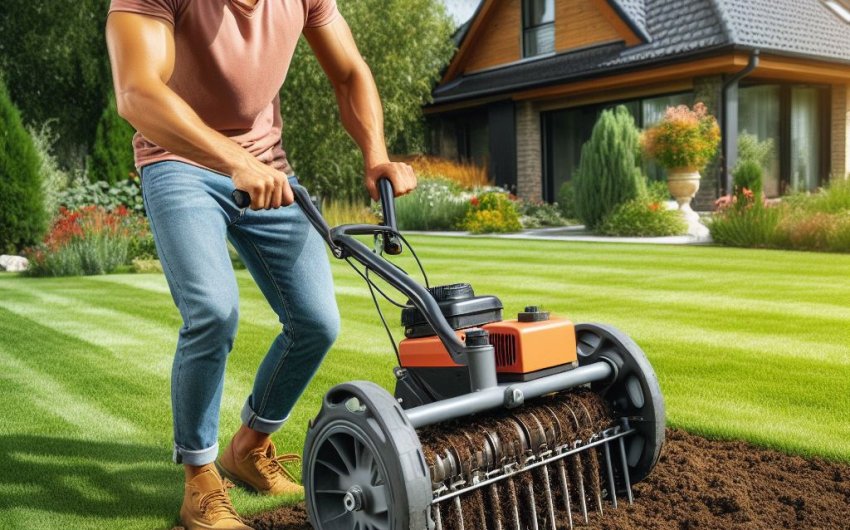
Your lawn is a living thing. It breathes, it drinks, and it needs a good foundation to grow strong and green. One big problem that can stop your lawn from being its best is soil compaction. This happens when the soil particles get squished together, making it hard for air, water, and nutrients to reach the grass roots. Think of it like trying to breathe with a heavy weight on your chest – it’s just not easy. When your soil gets too dense, roots struggle to spread out, water can't soak in properly, and your grass starts to look thin, weak, and unhealthy. You might notice puddles after it rains, even on a slight slope, or your grass just isn't responding to fertilizer like it used to. Understanding how to keep your soil loose and happy is key to a beautiful, thriving lawn that can withstand everyday wear and tear.
How Do I Know if My Lawn is Compacted?
It can be tough to tell if your lawn is compacted just by looking at it, but there are some clear signs. One of the most obvious is poor drainage. If you see water pooling on your lawn long after it rains, or if it takes a long time for water to soak in, that's a big clue. Water needs to be able to move down through the soil to reach the roots. When the soil is packed tight, water just sits on top.
Another sign is thin or patchy grass growth. When roots can't get enough air, water, and food, they can't grow strong. This leads to weak grass that might have yellow spots or just not fill in nicely. You might also notice that your lawn feels very hard underfoot, almost like walking on concrete, rather than having a little spring to it.
You can also do a simple test. Take a screwdriver or a metal rod and try to push it into your lawn. If it's hard to push in more than a few inches, even when the soil is damp, then you probably have compacted soil. In healthy, loose soil, the screwdriver should go in fairly easily. You can also dig a small hole, about (6) inches deep, and look at the soil structure. If it looks dense and clumped together with few visible air pockets, that's a sign of compaction. You might even see roots that are growing sideways because they can't push down into the hard soil.
Why Does My Lawn Get Compacted?
Several things can cause your lawn to become compacted. Understanding these causes is the first step in preventing the problem. The main culprits are often activities we do on our lawns every day.
Heavy Foot Traffic and Play
This is a big one. Think about areas where people walk a lot, like pathways or around play equipment. Every step presses down on the soil. Over time, all that pressure squishes the soil particles together, pushing out the air and creating those dense patches. Kids playing, pets running around, and even just walking on your lawn regularly can add up to significant compaction. Imagine a well-used shortcut across a park – the grass there is often worn down and the soil is rock hard. This is exactly what happens on a smaller scale in your yard. Even things like setting up a portable basketball hoop or a swing set can create concentrated areas of traffic that lead to severe compaction.
Heavy Machinery and Equipment
Using heavy lawn mowers, tractors, or even utility carts can compact the soil. The weight of these machines puts a lot of pressure on the ground. If you always take the same path with your mower, those tracks will become particularly compacted. Construction work near your lawn, even if it's not directly on the grass, can also cause problems due to heavy equipment driving over the area or large amounts of material being stored on the soil. It's not just the weight, but also the vibration that can settle soil particles more tightly.
Poor Soil Type
Some soil types are more prone to compaction than others. Clay soil is a big offender. Clay particles are very small and flat, and they tend to stick together tightly. This means they have less space for air and water compared to sandy or loamy soils. While sand allows water to drain quickly, it can also compact, especially if it's very fine sand without much organic matter. Loamy soil, which is a good mix of sand, silt, and clay, is generally the best for resisting compaction because it has a good balance of particle sizes and spaces. If your lawn is primarily clay, you'll need to be more proactive in preventing compaction.
Not Enough Organic Matter
Organic matter is super important for healthy soil. This includes things like compost, decaying leaves, and grass clippings. Organic matter acts like a sponge, holding water and nutrients. It also creates spaces in the soil, preventing particles from packing too tightly. When soil lacks enough organic matter, it becomes much more susceptible to compaction. It’s like trying to build a house without proper framing – it just won't hold up. Soil with low organic matter often feels lifeless and hard.
Improper Watering
Believe it or not, how you water your lawn can affect compaction. If you water too frequently but only for a short time, you're encouraging shallow root growth. Roots need to grow deep to find water and nutrients. When roots stay near the surface, they don't help to loosen the deeper soil. Also, watering when the soil is already very wet can make it even more prone to compaction, especially if you then walk or drive on it. Overly saturated soil can be more easily compressed.
What Are the Best Ways to Prevent Lawn Compaction?
Preventing compaction is all about giving your soil the best chance to stay loose and airy. It involves a mix of smart lawn care practices and some proactive measures.
Aeration: The Key to Loosening Soil
Aeration is perhaps the most important thing you can do to prevent and fix compacted soil. This process involves making small holes in your lawn to allow air, water, and nutrients to penetrate the soil. It's like giving your lawn a breath of fresh air. There are two main types of aerators:
Spike Aerators
These simply poke holes in the ground with solid tines. Think of them like a garden fork or a lawn aerator sandals. While they do create holes, they can also cause some minor compaction around the edges of the holes, as they push soil aside rather than removing it. They are less effective for severely compacted lawns but can be a good option for light aeration or for spot-treating small areas. They're also easier to use and more affordable for homeowners. A manual spike aerator tool can be good for small patches.
Core Aerators
These are the real heroes for compaction. Core aerators (also called plug aerators) actually remove small plugs or cores of soil from your lawn. This creates larger, longer-lasting holes and truly relieves compaction. By removing soil, they create pathways for air, water, and nutrients to reach the roots and give the roots space to grow. You can rent a core aerator machine from a local tool rental shop, or hire a lawn care professional to do it. It's generally recommended to core aerate once a year, or even twice a year for heavily trafficked areas or very clayey soils. The best time to aerate is when your grass is actively growing, so it can quickly recover and fill in the holes. For cool-season grasses (like fescue or bluegrass), this is usually in the fall or early spring. For warm-season grasses (like bermudagrass or zoysia), late spring or early summer is best. After aerating, it's a great time to overseed and topdress with compost.
Topdressing with Organic Matter
Adding organic matter to your lawn is one of the best long-term solutions for preventing compaction and improving soil health. Topdressing means spreading a thin layer of material over your existing lawn. The best materials for topdressing are compost or well-rotted manure. These materials are full of beneficial microbes and nutrients, and they help create a healthy, crumbly soil structure.
When you topdress, the organic matter works its way down into the soil, especially after aeration or rain. It improves drainage in clay soils and helps sandy soils hold onto water better. It also feeds your lawn naturally, reducing the need for chemical fertilizers. You can spread compost using a topdressing spreader or simply with a shovel and rake. Aim for a layer of about (1/4) to (1/2) inch thick. Doing this once or twice a year, especially after aeration, will make a huge difference in your soil's long-term health and its ability to resist compaction.
Proper Mowing Practices
How you mow your lawn can also impact compaction. Here are a few tips:
Vary Mowing Patterns
Don't mow your lawn in the exact same direction every single time. If you always go north-south, then next time try east-west, or even diagonally. This helps to distribute the weight of your mower more evenly, preventing the creation of compacted ruts. It also helps your grass stand up straighter and grow more uniformly. Think of it like walking in fresh snow – if you always take the same path, you create a deep rut.
Use Lighter Equipment
If you have a very large and heavy riding mower, consider if a lighter model or even a push mower might be suitable for certain areas. The lighter the equipment, the less pressure it puts on the soil. For smaller lawns, a manual reel mower is an excellent choice as it causes virtually no compaction.
Keep Mower Blades Sharp
Dull mower blades tear grass blades rather than cutting them cleanly. This stresses the grass and makes it more susceptible to disease and thinning, which can indirectly contribute to issues that make soil more vulnerable. Sharp blades promote healthier, stronger grass that can better withstand environmental stresses, including minor compaction. Invest in a blade sharpener or have your blades professionally sharpened regularly.
Smart Traffic Management
Controlling where and how much weight goes on your lawn is crucial.
Create Pathways
If there are areas of your lawn that get a lot of foot traffic, consider installing designated pathways. This could be stepping stones, pavers, or even a simple gravel path. This redirects foot traffic away from the grass, protecting the soil from constant pressure. A garden pathway kit can offer simple solutions.
Limit Heavy Equipment Use
Avoid driving vehicles, large equipment, or even heavy wheelbarrows directly on your lawn whenever possible. If you must use them, try to spread out the load by using wider tires or driving on different paths each time. For things like moving large amounts of soil or mulch, consider having it dropped in your driveway and moving it to the garden with a smaller garden wagon or smaller loads with a wheelbarrow.
Protect Play Areas
If you have kids or pets, their play areas will naturally get compacted. Consider adding mulch, wood chips, or a rubberized surface under swing sets, slides, and other high-traffic play zones. This not only protects the soil but also provides a safer surface for play. A good quality playground mulch can be very effective.
Proper Watering Techniques
Watering correctly encourages deep root growth, which helps keep the soil loose.
Water Deeply and Infrequently
Instead of light, frequent watering, water your lawn deeply but less often. This means applying enough water to soak the soil down several inches (usually (4) to (6) inches). Deep watering encourages grass roots to grow down into the soil to find moisture. These deeper roots help to create channels and pathways in the soil, naturally resisting compaction. Frequent, shallow watering, on the other hand, keeps roots near the surface, leaving deeper soil untouched and more prone to compaction. You can use a rain gauge to measure how much water your lawn is getting.
Water Early in the Morning
Watering in the early morning (between (4) AM and (10) AM) is best. This allows the water to soak in before the sun gets too hot and causes excessive evaporation. It also gives the grass blades time to dry before nightfall, which helps prevent fungal diseases. Watering in the evening can leave the grass wet overnight, promoting disease. Watering at midday leads to a lot of water loss to evaporation.
Avoid Watering Compacted Areas Immediately Before Traffic
If you know an area will get heavy traffic (like before a party or kids playing), try to avoid watering it just beforehand. Wet, compacted soil is even more susceptible to further compaction. Let the soil dry out a bit if possible before heavy activity.
Leave Grass Clippings on the Lawn (Mulch Mowing)
Mulch mowing is an easy and effective way to add organic matter back to your soil. When you mulch mow, your lawn mower finely chops the grass clippings and returns them to the lawn. These small pieces quickly break down, adding valuable nutrients and organic matter to the soil. This improves soil structure and helps prevent compaction over time.
Make sure your mower has a mulching blade or a mulching kit. If you're cutting a lot of grass, or if the grass is wet, you might need to go over the area twice to ensure the clippings are small enough to disappear into the lawn. If you have thick clumps of clippings, rake them up, as they can smother the grass. A good mulching lawn mower is a worthwhile investment.
Add Soil Amendments
For very specific soil types, adding amendments can make a big difference.
Gypsum for Clay Soils
For heavy clay soils, gypsum (calcium sulfate) can sometimes help. Gypsum works by improving the aggregation of clay particles, essentially making them clump together in larger units, which creates more air spaces. It doesn't physically break up compaction, but it can help prevent future compaction and improve water infiltration over time. It's often recommended for saline (salty) soils, but can also be useful for very dense clay. Spread granular lawn gypsum according to package directions, then water it in. While it's not a quick fix for severe compaction, it's a good long-term soil conditioner for clay.
Organic Soil Conditioners
Beyond just compost, there are other organic soil conditioners available. These often contain ingredients like humic acids, fulvic acids, seaweed extract, and various beneficial microbes. These products are designed to improve soil structure, increase nutrient availability, and encourage healthy root growth. They work by enhancing the biological activity in the soil, which helps to naturally break down organic matter and create a more open, porous structure. Look for liquid or granular organic soil conditioners and apply them as directed.
Encourage Deep Root Growth
Healthy, deep roots are your lawn's natural aerators. They push through the soil, creating channels and helping to keep the soil loose.
Proper Fertilization
Fertilizing your lawn correctly provides the nutrients grass needs to grow strong roots. Focus on a balanced fertilizer that promotes root development, especially those with good phosphorus (P) content, which is important for root growth. Avoid over-fertilizing with nitrogen (N), which can lead to excessive top growth at the expense of root development. A slow-release fertilizer is often best as it feeds the lawn over a longer period.
Overseeding
Overseeding means spreading new grass seed over your existing lawn. This helps to thicken up thinning areas and introduce new, stronger grass varieties that might have better root systems or be more resistant to wear. Thicker grass itself provides a protective layer that helps cushion the soil from traffic. After aerating and topdressing, overseeding is an excellent next step as the new seeds will have direct contact with the soil and better conditions for germination. Choose a grass seed blend that is suitable for your climate and sun conditions.
Raised Garden Beds
While not directly about your lawn, if you're growing vegetables or flowers in specific areas, using raised garden beds can prevent compaction in those spots. In raised beds, you bring in high-quality, uncompacted soil, and you never walk on the growing area. This keeps the soil loose and healthy, allowing plant roots to thrive without the constant pressure of foot traffic. You can build raised garden beds from wood, metal, or composite materials.
Long-Term Lawn Care and Compaction Prevention
Preventing compaction is not a one-time fix; it's an ongoing process of good lawn care. By adopting these practices, you can ensure your lawn stays healthy, green, and resistant to the pressures of everyday life.
Regular Soil Testing
Knowing what's in your soil is power. Soil testing tells you about your soil's pH level (how acidic or alkaline it is) and what nutrients are present or missing. It also gives you insights into your soil type. This information helps you make smart decisions about fertilization, amendments, and overall lawn care. Many local cooperative extension offices offer affordable soil testing services. A good soil test will guide your fertilizer and amendment choices.
Being Mindful of Your Habits
The simplest prevention often comes down to awareness. Before you walk across your wet lawn, think about whether you can take a different route. When you're mowing, consider switching up your pattern. Small changes in habit can lead to big improvements in soil health over time. Teach children to avoid running in the same areas repeatedly. If you have a dog, try to vary their routes and play areas across the yard to spread out the impact.
Patience is Key
Improving compacted soil and preventing future compaction takes time. You won't see dramatic changes overnight. But by consistently applying these strategies – aerating, topdressing, watering correctly, and being mindful of traffic – you will gradually build a stronger, healthier, and more beautiful lawn that can naturally resist compaction and bounce back from stress. Think of it as an investment in the long-term health of your yard. The goal is to create a living ecosystem in your soil that supports strong, vibrant grass from the roots up.