
What are the benefits of mulching grass clippings?
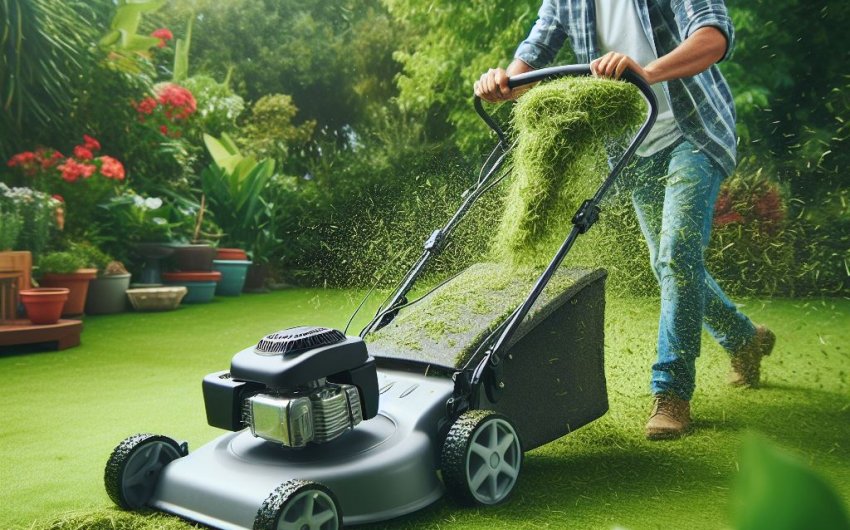
Maintaining a vibrant, healthy lawn is a goal for many homeowners, and often involves regular mowing. Traditionally, after cutting the grass, the clippings were bagged and disposed of, perhaps sent to a landfill or composted elsewhere. However, a growing number of gardeners and lawn care enthusiasts are discovering a simpler, more beneficial approach: mulching grass clippings. This method involves leaving the finely chopped grass blades on the lawn rather than removing them. It might seem counterintuitive to leave organic material on your lawn, but this practice offers a wealth of advantages for your turf, your wallet, and the environment.
Embracing the practice of leaving grass clippings on your lawn is a shift in mindset that moves towards a more sustainable and efficient lawn care routine. It's an easy way to return valuable nutrients to the soil, reduce waste, and even save time and effort. Many modern lawn mowers are equipped with mulching blades that make this process seamless, chopping the grass into tiny pieces that quickly decompose. By understanding the science behind mulch mowing and implementing a few simple techniques, you can transform your lawn into a greener, healthier, and more resilient expanse of turf without the added cost or hassle of bagging.
What are the Main Benefits of Mulching Grass Clippings for Your Lawn?
Leaving grass clippings on your lawn, also known as mulch mowing or grasscycling, offers a surprising number of direct benefits to the health and vitality of your turf.
How Does Mulching Grass Clippings Fertilize Your Lawn?
This is perhaps the biggest and most overlooked benefit. Grass clippings are not waste; they are a free, natural, and slow-release fertilizer for your lawn.
- Rich in Nutrients: Grass blades contain essential nutrients that your lawn needs to thrive, primarily nitrogen, but also potassium and phosphorus, along with micronutrients. When you bag and remove clippings, you're essentially removing these valuable elements from your lawn's ecosystem.
- Natural Nutrient Cycling: By leaving the clippings, you're returning these nutrients directly to the soil. As the tiny clippings decompose, they release these nutrients back into the soil, where the grass roots can reabsorb them. This creates a natural nutrient cycle, mimicking what happens in nature when organic matter breaks down.
- Reduced Fertilizer Needs: Because your lawn is receiving a continuous supply of natural fertilizer from the decomposing clippings, you can often reduce the amount of synthetic fertilizer you need to apply, or even eliminate it entirely in some cases. This saves money and reduces the environmental impact associated with chemical fertilizers. It's like having a slow-release lawn fertilizer applied with every mow.
How Does Mulching Help Retain Soil Moisture?
Grass clippings act as a natural mulch layer on the soil surface, similar to how wood chips or straw are used in garden beds.
- Reduces Evaporation: The thin layer of clippings helps to shade the soil from direct sunlight and wind, significantly reducing the rate at which water evaporates from the soil surface. This means the soil stays moist for longer.
- Less Watering: With improved moisture retention, your lawn will require less frequent watering, especially during dry spells or hot summer months. This saves water resources and reduces your water bill.
- Protects Soil from Sun: Just like sunscreen, the clippings protect the soil from the harsh drying effects of the sun, helping to maintain a more consistent soil temperature, which is beneficial for root health. A soil moisture meter can help you observe this benefit directly.
How Do Mulched Clippings Improve Soil Health and Structure?
Beyond just adding nutrients, decomposing grass clippings actively improve the overall health and structure of your soil over time.
- Adds Organic Matter: As the clippings break down, they contribute organic matter to the soil. Organic matter is the backbone of healthy soil, improving almost every aspect of it.
- Enhances Soil Structure: Organic matter helps to create a crumbly soil structure (also called good soil aggregation). This means the soil particles bind together into stable clumps, creating tiny air pockets. These air pockets are crucial for soil aeration (allowing oxygen to reach roots) and drainage (preventing waterlogging), while still allowing the soil to retain moisture.
- Feeds Microorganisms: Decomposing grass clippings are a feast for beneficial soil microorganisms (bacteria, fungi, earthworms, etc.). These tiny organisms break down the clippings, releasing nutrients and creating humus, a stable form of organic matter that further improves soil fertility and structure. A thriving soil food web is essential for a healthy lawn. You can see the benefits with a soil test kit over time.
How Does Mulching Help Suppress Weeds?
A light layer of mulched grass clippings can act as a natural barrier against unwanted weeds.
- Blocks Sunlight: The clippings help to shade the soil surface, blocking sunlight from reaching weed seeds. Many weed seeds need light to sprout, so preventing light exposure can reduce weed germination.
- Physical Barrier: While not as thick as a dedicated mulch layer, even a thin layer of clippings can make it harder for small weed seedlings to push through to the surface.
- Reduced Weed Competition: When weeds are suppressed, your grass faces less competition for water, nutrients, and sunlight, allowing your turf to grow thicker and healthier. A dense, healthy lawn is itself the best weed control.
What are the Environmental and Practical Advantages?
Beyond direct benefits to your lawn, mulching grass clippings also offers significant advantages for the environment and makes your lawn care routine more efficient.
How Does Mulching Reduce Landfill Waste?
One of the most immediate environmental impacts of grasscycling is the reduction of waste.
- Less Green Waste: Lawns produce a massive amount of grass clippings each year. Bagging these clippings contributes significantly to municipal solid waste. By leaving the clippings on your lawn, you divert this organic material from landfills.
- Reduces Landfill Burden: Landfills are finite spaces, and filling them with readily decomposable organic material like grass clippings puts unnecessary strain on waste management systems. It also takes up valuable space that could be used for non-recyclable waste.
- Minimizes Methane Gas: When organic materials like grass clippings break down in oxygen-poor (anaerobic) landfill environments, they produce methane, a potent greenhouse gas that contributes to climate change. By allowing clippings to decompose aerobically on your lawn, methane production is significantly reduced. This is a simple but powerful step towards a compost bin at home.
How Does Mulching Save Time and Effort?
For anyone who mows their lawn, the time and effort savings from not bagging clippings are immediately noticeable.
- No Bagging: The most obvious time saver is eliminating the need to stop and empty the grass catcher repeatedly during mowing. This can cut mowing time by 20-40% for many homeowners.
- No Hauling: You no longer need to haul heavy bags of clippings to the curb for pickup, or transport them to a compost facility. This saves physical effort and reduces fuel consumption for transport.
- No Disposing: The entire process of disposal, whether it's waiting for trash day or making special trips, is removed from your chore list. It makes lawn care much simpler and more efficient, freeing up your time for other activities or relaxation. A cordless lawn mower with mulching capability further enhances this efficiency.
Does Mulching Reduce My Reliance on Chemical Fertilizers?
Yes, absolutely. This is a direct consequence of the nutrient cycling benefit.
- Natural Nutrient Source: As established, grass clippings are a natural source of nitrogen, potassium, and phosphorus, which are the primary nutrients your lawn needs.
- Reduced Inputs: By regularly returning these nutrients to your lawn, you lessen the need to purchase and apply synthetic chemical fertilizers. This not only saves you money but also reduces the potential for nutrient runoff into waterways, which can cause environmental problems like algae blooms.
- Healthier Soil Ecosystem: Relying more on natural nutrient sources fosters a healthier and more diverse soil food web, making your lawn more resilient and less dependent on external chemical inputs over the long term. This promotes a truly organic lawn care approach.
What Equipment Do I Need for Effective Mulching?
While most mowers can be adapted, certain equipment makes the process of mulching grass clippings much more effective.
What is a Mulching Mower or Mulching Blade?
The key to successful mulch mowing is to ensure the grass clippings are finely chopped, allowing them to decompose quickly and disappear into the turf.
- Mulching Mower: Many modern lawn mowers are designed specifically for mulching. They often have a special deck design and unique mulching blades that create a strong air current (or vortex) to keep the grass clippings circulating within the deck for a longer period. This allows the blades to chop the clippings multiple times into very small pieces before they are discharged back onto the lawn.
- Mulching Blade: If you don't have a dedicated mulching mower, you can often convert your existing mower by installing a mulching blade (sometimes called a 3-in-1 blade or atomic blade). These blades have a unique design with extra cutting surfaces and a more curved shape to create turbulence and recut the clippings. They can be found for most common mower brands. An excellent choice is a replacement mulching blade designed for your specific mower model.
- Side Discharge Plug: For mowers with bagging or side discharge options, you'll need to make sure the discharge chute is blocked off with a mulching plug or baffle. This keeps the clippings contained within the mower deck for finer chopping.
Finely chopped clippings are important because larger clippings can clump, smother the grass, and take longer to break down.
Do I Need a Specific Type of Lawn Mower?
You don't necessarily need a brand-new, expensive mower, but the right type helps.
- Rotary Mowers: Most common rotary lawn mowers (gas or electric) can be used for mulching. As mentioned, upgrading to a mulching blade is often sufficient.
- Self-Propelled Mowers: These can make mowing easier, especially on larger or sloped lawns, and many come with mulching capabilities.
- Robot Mowers: Some advanced robot lawn mowers are designed to constantly trim tiny amounts of grass, effectively mulching them as they go, providing continuous nutrient recycling.
- Reel Mowers: While excellent for a very fine cut, traditional manual reel mowers don't typically mulch in the same way rotary mowers do. They simply leave the clippings where they fall. For a very short cut, this works fine, but they won't chop the clippings into tiny, easily decomposable pieces.
The most important factor is the mulching capability – whether it's a dedicated mulching mower or a standard mower fitted with a mulching blade and deck plug.
Are There Any Tools to Help with Mulching Clippings?
Beyond the mower itself, a few simple tools can help ensure effective mulching.
- Sharp Blades: This is critical! Dull mower blades tear grass, leaving ragged ends that brown and are more prone to disease. Sharp blades ensure a clean cut and more effectively chop clippings into tiny pieces for faster decomposition. Sharpen your blades regularly or keep a spare set. A lawn mower blade sharpener can be a good investment.
- Safety Gear: Always wear safety glasses and sturdy shoes when mowing, especially when changing blades. A pair of heavy-duty work gloves is also useful.
- Rake (for emergencies): While the goal is to eliminate raking, sometimes (especially if you cut very long grass), you might end up with clumps. A lightweight leaf rake can be handy to quickly spread out any noticeable clumps of clippings to prevent smothering.
What Are the Best Practices for Successful Mulch Mowing?
To fully reap the benefits of mulching grass clippings and avoid any potential problems, follow these best practices.
How Often Should I Mow for Best Mulching Results?
Frequency is key for effective mulching.
- Mow Frequently: The "golden rule" of mulching is to mow frequently. This means mowing often enough so that you are never removing more than one-third of the grass blade length at a time. For most lawns, this translates to mowing once or twice a week during peak growing season.
- Short Clippings: Frequent mowing ensures that the clippings are always short. Short clippings decompose very quickly and disappear into the turf, releasing nutrients efficiently. Long clippings are more likely to clump and smother the grass.
- Avoid Clumping: If you mow too infrequently and remove too much grass at once, the volume of clippings will be too high, leading to unsightly and potentially harmful clumps that can smother the grass beneath.
What is the "One-Third Rule" and Why is it Important?
The one-third rule is fundamental to healthy mowing and successful mulching.
- Rule Explained: Never remove more than one-third of the total height of the grass blade in a single mowing. For example, if you want your lawn to be 3 inches tall, don't let it grow taller than 4.5 inches before you mow. This ensures that the clippings are short and manageable.
- Plant Health: This rule is also vital for the health of the grass plant itself. Removing too much of the leaf blade at once stresses the plant, reducing its ability to photosynthesize and recover, making it more vulnerable to disease and pests.
- Clumping Prevention: Adhering to the one-third rule directly prevents the problem of excessive, clumpy clippings that can smother your lawn. When the clippings are short, they fall easily between the existing grass blades and quickly break down.
Should I Mow When the Grass is Wet?
No, generally avoid mowing when the grass is wet.
- Poor Mulching: Wet grass clippings tend to clump together and stick to the mower deck, preventing them from being finely chopped and evenly dispersed. This leads to large, unsightly clumps on the lawn.
- Damage to Mower: Wet clippings can clog the mower deck, reduce engine efficiency, and make the blades less effective.
- Slipping Hazard: Mowing on wet grass can be dangerous, increasing the risk of slipping.
- Disease Spread: Mowing wet grass can also spread fungal diseases more easily, as moisture helps pathogens move from infected blades to healthy ones.
- Best Practice: Always wait until the grass is completely dry before mowing for optimal mulching results and a cleaner cut. A rain gauge can help you monitor rainfall.
What if I Have Very Long Grass?
Sometimes, life happens, and your grass gets longer than you intended.
- Mow in Stages: If your grass is excessively long, don't try to cut it all down to your desired height in one pass. This will overwhelm your mower and create too many clippings. Instead, raise your mower deck to its highest setting and mow the entire lawn.
- Second Pass: Wait a day or two for the grass to recover slightly, then lower the deck to the next highest setting and mow again. Continue this process over several days until you reach your desired height, always trying to adhere to the one-third rule for each individual cut.
- Consider Bagging (Temporarily): In extreme cases of very long, dense grass, you might need to bag the first pass to avoid creating thick clumps that could harm the lawn. But then, switch to mulching for subsequent, more frequent mows.
Are There Any Downsides or Common Misconceptions About Mulching Grass Clippings?
While the benefits are numerous, there are a few considerations and common myths about mulching grass clippings that need to be addressed.
Does Mulching Grass Clippings Cause Thatch Buildup?
This is perhaps the most common misconception, and the answer is generally no.
- Thatch Defined: Thatch is a tightly interwoven layer of living and dead grass stems, roots, and rhizomes that accumulates on the soil surface, between the green grass blades and the soil. It's a natural byproduct of lawn growth.
- Causes of Thatch: Thatch buildup is primarily caused by an imbalance in soil biology and overly rapid grass growth, often due to excessive nitrogen fertilization or certain grass varieties that produce a lot of stolons or rhizomes. It's NOT caused by grass clippings themselves.
- Clippings Don't Cause Thatch: Healthy grass clippings are mostly water (about 80-90%) and soft, easily decomposable plant material. They break down very quickly, especially when chopped finely and when there's an active soil food web. They contribute to the organic matter in the soil, which helps to break down existing thatch, rather than building it up. In fact, a healthy lawn with good soil biology is less likely to have excessive thatch, and mulching clippings contributes to that healthy biology. For existing thatch, consider using a dethatching rake.
Will Mulched Clippings Spread Weeds or Diseases?
This is another concern that is largely unfounded with proper mulching practices.
- Weed Spread: If you have a healthy, thriving lawn with a good mulching mower, the clippings are chopped too finely and decompose too quickly to effectively spread weed seeds. The act of regularly mowing also clips off weed seed heads before they mature. The main way weeds spread is from wind-blown seeds or existing seeds in the soil, not typically from mulched clippings.
- Disease Spread: Generally, no. While diseases can be spread on mower blades, this happens whether you bag or mulch. If you have an active fungal disease outbreak on your lawn, it's a good idea to bag the clippings during that specific period to prevent further spread. However, for a healthy lawn, mulching does not increase disease risk. In fact, by promoting a healthier turf, it can make your lawn more resistant to diseases in the long run. Proper lawn fungus control can help manage existing issues.
- Prevention is Key: The best way to prevent weed and disease spread is through overall healthy lawn care practices: proper watering, appropriate fertilization, good air circulation, and maintaining a healthy mowing height.
Are There Times When I Should Bag My Clippings?
While mulching is the preferred method, there are a few situations where bagging might be necessary or advisable.
- Excessively Long Grass: As mentioned earlier, if the grass has grown exceptionally long (e.g., after a vacation or a very rainy period), and you can't adhere to the one-third rule by mowing in stages, you might need to bag the first heavy cut to avoid smothering your lawn.
- Active Disease Outbreak: If your lawn is experiencing a severe fungal disease (e.g., brown patch, rust), bagging the clippings can help prevent the spread of fungal spores to healthy areas. Once the disease is under control, you can return to mulching.
- Excessive Weeds with Seeds: If your lawn is heavily infested with weeds that are going to seed, bagging the clippings can help prevent the spread of those seeds. However, the long-term solution is to address the weed problem directly.
- Aesthetics: Occasionally, for a special event or if you simply prefer a perfectly manicured look, you might choose to bag for a single mow.
- Collecting for Compost/Mulch: If you need grass clippings for a specific composting project or as a mulch layer in your garden beds, then bagging them for that purpose makes sense. A leaf blower with mulching capabilities can also help collect clippings for these purposes.