
Sprouting Serenity: Creating Simple Flower Beds in Front of Your House
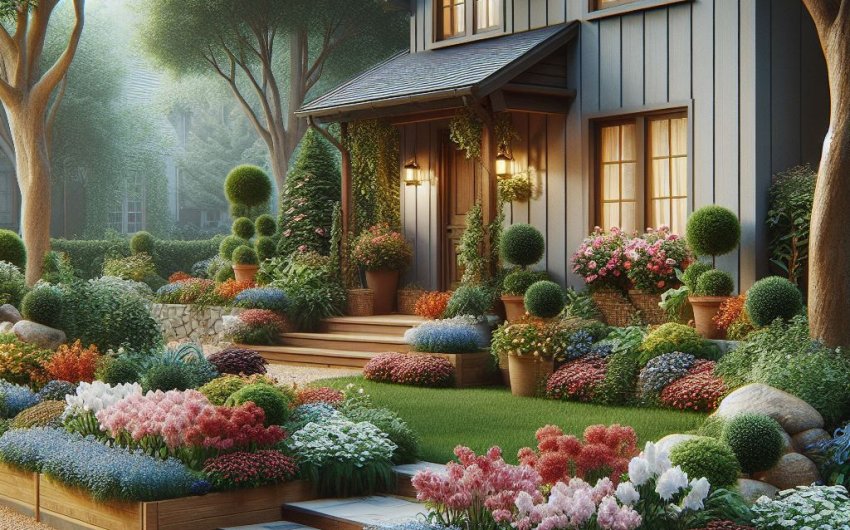
The front of your house is like its smile. It's the first thing people see when they visit, and it creates the first impression for anyone passing by. A well-designed flower bed can transform a plain lawn into a welcoming, colorful display. It adds curb appeal, makes your home feel more inviting, and can even boost its value. Many people think creating a beautiful garden is hard work, or that it needs a lot of special knowledge. But that's not true! You don't need to be an expert gardener to make a simple, stunning flower bed right in front of your home.
This guide is all about making it easy. We'll show you how to design a flower bed that looks great, even if you're just starting out. We'll pick plants that are forgiving and don't need constant fussing. The goal is to create a peaceful, lovely space that brings you joy every time you come home. Let's dig in and learn how to sprout some serenity right at your doorstep.
Why Create a Flower Bed in Front of Your House?
Beyond just looking nice, a well-planned flower bed at the front of your house offers many benefits. It's more than just a decorative touch; it's an investment in your home and your happiness.
How Does it Boost Curb Appeal?
Curb appeal is how attractive your home looks from the street. A vibrant flower bed instantly elevates this.
- First Impression: It creates a warm and inviting first impression for visitors, neighbors, and potential buyers.
- Color and Life: Flowers add splashes of color and living texture that a plain lawn simply can't provide. Even simple designs can make a big impact.
- Shows Pride: A well-maintained garden shows that you care about your home and its surroundings.
In essence, a beautiful flower bed acts like outdoor staging for your house, making it stand out in the best way.
Can It Increase Home Value?
Yes, landscaping, including flower beds, is a recognized way to add value to your home.
- Appraisal Value: Real estate experts often say good landscaping can increase property value by 5% to 15%. A lovely front garden makes a home more desirable.
- Faster Sale: Homes with attractive outdoor spaces tend to sell faster because they draw more interest from buyers.
- Visual Interest: It helps your home photograph better for listings and makes it memorable to potential buyers.
It’s one of the few home improvements that offers both immediate enjoyment and potential financial return.
What Are the Personal Benefits of a Flower Bed?
Beyond property value, having a flower bed can bring a lot of personal joy.
- Stress Relief: Gardening is a proven stress reducer. Spending time outdoors, connecting with nature, and watching things grow can be very calming.
- Sense of Accomplishment: There's a deep satisfaction that comes from nurturing plants and seeing your efforts bloom.
- Beauty and Joy: Every time you drive up to your house or step outside, you'll be greeted by beauty and color. It can brighten your mood and make your home feel more like a sanctuary.
- Connecting with Nature: Even a small flower bed can attract beneficial insects like bees and butterflies, bringing more life to your yard. You can find beautiful Butterfly Garden Seeds to attract more pollinators.
Creating a flower bed in front of your house is not just about making things look good. It's about creating a welcoming space, adding value, and finding a little bit of peace in your everyday life.
How Do You Choose the Best Spot for Your Flower Bed?
Choosing the right spot is the first step to success. Even with easy-to-grow plants, placing them in the right conditions makes a huge difference.
How Much Sun Does the Spot Get?
This is the most important factor. Different plants need different amounts of sunlight.
- Full Sun: Gets 6 or more hours of direct sunlight each day. Most traditional flowering plants love this.
- Partial Sun / Partial Shade: Gets 3 to 6 hours of direct sun. Partial sun often means afternoon sun, while partial shade might mean morning sun and afternoon shade. Many versatile plants do well here.
- Full Shade: Gets less than 3 hours of direct sun, often just filtered light. Only specific shade-loving plants will thrive here.
How to Check: Spend a day observing the spot where you want to put your flower bed. Check it every few hours. Does it get sun all day? Only in the morning? Is it shaded by a tree or your house in the afternoon? Knowing this will help you pick plants that will truly flourish.
What is the Soil Like in That Area?
Good soil is the foundation for healthy plants.
- Drainage: Does water pool up after it rains, or does it soak in quickly? Most plants hate soggy feet, which can lead to root rot. If your soil holds water, it might have too much clay. If it drains too quickly, it might be very sandy.
- Texture: Does the soil feel sticky and hard, or very loose and crumbly?
- Existing Growth: What grows there already? If weeds are thriving, that’s a good sign the soil can support plants, but you'll need to prepare it.
Soil Test: For the best results, you can do a simple Soil Test Kit. This tells you the pH (how acidic or alkaline your soil is) and if it's missing important nutrients. Most flowers prefer a slightly acidic to neutral pH (between 6.0 and 7.0).
What About Existing Features?
Look around your chosen spot.
- House Foundation: Is the bed right against your house? Consider how much space plants will need away from the wall for air circulation.
- Walkways or Driveways: How close is it to concrete? This can sometimes make the soil hotter and drier.
- Trees and Shrubs: Are there large trees nearby? Their roots might compete with your flower bed plants for water and nutrients. They also create shade.
- Underground Utilities: Be mindful of where utility lines might be buried before you dig deep. You can call 811 in the U.S. to have utility lines marked.
How Does it Fit with Your Home's Style?
Think about the overall look of your house.
- Symmetry: Do you want a formal, symmetrical look with a matching bed on each side of the door?
- Informal: Or a more natural, flowing, cottage-garden style?
- Size and Shape: How big do you want the bed to be? A long, narrow bed along the foundation is a common choice, but a deeper, curvier bed can add more visual interest.
By carefully considering these factors, you can choose a spot that gives your flower bed the best chance to grow and look beautiful.
How Do You Prepare the Soil for a New Flower Bed?
Once you've chosen your spot, preparing the soil properly is the most important step for a successful flower bed. Good soil means healthier plants, fewer problems, and less work for you in the long run.
How Do You Clear the Area?
- Remove Existing Grass and Weeds: This is the toughest part, but it's crucial.
- Manual Removal: For small areas, you can dig out the grass and weeds with a Garden Shovel or hoe. Make sure to get as much of the roots as possible.
- Sheet Mulching (No-Dig Method): This is a great option for larger areas or if you want to avoid digging. Lay down a layer of cardboard (remove all tape and labels) directly over the grass/weeds. Wet it thoroughly. Then, layer newspaper, followed by several inches of Compost and other organic materials (like leaf mold or straw). This smothers the weeds and grass, and the materials break down over time, enriching the soil. You'll need to do this a few months before planting.
- Solarization: Cover the area with clear plastic sheeting, weighting down the edges. The sun heats the soil under the plastic, killing weeds and seeds. This takes 6-8 weeks during the hottest part of summer.
- Herbicides (Use with Caution): A last resort, and not recommended if you're aiming for an organic garden. If used, always follow instructions carefully.
How Do You Improve the Soil?
Most garden soils will benefit from adding organic matter. This fixes almost all soil problems – it loosens heavy clay, helps sandy soil hold water, and provides nutrients.
- Add Organic Matter: Spread a 3-6 inch layer of organic matter over the entire bed you've cleared.
- Compost: This is the gold standard. It’s well-rotted organic material that adds nutrients and improves soil structure. You can buy bagged compost or use your own homemade compost.
- Well-rotted Manure: Adds a lot of nutrients, but ensure it's fully composted to avoid burning plants.
- Leaf Mold: Decomposed leaves are excellent for enriching soil and improving its texture.
- Shredded Bark or Pine Fines: Good for improving drainage and adding bulk, but use in moderation as they can temporarily tie up nitrogen as they decompose.
- Turn the Soil (Optional): If you're not using the no-dig method, use a Garden Fork or tiller to gently mix the organic matter into the top 8-12 inches of your existing soil. You want to loosen the soil but avoid over-tilling, which can destroy soil structure.
- Create an Edge: To keep your flower bed neat and prevent grass from creeping in, create an edge. This can be as simple as a cleanly cut trench, or you can install edging materials like:
- Plastic Edging: Flexible and affordable.
- Metal Edging: Durable and offers a clean line.
- Bricks or Stones: A classic look that adds visual appeal. You can find bags of Landscape Edging Stones.
Proper soil preparation is the most labor-intensive part of creating a flower bed, but it sets your plants up for success and reduces maintenance in the future.
What are the Best Easy-Care Flowers for a Front Yard?
Choosing the right plants makes all the difference for a simple, low-maintenance flower bed. We want flowers that are pretty, tough, and don't need constant fussing.
What are Good Annuals for Constant Color?
Annuals complete their life cycle in one growing season. They grow, flower, set seed, and die. They are perfect for continuous color all season long, but you'll need to replant them every year.
- Impatiens: Perfect for shady areas. They provide continuous blooms in a wide range of colors from spring until frost. They love moisture. You can buy Impatiens Flower Seeds.
- Marigolds: Great for full sun. They come in shades of orange, yellow, and red. They are tough, tolerate heat and drought once established, and can even deter some pests.
- Petunias: Super popular for full sun. They come in almost every color and can either be upright and bushy or trailing. Many modern varieties are disease-resistant and self-cleaning (don't need deadheading). A good choice for spilling out of containers or hanging baskets.
- Zinnias: Easy to grow from seed in full sun. They come in a fantastic range of colors, shapes, and sizes, and are butterfly magnets.
- Cosmos: Another easy-from-seed annual for full sun. They have delicate, airy foliage and daisy-like flowers in pink, purple, white, and orange.
What are Good Perennials for Year-After-Year Blooms?
Perennials return year after year, saving you the hassle of replanting. They usually have a shorter bloom time than annuals, but their reliable return makes them garden mainstays.
- Daylilies: Extremely tough and adaptable for full sun to partial sun. They come in countless colors and re-bloom over a long period. Very low maintenance.
- Hostas: While known for their amazing foliage, many Hostas produce lovely flowers, especially 'August Moon' or 'Royal Standard'. They are perfect for shade or partial shade and come in an incredible range of leaf colors and sizes.
- Coneflower (Echinacea): A popular native perennial for full sun. Daisy-like flowers with raised centers, in shades of purple, pink, white, and yellow. They are drought-tolerant once established and attract pollinators. Look for various Coneflower Plants.
- Black-Eyed Susan (Rudbeckia): Bright yellow daisy-like flowers with dark centers, for full sun. Very cheerful and long-blooming. Tolerant of various conditions.
- Lavender: Drought-tolerant and fragrant, perfect for full sun. Bees love it, and its purple spikes add a calming feel.
- Sedum (Stonecrop): Succulent-like leaves and sturdy flower heads that bloom in late summer/fall. Very drought-tolerant and needs full sun. Great for adding structure.
Are There Any Good Flowering Shrubs for the Front?
For larger, more permanent structure and blooms, consider small flowering shrubs.
- Hydrangeas: Many varieties bloom beautifully in partial sun to partial shade. They offer large, stunning flower clusters in white, pink, blue, or purple. Ensure you choose a variety that fits your space. A Dwarf Hydrangea Plant is perfect for smaller spaces.
- Dwarf Spirea: Offers clusters of small pink or white flowers and neat foliage, often in interesting colors. Many varieties are compact and do well in full sun.
When picking plants, always check their light, water, and mature size requirements to make sure they fit your chosen spot and your desire for a simple, low-maintenance flower bed.
How Do You Design a Simple Flower Bed Layout?
Designing a flower bed doesn't have to be complicated. Simple principles can create a beautiful and harmonious look, even for beginners.
What are the Basics of Layering?
Layering plants by height creates depth and allows every plant to be seen.
- Tallest Plants in the Back: Place plants that will grow the tallest at the very back of the flower bed, usually against the house or a fence. These provide a backdrop.
- Medium-Sized Plants in the Middle: Most of your plants will go here. They bridge the gap between the tall background and the shorter front plants.
- Shortest Plants in the Front: Use low-growing plants, groundcovers, or edging plants along the front edge of the bed. This creates a neat finish and often spills nicely over the edge.
When choosing plants, always check their mature height and width on the plant tag or in a plant guide. This prevents overcrowding and ensures your layout works as the plants grow.
How to Use Color Effectively?
You don't need a rainbow to have a beautiful flower bed. Sometimes, limiting your color palette creates a more serene and sophisticated look.
- Monochromatic: Choose flowers mostly in one color family (e.g., all shades of blue, purple, and white). This creates a calm and cohesive feel.
- Analogous: Use colors that are next to each other on the color wheel (e.g., yellows, oranges, and reds; or blues, purples, and pinks). This creates a harmonious flow.
- Complementary (for Pop): Use colors opposite each other on the color wheel (e.g., purple and yellow; blue and orange). A small amount of a complementary color can really make other colors pop, but too much can feel busy.
- Vary Shades: Even within one color family, use different shades (light, medium, dark) for more interest.
- Consider Foliage: Don't forget that leaves come in many shades of green, silver, and even burgundy. Use these as part of your color scheme.
For a simple flower bed, often a monochromatic or analogous scheme is easiest to execute beautifully.
What About Grouping and Repetition?
- Groupings: Plant flowers in groups of odd numbers (3, 5, or 7) of the same variety rather than scattering single plants. This creates more visual impact and a sense of cohesion. For example, instead of one Marigold here and one there, plant a clump of three or five together.
- Repetition: Repeat groupings of the same plant or color throughout the flower bed. This helps lead the eye through the garden and creates a unified look. For instance, if you have a group of pink Coneflowers at one end, place another group down the bed a bit.
How to Draw a Simple Plan?
- Sketch Your Bed: On a piece of paper, draw the outline of your flower bed.
- Mark Heights: Divide the bed into rough zones (back, middle, front).
- Add Groups: Use circles or shapes to represent where you'll plant groups of each type of flower. Label them with the plant name.
- Consider Bloom Times: Try to pick plants that bloom at different times (spring, summer, fall) to ensure continuous color throughout the growing season.
- Visualize: Imagine the plants at their mature size. Does it look balanced? Is there enough space?
A simple plan helps you visualize your flower bed before you even buy the plants, saving you time and effort in the long run.
How Do You Plant Your Flower Bed and Care for It?
Once your soil is prepared and your plants are chosen, the actual planting is the exciting part! With a few simple steps, you'll have your beautiful flower bed thriving.
What is the Best Time to Plant?
- Spring: After the danger of the last frost has passed. This is generally the most popular time for planting annuals and perennials.
- Early Fall: About 4-6 weeks before the first hard frost. This is also a good time for planting perennials, giving them time to establish roots before winter.
Check your local climate and plant hardiness zone to find the best dates.
How to Plant Flowers Correctly?
- Water Plants Before Planting: Give your plants in their nursery pots a good drink of water before you remove them. This helps reduce transplant shock.
- Dig the Hole: Dig a hole that is roughly twice as wide as the plant's root ball and about the same depth.
- Remove from Pot: Gently remove the plant from its container. If the roots are tightly packed and circling around the bottom (root-bound), gently tease them apart with your fingers or make a few vertical cuts down the sides of the root ball. This encourages them to grow outwards into the new soil.
- Place the Plant: Set the plant in the center of the hole. Make sure the top of the root ball is level with the surrounding garden soil. Do not plant it too deep or too shallow.
- Backfill and Tamp: Fill the hole with the improved soil you prepared. Gently pat the soil around the base of the plant to remove large air pockets. Don't pack it down too hard.
- Water Again: Water the newly planted flowers very deeply immediately after planting. This helps settle the soil and ensures good root contact.
What are the Key Care Steps After Planting?
- Watering: This is crucial, especially for new plants.
- First Few Weeks: Water new plants daily or every other day, making sure the soil stays consistently moist but not soggy.
- Established Plants: Once established, most flowers need about 1 inch of water per week (from rain or irrigation). Check the soil before watering; if it feels dry a few inches down, it's time to water. Water deeply and slowly at the base of the plant to encourage deep root growth and avoid wetting the foliage too much. A Garden Hose with Nozzle works well.
- Mulching: Apply a 2-3 inch layer of mulch over the entire flower bed once plants are in. Keep the mulch a few inches away from the stems of the plants.
- Benefits: Mulch helps retain soil moisture (reducing watering), suppresses weeds, and keeps soil temperatures more even.
- Good Choices: Shredded bark, wood chips, pine needles, or straw. You can get a bag of Bark Mulch.
- Weeding: Even with mulch, some weeds will appear. Pull them when they are small and the soil is damp. Regular, quick weeding sessions are much easier than letting them get out of control. A Hand Weeder Tool can be very helpful.
- Deadheading (for many annuals and some perennials): This means removing spent (faded) flowers.
- Benefits: It encourages the plant to produce more blooms instead of putting energy into making seeds. It also keeps the flower bed looking tidy.
- Method: Pinch or snip off the faded flower head just above a leaf or a new bud.
- Fertilizing (Optional): If you prepared your soil well with compost, you might not need much fertilizer. If plants seem to be struggling or looking pale, a light application of a balanced liquid flower fertilizer (following package directions) in mid-summer can give them a boost.
Consistent watering and mulching are the keys to a thriving, low-maintenance flower bed that brings serenity to your home's entrance.
How to Keep Your Flower Bed Looking Great All Season?
Even a simple flower bed benefits from a few ongoing tasks to keep it looking its best from spring through fall. It’s about small, regular efforts that make a big difference.
What is Regular Weeding and Why is it Important?
- Competition: Weeds compete with your flowers for water, nutrients, and sunlight. If left unchecked, they can quickly take over and make your flower bed look messy and unhealthy.
- Disease and Pests: Dense weeds can also create humid conditions that encourage fungal diseases or provide hiding spots for pests.
- Method:
- Little and Often: The best way to weed is little and often. Spend 10-15 minutes once or twice a week rather than letting weeds grow large. It's much easier to pull small weeds, especially after a rain when the soil is soft.
- Mulch: A good layer of mulch (2-3 inches deep) is your first line of defense against weeds. It smothers many weed seeds and makes the ones that do sprout easier to pull.
- Proper Tools: A Hand Cultivator or a hoe can make light work of young weeds.
Regular weeding ensures your flowers get all the resources they need and your flower bed remains neat and attractive.
Why is Deadheading Important?
As mentioned earlier, deadheading is the act of removing faded or spent flowers.
- Encourages More Blooms: For many annuals and some perennials, removing old flowers tricks the plant into producing more blooms. If left on, the plant's energy goes into making seeds instead of new flowers.
- Tidiness: It keeps your flower bed looking neat and fresh, removing unsightly withered blooms.
- Method: Use your fingers to pinch off the faded flower or small Pruning Snips to cut the flower stem just above a set of healthy leaves or a new bud.
Some plants are "self-cleaning" and don't require deadheading (like many modern petunias), but for others, it's a key task for continuous bloom.
What About Watering During Dry Spells?
Even drought-tolerant plants need supplemental water during extended dry periods.
- Check Regularly: Don't just water on a schedule. Stick your finger into the soil. If it feels dry 2-3 inches down, it's time to water.
- Deep and Infrequent: When you do water, water deeply. This means giving enough water so it soaks down to the roots, encouraging roots to grow deeper. Frequent, shallow watering encourages shallow roots, making plants more vulnerable to drought.
- Water at the Base: Aim the water at the base of the plants, directly on the soil. Avoid wetting the foliage too much, especially in the evening, as this can encourage fungal diseases.
- Timeliness: Early morning is often the best time to water, as it gives the plants time to absorb the water before the heat of the day, and any moisture on leaves can evaporate.
How to Monitor for Pests and Diseases?
Healthy plants are more resistant to pests and diseases, but it's good to keep an eye out.
- Regular Inspections: As you water or weed, take a moment to look at your plants closely. Check under leaves, along stems, and for any unusual spots or discoloration.
- Common Pests: Look for aphids (tiny green or black bugs on new growth), spider mites (tiny dots and fine webbing, especially on dry plants), or slugs/snails (holes in leaves).
- Common Diseases: Powdery mildew (white powdery coating on leaves, especially in humid conditions) or leaf spot (dark spots on leaves).
- Solutions:
- Minor Issues: Often, a strong spray of water can dislodge aphids or spider mites. Hand-pick slugs/snails.
- Organic Sprays: For more persistent problems, use Insecticidal Soap or neem oil, following product instructions carefully.
- Good Practices: Ensure good air circulation by not overcrowding plants. Water at the base. Remove diseased leaves promptly.
By staying on top of these routine tasks, you'll ensure your simple flower bed remains a beautiful and welcoming feature in front of your house throughout the entire growing season.