
Green Guardians: Fast-Track Your Privacy with These Rapidly Growing Shrubs
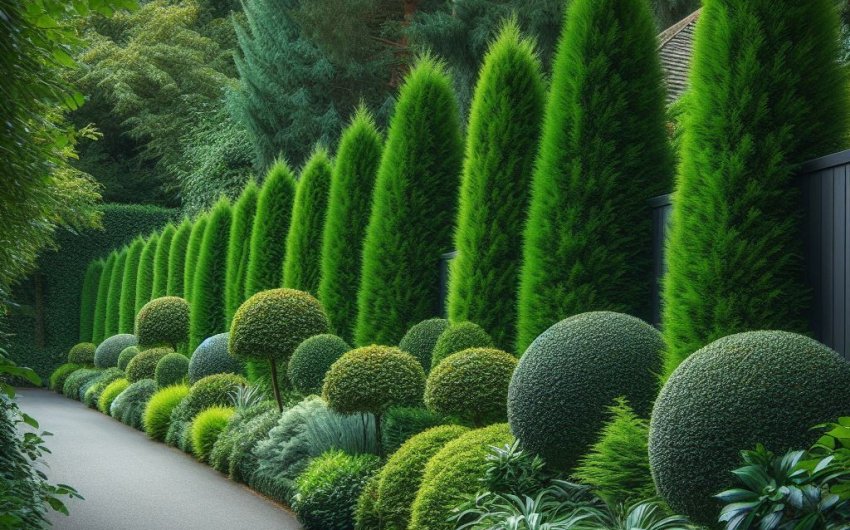
To fast-track your privacy and create natural screening in your garden, utilizing rapidly growing shrubs is an excellent strategy, offering dense foliage and quick height to form living green guardians. These vigorous plants provide both aesthetic appeal and essential seclusion much faster than slower-growing options.
Why Choose Rapidly Growing Shrubs for Privacy?
When the need for seclusion is immediate, rapidly growing shrubs are your best allies in the garden. They offer a living, green solution to privacy needs that can outperform traditional fencing in several ways, helping you to fast-track your privacy and create a comfortable outdoor oasis.
1. Speed to Privacy
- Quick Results: The primary advantage of rapidly growing shrubs is their speed. Instead of waiting years for a traditional hedge to fill in, these shrubs can provide significant screening in just a few growing seasons, sometimes adding several feet of height per year. This is ideal for newly built homes or situations where immediate privacy is desired.
- Cost-Effective: While buying mature shrubs will cost more upfront, their rapid growth means you can buy smaller, less expensive plants and still achieve your desired privacy relatively quickly, often at a lower overall cost than building a solid fence.
2. Aesthetic Appeal and Natural Beauty
- Living Fence: Unlike a static fence, a hedge of rapidly growing shrubs is a dynamic, living element in your landscape. It changes with the seasons, offering different textures, colors, and sometimes flowers or berries.
- Softer Look: Shrubs provide a much softer, more organic, and visually appealing boundary than a solid wall or fence. They blend seamlessly with the natural environment of your garden.
- Green All Year (Evergreen Options): Many fast-growing shrubs are evergreens, providing lush green screening even in winter when deciduous trees and shrubs have lost their leaves.
3. Environmental Benefits
- Wildlife Habitat: A dense hedge provides essential shelter, nesting sites, and food (berries, nectar) for birds and other small wildlife, contributing to local biodiversity.
- Air and Noise Filtration: Shrubs act as natural filters, trapping dust and pollutants from the air. Their dense foliage also helps absorb and dampen noise, creating a quieter and more peaceful outdoor space.
- Carbon Sequestration: Like all plants, rapidly growing shrubs absorb carbon dioxide from the atmosphere, helping to mitigate climate change.
- Temperature Moderation: A hedge can provide shade in summer, cooling down adjacent areas, and act as a windbreak in winter, potentially reducing heating costs for your home.
4. Versatility in Design
- Varying Heights and Shapes: You can choose shrubs that grow tall and narrow for tight spaces, or broader, more sprawling varieties for a naturalistic hedge. They can be formally pruned into neat shapes or allowed to grow more freely for an informal screen.
- Multi-Purpose: Beyond privacy, many of these shrubs offer additional benefits like attractive flowers, fragrant foliage, or edible berries, adding layers of interest to your garden.
- Adaptability: There's a wide selection of rapidly growing shrubs suitable for various climates, soil types, and light conditions.
By strategically planting rapidly growing shrubs, you create beautiful, functional, and environmentally friendly living walls that efficiently fast-track your privacy and enhance the overall appeal of your outdoor space.
What Are the Best Evergreen Shrubs for Fast Privacy?
When the goal is to fast-track your privacy and maintain it year-round, evergreen shrubs are the undisputed champions. Their dense foliage provides continuous screening even through the winter months. Here are some of the best rapidly growing shrubs in the evergreen category, offering quick coverage and lush green guardian status.
1. Leyland Cypress (Cupressocyparis leylandii)
- Why it's great: One of the fastest-growing evergreen conifers, known for its dense, upright, columnar growth habit. Can add 3-5 feet (0.9-1.5 m) or more of height per year.
- Hardiness Zones: USDA Zones 6-10.
- Mature Size: Can reach 50-70 feet (15-21 m) tall and 15-25 feet (4.5-7.5 m) wide if left unpruned.
- Conditions: Full sun, well-drained soil. Tolerant of a range of soil types once established.
- Tips: Requires regular pruning to maintain desired height and width, otherwise it can quickly outgrow its space. Can be prone to some diseases (e.g., Seiridium canker) in certain humid climates or if stressed. Space them generously, considering their mature spread. You can buy Leyland Cypress Privacy Hedges.
2. 'Green Giant' Arborvitae (Thuja plicata 'Green Giant')
- Why it's great: A fantastic alternative to Leyland Cypress, offering similar fast growth (3-5 feet / 0.9-1.5 m per year) but with better disease resistance, greater cold hardiness, and a more uniform, dense pyramidal shape.
- Hardiness Zones: USDA Zones 5-9.
- Mature Size: 30-50 feet (9-15 m) tall and 10-15 feet (3-4.5 m) wide if unpruned.
- Conditions: Full sun to partial shade, adaptable to most well-drained soils.
- Tips: Extremely low maintenance. Rarely needs pruning once established unless for height control. Deer resistant (more so than other Thuja).
3. Nellie R. Stevens Holly (Ilex x 'Nellie R. Stevens')
- Why it's great: A popular, dense, upright evergreen holly with glossy, dark green leaves and bright red berries (on female plants, with a male pollinator nearby). Grows moderately fast, about 1-2 feet (0.3-0.6 m) per year.
- Hardiness Zones: USDA Zones 6-9.
- Mature Size: 15-25 feet (4.5-7.5 m) tall and 8-12 feet (2.4-3.6 m) wide.
- Conditions: Full sun to partial shade, adaptable to various well-drained soils.
- Tips: Provides multi-season interest with foliage and berries. Can be formally pruned into a hedge or left natural.
4. Japanese Privet (Ligustrum japonicum)
- Why it's great: A very fast-growing, dense evergreen shrub with glossy, dark green leaves. Can add 2-3 feet (0.6-0.9 m) of height per year. Often used for formal hedges.
- Hardiness Zones: USDA Zones 7-10.
- Mature Size: 10-15 feet (3-4.5 m) tall and wide, but can be maintained much smaller with pruning.
- Conditions: Full sun to partial shade, adaptable to many soil types. Drought-tolerant once established.
- Tips: Requires frequent pruning to maintain a neat hedge. Can be considered invasive in some regions; check local regulations.
5. Cherry Laurel (Prunus laurocerasus cultivars)
- Why it's great: Offers lush, glossy green leaves and a rapid growth rate (1-2 feet / 0.3-0.6 m per year). 'Schipkaensis' (Skip Laurel) is a popular, hardier, narrower cultivar.
- Hardiness Zones: USDA Zones 5-9 (varies by cultivar).
- Mature Size: 10-20 feet (3-6 m) tall and wide, depending on cultivar.
- Conditions: Full sun to partial shade, adaptable to various soils.
- Tips: Responds well to pruning. Attractive white flower spikes in spring.
6. Podocarpus (Podocarpus macrophyllus)
- Why it's great: A versatile evergreen with a dense, upright, columnar growth habit and fine-textured, needle-like foliage. Grows moderately fast, about 1-2 feet (0.3-0.6 m) per year.
- Hardiness Zones: USDA Zones 8-11.
- Mature Size: Can reach 30-40 feet (9-12 m) tall if unpruned, but easily maintained as a hedge.
- Conditions: Full sun to partial shade, adaptable to various well-drained soils.
- Tips: Excellent for formal hedges, screens, or even topiary. Tolerant of pruning.
When selecting from these rapidly growing shrubs, always consider their mature size and your commitment to pruning to ensure they remain manageable and effective guardians of your privacy.
What Are the Best Deciduous Shrubs for Fast Privacy?
While evergreen shrubs provide year-round screening, deciduous shrubs offer their own unique advantages for fast-tracking your privacy, including seasonal interest like vibrant flowers, striking fall foliage, or attractive berries. They grow quickly, forming dense screens during the growing season.
Here are some of the best rapidly growing shrubs that are deciduous, perfect for a dynamic privacy hedge:
1. Forsythia (Forsythia x intermedia)
- Why it's great: Famous for its incredibly fast growth (2-4 feet / 0.6-1.2 m per year) and dazzling display of bright yellow flowers in early spring, before its leaves emerge. Forms a dense screen in summer.
- Hardiness Zones: USDA Zones 4-8.
- Mature Size: 8-10 feet (2.4-3 m) tall and wide.
- Conditions: Full sun to partial shade, adaptable to various well-drained soils.
- Tips: Best for an informal, naturalistic hedge. Prune after flowering. Can get leggy if not pruned. Provides excellent early season cheer. You can find Fast Growing Forsythia Shrubs.
2. Privet (Ligustrum spp. - deciduous varieties like Ligustrum vulgare)
- Why it's great: Some deciduous privet varieties are among the fastest-growing hedge plants (2-3 feet / 0.6-0.9 m per year), forming incredibly dense screens. They tolerate heavy pruning, making them ideal for formal hedges.
- Hardiness Zones: USDA Zones 4-8 (varies by species).
- Mature Size: 10-15 feet (3-4.5 m) tall and wide, but easily kept smaller with pruning.
- Conditions: Full sun to partial shade, highly adaptable to various soil types and urban conditions.
- Tips: Requires frequent pruning to maintain a neat shape. Can be considered invasive in some regions; check local regulations.
3. Red Twig Dogwood (Cornus sericea / Cornus alba)
- Why it's great: While it loses its leaves in winter, its vibrant red or yellow stems provide striking winter interest. It grows rapidly (1-2 feet / 0.3-0.6 m per year) and forms a dense, bushy screen in summer.
- Hardiness Zones: USDA Zones 2-7.
- Mature Size: 8-10 feet (2.4-3 m) tall and wide.
- Conditions: Full sun to partial shade, prefers consistently moist soil, tolerant of wet conditions.
- Tips: Prune out 1/3 of the oldest stems each spring to encourage new, brightest-colored growth. Excellent for wet areas or rain gardens.
4. Ninebark (Physocarpus opulifolius)
- Why it's great: Offers rapid growth (1-2 feet / 0.3-0.6 m per year), attractive textured foliage (especially purple or amber varieties), small white or pink flowers, and interesting peeling bark in winter.
- Hardiness Zones: USDA Zones 3-8.
- Mature Size: 6-10 feet (1.8-3 m) tall and wide, depending on cultivar.
- Conditions: Full sun is best for foliage color, adaptable to various well-drained soils.
- Popular Varieties: 'Diabolo' (dark purple foliage), 'Summer Wine' (darker purple, more refined), 'Amber Jubilee' (amber/orange foliage). Provides multi-season interest.
5. Hydrangea (Panicle Hydrangea) (Hydrangea paniculata)
- Why it's great: While some grow larger than others, many cultivars grow quite quickly (1-2 feet / 0.3-0.6 m per year) and produce massive flower cones from summer into fall, forming a dense screen during peak season.
- Hardiness Zones: USDA Zones 3-8.
- Mature Size: Varies greatly by cultivar, from 6-15 feet (1.8-4.5 m) tall and wide.
- Conditions: Full sun to partial shade, moist, well-drained soil.
- Popular Varieties: 'Quick Fire' (early blooming, red stems), 'Limelight' (chartreuse blooms that fade to pink/white), 'Vanilla Strawberry' (pink-and-white blooms). Provide stunning floral privacy.
6. Serviceberry (Amelanchier canadensis / Amelanchier x grandiflora)
- Why it's great: A native large shrub or small tree that grows moderately fast (1-2 feet / 0.3-0.6 m per year). Offers beautiful white flowers in early spring, edible berries in summer, and vibrant fall foliage, providing privacy during the growing season.
- Hardiness Zones: USDA Zones 3-8.
- Mature Size: 15-25 feet (4.5-7.5 m) tall and wide.
- Conditions: Full sun to partial shade, adaptable to various well-drained soils.
- Tips: Excellent choice for wildlife gardens due to berries for birds.
When choosing rapidly growing shrubs that are deciduous, consider the importance of winter privacy. If year-round screening is critical, you might interplant them with evergreens or use a combination approach. However, for seasonal beauty and quick summer privacy, these green guardians are excellent choices.
How Do You Plan a Privacy Hedge with Rapidly Growing Shrubs?
Planning is crucial to effectively fast-track your privacy and ensure your hedge of rapidly growing shrubs becomes a long-term success, rather than an overgrown problem. A well-thought-out plan considers the shrub's needs, your space, and your maintenance commitment.
1. Define Your Goals
- Height & Width: How tall and wide do you need the hedge to be for privacy? This determines the mature size of the shrubs you select.
- Year-Round or Seasonal Privacy? Do you need screening in winter (evergreen shrubs) or just during the growing season (deciduous shrubs)?
- Formal or Informal? Do you envision a neatly clipped hedge or a more natural, flowing screen? This impacts plant choice and pruning.
- Budget: How much are you willing to spend? Smaller plants grow faster, but larger ones provide more immediate impact.
2. Site Assessment
- Sunlight: Map the sun exposure along the intended hedge line. Most rapidly growing shrubs prefer full sun (at least 6 hours direct sun), but some tolerate partial shade.
- Soil: Assess your soil type (clay, sand, loam) and drainage. Most shrubs prefer well-drained soil. Amend as needed with compost.
- Space: Measure the length of the hedge. Importantly, consider the mature width of your chosen shrub. Don't plant too close to structures, property lines, or utilities.
- Overhead/Underground Obstructions: Look up for power lines and overhead branches. Call 811 (in the US) before digging to locate underground utilities.
3. Choose the Right Rapidly Growing Shrubs
Based on your goals and site assessment:
- Hardiness Zone: Select shrubs hardy for your USDA Plant Hardiness Zone.
- Growth Rate: Confirm it meets your "rapid growth" expectation (typically 1-3+ feet/0.3-0.9+ m per year).
- Mature Size: Choose a shrub whose mature height and width align with your privacy needs and available space. This is critical to avoid constant, heavy pruning or outgrowing the space.
- Foliage Density: Look for shrubs with dense foliage that will provide effective screening.
- Maintenance: Be realistic about the pruning needs. Some fast growers require more frequent trimming to maintain a neat shape.
- Pest/Disease Resistance: Choose varieties known to be resistant to common issues in your area.
4. Calculate Plant Spacing (Crucial for a Dense Hedge)
- Formula: To create a dense hedge quickly, space plants closer than their ultimate mature individual spread.
- Rule of Thumb: Plant at a distance equal to roughly 1/2 to 2/3 of the shrub's mature width.
- Example: If a shrub matures to 10 feet (3 m) wide, plant them 5-7 feet (1.5-2.1 m) apart.
- Density: Planting closer will create a solid screen faster but may require more pruning later. Planting too far apart leaves gaps and takes longer to fill in.
5. Prepare the Planting Area
- Clear Weeds: Remove all grass and weeds from the entire planting strip.
- Amend Soil: Dig a trench or individual holes at least twice as wide as the root ball. Incorporate ample compost into the native soil to improve structure and fertility.
- Pre-Water: Water the area thoroughly the day before planting.
6. Installation
- Dig Holes: Dig each hole wide enough for the roots to spread, and to the same depth as the nursery pot.
- Planting Depth: Plant the shrubs so the top of the root ball is level with, or slightly above, the surrounding soil. Avoid burying the crown.
- Watering: Water thoroughly after planting to settle the soil and remove air pockets.
- Mulch: Apply a 2-4 inch (5-10 cm) layer of organic mulch (wood chips, shredded bark) over the entire planting area, keeping it a few inches away from the shrub stems. This suppresses weeds and conserves moisture.
7. Initial Pruning and Maintenance
- Water Regularly: Especially during the first year, ensure consistent watering to help shrubs establish.
- First Pruning: For many hedging shrubs, a light initial pruning (tipping back branches) after planting can encourage bushier growth.
- Ongoing Pruning: Be prepared to prune your rapidly growing shrubs regularly to maintain the desired height, width, and density of your privacy hedge. This will vary by species and your desired formal vs. informal look.
By following these planning and planting steps, your selection of rapidly growing shrubs will quickly transform into the lush, green guardians that fast-track your privacy and enhance your outdoor living space.
How Do You Maintain a Fast-Growing Privacy Hedge?
Maintaining a privacy hedge made of rapidly growing shrubs is key to its long-term health, effectiveness, and appearance. While their quick growth helps fast-track your privacy, it also means they require consistent attention to prevent them from becoming overgrown, sparse, or unhealthy.
1. Consistent Watering (Especially When Young)
- Establishment Phase: The first 1-2 years after planting are crucial. Rapidly growing shrubs need consistent, deep watering to develop a strong root system. Don't rely solely on rain; check soil moisture regularly.
- Mature Shrubs: Once established, many hedges are more drought-tolerant, but still require supplemental watering during prolonged dry spells or periods of extreme heat.
- Technique: Water at the base of the shrubs using a soaker hose or drip irrigation system to ensure water penetrates deeply and to minimize wetting foliage, which can reduce fungal diseases. You can use a Soaker Hose for Hedges.
2. Regular Pruning (The Most Important Task)
This is the non-negotiable step for fast-growing hedges.
- Purpose:
- Maintain Shape & Size: Prevents the hedge from becoming overgrown and maintains the desired height and width for privacy.
- Encourage Density: Regular pruning encourages branching and a denser, fuller hedge, especially at the base.
- Health: Removes dead, diseased, or damaged branches, improving air circulation and light penetration, reducing pest and disease issues.
- Frequency: Rapidly growing shrubs often require pruning 2-3 times a year (or more for very formal hedges) during the growing season.
- When to Prune:
- Deciduous: Prune after spring flowering (for early bloomers like Forsythia) or in late winter/early spring before new growth starts (for those that bloom on new wood like Hydrangea paniculata).
- Evergreen: Generally prune in late spring after the first flush of growth, and possibly again in mid-summer. Avoid heavy pruning late in the season, which can stimulate new growth vulnerable to winter cold.
- Technique:
- Shearing: For formal hedges, use hedge shears or electric trimmers to create crisp lines. Always ensure the top of the hedge is slightly narrower than the base to allow light to reach the bottom, preventing bare spots.
- Selective Pruning/Hand Pruning: For informal hedges, use hand pruners or loppers to remove individual branches to maintain size and shape, creating a more natural look.
3. Fertilizing (Moderately)
- Soil Test First: The best approach is to get a soil test every few years to determine specific nutrient needs.
- Organic Matter: Top-dressing annually with 1-2 inches (2.5-5 cm) of compost around the base of the hedge is often sufficient for many rapidly growing shrubs, providing a slow release of nutrients and improving soil health.
- Granular Fertilizer: If additional feeding is needed (e.g., in poor soil), apply a balanced, slow-release granular fertilizer in early spring according to package directions. Avoid excessive nitrogen, which can lead to lush but weak growth.
4. Mulching
- Benefits: A 2-4 inch (5-10 cm) layer of organic mulch (wood chips, shredded bark) around the base of your hedge helps:
- Conserve Moisture: Reduces water evaporation from the soil.
- Suppress Weeds: Creates a barrier against weed growth, reducing competition.
- Moderate Soil Temperature: Keeps roots cooler in summer and warmer in winter.
- Adds Organic Matter: Decomposes over time, enriching the soil.
- Application: Keep mulch a few inches away from the shrub stems to prevent rot.
5. Pest and Disease Monitoring
- Regular Inspection: Walk along your hedge regularly, checking for any signs of pests (chewed leaves, spots, webbing) or diseases (discoloration, wilting, fungal spots).
- Early Intervention: Address problems promptly. Hand-pick larger pests. For smaller issues, use insecticidal soap or neem oil. For disease, ensure good air circulation and sanitation. A Horticultural Oil Spray can address many issues.
- Sanitation: Remove and discard (don't compost) any diseased plant material to prevent spread.
By committing to these maintenance practices, your hedge of rapidly growing shrubs will remain a lush, healthy, and effective green guardian, providing you with beautiful and enduring privacy for years to come.
What Are Common Mistakes to Avoid When Growing Privacy Hedges?
While rapidly growing shrubs offer a quick solution to fast-track your privacy, there are common mistakes that can hinder their effectiveness, lead to maintenance headaches, or even compromise the health of your hedge. Avoiding these pitfalls is crucial for a successful and beautiful living screen.
1. Not Researching Mature Size
- Mistake: Choosing a shrub based solely on its "fast-growing" nature without considering its ultimate mature height and width if left unpruned.
- Why it's Bad: Leads to the shrub quickly outgrowing its space, blocking desired views, encroaching on pathways, or requiring constant, severe pruning (which can be stressful for the plant and labor-intensive for you). Leyland Cypress, for example, is notorious for this.
- Solution: Always check the mature size of the specific cultivar you intend to plant. Plan for its full potential, not just its nursery size.
2. Planting Too Close Together
- Mistake: Planting shrubs much closer than recommended in an attempt to get immediate privacy.
- Why it's Bad: Creates excessive competition for water, nutrients, and sunlight, leading to weak, stressed plants. It significantly reduces air circulation, making the hedge a breeding ground for fungal diseases (like powdery mildew and black spot). The plants become leggy and sparse at the bottom due to light deprivation.
- Solution: Follow recommended spacing for hedges (typically 1/2 to 2/3 of the mature width of the plant). Be patient; they will fill in.
3. Inconsistent Pruning (or Wrong Pruning)
- Mistake: Neglecting regular pruning, then attempting to severely cut back an overgrown hedge, or pruning at the wrong time of year.
- Why it's Bad:
- Neglect: Leads to overgrown, leggy, and woody hedges that become less dense, especially at the base.
- Hard Pruning: "Hedge topping" (cutting flat across the top) creates a thick, dense layer of foliage at the top, but shades out the lower branches, making the bottom of the hedge bare and unsightly.
- Wrong Time: Pruning at the wrong time (e.g., late fall for evergreens) can stimulate new growth that is vulnerable to winter damage. Pruning spring-flowering shrubs before they bloom removes all their flowers.
- Solution: Establish a consistent pruning schedule. Always prune hedges so the top is slightly narrower than the base (a trapezoidal shape) to ensure light reaches all parts of the plant. Research proper pruning times for your specific shrub. You can find Hedge Pruning Shears.
4. Ignoring Soil Preparation and Drainage
- Mistake: Planting shrubs directly into compacted or nutrient-poor soil without amendments.
- Why it's Bad: Poor soil leads to weak roots, stunted growth, and stressed plants that are highly susceptible to pests and diseases, negating the "rapid growth" advantage. Poor drainage leads to root rot.
- Solution: Amend soil with plenty of organic matter (compost) before planting. Ensure good drainage. Perform a soil test to understand nutrient needs.
5. Not Watering Adequately (Especially When Young)
- Mistake: Assuming fast-growing shrubs don't need much water once planted.
- Why it's Bad: Inconsistent watering, particularly during establishment, leads to drought stress, slower growth, and increased susceptibility to pests and diseases.
- Solution: Water deeply and regularly during the first 1-2 years. Use a soaker hose or drip irrigation.
6. Choosing a Non-Hardy Shrub
- Mistake: Selecting a shrub that is not hardy for your specific USDA Plant Hardiness Zone.
- Why it's Bad: The shrub will suffer winter dieback or die completely, leaving unsightly gaps in your privacy hedge.
- Solution: Always check the plant's hardiness zone before purchasing.
By avoiding these common mistakes, you can ensure your rapidly growing shrubs successfully become dense, healthy, and beautiful green guardians that effectively fast-track your privacy and enhance your garden for years to come.
What Are Creative Ways to Use Rapidly Growing Shrubs for Privacy?
Beyond simple straight-line hedges, rapidly growing shrubs offer incredible versatility for fast-tracking your privacy and enhancing your garden design. Thinking creatively allows you to solve various screening challenges and add unique beauty to your outdoor space.
1. Creating "Outdoor Rooms"
- Concept: Use dense, rapidly growing shrubs to form living walls that delineate distinct outdoor areas, creating intimate "rooms" within your larger garden.
- Application:
- Dining Nook: Enclose a patio or outdoor dining area with a U-shaped hedge.
- Meditation Zone: Create a secluded, tranquil corner with a small bench surrounded by dense shrubs.
- Play Area: Screen off a children's play area or sandbox for privacy and safety.
- Shrub Choice: 'Green Giant' Arborvitae for tall, formal walls; Forsythia or Ninebark for informal, seasonal screens.
2. Softening Fences and Walls
- Concept: Break up the harsh lines of existing fences or walls with lush, living greenery.
- Application: Plant a staggered row of rapidly growing shrubs in front of a fence. Choose varieties that will eventually grow taller than the fence to extend the privacy upward.
- Effect: Transforms a utilitarian boundary into a vibrant, natural backdrop, enhancing curb appeal.
3. "Green Walls" for Multi-Story Privacy
- Concept: Address privacy concerns from upper-story windows of neighboring homes.
- Application: Plant very tall, columnar rapidly growing shrubs (like Leyland Cypress or 'Green Giant' Arborvitae) to create a visual barrier that extends higher than typical fences.
- Considerations: Ensure adequate spacing for mature size and proper soil preparation for these large plants.
4. Layered Privacy Screens
- Concept: Combine different types of rapidly growing shrubs to create a multi-layered screen that offers varied textures, heights, and seasonal interest.
- Application:
- Bottom Layer: Shorter, dense shrubs or even groundcovers.
- Middle Layer: Medium-height, flowering deciduous shrubs.
- Top Layer: Tall evergreens or large deciduous shrubs.
- Effect: Creates a rich, dynamic hedge that provides both solid screening and visual appeal throughout the year.
5. Instant Hedging for New Landscapes
- Concept: For new construction or blank slate gardens, use a mix of large, pre-grown rapidly growing shrubs to define boundaries and provide immediate privacy.
- Application: Purchase larger specimens from a nursery. Follow careful planting instructions to ensure establishment.
- Benefit: Provides instant gratification and makes a new space feel more established quickly.
6. Blocking Undesirable Views
- Concept: Strategically place a cluster of rapidly growing shrubs to specifically block an unsightly utility box, a neighbor's shed, or an unattractive view from a key vantage point (e.g., your patio or living room window).
- Application: Instead of a long linear hedge, use a triangular or circular grouping of 3-5 shrubs chosen for their density and mature height.
- Shrub Choice: 'Green Giant' Arborvitae for year-round screening; Skip Laurel for a lush, broad screen.
7. Sound Dampening
- Concept: A dense mass of rapidly growing shrubs can absorb and scatter sound waves, reducing noise pollution from busy streets or loud neighbors.
- Application: Plant a very wide and deep hedge (multiple rows if space allows) with shrubs known for dense foliage.
- Benefit: Creates a quieter, more peaceful outdoor retreat.
By thinking beyond the traditional fence line, rapidly growing shrubs can become powerful design tools, acting as versatile green guardians that not only fast-track your privacy but also enhance the beauty and functionality of your entire garden space.