
10 Enchanting Garden Projects to Transform Your Outdoor Space
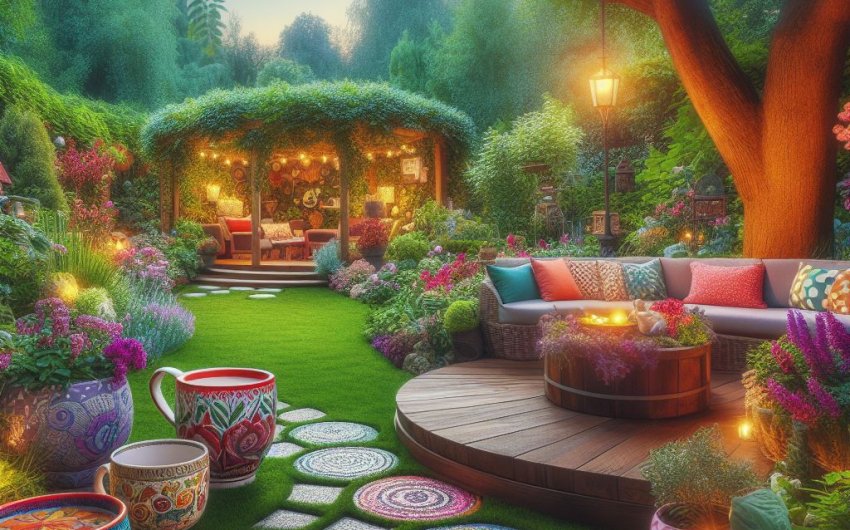
Transforming an ordinary backyard into a captivating oasis often begins with a vision and the willingness to embark on creative endeavors. From serene water features to vibrant floral displays, numerous enchanting garden projects can dramatically enhance the beauty and functionality of your outdoor space. Whether you're a seasoned green thumb or just starting, these ideas offer unique ways to inject charm, tranquility, and personality into your landscape, turning it into a truly magical retreat.
Why Embark on Garden Projects to Transform Your Outdoor Space?
Our outdoor environments are much more than just lawns and flowerbeds; they are extensions of our living areas, offering opportunities for relaxation, entertainment, and connection with nature. Undertaking garden projects to transform your outdoor space allows you to personalize these areas, significantly enhancing their aesthetic appeal and functional value. It’s an investment in your well-being and the beauty of your home.
How Does a Transformed Garden Enhance Your Lifestyle?
A well-designed and nurtured garden offers a multitude of benefits that extend beyond mere visual appeal:
- Stress Reduction and Well-being: Spending time in nature is scientifically proven to reduce stress, improve mood, and enhance overall mental well-being. A beautiful garden provides an accessible escape from daily pressures.
- Extended Living Space: A thoughtfully transformed outdoor space acts as an additional room, providing areas for dining, lounging, entertaining, and even working, especially during pleasant weather. This effectively increases your home's usable square footage.
- Increased Home Value: Attractive landscaping and well-executed garden projects can significantly boost your property's curb appeal and market value.
- Opportunities for Hobbies: A transformed garden can provide dedicated spaces for hobbies like bird watching, growing vegetables, or simply enjoying quiet contemplation.
- Social Hub: A beautiful outdoor area becomes an inviting place to host gatherings, celebrations, and create lasting memories with family and friends.
What are the Benefits of DIY Garden Transformations?
Taking on garden projects to transform your outdoor space yourself, rather than hiring professionals for every task, offers unique rewards:
- Cost Savings: Labor costs often make up a significant portion of landscaping expenses. Doing it yourself can drastically reduce the overall cost, allowing your budget to stretch further for materials or additional projects.
- Personalization: When you undertake projects yourself, you have complete creative control. This ensures the final outcome perfectly reflects your personal style, needs, and vision, resulting in a unique space tailored to you.
- Skill Development: Each project offers an opportunity to learn new skills, from basic carpentry to plant knowledge and landscaping techniques, building confidence and fostering a sense of accomplishment.
- Connection to Nature: Getting hands-on in the garden fosters a deeper connection with your plants and the natural environment, enhancing the therapeutic aspects of gardening.
- Satisfaction: There's immense satisfaction in looking at a beautiful garden and knowing you created it with your own hands.
Embracing garden projects to transform your outdoor space is a rewarding journey that enriches both your home and your life.
1. How Can You Create a Serene Water Feature?
Adding the element of water to your garden introduces soothing sounds, visual appeal, and can attract local wildlife. Creating a serene water feature doesn't have to be complex or expensive; even a small, bubbling fountain can make a significant impact, making it one of the most enchanting garden projects to transform your outdoor space.
DIY Container Fountain
A DIY container fountain is an ideal project for beginners, requiring minimal tools and effort.
- What You Need:
- A large, waterproof pot or basin (ceramic, glazed, or plastic, ensuring no cracks). An oversized ceramic planter works well.
- A small submersible fountain pump with adjustable flow.
- Flexible tubing (to connect pump to water outlet).
- Decorative elements to hide the pump and tubing (river rocks, pea gravel, glass gems, small statues).
- Steps:
- Place the pump in the bottom of the container.
- Attach tubing to the pump outlet and extend it to where the water will emerge (e.g., up through a decorative rock with a drilled hole, or simply to create a small spout).
- Arrange decorative elements around the pump to conceal it, ensuring they don't block the water flow or pump intake.
- Fill the container with distilled water or dechlorinated tap water, ensuring the pump is fully submerged.
- Plug in the pump and adjust the flow rate to your desired effect.
- Top off water regularly to account for evaporation.
Pondless Water Feature
For a more integrated look, a pondless water feature offers the sound of a waterfall or bubbling brook with a hidden reservoir, eliminating the need for an open pond.
- What You Need:
- Flexible pond liner (or a large, sturdy pre-formed basin).
- Submersible pump.
- Heavy-duty fountain basin grate or strong support structure.
- Rocks, gravel, and a central decorative feature (e.g., a boulder with a drilled hole, a small waterfall spillway).
- Steps:
- Dig a hole for your basin, ensuring it's level.
- Line the hole with pond liner, allowing for overhang.
- Place the pump at the bottom, connect tubing, and run it up through your chosen decorative feature.
- Install the support grate over the basin, ensuring it's strong enough to hold your rocks and feature.
- Arrange decorative rocks and gravel on top of the grate, concealing the basin entirely.
- Fill the basin with water, plug in the pump, and enjoy the soothing sounds.
2. How Can You Build a Raised Garden Bed?
A raised garden bed is a fantastic addition for keen gardeners, offering numerous benefits over traditional in-ground planting. It makes gardening more accessible, improves soil conditions, and adds a neat, defined aesthetic, making it one of the most practical enchanting garden projects to transform your outdoor space.
Benefits of Raised Beds
- Improved Soil Quality: You can fill a raised bed with optimal soil tailored to your plants, avoiding poor native soil.
- Better Drainage: Raised beds inherently drain better than in-ground gardens, reducing the risk of root rot.
- Easier Access: Less bending and kneeling required, making gardening more comfortable.
- Warmer Soil: Soil in raised beds warms faster in spring, allowing for earlier planting.
- Pest Control: Can offer some protection against ground-dwelling pests.
- Defined Aesthetic: Creates a clean, organized look in the garden.
Simple Raised Bed Construction
- What You Need:
- Wood: Naturally rot-resistant wood like cedar, redwood, or juniper is ideal. Untreated pine or composite decking material can also be used. A cedar raised garden bed kit makes assembly easy.
- Hardware: Screws (preferably exterior-grade) and a drill.
- Tools: Measuring tape, level, saw (if cutting your own wood).
- Lining (Optional): Cardboard or landscape fabric for the bottom.
- Soil: A blend of good quality topsoil, compost, and potting mix.
- Steps:
- Choose Location: Select a spot with adequate sunlight for your chosen plants.
- Measure and Cut: Determine the desired dimensions (e.g., 4 ft x 8 ft x 1 ft high) and cut your lumber.
- Assemble Frame: Screw the boards together at the corners to form a rectangle or square. Use corner brackets for added stability if desired.
- Prepare Base: Place cardboard or landscape fabric at the bottom to suppress weeds, then position the frame.
- Fill with Soil: Fill the bed with your prepared soil mix.
- Plant: Plant your vegetables, herbs, or flowers.
3. How Can You Install Landscape Lighting?
Adding landscape lighting after dark transforms your garden into a magical, inviting space. It enhances safety, highlights key features, and creates enchanting ambiance, making it one of the most impactful enchanting garden projects to transform your outdoor space.
Benefits of Outdoor Lighting
- Safety: Illuminates pathways, steps, and potential trip hazards.
- Security: Deters intruders by eliminating dark spots.
- Ambiance: Creates a warm, inviting atmosphere, extending the usability of your outdoor space into the evening.
- Highlight Features: Draws attention to specific plants, trees, water features, or architectural elements.
Easy Low-Voltage Lighting
Low-voltage lighting systems are relatively easy for DIY enthusiasts to install and are safe.
- What You Need:
- Low-voltage transformer: Plugs into a standard outdoor GFCI outlet.
- Low-voltage cable: Typically buried just below the surface.
- Light fixtures: Spotlights, path lights, deck lights, etc. Choose LED options for energy efficiency.
- Tools: Wire strippers, small screwdriver, shovel/trowel for trenching.
- A low-voltage landscape lighting kit often includes all essential components.
- Steps:
- Plan Layout: Sketch out where you want lights to be, considering both aesthetics and safety.
- Mount Transformer: Secure the transformer near your outdoor GFCI outlet.
- Lay Cable: Run the main low-voltage cable along your desired path, connecting it to the transformer.
- Install Fixtures: Connect each light fixture to the main cable (often with easy-to-use snap connectors). Position them to achieve your desired effect.
- Bury Cable: Bury the cable a few inches deep or simply cover it with mulch for safety and aesthetics.
- Test: Plug in the transformer and adjust light angles.
Solar-Powered Lights
For the easiest installation, solar-powered lights are a simple, no-wiring solution.
- What You Need: Solar path lights, solar string lights, or decorative solar lanterns.
- Steps: Simply stake them into the ground where their solar panel can receive direct sunlight during the day. They charge during the day and automatically illuminate at night.
- Benefits: No wiring, zero energy cost, highly portable.
- Considerations: Brightness and duration of light may vary depending on sun exposure.
4. How Can You Build a Fire Pit?
A fire pit creates an instant gathering spot, providing warmth, light, and a cozy ambiance perfect for evenings with friends and family. Building a simple fire pit can be a rewarding garden project to transform your outdoor space.
Safety First
- Location: Choose a location at least 10-20 feet away from any structures, trees, or flammable materials.
- Level Ground: Ensure the area is level and clear of dry grass or leaves.
- Local Codes: Check local fire codes and regulations regarding open flames and fire pit construction.
Simple Stone or Block Fire Pit
- What You Need:
- Concrete landscaping blocks or retaining wall blocks: Heat-resistant and affordable. About 40-60 blocks, depending on size and desired height. You can find fire pit blocks at hardware stores.
- Fire pit liner insert (optional but recommended): A metal ring that protects the blocks from intense heat, prolonging their life. A round steel fire pit ring is essential for durability.
- Gravel or sand: For the base.
- Shovel, level, measuring tape.
- Steps:
- Mark Area: Mark a circle on the ground for your fire pit (e.g., 36-48 inches outer diameter).
- Excavate Base: Dig down a few inches within the circle. Fill with 2-4 inches of gravel or sand and compact it firmly, ensuring it's level.
- Lay First Course: Place your first layer of blocks around the perimeter of the gravel base, creating a perfect circle. Ensure they are level.
- Build Up Walls: Stack subsequent layers of blocks, staggering the joints for stability. You can use landscape adhesive between layers for extra security (optional). Build to 2-3 courses high.
- Insert Liner (if used): Place the metal fire pit liner inside the block ring.
- Fill Base: Fill the interior base with a layer of pea gravel or lava rocks for drainage and heat distribution.
5. How Can You Design a DIY Paver Patio?
A DIY paver patio can instantly define an outdoor living space, providing a level, clean surface for furniture and activities. While it requires some effort, it's a manageable garden project to transform your outdoor space that offers lasting beauty and functionality.
Benefits of a Paver Patio
- Defined Space: Creates a clear area for outdoor seating or dining.
- Durability: Pavers are long-lasting and withstand weather and traffic.
- Permeable: Many paver systems allow water to drain through the joints, reducing runoff.
- Aesthetics: Available in many colors, shapes, and textures to match any design style.
Basic Paver Patio Steps
- What You Need:
- Pavers: Calculate the square footage and add 5-10% for cuts and breakage. You can find many interlocking pavers at home improvement stores.
- Crushed gravel (base material): Provides drainage and stability.
- Paver sand (bedding layer): For leveling.
- Polymeric sand (joint filler): Hardens to lock pavers in place and inhibit weeds.
- Tools: Shovel, rake, wheelbarrow, measuring tape, level, tamper/plate compactor (can be rented), string line, rubber mallet, paver edger (optional).
- Steps:
- Mark and Excavate: Outline your patio area. Dig down 6-8 inches, ensuring a slight slope away from any structures for drainage (1/4 inch per foot).
- Compact Base: Lay 4-6 inches of crushed gravel, moisten it, and compact it thoroughly with a tamper or plate compactor.
- Add Sand Layer: Spread 1-2 inches of paver sand over the compacted gravel, leveling it carefully with a straight board (screed).
- Lay Pavers: Starting from one corner, lay the pavers tightly together on the sand bed. Use a rubber mallet to gently tap them into place. Cut pavers as needed for edges or curves.
- Install Edging (Optional): Install paver edging restraint around the perimeter to keep pavers from shifting.
- Compact Pavers: Once all pavers are laid, run a plate compactor over them to settle them firmly into the sand bed.
- Sweep in Polymeric Sand: Sweep polymeric sand into the paver joints. Lightly mist with water to activate and harden the sand, locking the pavers in place.
6. How Can You Build a Vertical Herb or Flower Garden?
For small spaces or simply to add a dynamic element, a vertical garden is an ingenious way to incorporate more plants. It’s one of the most space-efficient and visually appealing enchanting garden projects to transform your outdoor space.
Benefits of Vertical Gardens
- Space-Saving: Maximizes growing area in limited horizontal footprints.
- Accessibility: Easier to reach for planting, watering, and harvesting.
- Visual Interest: Creates a living wall feature that adds texture, color, and fragrance.
- Pest Control: Can reduce exposure to ground-dwelling pests.
Simple Vertical Planter Construction
- What You Need:
- Structure: A wooden pallet, an old ladder, a wall-mounted pocket planter, or tiered shelving unit.
- Containers: Small pots, plastic bottles cut in half, or fabric pockets.
- Soil: Lightweight potting mix.
- Plants: Herbs (basil, mint, chives), leafy greens (lettuce, spinach), or small flowering annuals (pansies, petunias).
- Steps (for a pallet garden):
- Prepare Pallet: Find a heat-treated (HT) pallet (avoid chemically treated MB pallets). Reinforce the bottom slats with fabric or wood to create pockets for soil.
- Line Pockets: Line the inside of the pockets with landscape fabric or plastic to hold soil.
- Fill with Soil: Fill each pocket with a lightweight potting mix.
- Plant: Plant your herbs or flowers in each section.
- Position: Lean the pallet against a wall or secure it upright in a sunny location.
7. How Can You Create a Garden Path with Stepping Stones?
A garden path not only provides a practical way to navigate your outdoor space but also adds structure, charm, and visual interest. Using stepping stones is a straightforward and budget-friendly way to create a beautiful pathway, making it one of the simplest yet effective enchanting garden projects to transform your outdoor space.
Benefits of Stepping Stone Paths
- Guided Movement: Directs foot traffic and protects garden beds.
- Aesthetic Appeal: Adds a decorative element and visual flow to the landscape.
- Budget-Friendly: Often more affordable and easier to install than full paved pathways.
- DIY Friendly: A great beginner project.
Laying a Stepping Stone Path
- What You Need:
- Stepping Stones: Natural flagstone, pre-cast concrete pavers, or even repurposed large, flat rocks. You can find a variety of garden stepping stones.
- Sand or Pea Gravel: For leveling the base beneath each stone.
- Shovel or Trowel: For digging.
- Level, Measuring Tape, String/Stakes: For layout.
- Steps:
- Plan Path: Determine the path's route. Lay out the stones on the grass to visualize spacing. Aim for comfortable stride distance.
- Outline and Dig: Using a garden trowel or knife, carefully outline each stone. Remove the stone, then dig out the grass or soil to a depth equal to the thickness of the stone plus 1-2 inches for the base material.
- Add Base: Fill the excavated area with 1-2 inches of sand or pea gravel.
- Level Stone: Place the stepping stone in the prepared hole. Use a rubber mallet to gently tap it down and a level to ensure it sits flush with the surrounding ground and is stable. Add or remove sand/gravel as needed.
- Fill Gaps: Once all stones are placed, fill any gaps around the edges with soil, mulch, or fine gravel to integrate them into the landscape.
8. How Can You Install a String Light Canopy?
Elevate the ambiance of your outdoor living space with a dazzling string light canopy. This simple addition transforms any patio, deck, or pergola into an inviting and magical evening retreat, making it one of the most enchanting and impactful garden projects to transform your outdoor space.
Benefits of String Light Canopies
- Instant Ambiance: Creates a warm, festive, and intimate atmosphere after dark.
- Visual Appeal: Adds depth and height, making outdoor spaces feel more enclosed and cozy.
- Extended Usability: Allows you to enjoy your outdoor space well into the evening.
- Affordable Charm: A relatively inexpensive way to achieve a dramatic effect.
Simple String Light Canopy Setup
- What You Need:
- Outdoor-Rated String Lights: Look for heavy-duty outdoor string lights with LED bulbs for energy efficiency and durability. Bistro-style lights are popular.
- Mounting Hardware: Screw hooks, zip ties, or wire clips.
- Support: Existing pergola, fence posts, tall poles (e.g., rebar or wooden poles cemented into buckets for temporary use), or exterior walls.
- Outdoor-rated extension cord (if needed): Ensure it's rated for outdoor use and plugged into a GFCI outlet.
- Steps:
- Plan Layout: Sketch out how you want your lights to drape (e.g., zig-zag, parallel lines, criss-cross). Determine where your power source is.
- Install Anchor Points: Secure screw hooks or eye bolts to your support structures (pergola beams, fence posts, house siding) at the desired height.
- Hang Lights: Starting from your power source, hang the string lights. Leave a slight sag for a relaxed, canopy effect. Use zip ties or wire clips to secure the lights to the anchor points.
- Connect and Test: Plug in the lights to a GFCI outlet.
- Secure Excess Wire: Neatly bundle or secure any excess wire to prevent tripping hazards.
9. How Can You Create a Bird-Friendly Garden Station?
Invite feathered friends into your backyard with a dedicated bird-friendly garden station. This project supports local wildlife and adds delightful activity and natural sounds to your space, making it one of the most charming enchanting garden projects to transform your outdoor space.
Benefits of a Bird-Friendly Garden
- Wildlife Observation: Enjoy watching diverse bird species.
- Natural Pest Control: Many birds feed on garden pests.
- Soothing Sounds: The chirping of birds adds a calming natural soundtrack.
- Ecosystem Support: Provides essential resources for local bird populations.
Basic Bird Station Setup
- What You Need:
- Bird Bath: A bird bath with a pedestal provides water for drinking and bathing.
- Bird Feeder: Choose feeders appropriate for the birds you want to attract (e.g., finch feeder for nyjer seed, hopper feeder for mixed seed).
- Bird Seed: High-quality mixed seed, sunflower seeds, nyjer seed, or suet.
- Shelter/Perching: Nearby shrubs, small trees, or a birdhouse.
- Optional: Small container with fine gravel for grit, a shallow dish for dried mealworms.
- Steps:
- Choose Location: Place the bird bath and feeder in a quiet spot, away from busy pathways, but within viewing distance. Ensure it's safe from predators (e.g., away from dense shrubs where cats might hide).
- Install Bath: Place the bird bath on a level surface. Ensure it's kept clean and refilled with fresh water daily.
- Hang Feeders: Hang feeders from a sturdy branch, a shepherd's hook, or a dedicated bird feeding station pole. Fill with appropriate seed.
- Add Shelter: Plant a small, dense shrub or position a birdhouse nearby to provide shelter and perching spots.
- Maintain: Regularly clean feeders and bird baths to prevent disease spread. Refill as needed.
10. How Can You Create a Living Privacy Screen?
For increased seclusion or to disguise an unsightly view, a living privacy screen offers a beautiful, natural alternative to fences or walls. This green solution enhances aesthetics while serving a practical purpose, making it one of the most effective enchanting garden projects to transform your outdoor space.
Benefits of Living Privacy Screens
- Natural Beauty: Adds greenery, texture, and often blooms or seasonal interest.
- Air Purification: Plants improve air quality.
- Sound Dampening: Denser plantings can help absorb some outdoor noise.
- Wildlife Habitat: Provides shelter and food for birds and insects.
- Eco-Friendly: A sustainable alternative to artificial barriers.
Simple Living Screen Options
- What You Need:
- Plants: Fast-growing, dense shrubs or climbing vines. Consider evergreens for year-round screening.
- Support (for vines): A garden trellis, wire mesh, or pergola.
- Soil: Amended garden soil or large planters with potting mix.
- Tools: Shovel, gardening gloves, watering can.
- Steps (for a shrub screen):
- Choose Plants: Select appropriate plants based on your climate, desired height, spread, and sunlight conditions. Good choices include:
- Evergreen shrubs: Skip Laurel, Arborvitae, Photinia (Red Tip), Podocarpus.
- Deciduous shrubs: Hydrangeas, Lilacs (for seasonal privacy).
- Climbing vines: Climbing roses, Wisteria (needs very strong support), Clematis (often on a privacy screen trellis).
- Prepare Bed: Dig a trench or individual holes, amending the soil with compost to ensure good drainage and nutrients.
- Plant: Space plants according to their mature size to ensure a dense screen without overcrowding.
- Water and Mulch: Water thoroughly and apply a layer of mulch to retain moisture and suppress weeds.
- Train/Prune: For vines, train them onto their support structure. For shrubs, prune annually to encourage dense growth and maintain desired shape.
- Choose Plants: Select appropriate plants based on your climate, desired height, spread, and sunlight conditions. Good choices include:
Embarking on any of these enchanting garden projects to transform your outdoor space can bring immense satisfaction and create a truly beautiful and functional sanctuary right outside your door.