
Creating Your Dream Garden: Inspiration and Tips for a Flourishing Oasis
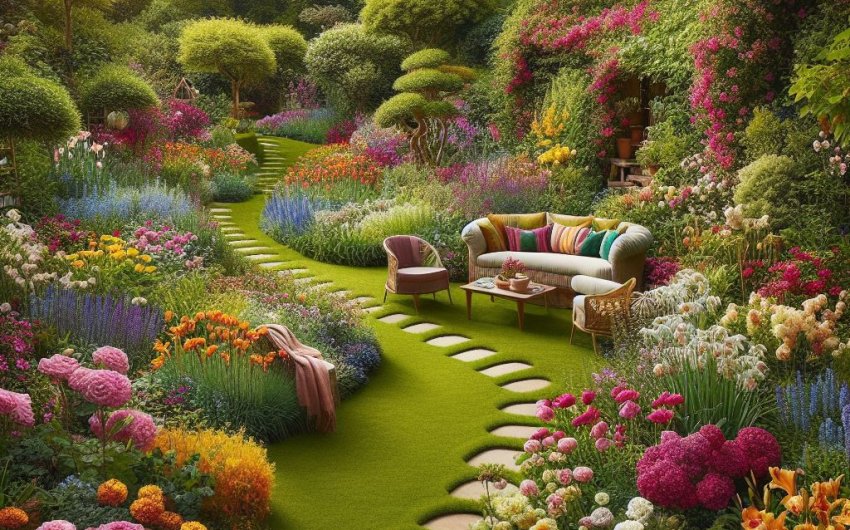
Embarking on the journey of creating your dream garden: inspiration and tips for a flourishing oasis is an exciting endeavor that blends creativity with a deep understanding of nature. Whether you envision a vibrant floral display, a serene retreat, or a productive edible landscape, transforming your outdoor space into a personalized haven requires thoughtful planning, practical knowledge, and a touch of artistic flair. This comprehensive guide will walk you through the essential steps, from initial concept to ongoing care, empowering you to cultivate a garden that not only thrives but also brings immense joy and tranquility.
Why is Planning Your Dream Garden Important?
Before you dig your first hole or buy your first plant, taking the time to plan is the most crucial step in creating your dream garden. Proper planning saves you time, money, effort, and prevents costly mistakes, ensuring your vision truly blossoms into a flourishing oasis.
- Defines Your Vision: Planning forces you to think about what you truly want and need from your garden. Do you want a space for entertaining, quiet contemplation, growing food, or a mix of everything? A clear vision helps you make cohesive choices.
- Optimizes Space and Resources: Understanding your garden's size, shape, sun exposure, and soil type allows you to make the most of what you have. It helps you avoid overcrowding plants, wasting water, or planting species that won't thrive in your specific conditions.
- Saves Money: Impulsive plant purchases or haphazard design choices often lead to plants dying, features that don't fit, or the need to constantly rework areas. A solid plan reduces waste and ensures every dollar spent contributes to your overall goal.
- Streamlines the Process: With a plan, you have a roadmap. You know what materials to buy, which plants to source, and what tasks to do in what order. This makes the gardening process much more efficient and less overwhelming.
- Prevents Mistakes: Planning helps identify potential problems before they arise, such as planting a tree too close to a structure, choosing plants that will outgrow their space, or designing a layout that's difficult to maintain.
- Ensures Longevity: A well-planned garden considers mature plant sizes, water needs, and light requirements, leading to healthier, more sustainable planting schemes that will thrive for years to come.
Ultimately, detailed planning is the foundation upon which creating your dream garden rests, ensuring a beautiful, functional, and sustainable outdoor space.
How Do I Define My Garden Style and Purpose?
The first step in creating your dream garden is to clarify what you want your garden to be and how you envision using it. This definition of style and purpose will guide every decision, from plant selection to hardscaping.
Reflect on Your Lifestyle and Needs
Your garden should complement how you live and what you enjoy doing.
- Relaxation: Do you envision a serene space for reading and unwinding? Consider a quiet corner with comfortable seating, perhaps a hammock or a cozy bench, surrounded by calming plants and soothing sounds like a small water feature.
- Entertaining: If you love hosting gatherings, you'll need space for dining and conversation. Think about a patio area with an outdoor dining set, a barbecue grill, and perhaps a fire pit.
- Gardening/Growing Food: If you're passionate about plants or growing your own produce, allocate dedicated space for raised garden beds, a potting area, or a greenhouse.
- Children/Pets: If you have kids or pets, ensure there's safe, open space for play, durable materials, and non-toxic plants. Consider a designated play area or a secure fencing solution.
- Aesthetics Only: Do you simply want a beautiful landscape to admire from indoors or a striking curb appeal? Focus on ornamental plants, structural elements, and visual harmony.
Explore Garden Styles for Inspiration
Look at different garden styles to see what resonates with you. These styles can be combined or adapted to suit your taste.
- Cottage Garden: Informal, whimsical, and overflowing with flowers. Characterized by dense planting, a mix of perennials, annuals, and climbing plants, often with winding paths and charming accents.
- Modern Garden: Clean lines, geometric shapes, minimalist planting, and a focus on structural elements like concrete, metal, and polished wood. Often features drought-tolerant plants and dramatic focal points.
- Zen Garden (Japanese Inspired): Emphasizes tranquility, balance, and simplicity. Features rocks, gravel (raked patterns), carefully pruned plants, and often a water feature. Minimalist and meditative.
- Mediterranean Garden: Drought-tolerant plants (lavender, olive trees, herbs), warm color palettes (terracotta, stone), often with gravel paths, terracotta pots, and perhaps a small fountain.
- Wildlife/Native Garden: Focuses on supporting local ecosystems by planting native species that attract pollinators (bees, butterflies) and birds. Often less formal and rich in biodiversity.
- Formal Garden: Symmetrical layouts, clipped hedges, precisely shaped shrubs, manicured lawns, and often classical elements like statues or fountains. Requires more maintenance.
By carefully defining your lifestyle needs and exploring various garden styles, you lay the creative groundwork for creating your dream garden, ensuring it's both beautiful and perfectly suited to you.
How Do I Assess My Site and Its Conditions?
Understanding the physical characteristics and environmental conditions of your garden site is absolutely crucial for successful garden design and plant selection. This step in creating your dream garden prevents future frustration and helps plants thrive.
Analyze Sun Exposure
Sunlight is the primary energy source for plants, and its availability dictates what you can grow where.
- Full Sun (6+ hours direct sun daily): Ideal for most vegetables, herbs, roses, and many flowering perennials. Identify areas that receive sun all day.
- Partial Sun/Partial Shade (3-6 hours direct sun daily): Good for many flowering plants, shrubs, and some vegetables that prefer afternoon shade. Typically, morning sun is gentler.
- Full Shade (Less than 3 hours direct sun daily, or dappled light): Best for ferns, hostas, impatiens, and other shade-loving plants. Areas under dense trees or on the north side of buildings.
- Track the Sun: Observe your yard throughout the day and across different seasons (if possible). Note how shadows fall from your house, fences, and trees. A simple diagram mapping sunny, partly sunny, and shady spots is invaluable.
Evaluate Soil Type
Healthy soil is the foundation of a flourishing garden. Knowing your soil type helps determine drainage, nutrient retention, and what amendments are needed.
- Soil Test: The most accurate way to assess your soil. You can buy a soil test kit or send a sample to a local university extension office. This tells you pH, nutrient levels, and sometimes soil type.
- Basic Soil Assessment:
- Clay Soil: Heavy, sticky when wet, holds water well but drains slowly. Can be compacted.
- Sandy Soil: Gritty, drains very quickly, doesn't hold nutrients well.
- Loam (Ideal): A balanced mix of sand, silt, and clay. Crumbly, drains well but retains moisture and nutrients.
- Drainage Test: Dig a hole about 1 foot deep and wide. Fill it with water and let it drain. Refill and time how long it takes to drain.
- Fast Drainage (less than 15 mins/foot): Sandy soil, may need more organic matter to retain water.
- Moderate Drainage (15-60 mins/foot): Ideal.
- Slow Drainage (over 60 mins/foot): Clay soil, may need significant amendments (compost, grit) or raised beds.
Identify Existing Features
Work with what you have. Existing elements can be assets or challenges.
- Structures: House, garage, shed, fences, walls. Consider how they cast shade or provide privacy.
- Trees/Shrubs: Established plantings can provide shade, wind breaks, or become focal points. Note their mature size.
- Utilities: Locate underground pipes, cables, and septic systems before digging. Call 811 (in the US) before you dig.
- Slope/Topography: Slopes can affect drainage and require terracing or specific planting strategies to prevent erosion.
Understand Your Climate Zone
Your USDA Plant Hardiness Zone (or equivalent in other regions) tells you which plants can survive winter temperatures in your area.
- Hardiness Zone: Look up your USDA Plant Hardiness Zone online. This is crucial for selecting perennial plants that will return year after year.
By diligently assessing your site's conditions, you gain the foundational knowledge needed for successful creating your dream garden, allowing you to choose plants and designs that truly thrive.
What Are Essential Elements of Garden Design?
Once you have a vision and understand your site, it's time to think about the key components that bring a garden design to life. These essential elements contribute to both the beauty and functionality of your flourishing oasis.
Hardscaping Elements
These are the non-living, permanent structures in your garden that define its layout and provide functional spaces.
- Patios and Decks: Create outdoor living rooms for entertaining, dining, or relaxing. Consider materials like concrete, pavers, natural stone, or wood decking. Ensure proper drainage and a level surface. A well-designed patio area forms the backbone of an outdoor space.
- Pathways: Guide visitors through your garden, connect different zones, and provide access to plants. Materials can range from gravel, stepping stones, or paver pathways to bark mulch or even mown grass.
- Fencing and Walls: Define boundaries, provide privacy, offer security, and create backdrops for planting. Options include wood fences, stone walls, brick, or even living walls.
- Retaining Walls: Necessary on sloped sites to create level terraces for planting or seating areas. They prevent erosion and add structural interest.
- Water Features: Introduce soothing sounds and visual interest. Options range from small bird baths and tabletop fountains to elaborate ponds or waterfalls. A solar-powered fountain pump can be a simple addition.
Planting Zones and Plant Selection
This is where the living beauty of your garden comes to life, focusing on plant groupings and wise choices.
- Layering: Create visual interest by layering plants of different heights. Tall plants at the back, medium-height in the middle, and low-growing plants or groundcovers at the front of beds.
- Color Palette: Choose a dominant color scheme (e.g., cool blues/purples for a serene feel, warm reds/oranges for vibrant energy) and accent colors.
- Texture: Mix plants with different leaf textures (fine, coarse, glossy, fuzzy) to add depth and interest.
- Succession of Bloom: Select plants that bloom at different times of the year to ensure continuous color and interest throughout the seasons.
- Native Plants: Incorporate native plants suitable for your region. They are adapted to your local climate, require less water and maintenance, and support local wildlife.
- Edibles: Integrate herbs, vegetables, or fruit trees into your ornamental beds or create dedicated raised vegetable gardens.
Features and Amenities
These elements add comfort, personality, and functionality to your outdoor space.
- Seating Areas: Provide comfortable outdoor furniture sets for relaxation or dining.
- Lighting: Essential for extending the usability of your garden into the evening. Use a mix of string lights, pathway lights, and spotlights.
- Fire Features: A fire pit or outdoor fireplace creates a cozy gathering spot.
- Garden Art: Statues, sculptures, bird feeders, or wind chimes add personal touches and focal points.
- Containers: Use decorative planters to add color, seasonal interest, or grow plants in areas with poor soil. They also offer flexibility to change up your design.
By carefully integrating these elements, you can design a cohesive and captivating space, bringing your vision for creating your dream garden to life.
How Do I Implement My Garden Design?
Once your garden design is on paper, the exciting phase of bringing it to life begins. Implementing your vision involves a sequence of practical steps, from preparing the ground to planting your chosen flora.
Site Preparation
Good preparation is key to a successful garden that thrives.
- Clear the Area: Remove any unwanted weeds, old plants, debris, or overgrown vegetation. This might involve manual weeding, using a tiller, or specialized weed control methods.
- Rough Grading (If Needed): If you're building patios, paths, or features that require specific slopes for drainage, this is the time to do the initial shaping of the land.
- Install Hardscaping: Build any permanent structures first: patios, decks, pathways, fences, retaining walls, and large water features. It's much easier to do this before plants are in the ground. You might need to rent equipment like a plate compactor for paver bases.
- Amend the Soil: Based on your soil test results, amend your soil to improve its structure, drainage, and fertility.
- Add Organic Matter: Incorporate generous amounts of compost, aged manure, or other organic materials. This is vital for almost all soil types.
- Adjust pH: If needed, add lime to raise pH (make it less acidic) or sulfur to lower pH (make it more acidic).
- Incorporate Amendments: Dig amendments into the top 6-12 inches of soil using a shovel or a garden fork.
Planting Your Garden
This is where your vision truly starts to take shape with living elements.
- Choose the Right Time: Plant new trees, shrubs, and perennials in spring or fall, when temperatures are mild. Annuals can be planted after the last frost.
- Acclimate Plants: Before planting, let your new plants sit in their pots in the garden for a few days to get used to the light and temperature conditions.
- Dig Proper Holes: Dig a hole that is as deep as the root ball and 2-3 times wider. This allows roots to spread easily.
- Loosen Roots: Gently loosen any circling roots at the bottom of the root ball to encourage outward growth.
- Plant at Correct Depth: Ensure the top of the root ball is level with or slightly above the surrounding soil, depending on the plant type.
- Backfill and Water: Backfill the hole with amended soil, gently firming it around the roots to remove air pockets. Water thoroughly immediately after planting to settle the soil. A watering can with a gentle shower head is ideal.
- Mulch: Apply a 2-4 inch layer of organic mulch (e.g., shredded bark, compost) around your plants. Mulch conserves moisture, suppresses weeds, regulates soil temperature, and adds nutrients as it breaks down.
Irrigation Setup
A well-planned irrigation system ensures your plants receive adequate water without waste.
- Assess Needs: Consider your climate, soil type, and plant water requirements.
- Options:
- Hand Watering: Fine for small gardens, but can be time-consuming.
- Hose with Sprinkler/Wand: A convenient option for larger areas. Look for an adjustable garden hose nozzle.
- Drip Irrigation/Soaker Hoses: Highly efficient for beds and rows. Delivers water directly to the root zone, minimizing evaporation. A drip irrigation kit can save a lot of water.
- Smart Irrigation Controllers: Connect to weather data and adjust watering schedules automatically.
By systematically implementing these steps, you'll successfully transition from design to reality, making significant progress in creating your dream garden.
How Do I Maintain My Flourishing Oasis?
Once your dream garden is planted and established, ongoing maintenance is crucial to ensure it continues to thrive and live up to your vision. Regular care prevents problems, encourages growth, and keeps your flourishing oasis beautiful.
Watering
Consistent and appropriate watering is fundamental for plant health.
- Monitor Soil Moisture: Don't just water on a schedule. Check the soil moisture before watering. Stick your finger 1-2 inches into the soil; if it feels dry, it's likely time to water. A moisture meter can also be helpful.
- Water Deeply and Infrequently: Encourage deep root growth by watering deeply rather than frequent, shallow sprinkles. Deep watering makes plants more drought-tolerant.
- Adjust for Weather/Season: Water more frequently during hot, dry periods and less during cool, rainy weather or during dormant seasons.
- Early Morning Watering: The best time to water is in the early morning. This allows the water to soak in before the sun gets too hot (reducing evaporation) and gives foliage time to dry before nightfall (reducing fungal disease risk).
Weeding
Weeds compete with your plants for water, nutrients, and light, so consistent weeding is essential.
- Regular Weeding: Pull weeds as soon as you see them, especially when they are small. They are easier to remove before their root systems become established.
- Mulch is Your Friend: A 2-4 inch layer of organic mulch significantly suppresses weeds by blocking light to weed seeds and making any weeds that do sprout easier to pull.
- Weeding Tools: Use a hand weeder or a hoe for efficient removal.
Fertilizing
Provide nutrients to your plants to support healthy growth and flowering.
- Soil Test Regularly: Re-test your soil every few years to monitor nutrient levels and pH.
- Targeted Fertilization: Based on plant needs and soil test results, apply balanced granular fertilizer or liquid feeds.
- Timing: Fertilize during active growing seasons (spring and summer). Reduce or stop fertilization during fall and winter dormancy.
- Organic Options: Incorporate compost annually. Use worm castings or other organic amendments to slowly release nutrients.
Pruning and Deadheading
These practices maintain plant health, shape, and encourage continuous blooms.
- Deadhead Spent Flowers: Remove faded or spent flowers (deadheading) to redirect the plant's energy from seed production into producing more blooms. Use pruning snips.
- Prune for Shape and Health:
- Remove Dead/Diseased Wood: Cut back any dead, damaged, or diseased branches as soon as you notice them.
- Thinning: Prune to improve air circulation and light penetration within dense shrubs.
- Shaping: Trim plants to maintain their desired size and form. Use appropriate pruning shears or loppers for different branch sizes.
- Timing: Research the best pruning time for specific plants (e.g., spring-flowering shrubs after they bloom, summer-flowering shrubs in late winter/early spring).
Pest and Disease Management
Vigilance helps catch problems early before they escalate.
- Regular Inspection: Inspect your plants regularly for signs of pests (holes, sticky residue, visible insects) or diseases (spots, discoloration, wilting).
- Identify and Treat: Once identified, use appropriate organic or chemical treatments if necessary. Often, a strong spray of water can dislodge many pests. Neem oil spray is a good organic option.
- Promote Plant Health: Healthy plants are naturally more resistant to pests and diseases.
Seasonal Tasks
Specific tasks are often needed as seasons change.
- Spring: Wake-up calls for the garden – clean up debris, apply fresh mulch, fertilize, prune dormant plants.
- Summer: Focus on regular watering, deadheading, and monitoring for pests.
- Fall: Prepare for winter – clean up fallen leaves, cut back perennials (if desired), plant spring bulbs, protect sensitive plants.
- Winter: Enjoy the dormant beauty, plan for next season, perform tool maintenance.
By committing to these ongoing maintenance tasks, you ensure the longevity and vitality of your outdoor haven, consistently enhancing your efforts in creating your dream garden: inspiration and tips for a flourishing oasis.