
Thriving in Small Spaces: Container Gardening Tips for Urban Gardeners
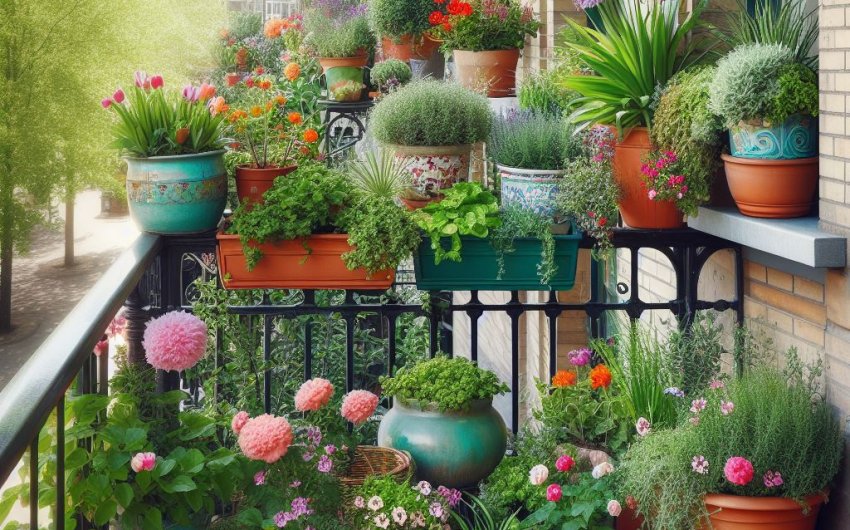
Embracing the joy of cultivating fresh produce and vibrant blooms is entirely possible, even when your outdoor real estate is limited to a balcony, patio, or tiny yard. Mastering thriving in small spaces through container gardening tips for urban gardeners opens up a world of possibilities, allowing you to maximize every inch and transform concrete jungles into lush, productive oases. This guide will equip you with the knowledge to make your compact garden flourish.
Why is Container Gardening Ideal for Small Spaces?
Container gardening is a transformative solution for urban gardeners facing limited ground space. Its inherent flexibility and adaptability make it uniquely suited to balconies, patios, rooftops, and even sunny windowsills, turning otherwise barren areas into productive green zones.
What are the Key Benefits of Container Gardening in Urban Environments?
The advantages of growing in pots extend far beyond simply having plants in a limited area.
- Space Maximization: Containers allow you to utilize every available surface – balconies, patios, windowsills, ledges, and even vertical walls. You can grow a surprising amount of food or flowers in a compact footprint.
- Portability and Flexibility: Unlike in-ground beds, pots can be moved. This means you can:
- Chase the sun: Move sun-loving plants to catch maximum light throughout the day.
- Protect from harsh weather: Bring tender plants indoors during cold snaps or excessive heat.
- Rearrange layouts: Easily refresh your garden's look by moving pots around.
- Move for entertaining: Clear space for social gatherings as needed. A plant caddy with wheels is invaluable for heavy pots.
- Control Over Growing Medium: Urban soils can be compacted, contaminated, or simply poor quality. With containers, you choose your own high-quality potting mix, ensuring optimal nutrients, drainage, and aeration for your plants.
- Accessibility: For gardeners with mobility issues or those who prefer not to bend down, raised containers or tall pots bring plants up to a more comfortable working height.
- Pest and Disease Management: While not foolproof, container gardening can sometimes help isolate specific soil-borne pests or diseases, preventing them from spreading throughout a larger garden space.
- Reduced Weeding: Pots significantly reduce the amount of weeding required compared to in-ground beds, making maintenance easier.
- Aesthetic Appeal: Containers themselves can be decorative elements, adding color, texture, and style to your urban space.
- No Garden Bed Construction: Skip the arduous process of digging and amending large garden beds; simply fill a pot and plant.
What are the Common Challenges of Container Gardening in Small Spaces?
While beneficial, container gardening in urban environments does present its own set of unique challenges that require specific strategies.
- Faster Drying Out: Soil in pots, especially terracotta or smaller containers, dries out much faster than in-ground soil, requiring more frequent watering. This is perhaps the biggest challenge.
- Nutrient Depletion: Plants in containers exhaust nutrients in their limited soil volume more quickly, necessitating regular fertilization.
- Temperature Fluctuations: Containers, especially those made of dark materials, can heat up rapidly in direct sun, potentially stressing roots. They also offer less insulation against cold.
- Root Bound Plants: Plants can quickly become root-bound if the pot size isn't adequate or if they aren't repotted regularly.
- Weight Restrictions: For balconies or rooftops, structural weight limits must be considered, especially when using heavy materials like ceramic or concrete pots filled with wet soil.
- Drainage Issues: Improper drainage in containers can lead to root rot, a common killer of container plants.
What are Smart Container Choices for Urban Gardeners?
The right container gardening tips for urban gardeners begin with selecting suitable pots and planters that maximize space, manage moisture, and withstand urban conditions.
What Materials are Best for Urban Containers?
The choice of material impacts weight, water retention, and durability.
- Plastic Pots:
- Pros: Lightweight, affordable, durable, good moisture retention (less frequent watering), widely available in various colors and styles, often made from recycled plastic planters.
- Cons: Can look less natural, some may degrade over time in harsh sun.
- Fabric Grow Bags:
- Pros: Lightweight, excellent air pruning (prevents roots from circling), very good drainage, promotes aeration, often made from recycled materials, foldable for storage. A fabric grow bag is a versatile choice.
- Cons: Dries out very quickly (requires frequent watering), less aesthetically formal.
- Terracotta/Clay Pots:
- Pros: Porous (allows roots to breathe), classic aesthetic, good for plants that like to dry out between waterings (herbs, succulents).
- Cons: Dries out quickly (requires frequent watering), heavy when large, can crack in freezing temperatures. A terracotta pot set is a traditional option.
- Wood (Cedar, Redwood, Treated Pine):
- Pros: Natural look, good insulation for roots, can be custom-built into raised garden beds for patios.
- Cons: Can rot over time (even treated wood), requires maintenance (sealing/painting).
- Metal (Galvanized Steel, Aluminum):
- Pros: Modern, sleek, durable, rust-resistant (galvanized), lightweight (aluminum), often used for metal raised garden beds.
- Cons: Can heat up quickly in direct sun (stressing roots), may rust if not properly coated.
- Self-Watering Planters:
- Pros: Have a built-in water reservoir that provides consistent moisture to the roots, reducing watering frequency. Excellent for busy gardeners or hot climates.
- Cons: Can be more expensive, less control over soil moisture (risk of root rot if overfilled for long periods). A self-watering planter outdoor is a great investment.
What are Space-Saving Container Forms?
Beyond material, choosing containers that maximize your limited space vertically or efficiently is key for urban gardeners.
- Vertical Planters/Living Walls: These systems allow you to grow plants upwards on a wall or fence, maximizing planting density. A vertical garden planter stand or wall-mounted pocket planters are popular options.
- Stacking Planters: Tiered systems where pots stack on top of each other, ideal for strawberries, herbs, or small flowers.
- Rail Planters: Designed to hang directly over balcony railings, maximizing usable space. A balcony rail planter is a classic choice.
- Hanging Baskets: Utilize overhead space to grow trailing plants, flowers, or even small tomatoes.
- Window Boxes: Perfect for windowsills, adding charm and greenery to your view.
- Grow Towers: Specialized vertical systems that allow a high density of plants to grow in a column. Some are designed for hydroponic grow tower use.
- Rolling Planters/Plant Caddies: For heavy pots, a plant caddy with wheels allows you to easily move plants for light, protection, or rearranging.
What is the Importance of Drainage Holes?
This is non-negotiable for virtually all container gardening.
- Root Health: Drainage holes are vital to prevent waterlogging, which suffocates roots and leads to root rot, a common killer of container plants.
- Watering Efficiency: They allow excess water to escape after thorough watering, ensuring the soil doesn't remain soggy.
- If No Holes: If using a decorative pot without drainage, place your plant in a slightly smaller nursery pot with holes, then set it inside the decorative pot. Ensure no water collects in the cachepot.
How Do You Choose the Right Plants for Containers?
Not all plants are equally suited for container gardening in small spaces. Selecting varieties that are naturally compact, productive in pots, or can be managed through pruning is key for urban gardeners.
What Vegetables and Herbs Thrive in Containers?
Many edible plants are excellent choices for pots, offering fresh produce even in compact areas.
- Herbs: Most herbs are fantastic in containers.
- Bushy/Mounding: Basil, mint (keep in its own pot, it spreads!), oregano, thyme, rosemary. A herb garden planter is ideal.
- Tall: Dill, fennel.
- Leafy Greens: Lettuce, spinach, kale, Swiss chard are fast-growing and can be harvested "cut and come again." A salad greens container kit is a quick way to get started.
- Tomatoes: Look for "determinate" or "bush" varieties, or specifically "container varieties." Cherry tomatoes are particularly well-suited. A large pot (5+ gallons) is a must. A tomato cage for pots will provide support.
- Peppers: Bell peppers and chili peppers do very well in medium-sized containers.
- Bush Beans: Look for bush varieties of green beans, which don't require trellising.
- Radishes: Quick-growing and require shallow pots.
- Carrots (Short/Round Varieties): Choose Nantes, Danvers, or "round" varieties for pots at least 8-12 inches deep.
- Strawberries: Excellent in hanging baskets, stacking planters, or window boxes.
- Blueberries: Dwarf varieties can be grown in large pots (acidic soil mix needed).
- Compact Cucumbers/Squash: Look for "bush" or "patio" varieties that are less vining.
- Potatoes: Can be grown in large grow bags or specialized potato grow bags. A potato grow bag is efficient.
What Flowers and Ornamentals are Good for Containers?
Add beauty and attract pollinators with decorative plants suitable for pots.
- Annuals: Petunias, impatiens, marigolds, zinnias, calibrachoa, geraniums, coleus. These provide continuous color.
- Perennials: Hostas, heuchera, dwarf conifers, some ornamental grasses, sedum. Choose varieties that stay compact.
- Climbing Plants: Clematis, jasmine, morning glory, or even dwarf climbing roses can be grown in large pots with a small garden trellis.
- Succulents and Cacti: Low-maintenance and thrive in pots with excellent drainage.
- Dwarf Fruit Trees/Shrubs: Look for dwarf varieties of citrus, figs, olives, or pomegranates that can live in large containers.
How Do You Care for Container Plants in Small Spaces?
Successful container gardening requires specific care adjustments compared to in-ground planting, particularly for watering, fertilizing, and managing microclimates.
What are Watering Strategies for Containers?
Due to their limited soil volume and exposure, container plants dry out much faster.
- Check Daily: Especially during hot, sunny, or windy weather, check your containers daily. Stick your finger 1-2 inches into the soil; if it feels dry, it's time to water.
- Water Thoroughly: When you water, soak the entire soil ball until water drains from the bottom of the pot. Don't just give sips.
- Morning Watering: Watering in the morning allows the plants to absorb moisture before the heat of the day, and leaves have time to dry, reducing fungal issues.
- Self-Watering Planters: Invest in self-watering containers to significantly reduce watering frequency.
- Monitor for Wilting: Wilting is a clear sign of thirst. Water immediately.
- Group Pots: Clustering pots together can help create a slightly more humid microclimate, reducing water loss.
How to Fertilize Container Plants?
Nutrients in potting mix are depleted faster in containers.
- Start with Good Mix: Begin with a high-quality potting mix with slow-release fertilizer or add a slow-release granular fertilizer at planting.
- Regular Feeding: Supplement with a balanced liquid fertilizer for container plants every 2-4 weeks during the active growing season (spring through early fall).
- Dilute: Always dilute liquid fertilizers to half or quarter strength to prevent chemical burn.
- Signs of Deficiency: Yellowing leaves, stunted growth, or poor flowering/fruiting can indicate a need for nutrients.
What About Repotting and Pruning?
These practices are crucial for long-term container plant health.
- Repotting: As plants grow, they will become root-bound. Repot when roots emerge from drainage holes or growth slows significantly. Move to a pot only 1-2 inches larger. Spring is the best time. A small trowel for potting is helpful.
- Pruning:
- Shape and Size Control: Prune plants to maintain their desired size and shape, especially in compact areas.
- Encourage Bushiness: Pinch back leafy herbs and annuals to encourage bushier growth.
- Remove Spent Blooms/Leaves: Deadhead flowering plants to encourage more blooms. Remove yellowing or diseased leaves. Use clean pruning shears for plants.
How to Manage Pests and Diseases in Containers?
Container plants can still get pests and diseases, but they are often easier to manage.
- Regular Inspection: Weekly checks are crucial for early detection. Look under leaves and in leaf axils.
- Quarantine New Plants: Always isolate new plants for 2-4 weeks before introducing them to your main collection.
- Physical Removal: For small infestations, wipe off pests (aphids, mealybugs) with a damp cloth or a cotton swab dipped in rubbing alcohol.
- Insecticidal Soap/Neem Oil: Use organic insecticidal soap or neem oil spray for more widespread issues.
- Good Air Circulation: Space pots adequately to allow for airflow, which helps prevent fungal diseases.
- Proper Watering: Avoid overwatering, which leads to root rot and attracts fungus gnats.
Mastering container gardening tips for urban gardeners truly empowers you to thrive in small spaces. By choosing smart containers, selecting suitable plants, and adjusting your care routines, you can cultivate a beautiful, productive, and endlessly rewarding garden on any balcony, patio, or tiny patch of concrete, transforming urban environments into vibrant green havens.