
Blossom Bliss: How to Craft a Stunning Flower Garden That Blooms Year-Round
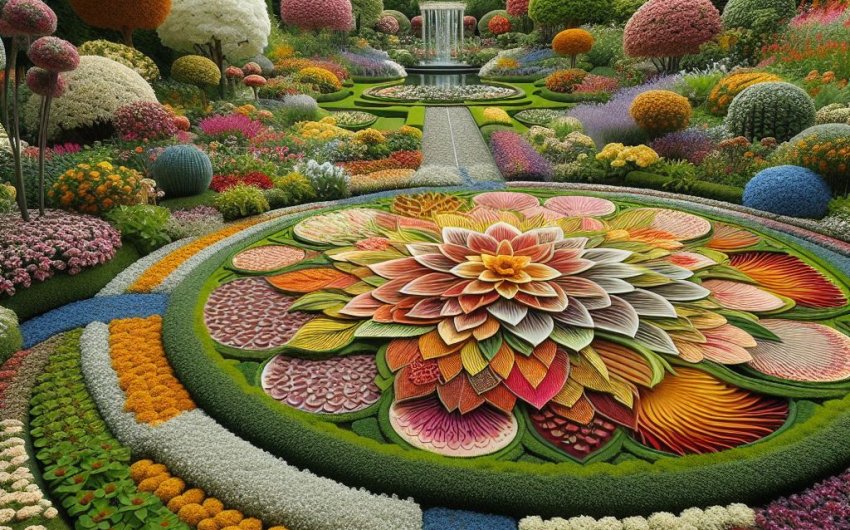
Achieving a truly spectacular flower garden that blooms year-round is a dream for many gardening enthusiasts, transforming an outdoor space into a continuous display of color and life. It's about orchestrating a living symphony, where each season brings its unique performers to the stage, ensuring there's always something beautiful to admire. Crafting such a garden involves careful planning, a deep understanding of plant cycles, and a commitment to creating layers of interest that evolve with the changing months. This guide will walk you through the comprehensive process of designing, planting, and maintaining a garden that offers endless blossom bliss.
How Do You Begin Planning for Year-Round Blooms?
The secret to a continuously vibrant flower garden lies in meticulous planning. You can't just plant everything at once and expect a never-ending show. It requires foresight and a good understanding of your specific environment.
Understand Your Garden's Unique Conditions
Every garden is different, and knowing your particular site's characteristics is the absolute first step.
Sun Exposure Mapping: The Energy Source
The amount of sunlight your garden receives daily is the single most important factor determining which plants will thrive.
- Full Sun: At least 6 hours of direct sunlight per day. Many flowering plants love this.
- Partial Sun/Shade: 2 to 6 hours of direct sun, or dappled light all day. Some plants prefer this protection from intense afternoon sun.
- Full Shade: Less than 2 hours of direct sun, or bright indirect light. Fewer flowering plants do well here, but beautiful foliage plants thrive. Walk around your garden at different times of the day to observe sun patterns. A sunlight tracking app can help you map this precisely.
Soil Health Assessment: The Foundation
Healthy soil is the bedrock of a thriving flower garden.
- Soil Type: Is your soil sandy (drains quickly), clay (holds water, can be compacted), or loamy (ideal mix)?
- Drainage: Does water pool after rain, or drain away quickly? Poor drainage can lead to root rot.
- pH Level: This measures how acidic or alkaline your soil is, which affects nutrient availability. Most flowering plants prefer a neutral to slightly acidic pH ((6.0 \text{ to } 7.0)). You can purchase a simple soil test kit to get accurate readings on your soil's composition and pH. Based on the results, you might need to amend your soil with organic compost or other amendments.
Climate and Hardiness Zone: Knowing Your Limits
Your hardiness zone dictates which perennial plants can survive winter in your area.
- Refer to the USDA Plant Hardiness Zone Map (or your country's equivalent) to find your zone. Choose plants that are hardy in your zone or colder.
- Consider local climate specifics: long, hot summers? Cold, windy winters? High humidity? This will influence plant selection.
Design for Continuous Bloom
This is the core concept of a year-round flower garden. It involves selecting plants with different bloom times so that as one group fades, another is ready to take its place.
Create a Bloom Calendar
- Map out a year, month by month. For each month, list plants that are typically in bloom in your zone. This is a critical step.
- Aim for at least 2-3 different plants blooming in any given month. Don't forget to include plants known for their foliage or winter interest when flowers are scarce. A garden planner book can help organize this.
Layering for Visual Impact
- Height: Plant taller plants at the back, medium-height plants in the middle, and shorter plants or groundcovers at the front of beds.
- Depth: Create layers not just by height, but also by texture and form. This adds visual richness even when plants aren't in peak bloom.
Color Schemes and Textures
- Choose a palette: Decide if you want a harmonious blend of colors (e.g., cool blues and purples), a vibrant contrast (e.g., orange and blue), or a more monochromatic scheme.
- Consider texture: Mix plants with different leaf shapes (broad, feathery, spiky), flower forms (spires, daisies, globes), and growth habits (mounding, upright, spreading) to create dynamic interest.
Incorporate Structure and Evergreens
- Evergreens: These are your year-round backbone. Use evergreen shrubs, small conifers, or perennial groundcovers to provide structure, color, and interest, especially in winter.
- Hardscaping: Elements like pathways, benches, trellises, or decorative pots provide permanent structure and beauty when flowers are sparse. A garden trellis adds vertical interest.
What Flowers Provide Dazzling Spring Spectacles?
Spring is a time of awakening, and your garden should reflect this with early, vibrant bursts of color. These plants kick off your year-round bloom cycle.
Early Spring Awakens (Late Winter to Early Spring)
These are the first to emerge, often pushing through melting snow.
Snowdrops and Winter Aconite
- Why they wow: Tiny but mighty, these bulbs brave the cold, often blooming in late winter. Snowdrops (Galanthus nivalis bulbs) offer delicate white bells, while Winter Aconite provides cheerful yellow cups.
- Best for: Under deciduous trees, rock gardens, or at the front of borders. They naturalize well.
Hellebores (Lenten Roses)
- Why they wow: True winter marvels, Hellebores (Hellebore plants) produce stunning, often nodding, cup-shaped flowers in shades of white, pink, purple, and even nearly black. They bloom from late winter through early spring.
- Best for: Shady areas, woodland gardens, or under trees. Deer resistant.
Crocuses and Daffodils
- Why they wow: Crocuses (Crocus bulbs) provide early pops of purple, yellow, and white. Daffodils (Daffodil bulbs) are the quintessential spring flower, bringing cheerful yellows and whites.
- Best for: Mass plantings, drifts, or borders. Daffodils are generally deer-resistant.
Mid-Spring Bloom Extravaganza
As temperatures rise, a wider array of flowers takes center stage, creating a fuller display.
Tulips and Hyacinths
- Why they wow: Tulips (Tulip bulbs) offer an incredible diversity of colors, shapes, and bloom times. Hyacinths (Hyacinth bulbs) are intensely fragrant, adding a sensory dimension.
- Best for: Bold color blocks, mixed borders, or containers near seating areas.
Bleeding Hearts and Primroses
- Why they wow: Bleeding Hearts (Dicentra spectabilis plants) feature charming heart-shaped flowers, perfect for shady spots. Primroses (Primula plants) offer cheerful, compact blooms in a rainbow of colors.
- Best for: Woodland gardens (Bleeding Hearts), front of borders, or containers (Primroses).
What Summer Blooms Ensure a Continuous Flow of Color?
Summer is the peak season for many flowers, bringing the most abundant and vibrant displays. This is where the bulk of your garden's "wow" factor comes from.
Long-Blooming Staples
These plants provide consistent color for weeks or even months, preventing gaps in your display.
Daylilies
- Why they wow: Daylilies (Daylily plants) are incredibly hardy and come in an astonishing variety of colors and sizes. While each bloom lasts only a day, the plants produce a continuous succession of flowers.
- Best for: Borders, mass plantings, or areas needing tough, reliable color. They are very adaptable.
Coneflowers (Echinacea)
- Why they wow: Tough, drought-tolerant perennials with daisy-like flowers and prominent central cones. They bloom from summer into fall, attracting butterflies and bees.
- Best for: Sunny borders, prairie-style gardens, or pollinator gardens. Look for Echinacea purpurea seeds.
Garden Phlox
- Why they wow: Offers dense clusters of fragrant flowers in a range of colors, creating a vibrant mass of color and attracting pollinators. Many varieties are mildew resistant.
- Best for: Mid-to-back of sunny borders. Try tall garden phlox plants.
Heat-Loving Performers
Choose plants that thrive in the summer heat and continue to bloom even in scorching temperatures.
Sedum (Stonecrop)
- Why they wow: Incredibly resilient and drought-tolerant. Their flower heads start green, turn pink, then bronze, and finally russet, extending interest well into fall. They also provide great texture.
- Best for: Sunny, dry spots, rock gardens, or borders. Sedum 'Autumn Joy' plants are very popular.
Lantana
- Why they wow: Thrives in full sun and heat, producing clusters of brightly colored flowers that attract butterflies and hummingbirds continuously. Can be grown as an annual in colder zones or perennial in warmer ones.
- Best for: Containers, sunny borders, or hot, dry areas.
Zinnia (Annual)
- Why they wow: One of the easiest and most prolific annuals. Zinnias come in a dazzling array of colors and shapes, blooming non-stop from early summer until frost. Excellent for cutting.
- Best for: Filling gaps, cutting gardens, or adding continuous vibrant color. Zinnia seeds are simple to sow.
What Autumn Blooms and Textures Extend Your Garden's Season?
As summer winds down, autumn brings a rich tapestry of colors, not just from foliage but from late-blooming flowers and interesting textures that keep your garden vibrant.
Late-Season Floral Beauties
These flowers thrive in the cooler temperatures of fall, offering a final spectacular burst of color.
Chrysanthemums (Mums)
- Why they wow: The quintessential fall flower, mums (Garden mum plants) come in an incredible array of colors, sizes, and forms, providing dense mounds of color.
- Best for: Containers, front of borders, or mass plantings for a grand autumn display. Choose hardy perennial varieties.
Asters
- Why they wow: Produce masses of small, daisy-like flowers in shades of purple, pink, and white. They are excellent for attracting late-season pollinators.
- Best for: Mid-to-back of sunny borders. New England Aster plants are robust.
Japanese Anemones
- Why they wow: Offer delicate, cup-shaped flowers on tall, slender stems. They bloom from late summer and early fall, adding an elegant touch to the autumn garden.
- Best for: Partial shade, woodland gardens, or naturalized areas. Japanese Anemone plants are lovely.
Ornamental Grasses: Movement and Texture
While not strictly flowers, ornamental grasses provide incredible texture, movement, and architectural interest throughout the fall and often into winter. Their seed heads catch the light beautifully.
Maiden Grass (Miscanthus)
- Why they wow: Forms elegant clumps with feathery plumes that turn shades of bronze and gold in the fall, adding a soft, wispy texture.
- Best for: As a backdrop, specimen plant, or along borders. Miscanthus sinensis 'Gracillimus' plants are popular.
Little Bluestem
- Why they wow: A native grass that turns a stunning rusty-red or purple in the fall, providing brilliant color long after flowers have faded.
- Best for: Naturalized areas, sunny borders, or dry spots. Look for Schizachyrium scoparium seeds.
How Can You Ensure Winter Interest in Your Flower Garden?
Even when flowers are scarce, a well-planned year-round garden can still "wow" with subtle beauty and strong structural elements. This is where your design framework and choice of evergreens become critical.
Evergreen Plants: The Garden's Permanent Structure
Evergreens provide essential structure, color, and texture when deciduous plants have shed their leaves.
Conifers: Diverse Forms and Colors
- Why they wow: Small conifers (Dwarf conifer trees) come in a vast array of shapes (columnar, weeping, spreading), sizes, and colors (deep green, blue-green, golden). They provide year-round interest and act as anchors in your garden beds.
- Best for: Providing permanent structure and focal points.
Boxwoods and Holly
- Why they wow: Classic evergreen shrubs that can be formally clipped or left natural. They offer dense green foliage that looks great even under snow.
- Best for: Hedges, borders, or as specimen plants. Boxwood shrubs are versatile.
Heuchera (Coral Bells)
- Why they wow: While some are deciduous, many Heuchera varieties are evergreen in milder climates, offering fantastic foliage color year-round in shades of purple, bronze, lime green, and variegated patterns.
- Best for: Front of borders, containers, or partial shade.
Berries and Bark: Color Beyond Blooms
Some plants shine in winter through their vibrant fruit or striking bark.
Winterberry Holly (Ilex verticillata)
- Why they wow: A deciduous holly that produces an abundance of bright red berries that persist on the bare branches throughout the winter, providing a stunning splash of color.
- Best for: Providing dramatic winter color. Needs both male and female plants for berries. A winterberry holly shrub is truly spectacular.
Dogwoods (Cornus sericea)
- Why they wow: Certain dogwood varieties, like the Red Twig Dogwood, have vibrantly colored bark (red, yellow, or orange) that becomes most prominent in winter after the leaves have dropped.
- Best for: Mass planting for dramatic effect, or as a contrasting accent. A red twig dogwood shrub adds incredible winter interest.
Structural Interest: Leave Some Perennials Standing
Don't cut back everything in the fall! Some plants offer great winter interest in their dried forms.
Seed Heads
- Why they wow: Leave the dried seed heads of plants like Coneflowers, Sedum, Ornamental Grasses, and Alliums standing through the winter. They provide architectural beauty, especially when dusted with snow or frost, and offer food for birds.
- Best for: Adding natural sculpture to the winter landscape.
Ornamental Grasses
- Why they wow: Their dried foliage and plumes retain their shape and provide texture and movement even in cold winds. They can look stunning covered in hoarfrost.
- Best for: Winter texture and sound.
What Essential Maintenance Ensures Year-Round Blossom Bliss?
A stunning flower garden that blooms year-round is not a "set it and forget it" project. Consistent and appropriate maintenance throughout the seasons is key to its ongoing health and spectacular display.
Consistent Watering Practices
Proper watering is fundamental, especially during dry spells or establishment.
Deep and Infrequent
- Encourage deep root growth by watering deeply rather than frequently. Most plants need about an inch of water per week, either from rain or irrigation.
- Check soil moisture before watering. A garden moisture meter can be very useful.
Targeted Watering
- Water at the base of plants to get water directly to the roots and minimize evaporation. Consider using a soaker hose system or drip irrigation for efficiency.
Fertilizing for Sustained Growth
Plants need nutrients to fuel continuous blooming.
Soil Health First
- Start with healthy, rich soil. Regularly amend your garden beds with organic compost or aged manure to provide slow-release nutrients.
Balanced Fertilization
- Use a balanced flower fertilizer or one with a slightly higher phosphorus content to encourage blooms.
- Follow package directions carefully; over-fertilizing can harm plants. Most perennial beds benefit from a light application in spring. An organic flower fertilizer is a good choice.
Pruning and Deadheading: The Secret to More Blooms
These practices encourage plants to produce more flowers and maintain a tidy appearance.
Deadheading
- What it is: Removing spent flowers.
- Why it's important: It prevents the plant from putting energy into seed production and redirects it into producing more blooms. It keeps the plant looking tidy and extends the flowering season significantly for many perennials and annuals. Use sharp garden snips.
Pruning
- What it is: Removing dead, diseased, or damaged branches, or shaping the plant.
- Why it's important: Promotes overall plant health and vigor. Some perennials can be "pinched" or "cut back" mid-season to encourage bushier growth and a second flush of blooms (e.g., coneflowers, asters).
Mulching: Protection and Moisture Retention
A good layer of mulch is a gardener's best friend.
Benefits of Mulch
- Weed suppression: Reduces weed growth, minimizing competition for nutrients and water.
- Moisture retention: Helps the soil retain moisture, reducing the need for frequent watering.
- Temperature regulation: Insulates the soil, keeping roots cooler in summer and warmer in winter.
- Soil improvement: Organic mulches break down over time, adding nutrients to the soil.
- Apply a 2-4 inch layer of organic shredded bark mulch or compost.
Pest and Disease Management
Keep an eye out for issues and address them promptly.
Regular Inspection
- Walk through your garden regularly, inspecting plants for any signs of pests (e.g., holes, sticky residue, visible insects) or diseases (e.g., spots, wilting, discolored leaves). A good garden journal can help you track observations.
Integrated Pest Management (IPM)
- Emphasize prevention and non-chemical solutions first. This includes encouraging beneficial insects (by planting pollinator-friendly plants), hand-picking pests, or using organic solutions like neem oil spray.
Winterizing Your Garden
Prepare your garden for colder months to protect plants and ensure their return in spring.
Fall Cleanup (Thoughtfully)
- Remove diseased plant material to prevent pathogens from overwintering.
- However, leave healthy seed heads and structural elements (like ornamental grasses, sedum) for winter interest and to provide food/shelter for birds and wildlife.
Protecting Tender Plants
- For borderline hardy plants, apply an extra layer of mulch around the crown for insulation.
- In very cold climates, some tender perennials might need to be dug up and stored indoors, or protected with burlap wraps.
Divide Perennials
- Many perennial plants benefit from being divided every few years. This rejuvenates them, prevents overcrowding, and allows you to expand your plantings. Fall (or early spring) is often the best time. Use a sharp garden digging fork or spade.
What Are Some Creative Touches to Enhance Your Garden's "Blossom Bliss"?
Beyond the plants themselves, thoughtful design elements and garden features can elevate your year-round flower garden from beautiful to truly spectacular, adding personality and additional layers of interest.
Incorporate Hardscaping Elements
These non-living structures provide year-round interest and enhance the garden's framework.
Pathways and Seating Areas
- Define your garden beds with garden edging or create charming pathways with stepping stones or gravel.
- Install a garden bench or a cozy seating area where you can relax and admire your blooms throughout the seasons.
Arbors, Pergolas, and Trellises
- These provide vertical structure and support for climbing plants like clematis or climbing roses, adding height and drama.
- An ornamental garden arbor can create a beautiful entry point.
Garden Ornaments and Art
- Introduce garden statues, wind chimes, or unique bird baths that complement your garden's style and offer interest even in winter.
Lighting for Evening Ambiance
Extend the enjoyment of your garden into the evening hours with strategic lighting.
Fairy Lights and String Lights
- Drape outdoor string lights through pergolas, trees, or along fences for a magical glow.
- Weave delicate fairy lights into shrubs or containers.
Solar-Powered Path Lights
- Line pathways or illuminate key planting areas with solar path lights for safety and charm.
Accent Lighting
- Use small landscape spotlights to highlight a particularly stunning specimen plant, a water feature, or a piece of garden art.
Water Features: Sound and Serenity
The gentle sound of water adds a calming and refreshing element to any garden.
Small Fountains
- A small garden fountain can be a focal point, providing soothing sounds and attracting birds.
Bird Baths
- A simple bird bath provides water for feathered friends and adds a lovely visual element.
Attracting Beneficial Wildlife
A truly living garden invites nature in.
Pollinator-Friendly Plants
- Incorporate a variety of plants that provide nectar and pollen for bees, butterflies, and other pollinators throughout the seasons. Look for labels indicating "pollinator-friendly" on seed packets.
Bird Feeders and Houses
- Install a bird feeder and a bird house to encourage feathered friends, who also help with natural pest control.
Containers: Flexibility and Seasonal Pops
Even in an in-ground garden, containers offer immense flexibility.
Seasonal Displays
- Use containers to plant seasonal annuals or small flowering shrubs that can be easily swapped out to provide intense bursts of color in strategic locations.
- Place a large patio planter near your entryway for rotating displays.
Elevate and Frame
- Use containers on pedestals or steps to add height and frame entryways or seating areas.
- Bring tender container plants indoors for winter protection.