
Mastering Garden Design: Techniques for Crafting Your Outdoor Haven
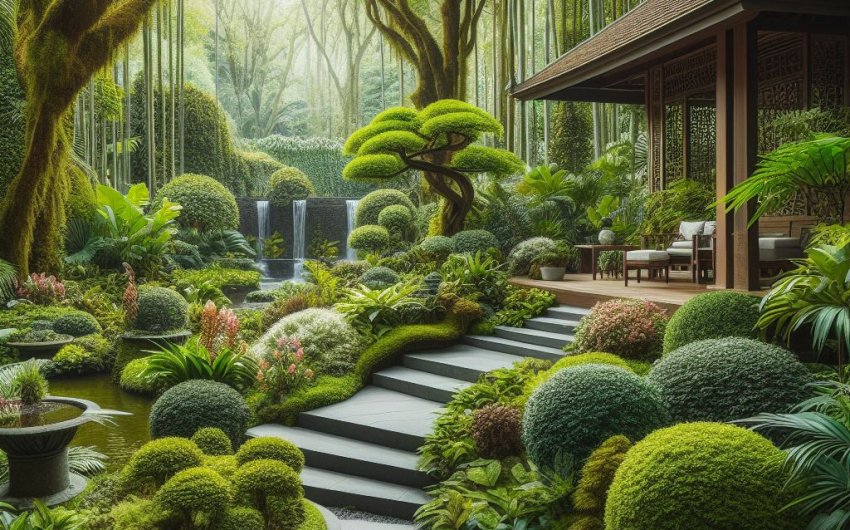
Creating a beautiful and functional outdoor space is an art that blends creativity with practical knowledge. A well-designed garden isn't just a collection of plants; it's a living extension of your home, a place for relaxation, entertainment, and connection with nature. Mastering the principles of garden design allows you to transform any patch of green into your personal outdoor haven, a space that reflects your style and meets your needs.
Why is Garden Design So Important for Your Outdoor Space?
Many homeowners dream of a stunning backyard, but sometimes the reality falls short of the vision. This is where garden design steps in. It's more than just planting flowers; it's a thoughtful process that brings order, beauty, and purpose to your outdoor areas. A well-designed garden isn't just about curb appeal; it's about creating a functional and enjoyable space that truly enhances your life.
Beyond Pretty Plants: Creating Function and Flow
Good garden design goes far beyond simply choosing pretty plants. Its primary goal is to create function and flow within your outdoor space, turning it into a usable extension of your home. Think of your garden as an outdoor room. Just like an indoor room needs pathways to move between areas and designated spots for different activities, your garden benefits from the same planning.
For example, do you want an area for outdoor dining? A dedicated space for children to play? A quiet nook for reading? Garden design principles help you define these "rooms" using elements like paving, raised beds, or even different types of planting. Paths and walkways guide visitors through the space, creating a natural flow from one area to another. This thoughtful arrangement prevents a jumbled look and ensures that every part of your garden serves a purpose, making it more enjoyable and practical for your everyday life. It's about maximizing the usability of your outdoor space, whether it's a small urban balcony or a sprawling suburban yard.
Enhancing Curb Appeal and Property Value
A beautifully designed garden isn't just a personal pleasure; it's also a smart investment. Garden design significantly enhances curb appeal, which is the attractiveness of your home from the street. A well-maintained and thoughtfully designed front yard, in particular, creates a welcoming first impression, signaling to visitors (and potential buyers) that the property is cared for.
Beyond the immediate visual impact, effective garden design can directly increase your property value. Real estate experts often cite landscaping as one of the top home improvements with the best return on investment. A lush, inviting garden, complete with defined outdoor living areas, attractive planting, and thoughtful lighting, can make your home stand out in the market. It shows that the property offers not just indoor comfort but also a valuable outdoor lifestyle. Even simple additions like a well-placed garden bench or attractive border plants can make a noticeable difference in how your home is perceived and valued.
What Are the Fundamental Principles of Garden Design?
Just like any art form, garden design has foundational principles that guide the creation of cohesive and aesthetically pleasing spaces. Understanding these principles helps you move beyond random planting and towards a purposeful, harmonious outdoor haven. They are your blueprint for success.
Balance, Unity, and Proportion
These three principles are like the bedrock of any good garden design.
- Balance: This refers to the visual weight of elements in your garden. It can be formal (symmetrical), where both sides of a central axis are identical, creating a sense of order and formality. Think of two identical planters flanking a doorway. More commonly, informal balance (asymmetrical) is used, where different elements are arranged to have equal visual weight, even if they aren't identical. For example, a large tree on one side could be balanced by a group of smaller shrubs and a boulder on the other. Balance creates a sense of stability and calm.
- Unity: This principle is about making all parts of your garden feel connected and part of a whole. It’s achieved by repeating elements like certain plant colors, textures, or shapes, or by using consistent materials for pathways and structures. Using a limited palette of materials or a recurring theme helps to tie everything together, preventing the garden from looking like a haphazard collection of unrelated items. For example, selecting a specific type of garden stone for all your pathways and retaining walls creates unity.
- Proportion: This refers to the relationship between the size of different elements in your garden and the overall size of the space. A huge fountain might overwhelm a tiny courtyard, just as a tiny bird bath might get lost in a vast lawn. Good proportion ensures that all elements – plants, structures, pathways – are appropriately sized relative to each other and to the human scale. This creates a comfortable and visually pleasing environment where nothing feels too big or too small.
By keeping these principles in mind, you can create a garden that feels harmonious, well-thought-out, and naturally beautiful.
Emphasis, Rhythm, and Simplicity
Continuing our exploration of fundamental principles, emphasis, rhythm, and simplicity add depth and movement to your garden design.
- Emphasis (Focal Point): Every well-designed garden benefits from a focal point – something that immediately draws the eye and acts as a central feature. This could be a striking plant, a beautiful statue, a water feature, a unique tree, or even a vibrant seating area. The focal point creates interest and helps guide the viewer's gaze through the garden. However, be careful not to have too many focal points, as this can make the garden feel cluttered and confusing. One strong focal point, or a few smaller ones carefully placed, is usually best. A unique garden statue can serve as an excellent focal point.
- Rhythm (Repetition and Movement): Just like in music, rhythm in garden design creates a sense of movement and continuity. It's achieved through the repetition of elements – repeating certain plant species, colors, textures, or even hardscaping materials at regular intervals. For example, a row of evenly spaced identical shrubs along a path creates rhythm. The repetition helps the eye move smoothly through the garden, creating a harmonious and predictable flow. It can also be created by varying heights or shapes in a sequential manner.
- Simplicity: Often, less is more. The principle of simplicity suggests avoiding clutter and unnecessary elements. A simple design can be incredibly powerful and elegant. This doesn't mean boring; it means choosing fewer, high-quality elements and arranging them thoughtfully. Too many different plant types, colors, or decorative items can make a garden feel chaotic and overwhelming. Simplicity helps create a calm and restful space, allowing individual elements to truly shine. It encourages you to be deliberate with your choices rather than just adding things randomly.
By consciously applying these principles, you'll find that your garden design becomes more polished, engaging, and enjoyable for everyone who steps into your outdoor haven.
How Do You Plan Your Garden Design Project?
Embarking on a garden design project, whether big or small, requires thoughtful planning. Rushing into planting without a clear vision can lead to costly mistakes and a less-than-ideal outcome. A well-structured plan is your roadmap to achieving your outdoor haven.
Assessing Your Site: Sun, Soil, and Slope
Before you even think about plants or pavers, the very first step in garden design planning is a thorough site assessment. Understanding the existing conditions of your space is crucial because it dictates what will thrive and how your design should be shaped.
- Sunlight (Sun Mapping): This is perhaps the most critical factor for plant health. Spend a few days observing how sunlight moves across your garden at different times of the day and year. Areas that get 6+ hours of direct sun are full sun, 4-6 hours is part sun, and less than 4 hours is shade. Map these areas. This will tell you exactly which plants will be happy where. Don't underestimate the shade cast by your house, fences, or large trees.
- Soil Type and Quality: Healthy soil is the foundation for healthy plants. Is your soil sandy, clay-heavy, or somewhere in between? Dig a small hole (about a foot deep) and examine it. Sandy soil drains quickly; clay soil holds water and can be dense. You can also get a soil testing kit to determine pH levels and nutrient deficiencies. This will inform what soil amendments you might need.
- Slope and Drainage: Observe the topography of your garden. Are there any slopes? Where does rainwater tend to collect? Poor drainage can lead to soggy spots and root rot for many plants. You might need to consider grading, French drains, or raised beds to manage water effectively. Good drainage is key to preventing problems down the line.
- Existing Features: Note any existing trees, shrubs, pathways, fences, or structures you plan to keep. These are fixed elements that your new design must work around or incorporate.
- Wind Patterns: In open areas, strong winds can damage plants or make outdoor seating uncomfortable. Consider planting windbreaks or installing screens if this is an issue.
A detailed site assessment provides the essential information you need to make informed decisions about plant selection, hardscaping, and overall layout, setting your garden design project up for success.
Defining Your Needs, Desires, and Budget
Once you understand your site, the next crucial step is to clearly define what you want from your outdoor space. This involves honest self-reflection and practical considerations.
- Needs and Desires (Wish List): Brainstorm everything you'd like your garden to include or provide. Do you need a space for entertaining? A play area for kids or pets? A vegetable garden? A quiet reading nook? Do you dream of a vibrant flower border, a low-maintenance landscape, or a meditation garden? Think about how you want to use the space. Consider your lifestyle: Are you a keen gardener or prefer minimal upkeep? Do you want year-round interest or just seasonal blooms? Creating a wish list helps prioritize.
- Lifestyle Integration: How does your indoor living flow into your outdoor space? Consider views from inside your home. Do you want privacy from neighbors? How much time and effort are you willing to dedicate to garden maintenance each week or month?
- Budget: Be realistic about how much you're willing to spend. This will heavily influence your choices of materials, plants, and whether you do it yourself or hire professionals. Create a rough budget, allocating funds for hardscaping (paving, walls), plants, irrigation, lighting, and any major features. Knowing your budget helps you make practical decisions and avoid overspending. For example, if your budget is tight, you might opt for budget-friendly garden tools instead of professional landscaping equipment.
By taking the time to outline your needs, desires, and budget, you'll have a clear direction for your garden design, ensuring the final outcome is both beautiful and perfectly suited to your personal vision of an outdoor haven.
What Elements Make Up a Great Garden Design?
A truly exceptional garden design is a tapestry woven from various elements, each playing a vital role in creating the overall look, feel, and function of the space. Understanding these components is key to crafting a cohesive and captivating outdoor haven.
Hardscaping: Patios, Paths, and Retaining Walls
Hardscaping refers to the non-living, structural elements in your garden. These are the "bones" of your outdoor space, providing structure, defining areas, and enabling movement. They are often the first elements to be installed and form the foundation of your garden design.
- Patios: Patios serve as extensions of your indoor living space, providing a stable, level surface for outdoor furniture, dining, and relaxation. They can be made from various materials like concrete pavers, natural stone, brick, or even gravel. The size, shape, and material of your patio should be chosen to complement your home's architecture and the overall garden style. A well-designed patio creates a designated "outdoor room" for social gatherings or quiet contemplation.
- Paths and Walkways: Paths guide visitors through your garden, connect different areas, and protect plants from foot traffic. They can be straight for a formal look, or curving for a more natural, informal feel. Materials can range from gravel, stepping stones, bark mulch, or paved surfaces like brick or concrete. The width of paths should be practical – wide enough for two people to walk side-by-side if intended for main thoroughfares.
- Retaining Walls: Used to manage changes in elevation, retaining walls prevent soil erosion on slopes and can also create raised garden beds, offering architectural interest and defining planting areas. They can be built from natural stone, concrete blocks, timber, or even gabion baskets filled with rocks. Retaining walls add verticality and can transform an unusable sloped area into a multi-level garden.
Hardscaping elements are crucial for both the functionality and aesthetics of your garden. They provide a stable framework upon which your living elements will be layered.
Softscaping: Plants, Trees, and Shrubs
While hardscaping provides the structure, softscaping brings your garden design to life with color, texture, scent, and movement. This refers to all the living elements: plants, trees, and shrubs. Careful selection and placement are key to creating a vibrant and harmonious outdoor space.
- Plants (Perennials, Annuals, Groundcovers): These are the stars of your garden, offering endless possibilities for color, form, and texture.
- Perennials: Plants that live for more than two years, often dying back in winter and returning in spring. They form the backbone of flower beds, providing consistent beauty.
- Annuals: Plants that complete their life cycle in one season. They offer vibrant, season-long color and are great for filling gaps or adding a burst of temporary cheer.
- Groundcovers: Low-growing plants that spread to cover bare soil, suppressing weeds and preventing erosion. When choosing plants, consider their mature size, light requirements (full sun, part shade, shade), water needs, and bloom times to ensure continuous interest.
- Trees: Trees are essential for providing shade, adding vertical interest, and often serving as a focal point. They come in various shapes and sizes, from towering shade trees to ornamental flowering trees. Consider the mature size of the tree and its root system relative to nearby structures and pathways. Trees also provide habitat for local wildlife.
- Shrubs: Shrubs offer structure, privacy, and year-round interest. They can be evergreen (keeping their leaves all year) or deciduous (losing leaves in winter). Shrubs are versatile and can be used as hedges, foundation plantings, or specimen plants. They bridge the gap between groundcovers and trees, providing mid-level height and texture.
When selecting softscaping elements, always consider your climate zone (USDA hardiness zone), soil conditions, and the amount of sunlight each area receives. A harmonious blend of different plant types, with varying heights, textures, and bloom times, will create a dynamic and ever-evolving outdoor haven. Using a reliable plant identification app can help you choose the right plants for your zone.
How Can You Elevate Your Garden with Special Features?
Beyond the basic hardscaping and softscaping, incorporating special features can truly elevate your garden design, adding unique character, functionality, and a touch of magic to your outdoor haven. These elements often become focal points or create inviting atmospheres.
Incorporating Water Features and Outdoor Lighting
These two elements are powerful tools for engaging the senses and extending the usability of your garden.
Water Features: The sound and sight of water can transform a garden into a tranquil oasis. From a simple bubbling fountain to a cascading waterfall or a serene pond, water features add a dynamic element and a soothing auditory backdrop.
- Fountains: Small, self-contained fountains are easy to install and maintain, suitable for any size garden. They add a focal point and the gentle sound of moving water. You can find many small outdoor fountains that are plug-and-play.
- Ponds: A pond introduces aquatic plants and fish, creating a miniature ecosystem. They require more maintenance but offer a truly immersive natural experience.
- Waterfalls: Even a small waterfall can create a dramatic effect, adding both visual interest and the calming sound of flowing water.
- Bird Baths: Simple and elegant, a bird bath attracts local wildlife, adding life and movement to your garden. Regardless of the type, ensure the water feature is properly installed with a pump and filtration system, and consider its proximity to seating areas for maximum enjoyment of its sounds.
Outdoor Lighting: Lighting is essential for safety, security, and creating ambiance after dark. It extends the usability of your garden into the evening hours, highlighting key features and pathways.
- Path Lighting: Low-level lights along walkways ensure safe passage.
- Spotlighting: Used to highlight specific features like a beautiful tree, a statue, or a textured wall, creating dramatic shadows and visual interest.
- Uplighting: Places lights at the base of trees or structures, shining upwards to emphasize height and form.
- Accent Lighting: Small lights integrated into steps, decks, or benches for subtle illumination.
- String Lights: Popular for patios and pergolas, outdoor string lights create a festive and inviting atmosphere. Consider using LED lights for energy efficiency and low voltage systems for safety. Good lighting design enhances the beauty of your garden at night, turning it into a magical retreat.
Building Raised Beds, Pergolas, and Outdoor Structures
Adding built structures can dramatically enhance the functionality and beauty of your garden design, providing defined spaces, vertical interest, and opportunities for unique planting.
- Raised Beds: These are incredibly versatile. They lift plants closer to eye level, making gardening easier on the back, and provide excellent drainage. You can fill them with custom soil mixes ideal for specific plants, like vegetables or herbs. Raised beds also create strong visual lines and help define planting areas. They can be made from various materials, including wood, stone, brick, or even metal raised garden beds, allowing them to blend seamlessly with your overall garden style.
- Pergolas and Arbors: These structures add vertical interest and create overhead shelter.
- Pergolas: Open structures with a slatted roof, perfect for supporting climbing plants like wisteria or grapevines. They define outdoor rooms, provide dappled shade, and can host hanging lights or outdoor curtains. A pergola instantly creates a sense of enclosure and intimacy over a patio or seating area.
- Arbors: Smaller, arch-like structures typically placed over a pathway or gate. They create a charming entryway and are often covered with climbing roses or clematis. Both pergolas and arbors add architectural beauty and vertical layers to your garden.
- Outdoor Structures (Sheds, Gazebos, Seating Areas):
- Garden Sheds: More than just storage, a well-designed shed can be an attractive focal point, blending seamlessly into the landscape with appropriate colors and landscaping around its base.
- Gazebos: Freestanding, often octagonal structures with a solid roof, providing full shade and a defined gathering spot. They are excellent for outdoor dining or simply relaxing.
- Built-in Seating: Incorporating built-in benches or seating areas (made from stone, wood, or concrete) within your garden design creates permanent, comfortable spots for relaxation, often tucked into a quiet corner or around a fire pit.
These structures add architectural interest, define spaces, and enhance the usability and comfort of your outdoor haven, making it a truly multi-functional and inviting extension of your home.
How Do You Select and Arrange Plants for Your Garden Design?
Planting is the heart and soul of any garden design. Choosing the right plants and arranging them thoughtfully is what brings your outdoor space to life, adding color, texture, and natural beauty. This step is where your vision truly takes root.
Understanding Plant Characteristics: Size, Shape, and Texture
Successful planting in garden design starts with a deep understanding of plant characteristics. Each plant has a unique combination of traits that influence its visual impact and how it interacts with other plants and the overall design.
- Size (Mature Height and Spread): Always consider the mature size of a plant, not just its size when you buy it. A tiny sapling might grow into a massive shade tree, overshadowing smaller plants or even your house. Tall plants typically form the background, medium-sized plants go in the middle, and shorter plants or groundcovers are placed in the foreground. This creates layers and depth in your planting beds. Ensure there's enough space for plants to grow without overcrowding.
- Shape (Form): Plants come in various forms, and mixing them adds interest.
- Upright/Columnar: Tall and narrow (e.g., some junipers).
- Rounded: Globe-like (e.g., some hydrangeas).
- Spreading/Mounding: Low and wide (e.g., groundcover shrubs).
- Vase-shaped: Wider at the top than the bottom (e.g., some trees).
- Weeping: Branches hang downwards (e.g., weeping cherry). Varying these shapes creates visual rhythm and prevents the garden from looking flat or monotonous.
- Texture: This refers to how a plant looks and feels – is it coarse, fine, smooth, or rough?
- Coarse Texture: Large leaves, bold flowers, or thick stems (e.g., hostas, rhubarbs). These create strong visual impact.
- Fine Texture: Small leaves, feathery foliage, or delicate flowers (e.g., ferns, ornamental grasses). These create a soft, airy feel and can make a space seem larger. Mixing textures provides contrast and adds depth. For example, placing a fine-textured fern next to a coarse-textured hosta creates an appealing visual pop. A great tool for planning these combinations is a garden design software for plants.
By carefully considering these characteristics, you can arrange plants in a way that creates balance, rhythm, and visual appeal throughout your garden.
Grouping Plants for Color, Bloom Time, and Continuous Interest
Once you understand individual plant characteristics, the next step is to master the art of grouping plants. This is where your garden design truly comes alive, offering continuous beauty and sensory delight throughout the seasons.
- Color Palettes: Decide on a color scheme for your planting beds.
- Monochromatic: Using different shades of one color (e.g., various purples) for a sophisticated, calming effect.
- Analogous: Using colors next to each other on the color wheel (e.g., blues, greens, and yellows) for a harmonious blend.
- Complementary: Using colors opposite each other on the color wheel (e.g., purple and yellow, blue and orange) for vibrant contrast and energy. Consider the bloom color of flowers, but also the foliage color, which provides color even when plants aren't flowering.
- Bloom Times (Sequential Blooms): To ensure your garden looks vibrant throughout the growing season, plan for sequential blooms. This means choosing plants that flower at different times – spring, summer, and fall. When one group of plants finishes blooming, another is just beginning, ensuring there's always something interesting to see. This requires a bit of research on the bloom periods of your chosen plants.
- Continuous Interest (Beyond Flowers): Don't rely solely on flowers for appeal. Incorporate plants that offer year-round interest through other features:
- Foliage: Plants with interesting leaf shapes, colors (e.g., variegated, silver, dark purple), or textures provide consistent appeal.
- Evergreens: Conifers and broadleaf evergreens maintain their leaves all year, providing structure and color, especially in winter.
- Berries/Seeds: Plants that produce attractive berries (e.g., holly, viburnum) or interesting seed heads (e.g., ornamental grasses) add seasonal charm and attract birds.
- Bark: Trees with ornamental bark (e.g., birch, dogwood) offer visual interest in colder months.
- Grouping in Threes or Odd Numbers: Plants often look more natural and impactful when planted in groups of odd numbers (3, 5, 7, etc.) rather than single specimens or even pairs. This creates a more organic, less rigid look.
By thoughtfully combining plants based on their color, bloom time, and other attributes, you can create a dynamic and visually engaging garden design that offers beauty and surprise in every season, truly crafting your outdoor haven.