
Discovering the Beauty of Outdoor Gardens: A Guide to Natural Splendor
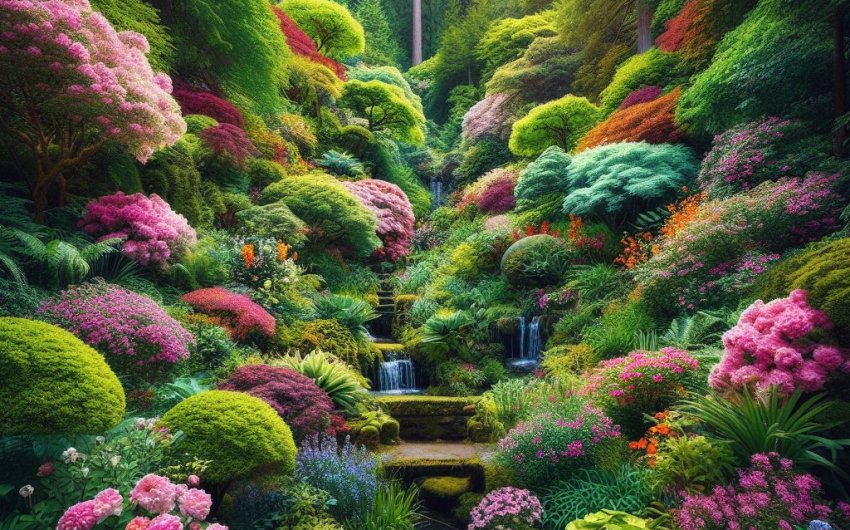
Stepping outside into a space filled with vibrant colors, enticing fragrances, and the gentle buzz of pollinators can transform your day. Creating a beautiful outdoor garden is more than just planting; it's about crafting a living artwork that reflects your style and celebrates the natural splendor of the world around us. Whether you dream of a sprawling landscape or a cozy patio retreat, this guide will help you uncover the joys and secrets of cultivating your own green sanctuary.
What Are the First Steps to Designing Your Outdoor Garden?
Before you dig your first hole, a little planning goes a long way in creating an outdoor garden that truly brings natural splendor to your home. Thinking about your space, your needs, and your vision will set you up for success.
How Do You Understand Your Garden Space?
Before you start picking plants, take time to truly understand your garden space. Every yard has unique characteristics that will influence what grows best and where. This includes everything from how much sun you get to the type of soil you have.
- Sunlight Mapping: This is arguably the most critical step. Spend a day (or several) observing how the sun moves across your yard.
- Full Sun: Areas that receive 6+ hours of direct sunlight daily (perfect for many vegetables and flowering annuals).
- Partial Sun/Shade: Areas with 3-6 hours of direct sun, or dappled sun all day (good for many perennials and some edibles).
- Full Shade: Areas with less than 3 hours of direct sun (ideal for hostas, ferns, and many shade-loving ground covers). You can use a light meter for plants for more precise readings.
- Identify Microclimates: Are there hot spots near a south-facing wall? Cold pockets in low-lying areas? Windy corridors? These "microclimates" will affect plant growth.
- Evaluate Soil Type: Do you have sandy, loamy, or heavy clay soil? This impacts drainage and nutrient retention. A simple soil test kit can tell you your soil's pH and nutrient content, which guides plant selection and amendments.
- Consider Water Access: Where are your outdoor spigots? Do you have natural low spots where water collects? Planning for efficient watering is key.
- Note Existing Features: Take stock of mature trees, existing paths, fences, buildings, or any other permanent structures. These can be integrated into your design.
Understanding these elements helps you choose the right plants for the right places, ensuring they thrive and contribute to the overall beauty.
How Do You Define Your Garden Style and Purpose?
Your outdoor garden should be an extension of your home and personality. Defining your garden style and purpose before planting helps create a cohesive and enjoyable space.
- What's Your Style?
- Formal: Symmetrical designs, neat hedges, geometric shapes. Think traditional English gardens.
- Informal/Cottage: Loose, flowing lines, abundant mixed plantings, often with a romantic, slightly wild feel.
- Modern/Minimalist: Clean lines, strong architectural plants, limited color palettes, often with hardscaping elements.
- Natural/Wildflower: Focus on native plants, attracting wildlife, and mimicking natural landscapes.
- Asian/Zen: Emphasis on balance, tranquility, natural elements like rocks and water, often with evergreen plants.
- What's Your Purpose?
- Relaxation: A cozy seating area, a quiet nook, soothing water features.
- Entertainment: An outdoor dining area, a grilling space, ample seating.
- Food Production: Raised beds for vegetables, fruit trees, herb gardens.
- Wildlife Habitat: Plants that attract birds, bees, and butterflies.
- Curb Appeal: Focus on front yard aesthetics, welcoming pathways, and attractive borders.
- Play Area: Space for children or pets.
Don't be afraid to collect inspiration from magazines, online images, or local gardens. A garden design book can also offer great ideas. Once you have a clear vision, plant selection becomes much easier.
What Are the Core Elements of a Thriving Garden?
A beautiful outdoor garden isn't just about plants; it's about combining various elements that support life, create visual interest, and define the space. Mastering these core elements is key to experiencing the natural splendor.
Why Is Healthy Soil the Foundation of Everything?
Healthy soil is truly the foundation of everything in your garden. It's where your plants get their nutrients, water, and anchorage. You can buy the most expensive plants, but if the soil is poor, they will struggle.
- What is Healthy Soil? It's living, breathing, and teeming with microorganisms. It has a good balance of minerals, organic matter, water, and air.
- Improving Your Soil:
- Add Organic Matter: This is the single best thing you can do. Mix in generous amounts of compost, well-rotted manure, or leaf mold annually. Organic matter improves drainage in clay soil, increases water retention in sandy soil, and provides a slow release of nutrients.
- Avoid Compaction: Don't walk on your garden beds. Use pathways or stepping stones to avoid compacting the soil, which reduces air and water flow to roots.
- Mulch: A layer of organic mulch (like wood chips, shredded bark, or straw) helps retain moisture, regulate soil temperature, suppress weeds, and adds organic matter as it breaks down.
- Soil Test (Again!): Re-test your soil every few years to monitor its health and adjust amendments as needed.
Investing time in your soil will pay off exponentially in plant health and garden beauty.
How Does Water Management Impact Plant Life?
Water management is arguably the second most critical factor after soil health for sustaining plant life and allowing your outdoor garden to flourish. Too much or too little water can be devastating.
- Know Your Plants' Needs: Different plants have different water requirements. Succulents need very little, while hydrangeas are thirsty. Group plants with similar water needs together.
- Water Deeply and Infrequently: This encourages deep root growth, making plants more resilient to dry spells. Instead of light, daily sprinkles, water less often but for longer periods, allowing water to soak down into the root zone.
- Best Time to Water: Early morning is ideal. This minimizes water loss to evaporation and allows foliage to dry before nightfall, reducing the risk of fungal diseases.
- Check Soil Moisture: Don't just water on a schedule. Stick your finger an inch or two into the soil. If it feels dry, it's time to water. A soil moisture meter can also be helpful.
- Efficient Watering Systems: Consider soaker hoses or a drip irrigation system for larger gardens. These deliver water directly to the plant roots, reducing waste and keeping foliage dry.
- Rain Barrels: Collecting rainwater in a rain barrel is an eco-friendly way to water your plants.
What Role Do Plant Selection and Placement Play?
Plant selection and placement are where your garden design comes to life, directly impacting its beauty, health, and how much joy it brings. Choosing the right plant for the right spot is fundamental.
- Right Plant, Right Place: This is the golden rule. Choose plants that are well-suited to your garden's specific conditions (sunlight, soil type, hardiness zone, and local climate). Don't try to force a sun-loving plant into deep shade.
- Consider Mature Size: Always research the mature size of a plant (height and width) before planting. Give plants enough room to grow to their full potential without overcrowding, which can lead to poor air circulation and disease.
- Layering for Interest: Create visual depth by using plants of varying heights:
- Tall plants (Thriller): At the back of borders or as focal points.
- Medium-height plants (Filler): In the middle.
- Low-growing plants/Groundcovers (Spiller): At the front of beds or spilling over edges.
- Color and Texture: Plan for a pleasing color palette and mix different leaf shapes and textures for year-round interest, even when flowers aren't blooming. Consider combining broad-leaved hostas with fine-textured ferns.
- Seasonal Interest: Choose plants that offer beauty throughout the seasons: spring blooms, summer flowers, fall foliage color, and interesting winter structure or evergreens.
By thoughtfully selecting and placing your plants, you'll create an outdoor garden that is not only stunning but also resilient and relatively easy to care for.
How Do You Bring Natural Splendor to Life in Your Garden?
The true magic of an outdoor garden lies in enhancing its natural splendor by inviting local wildlife, incorporating natural elements, and thinking about sustainability. This approach creates a vibrant, living ecosystem.
How Can You Attract Beneficial Wildlife to Your Garden?
An outdoor garden brimming with life is a truly enchanting sight. You can attract beneficial wildlife like pollinators and birds by providing their essential needs: food, water, and shelter.
- Food (Nectar/Pollen/Seeds/Fruit):
- Pollinator Plants: Plant a diverse array of nectar-rich flowers that bloom at different times throughout the season. Include native plants, as they are often best suited for local pollinators. Examples include coneflowers, asters, salvia, bee balm, and milkweed (for monarch butterflies).
- Seed Producers: Allow some seed heads to remain on plants (like sunflowers or coneflowers) to provide food for birds in fall and winter.
- Berry Shrubs: Plant berry-producing shrubs like blueberries, serviceberry, or holly to offer food for birds.
- Water:
- Bird Bath: A bird bath provides fresh water for birds. Keep it clean.
- Shallow Water Source: A shallow dish with pebbles allows bees and other insects to drink safely without drowning.
- Shelter:
- Dense Shrubs/Trees: Provide nesting and roosting sites for birds.
- Brush Piles: A small, tidy brush pile can offer shelter for small animals and beneficial insects.
- Bug Hotels: A bug hotel or bee house can attract solitary bees and other beneficial insects.
- Leave Some Leaf Litter: A layer of leaves in garden beds provides habitat for overwintering insects and amphibians.
By creating a diverse and welcoming environment, your garden becomes a vibrant ecosystem teeming with life, enhancing its natural beauty.
What Role Do Natural Materials Play in Garden Design?
Integrating natural materials into your outdoor garden design helps it blend seamlessly with the surrounding environment, enhancing its authentic appeal and natural splendor.
- Stone: Use natural stone pavers for pathways, build dry-stacked stone walls, or place large boulders as focal points. Stone adds texture, permanence, and a timeless feel.
- Wood: Incorporate cedar garden beds, rustic benches, or wooden arbors. Choose naturally rot-resistant woods for outdoor use.
- Water: A naturalistic pond or bubbling fountain can create soothing sounds and reflections, attracting birds and providing a focal point.
- Pebbles/Gravel: Use decorative gravel for pathways or as mulch in arid garden areas.
- Repurposed Items: Look for natural items you can repurpose, like a hollow log as a planter, or interestingly shaped branches as natural supports.
These materials complement plants, creating a harmonious and organic aesthetic that feels deeply connected to nature.
How Can Sustainable Practices Benefit Your Garden and the Environment?
Adopting sustainable practices in your outdoor garden not only benefits the environment but also leads to a healthier, more resilient, and often lower-maintenance garden for you. It's about working with nature, not against it.
- Composting: Turn kitchen scraps and garden waste into nutrient-rich compost to amend your soil naturally. This reduces waste and enriches your garden.
- Rainwater Harvesting: Install a rain barrel to collect rainwater for irrigation. This conserves municipal water and provides chlorine-free water for your plants.
- Reduce Chemical Use: Opt for organic pest and disease control methods (like neem oil or beneficial insects) instead of synthetic pesticides and herbicides. Healthy soil and diverse plantings naturally deter many problems.
- Native Plants: Incorporate native plants into your design. They are adapted to your local climate and soil, require less water and fertilizer, and support local wildlife.
- Drought-Tolerant Landscaping: In dry climates, focus on drought-tolerant plants and efficient irrigation methods like drip systems to conserve water.
- Recycle/Reuse: Look for opportunities to reuse materials (e.g., old tires for planters, salvaged wood for borders) to reduce waste.
By embracing these practices, your outdoor garden becomes not just a beautiful space, but a responsible and thriving contributor to your local ecosystem, truly showcasing natural splendor.