
How to Make Natural Insect Repellent for Gardens?
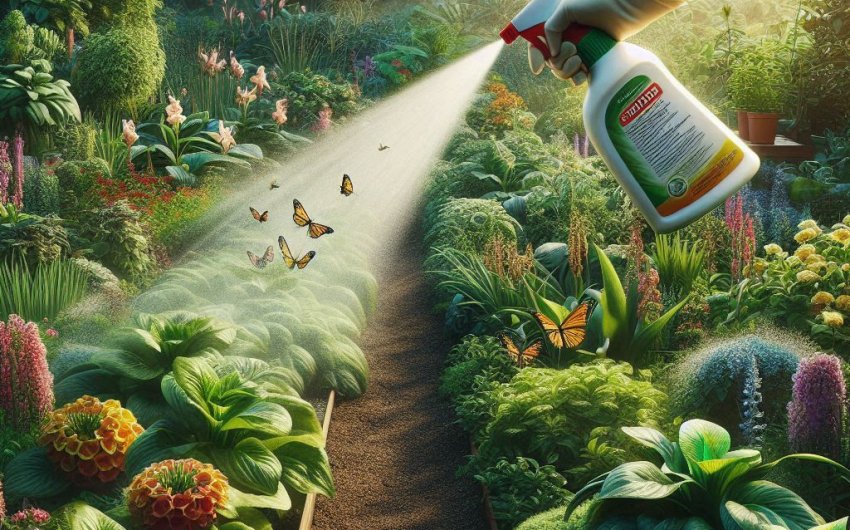
You can make natural insect repellent for gardens by utilizing common ingredients like essential oils, soap, garlic, and hot peppers to create sprays that deter pests without harming plants, beneficial insects, or the environment. These homemade solutions offer an organic and sustainable approach to pest management.
Why Choose Natural Insect Repellents for Your Garden?
Opting to make natural insect repellent for gardens aligns with organic gardening principles and offers significant advantages over synthetic chemical pesticides. It prioritizes the health of your plants, beneficial insects, and the wider ecosystem.
What are the Benefits of Natural Pest Control?
- Safe for Edibles: When you grow fruits, vegetables, and herbs, using natural repellents ensures your produce is free from harmful chemical residues, making it safer for consumption.
- Protects Beneficial Insects: Synthetic broad-spectrum pesticides often kill non-target insects, including crucial pollinators (like bees and butterflies) and natural predators (like ladybugs and lacewings). Natural repellents are often less harmful to these garden allies, or their effects are more temporary.
- Environmentally Friendly: Natural repellents break down quickly in the environment, minimizing chemical runoff into waterways and soil contamination. They contribute to a healthier, more balanced garden ecosystem.
- Reduces Pest Resistance: Pests can develop resistance to frequently used synthetic chemicals. Natural methods, often acting in multiple ways (repellent, anti-feedant), can reduce this risk when used as part of an integrated approach.
- Promotes Garden Health: By fostering a natural balance of pests and beneficials, you create a more resilient garden that can better defend itself over time.
- Cost-Effective: Many natural repellents can be made from inexpensive household ingredients or plants you already grow.
- Peace of Mind: Knowing you're nurturing a chemical-free garden fosters a sense of well-being and satisfaction.
What is the Difference Between an Insect Repellent and an Insecticide?
Understanding the distinction between repellents and insecticides is crucial when you decide to make natural insect repellent for gardens. This knowledge guides your approach to pest management.
Repellents vs. Insecticides
- Insect Repellent:
- Function: Deters pests from landing on or feeding on your plants. It works by creating an unpleasant smell or taste, or by confusing the insect's sensory system.
- Mechanism: Prevents infestation or encourages pests to leave an area. It does not typically kill the insect directly.
- Target: Primarily acts on a pest's behavior (olfactory or taste).
- Natural Examples: Garlic spray, essential oil sprays (peppermint, rosemary), strong-smelling companion plants.
- Best Use: Preventative or for mild infestations. They work best before a severe problem develops. They keep pests away.
- Insecticide:
- Function: Kills insects.
- Mechanism: Can be contact (kills on direct spray), systemic (absorbed by plant, kills when pest eats plant), or stomach poison (kills when ingested).
- Target: Directly lethal to insects.
- Natural Examples (Organic Insecticides): Insecticidal soap (kills on contact), Neem oil (acts as anti-feedant, growth disruptor, and sometimes kills), Pyrethrin (naturally derived, acts on nervous system, rapidly breaks down but is broad-spectrum).
- Best Use: For existing infestations that are causing significant damage.
- Integrated Pest Management (IPM):
- The most effective and sustainable strategy. It involves combining multiple techniques:
- Prevention: Healthy plants, good garden hygiene.
- Repellents: To keep pests away.
- Physical/Mechanical Removal: Hand-picking, water sprays.
- Biological Control: Encouraging beneficial insects.
- Organic Insecticides: As a last resort for severe problems.
- The most effective and sustainable strategy. It involves combining multiple techniques:
When you make natural insect repellent for gardens, you are primarily focusing on preventative and deterrent measures, aiming to avoid the need for even organic insecticides. This proactive approach supports a balanced, healthy garden ecosystem.
What Ingredients Are Effective for Natural Insect Repellent?
To make natural insect repellent for gardens, you'll primarily rely on ingredients with strong aromas or irritating properties that pests dislike but are harmless to plants and often to beneficials.
Common & Effective Natural Repellent Ingredients
- Garlic:
- Why it works: Contains sulfur compounds that are highly odorous and unappealing to many insects, acting as a strong repellent. It can also have some fungicidal properties.
- Target Pests: Aphids, whiteflies, spider mites, cabbage loopers, slugs, various beetles.
- Hot Peppers (Capsaicin):
- Why it works: The capsaicin in chili peppers is an irritant to many insects, discouraging them from feeding on treated plants.
- Target Pests: Aphids, spider mites, whiteflies, cabbage worms, some beetles.
- Caution: Handle with gloves and avoid contact with eyes/skin.
- Onion:
- Why it works: Similar to garlic, onions contain sulfur compounds that deter pests with their strong smell.
- Target Pests: Aphids, various other sap-suckers.
- Neem Oil:
- Why it works: A powerful botanical extract with multiple modes of action. While often considered an organic insecticide, it also acts as a strong anti-feedant and repellent, deterring pests from even touching plants. It disrupts insect growth cycles.
- Target Pests: Very broad spectrum against many soft-bodied insects (aphids, whiteflies, spider mites, mealybugs) and some chewing insects.
- Important: Use cold-pressed, unrefined neem oil. Needs an emulsifier (like mild soap) to mix with water. You can find cold-pressed neem oil for plants.
- Mild Liquid Dish Soap (as a Helper):
- Why it works: While not a repellent itself, a small amount of mild, biodegradable liquid dish soap acts as an emulsifier to help oil-based ingredients (like essential oils or neem oil) mix with water.
- Caution: Too much soap, or certain harsh detergents, can harm plants by damaging their cuticles. Always use plain, mild soap (no degreasers, antibacterial, or added perfumes/dyes).
- Essential Oils (Specific Types):
- Why they work: Many essential oils contain concentrated compounds with strong aromas that insects find offensive.
- Effective Oils:
- Peppermint Oil: Repels aphids, ants, spider mites.
- Rosemary Oil: Repels various flies, aphids, cabbage loopers.
- Eucalyptus Oil: Repels various insects.
- Lemon/Citrus Oils: Repels ants, some aphids.
- Tea Tree Oil: Some repellent and anti-fungal properties.
- Important: Must be diluted heavily and used with an emulsifier. Use pure essential oils, not fragrance oils.
- Herbs (as Plants or Extracts):
- Many strongly scented herbs like basil, mint (grow in pots!), catnip, and marigolds (planted nearby) can deter pests. Extracts can also be used.
By understanding these powerful ingredients, you're well-equipped to begin to make natural insect repellent for gardens that are both effective and safe.
How Do You Make a Basic Garlic or Hot Pepper Spray?
These simple, homemade sprays are excellent natural insect repellents for gardens, utilizing common kitchen ingredients to deter a wide range of common garden pests. They are a good starting point for organic pest control.
Step-by-Step Garlic Spray Recipe
What you'll need:
- 4-6 cloves of garlic (fresh, unpeeled)
- 1 quart (about 1 liter) of water
- 1 teaspoon of mild liquid dish soap (as an emulsifier, not anti-bacterial or degreasing)
- Blender or food processor
- Fine-mesh strainer or cheesecloth
- Spray bottle
Instructions:
- Prepare Garlic: Peel the garlic cloves. You can roughly chop them to help the blending process.
- Blend: Place the garlic cloves and 1 cup of water into a blender or food processor. Blend until the garlic is very finely chopped and creates a strong-smelling garlic "juice."
- Steep: Pour the garlic mixture into a non-reactive container (glass jar, plastic bowl). Add the remaining 3 cups of water. Cover and let it steep for at least 12-24 hours (longer steeping can make it stronger, but don't let it ferment).
- Strain: After steeping, strain the garlic liquid through a fine-mesh strainer or several layers of cheesecloth to remove all solid garlic bits. This is crucial to prevent clogging your spray bottle. Squeeze out as much liquid as possible from the solids.
- Add Soap: Pour the strained garlic liquid into your spray bottle. Add the 1 teaspoon of mild liquid dish soap.
- Shake Well: Shake the spray bottle vigorously to mix the soap evenly throughout the solution.
- Label: Label your bottle clearly "Garlic Insect Repellent" and include the date.
Step-by-Step Hot Pepper Spray Recipe
What you'll need:
- 1/2 cup chopped hot peppers (cayenne, habanero, jalapeño – use very hot ones for best effect) OR 2 tablespoons cayenne pepper powder
- 1 quart (about 1 liter) of water
- 1 teaspoon of mild liquid dish soap
- Blender or food processor (if using fresh peppers)
- Fine-mesh strainer or cheesecloth
- Spray bottle
- Gloves! (and eye protection for fresh peppers)
Instructions:
- Prepare Peppers:
- Fresh Peppers: Roughly chop the hot peppers. Wear gloves and avoid touching your face!
- Powder: Skip this step if using powder.
- Blend (Fresh Peppers Only): Place chopped fresh peppers and 1 cup of water in a blender. Blend until pureed.
- Steep:
- Fresh Pepper Puree: Pour the puree into a container. Add remaining water. Let steep for 12-24 hours.
- Cayenne Powder: Mix cayenne powder directly into 1 quart of water. No blending needed. Let steep for 12-24 hours.
- Strain: Strain the liquid through a fine-mesh strainer or cheesecloth. This is extremely important to prevent clogs and ensure you're spraying only liquid. Squeeze out as much liquid as possible.
- Add Soap: Pour the strained liquid into your spray bottle. Add the 1 teaspoon of mild liquid dish soap.
- Shake Well: Shake vigorously to mix.
- Label: Label your bottle clearly "Hot Pepper Insect Repellent" and date.
Important Application Tips for Both Sprays:
- Test First: Always spray a small, inconspicuous part of the plant and wait 24 hours to ensure there's no adverse reaction (e.g., leaf burn).
- Apply in Early Morning or Late Evening: This avoids direct sunlight which can cause leaf burn, and reduces harm to beneficial insects which are less active at these times.
- Cover All Surfaces: Spray thoroughly, including the undersides of leaves where pests often hide.
- Reapply: These repellents break down or wash off quickly. Reapply after rain or every 3-5 days, or as needed, especially when pest pressure is high.
- Safety: Wear gloves when handling and spraying, especially pepper spray. Avoid inhaling the spray mist. Keep away from children and pets.
By following these steps, you can confidently make natural insect repellent for gardens using common household ingredients.
How Do You Make and Use Essential Oil Insect Repellent Sprays?
Essential oils offer highly concentrated, aromatic compounds that can be very effective as natural insect repellents for gardens. Using them requires proper dilution and an emulsifier to ensure they mix with water and are safe for plants.
Step-by-Step Essential Oil Spray Recipe
What you'll need:
- Essential Oils: Choose 20-30 drops total of your preferred repellent essential oils (e.g., peppermint, rosemary, eucalyptus, lemon, lavender, tea tree). Combining a few can often be more effective. Use pure, therapeutic-grade essential oils for gardening.
- 1 teaspoon of mild liquid dish soap (crucial emulsifier, not antibacterial or degreasing)
- 1 quart (about 1 liter) of water
- Clean spray bottle (preferably opaque or dark glass to protect essential oils from light)
Instructions:
- Add Emulsifier: Pour the 1 teaspoon of mild liquid dish soap into the spray bottle first.
- Add Essential Oils: Add the 20-30 drops of essential oils to the soap in the bottle.
- Mix Thoroughly: Swirl or gently shake the bottle to mix the essential oils thoroughly with the soap. This step is critical; the soap binds to the oil, allowing it to disperse evenly in the water.
- Add Water: Slowly fill the rest of the bottle with 1 quart of water.
- Shake Vigorously: Shake the bottle very well before each use to ensure the mixture remains emulsified. Oils and water will separate if left to sit.
- Label: Label your bottle clearly "Essential Oil Insect Repellent" and include the date.
Application Tips for Essential Oil Sprays
- Test First: Always perform a patch test on a small, inconspicuous part of the plant and wait 24-48 hours. Some plants can be sensitive to certain essential oils or concentrations.
- Target Pests: Spray directly onto affected plants, ensuring good coverage on the undersides of leaves where many pests hide.
- Frequency: These sprays are repellents and their scent dissipates. Reapply every 3-7 days, or after rain, or if you notice pests returning. Consistency is key.
- Timing: Apply in the early morning or late evening when temperatures are cooler and direct sunlight is absent. This prevents leaf burn and reduces the risk to beneficial insects, which are less active during these times.
- Storage: Store the spray in a cool, dark place. Essential oils can degrade with light exposure. The spray is best used within 1-2 weeks as its potency will diminish.
- Safety: Keep out of reach of children and pets. Avoid contact with eyes and skin.
By mastering this method, you can effectively make natural insect repellent for gardens that are aromatic, plant-safe, and environmentally friendly.
What are Other Organic Strategies to Deter Garden Pests?
While making and using sprays is effective, the best natural insect repellent for gardens is a holistic approach that includes preventative measures and fosters a balanced ecosystem. These strategies reduce the overall pest pressure in your garden.
Integrated Organic Pest Management for Prevention
- Promote Plant Health (Healthy Plants Resist Pests):
- Right Plant, Right Place: Choose plants suited to your climate, soil type, and light conditions. Stressed plants are more vulnerable to pests.
- Healthy Soil: Build rich, living soil through regular amendments of compost. Healthy soil leads to vigorous plants that can better withstand minor pest attacks.
- Proper Watering: Avoid over or under-watering. Consistent, deep watering (when needed) creates resilient plants.
- Balanced Fertilization: Avoid excessive nitrogen, which produces lush, tender growth highly attractive to sap-sucking pests like aphids. Use balanced organic fertilizers or compost.
- Encourage Beneficial Insects (Nature's Pest Control Army):
- Plant Diversity: Plant a wide variety of flowers that provide continuous nectar and pollen. These act as food and habitat for natural pest predators and pollinators.
- Specific Attractors: Dill, cilantro (let go to seed), fennel, yarrow, sweet alyssum, marigolds, cosmos, zinnias (single-petal varieties), bee balm, borage.
- Provide Shelter & Water: Offer shallow water sources (bee baths) and undisturbed areas like brush piles or hollow stems for insects to live and overwinter.
- Zero Pesticides: This is non-negotiable. Even organic pesticides can harm beneficials. Their presence is the best long-term pest management strategy. You can find pollinator-friendly seed mixes.
- Plant Diversity: Plant a wide variety of flowers that provide continuous nectar and pollen. These act as food and habitat for natural pest predators and pollinators.
- Companion Planting (Strategic Plant Grouping):
- Repellent Plants: Plant strong-smelling herbs or vegetables near susceptible crops to deter pests.
- Garlic, Onions, Chives: Deter aphids, spider mites, carrot rust fly.
- Marigolds (Tagetes spp.): Repel nematodes and some insects.
- Catnip: Repels various pests.
- Trap Crops: Plant highly attractive plants nearby to draw pests away from your main crops. Once infested, remove and destroy the trap crop.
- Nasturtiums: Excellent trap crop for aphids.
- Nurse Plants: Plant to attract beneficial insects (e.g., dill or cilantro near susceptible plants).
- Repellent Plants: Plant strong-smelling herbs or vegetables near susceptible crops to deter pests.
- Physical Barriers and Mechanical Control:
- Hand-Picking: Physically remove larger pests (e.g., slugs, hornworms, squash bugs). Drop them in soapy water.
- Row Covers: Use lightweight floating row covers to protect vulnerable plants from flying insects (e.g., cabbage moths, squash vine borers) during critical periods.
- Sticky Traps: Yellow sticky traps can help monitor and reduce populations of whiteflies, fungus gnats, and winged aphids.
- Strong Water Spray: A simple hose spray can dislodge aphids and spider mites effectively.
- Good Garden Hygiene:
- Remove Debris: Clear away dead or diseased plant material promptly, as it can harbor pests and diseases.
- Weed Control: Keep weeds down; they can harbor pests or compete with your plants.
- Sanitize Tools: Clean your pruning shears and other tools, especially after working with diseased plants.
- Inspect New Plants: Quarantine new plants for a few days before introducing them to your garden to check for hitchhiking pests.
By integrating these comprehensive organic strategies, you build a resilient garden ecosystem that is less dependent on external interventions, allowing you to effectively make natural insect repellent for gardens and manage pests sustainably.
How Do You Use Natural Insect Repellents Safely and Effectively?
When you make natural insect repellent for gardens, understanding proper application and safety precautions is crucial. Even natural solutions, when misused, can have unintended consequences.
Safe and Effective Application Practices
- Always Perform a Test Spray:
- Before spraying your entire plant or garden, choose a small, inconspicuous leaf or section of the plant.
- Spray and wait 24-48 hours to observe any adverse reactions (e.g., leaf burn, wilting, discoloration). Some plants are more sensitive than others.
- Timing of Application:
- Early Morning or Late Evening: This is the best time to apply natural sprays.
- Prevents Leaf Burn: The sun's intensity is lower, reducing the risk of oils or soaps causing leaf scorching.
- Protects Beneficials: Many beneficial insects (bees, ladybugs) are less active during these cooler times, minimizing their exposure to the spray.
- Avoid Windy Conditions: Wind can cause spray drift, reducing effectiveness and potentially affecting non-target plants or beneficial insects.
- Early Morning or Late Evening: This is the best time to apply natural sprays.
- Ensure Thorough Coverage:
- Pests often hide on the undersides of leaves. Be sure to spray thoroughly, covering all leaf surfaces, stems, and buds. Direct contact is often necessary for soap-based solutions.
- Reapply as Needed:
- Natural repellents are not persistent like synthetic chemicals. They break down quickly with sunlight and rain.
- Frequency: Reapply every 3-7 days, or after heavy rain, or whenever you observe pests returning. Consistency is key to their effectiveness.
- Target Specific Pests/Plants:
- While some repellents are broad, try to target your application to the affected plants or areas. Avoid spraying widely if only a small section of your garden has a problem.
- Store Correctly:
- Most homemade natural sprays are best used fresh within 1-2 weeks, as their potency can diminish over time.
- Store them in opaque, tightly sealed containers in a cool, dark place to preserve effectiveness.
- Safety Precautions for Yourself:
- Wear Gloves: Especially when handling hot peppers or mixing concentrated solutions.
- Protect Eyes/Skin: Avoid getting spray in your eyes. If possible, wear safety glasses.
- Avoid Inhaling Mist: Use in a well-ventilated area and avoid breathing in the spray.
- Keep Out of Reach: Store all gardening solutions, even natural ones, away from children and pets.
- Understand Limitations:
- Natural repellents are generally less potent and persistent than synthetic pesticides. They are often most effective for prevention or for managing mild to moderate infestations.
- For very severe infestations, you may need to combine multiple organic strategies (e.g., strong spray, hand-picking, attracting more beneficials).
By adhering to these safety guidelines and application best practices, you can effectively make natural insect repellent for gardens and integrate them as a valuable part of your sustainable pest management strategy.