
Best Practices for Vertical Gardening on Balconies
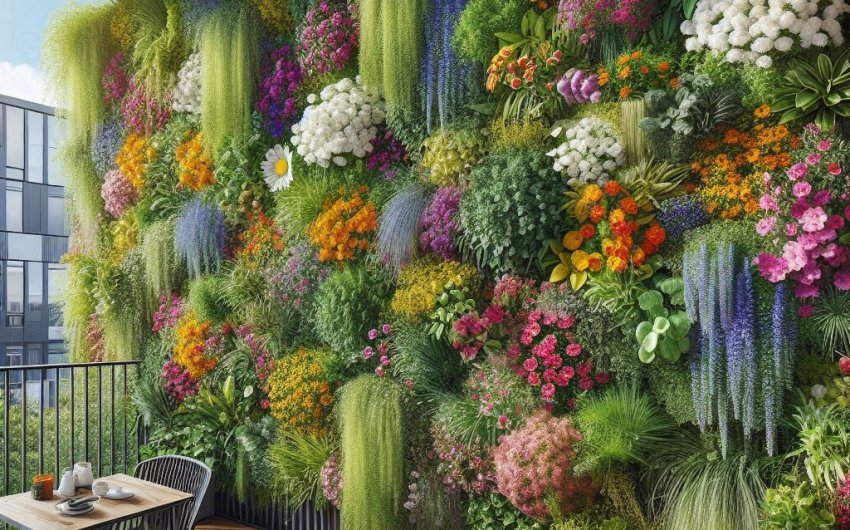
To maximize your harvest in vertical gardening on balconies, select lightweight, space-saving structures, choose plants suitable for vertical growth and your balcony's light conditions, and implement efficient watering and fertilization strategies. Prioritizing weight limits and wind protection is crucial for safety and success.
Why Choose Vertical Gardening on Balconies?
Vertical gardening on balconies is an ingenious solution for urban dwellers and anyone with limited outdoor space who dreams of growing their own herbs, vegetables, or flowers. It transforms unused vertical areas into productive green havens, offering a myriad of benefits that traditional horizontal gardening simply cannot.
Maximizing Limited Space
- Footprint Efficiency: This is the primary driver for vertical gardening. On a balcony, every square foot of floor space is precious. Vertical structures allow you to grow significantly more plants within the same small footprint by utilizing the air above the ground. Imagine turning a 3-foot wall into a 6-foot growing space!
- Urban Greenery: It brings much-needed greenery to concrete-heavy urban environments, enhancing aesthetics and providing a natural touch.
Accessibility and Convenience
- Ergonomic Gardening: Many vertical setups bring plants up to eye level or waist height, reducing the need for bending, kneeling, or heavy lifting. This makes gardening more accessible for individuals with mobility challenges or those who prefer a less strenuous approach.
- Easy Maintenance: Weeding, harvesting, and pest inspection often become simpler when plants are elevated and readily visible.
Enhanced Plant Health
- Improved Air Circulation: Elevating plants can improve airflow around foliage, reducing humidity buildup and the risk of fungal diseases like powdery mildew.
- Reduced Pests and Diseases: Keeping plants off the ground can deter some soil-borne pests and diseases. It also makes pests easier to spot and treat.
- Better Sun Exposure: In some balcony situations, vertical placement might help plants reach better sun exposure, especially if lower areas are shaded.
Aesthetic Appeal and Privacy
- Green Walls: Vertical gardens create living walls that are visually stunning, adding a unique architectural element to your balcony. They can transform a drab space into a vibrant focal point.
- Privacy Screens: Tall vertical structures covered with dense foliage can act as natural privacy screens, blocking unwanted views from neighbors while adding beauty.
- Noise Reduction: A dense vertical garden can even help absorb some urban noise, creating a calmer environment.
Water and Nutrient Efficiency
- Controlled Watering: Many vertical systems are designed with integrated watering systems (like drip lines or cascading tiers) that deliver water directly to the roots, minimizing waste and runoff.
- Targeted Fertilization: Nutrients can be delivered more precisely, ensuring plants get what they need without excess.
Choosing vertical gardening on balconies is a smart, space-saving, and often more manageable way to connect with nature and enjoy fresh produce, transforming your small outdoor space into a thriving garden.
What Structural Options Are Best for Vertical Gardening on Balconies?
Choosing the right structure is the foundational step for successful vertical gardening on balconies. Given the unique constraints of balconies, factors like weight, stability, space efficiency, and material durability are paramount.
1. Wall-Mounted Planters
- Description: Individual pots or tiered pocket planters directly attached to a vertical surface (a wall, railing, or sturdy fence).
- Pros:
- Maximum Space Saving: Uses existing wall space without occupying floor area.
- Customizable: You can arrange individual pots as desired.
- Aesthetic: Creates a beautiful green wall effect.
- Cons:
- Installation: Requires drilling into walls (check landlord rules). Ensure wall material can support weight.
- Draining: Can be messy if water drips from upper to lower pots or onto the balcony floor. Integrated drainage systems or careful watering are needed.
- Weight: Each pot adds weight to the wall.
- Types:
- Pocket Planters: Fabric or felt systems with multiple pockets. Lightweight but can dry out quickly.
- Individual Pot Hangers: Metal rings or brackets that hold standard pots.
- Modular Systems: Interlocking plastic or metal panels with built-in planting cells.
- Consider a Vertical Garden Wall Planter.
2. Freestanding Vertical Planters/Towers
- Description: Self-supporting structures that rise vertically, often with multiple tiers or planting pockets.
- Pros:
- No Wall Damage: Does not require attaching to a wall, making it landlord-friendly.
- Mobility: Some lighter units can be moved if needed.
- Often Integrated Drainage: Many designs have internal reservoirs or cascading drainage.
- Cons:
- Floor Footprint: Still occupies some floor space, though minimal.
- Stability: Tall, slender units can be prone to tipping in high winds, especially when filled with soil and plants. Needs a wide, stable base or anchoring.
- Weight: Can be heavy when fully loaded with soil and water.
- Types:
- Stacking Planters: Tiers of pots that stack on top of each other.
- Vertical Towers/Columns: Tall, narrow structures with planting holes around the perimeter.
- Pyramid Planters: Tiered planters that widen at the base.
- Consider a Garden Tower Project Vertical Planter.
3. Trellises, Arbors, and Supports for Climbing Plants
- Description: Structures designed for vining plants to climb upwards.
- Pros:
- Natural Aesthetic: Creates beautiful green walls of foliage and fruit/flowers.
- Space-Efficient: Uses vertical space for vines that might otherwise sprawl.
- Adds Privacy: Can form living screens.
- Cons:
- Plant-Dependent: Only suitable for climbing varieties.
- Weight: Heavily laden vines can become quite heavy. Ensure the trellis or support is robust.
- Attachment: May need to be secured to a wall or railing.
- Types:
- Panel Trellis: Attached to a wall or freestanding.
- Obelisk/Cage: Freestanding conical or cylindrical structures.
- Arbors/Pergolas: Larger structures that provide overhead support.
4. Repurposed Items
- Description: Get creative with pallets, old ladders, shoe organizers, or plastic bottles transformed into vertical planters.
- Pros:
- Cost-Effective: Often free or very cheap.
- Unique/Personalized: Adds character to your balcony.
- Cons:
- Durability: May not be as long-lasting as purpose-built systems.
- Drainage/Watering: Requires careful planning for proper drainage and efficient watering.
- Safety: Ensure stability and non-toxicity of materials.
When choosing, always consider your balcony's weight limits, sun exposure, and wind patterns, as these will dictate the safest and most successful vertical gardening on balconies strategy.
What Plants Are Best for Vertical Gardening on Balconies?
Selecting the right plants is paramount for successful vertical gardening on balconies. Not all plants are suited for upright growth or the specific conditions of a balcony. Prioritize compact varieties, vining types, and those that thrive in containers.
1. Leafy Greens
These are ideal due to their shallow roots, quick growth, and love for cooler temperatures, which balconies often provide due to airflow.
- Lettuce (Loose-leaf varieties): 'Black Seed Simpson', 'Salad Bowl', 'Buttercrunch'. Harvest outer leaves for cut-and-come-again production.
- Spinach: Fast-growing, great for successive planting.
- Swiss Chard: Beautiful, colorful stems and nutritious leaves. Tolerates some heat better than lettuce.
- Kale: 'Dwarf Blue Curled', 'Lacinato'. Very hardy and productive.
- Arugula: Quick to mature, peppery flavor.
- Asian Greens: Tatsoi, Pac Choi (Bok Choy), Mizuna. Fast-growing and compact.
2. Herbs
Most herbs are well-suited for containers and vertical systems due to their generally compact size and relatively shallow roots.
- Basil: Needs warmth and sun.
- Mint: Very vigorous, excellent for vertical containment to prevent spreading.
- Thyme, Oregano, Marjoram: Drought-tolerant once established, perfect for sunny spots.
- Chives: Upright growth, easy to snip.
- Parsley: Both flat-leaf and curly varieties.
- Rosemary: Upright varieties work well.
- Consider a Herb Garden Starter Kit for a ready-made selection.
3. Vining Vegetables (with support)
These plants thrive on trellises, arbors, or in vertical towers with integrated supports.
- Tomatoes (Dwarf or determinate vining varieties): 'Micro-Tom', 'Tiny Tim', 'Patio Princess', 'Bush Early Girl'. Avoid indeterminate types unless you have robust, tall support.
- Cucumbers (Bush or compact vining varieties): 'Bush Champion', 'Spacemaster'. Look for varieties specifically bred for containers.
- Bush Beans/Pole Beans: Bush beans are compact, but pole beans can be trained up vertical supports for a greater yield.
- Peas (Bush or climbing snap/snow peas): Both types are suitable, with climbers maximizing vertical space.
- Squash (Small, compact varieties): 'Patio Star' zucchini, 'Peter Pan' scallop squash. Their fruit needs support as they grow.
4. Small Fruiting Plants
- Strawberries: Excellent for vertical towers or wall-mounted planters, as their runners cascade beautifully and their fruit is easy to pick. Alpine strawberries are also good.
- Hot Peppers/Small Bell Peppers: 'Mini Belle', 'Patio Red', 'Jalapeño'. Compact and productive.
5. Edible Flowers/Ornamentals (for beauty and pollinators)
- Nasturtiums: Edible leaves and flowers, beautiful cascading habit.
- Pansies/Violas: Edible, cheerful flowers for cooler weather.
- Petunias/Lobelia: Create a stunning cascading effect for pure aesthetics.
Key Considerations for Plant Selection
- Sunlight: Match plant needs to your balcony's sun exposure (full sun, partial sun, shade). Most vegetables need at least 6 hours of direct sun.
- Compactness: Look for "bush," "dwarf," "patio," or "container" varieties.
- Root Depth: Plants with shallow root systems generally do better in shallower vertical pockets.
- Water Needs: Group plants with similar water requirements together in the same section of a vertical system if possible.
- Weight of Mature Plant: Account for the weight of the plant itself, especially fruiting varieties.
By choosing plants specifically suited for vertical gardening on balconies, you set yourself up for a lush, productive, and beautiful green space.
How Do I Manage Watering in Vertical Balcony Gardens?
Managing water is one of the most critical aspects of successful vertical gardening on balconies. Vertical systems, especially those with smaller soil volumes, tend to dry out much faster than traditional garden beds. Efficient and consistent watering is key to plant health.
Why Vertical Gardens Dry Out Faster
- Limited Soil Volume: Smaller pockets and containers mean less soil to hold moisture.
- Increased Air Exposure: Plants and soil are exposed to more air circulation and wind on all sides, leading to higher evaporation rates.
- Solar Exposure: Raised containers often heat up more quickly, further increasing evaporation.
1. Choose Efficient Watering Systems
- Drip Irrigation Systems: This is highly recommended for larger or multi-tiered vertical gardens.
- Mechanism: Small emitters deliver water directly to the plant's root zone, minimizing waste from runoff and evaporation.
- Automation: Can be connected to a timer for automated watering, ensuring consistency even when you're busy.
- Consider a Drip Irrigation Kit for Vertical Gardens.
- Self-Watering Planters:
- Mechanism: These planters have a built-in reservoir at the bottom and a wicking system that draws water up to the soil as needed.
- Benefits: Reduces watering frequency and provides consistent moisture.
- Considerations: Still need to be refilled, and heavy rain can potentially overfill them if not designed well.
- Cascading Systems:
- Mechanism: Some vertical planters are designed so that water flows from the top tier down to the lower ones, providing sequential watering.
- Benefits: Convenient for watering multiple plants at once.
- Considerations: Ensure proper drainage at the very bottom and that lower plants don't get overwatered.
2. Implement Smart Watering Practices
- Frequent Checks: Check soil moisture daily, especially during hot, dry, or windy weather. Don't water on a fixed schedule. Use the finger test (stick your finger 1-2 inches deep) or a moisture meter to determine if the soil is dry.
- Water Thoroughly: When you do water, water until it drips from the bottom of each container or the system's drainage holes. Ensure the entire root ball is moistened.
- Water in the Morning: Watering early in the day allows plants to absorb water before the peak heat and gives foliage time to dry, reducing fungal disease risk.
- Monitor Runoff: Ensure water isn't just running off the surface. If so, water more slowly in stages.
- Adjust for Weather: Water more during hot, sunny, windy periods. Water less during cool, cloudy, or humid weather.
3. Improve Moisture Retention
- High-Quality Potting Mix: Use a well-draining but moisture-retentive potting mix. Look for mixes that contain peat moss, coco coir, or compost for water retention, balanced with perlite or pumice for drainage.
- Mulch: Apply a thin layer of light organic mulch (e.g., coco coir fibers, fine wood chips, shredded leaves) on the top of the soil in each planter pocket. This reduces surface evaporation.
- Hydrogels/Water-Retentive Crystals (Use with Caution): These can be mixed into potting soil to absorb and release water slowly. Use sparingly and as directed, as overuse can lead to overly wet conditions.
Effective water management is arguably the biggest daily challenge in vertical gardening on balconies. By combining efficient systems with vigilant practices, you can keep your plants hydrated and thriving.
How Do I Ensure Proper Nutrition for Vertical Balcony Gardens?
Providing adequate nutrition is vital for successful vertical gardening on balconies. With limited soil volume and frequent watering, nutrients can quickly deplete or leach out. A strategic fertilization plan is essential for vigorous plant growth and bountiful harvests.
Why Nutrition is Different in Vertical Gardens
- Limited Soil Reservoir: Unlike in-ground gardens, vertical planters have a finite amount of soil, meaning nutrients are used up faster by plants and microbes.
- Leaching: Frequent watering (due to rapid drying) can wash away water-soluble nutrients from the potting mix.
- High Plant Density: Many vertical systems pack more plants into a small area, increasing their collective demand for nutrients.
1. Start with a High-Quality Potting Mix
- Nutrient-Rich Base: Begin with a premium potting mix that often contains a starter dose of nutrients (e.g., compost, worm castings, slow-release fertilizers). This provides a good foundation for initial growth.
- Avoid Garden Soil: Never use heavy garden soil, which compacts easily in containers and can introduce pests or diseases.
2. Choose the Right Fertilizer Type
- Liquid Fertilizers: Highly recommended for vertical gardening on balconies because they are readily available to plants and can be easily mixed into your watering can or drip irrigation system. This allows for precise and frequent application.
- Consider a General Hydroponics FloraGro, FloraBloom, FloraMicro for a balanced liquid feed.
- Slow-Release Granular Fertilizers: These can be mixed into the potting soil at planting time or sprinkled on top. They release nutrients gradually over weeks or months, reducing the frequency of application.
- Caution: Ensure they are formulated for containers to avoid burn, and supplement with liquid feed if plants show deficiency.
- Organic Fertilizers:
- Compost Tea/Worm Casting Tea: Excellent liquid feeds that provide a gentle, balanced supply of nutrients and beneficial microbes.
- Fish Emulsion/Seaweed Extract: Provide a quick boost of nitrogen and micronutrients. Can be smelly, so consider for outdoor balcony use.
3. Implement a Consistent Feeding Schedule
- Regularity is Key: Due to leaching and limited soil volume, more frequent, diluted feeding is often better than infrequent, strong doses.
- Frequency:
- Vegetables and Heavy Feeders: Fertilize every 1-2 weeks with a diluted liquid fertilizer during their active growth and fruiting/flowering stages.
- Herbs and Lighter Feeders: Fertilize every 3-4 weeks or as needed.
- Dilution: Always dilute liquid fertilizers to half or quarter strength compared to the package recommendations, especially for frequent feeding. This prevents nutrient burn.
- Water First: Always water your plants with plain water before applying liquid fertilizer. This prevents root burn by ensuring roots are hydrated.
- Monitor Your Plants: Observe your plants for signs of nutrient deficiency (yellowing leaves, stunted growth) or over-fertilization (crispy leaf tips, white crust on soil). Adjust your feeding schedule accordingly.
4. Provide Specific Nutrient Needs
- Balanced N-P-K: Ensure your fertilizer has a balanced ratio of Nitrogen (N), Phosphorus (P), and Potassium (K) appropriate for your plant's stage of growth.
- Vegetative Growth (Foliage): Higher Nitrogen (e.g., NPK 3-1-2)
- Flowering/Fruiting: Higher Phosphorus and Potassium (e.g., NPK 1-3-2 or 2-3-2)
- Micronutrients: Many high-quality fertilizers include essential micronutrients (iron, zinc, manganese), which are vital for overall plant health in confined spaces.
By adopting a disciplined and appropriate nutrition strategy, you will keep your plants in vertical gardening on balconies well-fed, ensuring robust growth and maximizing your harvest potential.
How Do I Manage Pests and Diseases in Vertical Balcony Gardens?
Managing pests and diseases in vertical gardening on balconies requires a proactive and vigilant approach. While verticality can reduce some ground-based issues, close quarters and unique environmental factors mean pests and diseases can still thrive.
1. Regular Inspection
- Vigilance: This is your primary tool. Inspect your plants daily or every other day, especially the undersides of leaves, new growth, and flower buds.
- Early Detection: Catching pests or disease symptoms early makes them much easier to control without drastic measures.
2. Cultural Practices for Prevention
- Quarantine New Plants: Before introducing any new plant to your balcony, isolate it for 1-2 weeks in a separate area to ensure it's free of pests or diseases.
- Good Air Circulation: Ensure plants aren't overly crowded in their vertical pockets. Good airflow helps dry foliage and reduces humidity, deterring fungal diseases like powdery mildew. Prune away excessively dense foliage.
- Proper Watering: Avoid overhead watering that keeps leaves wet for prolonged periods. Water the soil directly. This is crucial for preventing fungal issues.
- Sanitation:
- Promptly remove any yellowing, dead, or diseased leaves and stems. Dispose of them in the trash, not compost, to prevent spread.
- Clean up any plant debris from around the base of your vertical system.
- Use High-Quality Potting Mix: Healthy soil leads to healthy, more resilient plants that can better resist pest and disease attacks.
3. Organic Pest Control Methods (First Line of Defense)
- Hand-Picking: For larger pests (caterpillars, slugs, snails) or small, localized clusters of aphids/mealybugs, simply pick them off and discard them.
- Strong Water Spray: A strong jet of water from a hose can effectively dislodge aphids and spider mites. Repeat daily until pests are gone.
- Insecticidal Soap:
- Mechanism: Works on contact by suffocating soft-bodied pests.
- Application: Mix concentrate with water (follow label). Spray thoroughly, covering all affected plant surfaces, especially leaf undersides. Repeat every 5-7 days until the infestation is under control.
- Consider Garden Safe Insecticidal Soap Insect Killer.
- Neem Oil:
- Mechanism: Acts as an antifeedant, repellent, and growth regulator.
- Application: Mix concentrate with water (follow label). Spray thoroughly.
- Caution: Apply in the evening to avoid harming beneficial insects (like bees during the day) and to prevent leaf burn in strong sun.
- Sticky Traps: Yellow sticky traps can help monitor and catch flying pests like fungus gnats, whiteflies, and thrips.
4. Disease Management
- Fungal Diseases (e.g., Powdery Mildew):
- Cause: Often due to poor air circulation, high humidity, or lack of sun.
- Treatment: Improve airflow, remove affected leaves, and apply organic fungicides like baking soda spray (1 tsp baking soda + 1 quart water + a few drops of dish soap) or neem oil.
- Bacterial/Viral Diseases: Less common but can occur. Usually, the best course of action is to remove and destroy infected plants to prevent spread.
5. Consider Beneficial Insects (if viable)
- While more challenging in a small balcony setting, introducing beneficial insects like ladybugs (for aphids) can be an option if you have a significant, ongoing pest problem and your neighbors are also avoiding pesticides.
By staying vigilant, maintaining excellent cultural practices, and utilizing organic treatment methods, you can effectively manage pests and diseases, ensuring a healthy and productive vertical gardening on balconies experience.
What Are the Weight Limits and Safety Considerations for Balcony Gardens?
Weight limits and safety considerations are paramount when planning vertical gardening on balconies. Overloading a balcony can lead to structural damage to your building and pose serious safety risks. Always prioritize safety over the size of your garden.
1. Understand Your Balcony's Weight Limit
- Building Codes: Residential balconies and decks are typically designed to support a specific load, often around 50-100 pounds per square foot (240-480 kg/m²) for residential structures. This can vary significantly based on building age, construction, and local codes.
- Check with Building Management/Landlord: This is the most crucial step. Before embarking on any significant vertical gardening project, contact your building manager, landlord, or homeowners association. They should be able to provide information on your balcony's specific weight load capacity. This information might also be in your lease agreement or building regulations.
- When in Doubt, Be Conservative: If you cannot obtain specific weight limits, err on the side of caution. Assume a conservative weight limit and distribute weight evenly.
2. Account for the Weight of Components
Remember that the weight of your vertical gardening setup includes:
- Planters/Structures: The empty weight of your vertical garden system (e.g., metal trellises, wooden towers, plastic wall units).
- Potting Mix: This is often the heaviest component, especially when wet. One cubic foot of wet potting mix can weigh 50-70 pounds (23-32 kg).
- Plants: Mature plants, especially those bearing fruit (tomatoes, squash), add significant weight.
- Water: Water itself is heavy (8.3 lbs/gallon or 1 kg/liter). Factor in the weight of a fully saturated system after watering.
- People: Don't forget the weight of people standing on the balcony.
3. Distribute Weight Evenly
- Avoid Concentrated Loads: Do not place all your heaviest planters or vertical structures in one small area. Distribute weight as evenly as possible across the entire balcony surface.
- Edge Loading: Balconies are typically strongest near the building and weakest at the outermost edge. Place heavier items closer to the building wall.
4. Wind Protection and Anchoring
- High Winds: Balconies are often exposed to strong winds, which can easily topple tall, lightweight vertical planters or structures, posing a falling hazard to anything below.
- Secure All Structures:
- Anchor Freestanding Units: Use weights at the base or secure them to a railing or wall with sturdy ties or bolts (if permitted and safe for the building).
- Secure Wall-Mounted Units: Ensure they are properly mounted into studs or with appropriate heavy-duty anchors that can support the combined weight of the planter, wet soil, and mature plants.
- Reinforce Trellises: Make sure any trellises supporting heavy vining plants are firmly secured and can handle the full weight of the mature plant, especially after heavy rain or strong winds.
- Consider Permeable Barriers: For wind protection, a solid barrier might create more turbulence. A semi-permeable trellis or screen can slow wind more gently.
5. Drainage and Water Runoff
- Prevent Water Accumulation: Ensure your vertical system has proper drainage holes and that excess water does not pool on your balcony floor, which can cause slippery surfaces or drip onto units below.
- Catch Trays: Use appropriate catch trays under pots to manage runoff, especially if you have neighbors below.
By meticulously considering and addressing these weight limits and safety concerns, you can confidently and safely enjoy a thriving vertical gardening on balconies experience.