
How to Care for Gardenias Indoors?
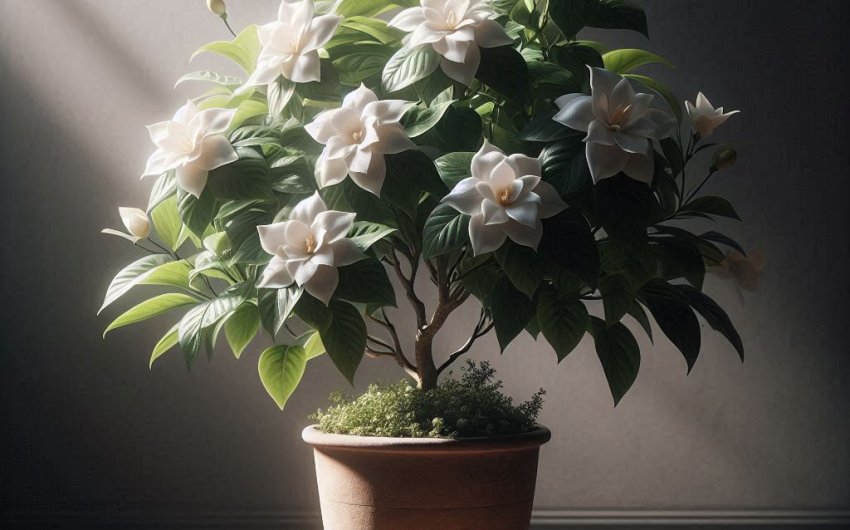
Caring for gardenias indoors requires close attention to their specific needs for light, humidity, consistent moisture, and acidic soil. Providing these conditions will help these beautiful, fragrant plants thrive in your home environment.
What is the Best Light for Indoor Gardenias?
Light is perhaps the most critical factor when learning how to care for gardenias indoors. These beautiful plants are native to tropical and subtropical regions, meaning they naturally thrive in bright, consistent light. Recreating these conditions indoors is vital for their health and prolific blooming.
How Much Light Do Gardenias Need?
Gardenias require abundant bright, indirect light. They love light, but direct, intense sun, especially through a window, can scorch their delicate leaves. Think of them wanting to be in a very bright room, but not directly under a blazing sunbeam for hours.
- Ideal Placement: A south-facing window that is slightly filtered (e.g., with sheer curtains or set back a few feet) is often ideal. An east-facing window provides gentle morning sun, which is usually well-tolerated and beneficial. A west-facing window can work, but the afternoon sun might be too intense without protection. North-facing windows typically don't provide enough light for gardenias to thrive or bloom.
- Duration: Gardenias ideally need at least 6-8 hours of bright light per day. Consistent light exposure encourages strong growth and flower bud formation.
Signs of Incorrect Light Levels
Observing your gardenia will tell you if its light needs are being met:
- Not Enough Light (Most Common Indoor Issue):
- Sparse foliage: Leaves are few and far between.
- Leggy growth: Stems stretch out with long gaps between leaves as the plant "reaches" for light.
- No flowers or bud drop: This is a primary sign. Without enough light, gardenias won't produce buds or existing buds may fall off before opening.
- Dull, dark green leaves: Leaves may lose their vibrant, glossy appearance.
- Too Much Direct Light (Sunburn):
- Yellowing leaves with brown scorch marks: Leaves might turn yellow, develop crispy brown edges, or show bleached patches.
- Overall wilting: The plant might look generally stressed and droopy, even if watered.
Supplementing Natural Light
If your home doesn't provide enough natural light, grow lights are an excellent solution for indoor gardenia care.
- Type of Light: Full-spectrum LED grow lights are energy-efficient and provide the necessary light spectrum for plant growth and flowering.
- Placement: Position the grow light about 12-24 inches above your gardenia's foliage, depending on the intensity of the light.
- Duration: Supplement for 12-16 hours per day, especially during darker winter months. Use a timer for consistency.
- Consider a Monios-L T8 LED Grow Light to ensure adequate light exposure.
Providing the right amount and intensity of light is arguably the single most challenging yet rewarding aspect of how to care for gardenias indoors. Getting this right will set your plant up for success.
How Do I Maintain Proper Humidity for Indoor Gardenias?
Humidity is a critical, yet often overlooked, component of how to care for gardenias indoors. These plants are native to humid, subtropical climates and will struggle in the dry air common in most homes, especially during winter when heating systems are running.
Why Gardenias Crave Humidity
- Leaf Health: High humidity prevents the leaves from drying out, becoming crispy, or developing brown edges. It keeps their signature glossy, dark green appearance.
- Bud Development and Retention: Lack of humidity is a leading cause of bud blast or bud drop in gardenias. If the air is too dry, the delicate flower buds may dry out, turn brown, and fall off before they even get a chance to open.
- Pest Prevention: Humid conditions deter common indoor plant pests like spider mites, which thrive in dry environments.
Ideal Humidity Levels
Gardenias prefer humidity levels between 50% and 70%. This is significantly higher than the average indoor humidity, which can drop to 20-30% in winter.
Ways to Increase Humidity for Indoor Gardenias
- Use a Humidifier: This is the most effective and consistent method.
- Placement: Place a small room humidifier near your gardenia, ensuring the mist doesn't directly soak the leaves.
- Monitoring: Use a hygrometer to monitor the humidity levels in the plant's immediate area.
- Consider a LEVOIT Humidifier for consistent moisture.
- Pebble Trays:
- Setup: Fill a shallow tray with pebbles and add water until the water level is just below the top of the pebbles. Place your potted gardenia on top of the pebbles (not in the water).
- How it works: As the water evaporates from the tray, it creates a small localized humid microclimate around the plant. Replenish the water regularly.
- Grouping Plants:
- Mutual benefit: Grouping several plants together can slightly increase the humidity in their immediate vicinity, as plants release moisture through transpiration.
- Avoid Misting (Mostly):
- Ineffective long-term: While misting might seem like a quick fix, it provides only a temporary boost of humidity that dissipates quickly.
- Risk of issues: Frequent misting can leave water spots on leaves and, more importantly, can encourage fungal diseases if the leaves don't dry quickly, especially if air circulation is poor. It's generally not recommended as a primary humidity solution for gardenias.
- Location Considerations:
- Avoid drafts: Keep your gardenia away from heating vents, air conditioning units, or open windows during cold drafts, as these can severely dry out the air.
Maintaining high humidity is a key challenge but a necessary part of successful indoor gardenia care. Prioritize this aspect to see your gardenia truly thrive and produce those coveted fragrant blooms.
How Often Should I Water Indoor Gardenias?
Watering is a delicate balance when learning how to care for gardenias indoors. They prefer consistently moist, but never soggy, soil. Overwatering can quickly lead to root rot, while underwatering can cause stress and bud drop.
The "Consistently Moist" Rule
Gardenias like their soil to be evenly moist, similar to a wrung-out sponge. They do not like to dry out completely between waterings, nor do they tolerate sitting in soggy soil.
Step-by-Step Watering Guide
- Check Soil Moisture: This is the most crucial step. Don't water on a schedule; water when the plant tells you it's ready.
- Finger Test: Stick your finger about 1 inch deep into the soil. If it feels dry at that depth, it's time to water. If it still feels moist, wait.
- Moisture Meter: For greater accuracy, especially with larger pots, use a moisture meter. Insert it into the soil to check moisture levels at different depths. Aim for the "moist" rather than "wet" or "dry" range. A XLUX Soil Moisture Meter can be invaluable.
- Water Thoroughly:
- Saturate the soil: Water slowly and evenly around the entire surface of the soil until water begins to drain from the drainage holes at the bottom of the pot. Ensure the entire root ball is moistened.
- Bottom Watering (Optional): You can also bottom water by placing the pot in a tray of water for 20-30 minutes, allowing the plant to soak up water from the bottom. Remove it once the topsoil feels damp.
- Empty Drainage Saucer:
- Crucial Step: Never let your gardenia sit in standing water. After watering, wait about 15-30 minutes, then empty any excess water collected in the drainage saucer. Standing water leads to root rot, which is fatal.
Factors Affecting Watering Frequency
- Temperature: Warmer temperatures mean the plant uses more water, so you'll water more frequently.
- Humidity: Higher humidity reduces evaporation, so you might water slightly less often.
- Light Levels: More light usually means more active growth and higher water usage.
- Pot Size and Material: Smaller pots dry out faster. Terracotta pots dry out faster than plastic or glazed ceramic pots due to their porous nature.
- Season: Gardenias generally need more water during their active growing and blooming seasons (spring and summer) and less during cooler, darker winter months when growth slows.
Signs of Incorrect Watering
- Underwatering:
- Wilting leaves: The plant looks droopy and limp.
- Crispy, dry leaf edges: Leaves might curl or develop dry, brown edges.
- Bud drop: Buds might turn brown and fall off.
- Overwatering:
- Yellowing leaves: Leaves turn yellow, especially lower ones, and may feel soft or mushy.
- Wilting: Paradoxically, overwatering can also cause wilting as roots are suffocated and can't take up water.
- Foul smell from soil: Indicates root rot.
- Bud drop: Often appears mushy or rotted.
Mastering watering is paramount for indoor gardenia care. It takes practice, but paying close attention to your plant and its soil will lead to a thriving gardenia.
What is the Best Soil for Indoor Gardenias?
The right soil is absolutely essential for how to care for gardenias indoors. These plants are notorious for their specific soil preferences, primarily their need for acidic soil and excellent drainage. Get the soil wrong, and your gardenia will struggle.
The Acidic Soil Requirement (pH)
Gardenias are acid-loving plants. They thrive in soil with a pH range of 5.0 to 6.0. This acidic environment is critical because it's where gardenias can efficiently absorb essential nutrients like iron. If the pH is too high (alkaline or neutral), iron becomes unavailable to the plant, leading to a condition called chlorosis.
Signs of Incorrect Soil pH
- Chlorosis: The most common symptom is yellowing leaves with green veins. This is a classic sign of iron deficiency caused by high pH. New growth is often most affected.
- Stunted growth: Overall poor growth and lack of vigor.
- No blooms: The plant might fail to produce flowers.
Key Characteristics of Ideal Gardenia Soil
- Acidic: pH between 5.0 and 6.0.
- Well-Draining: Prevents waterlogging and root rot. Water should flow through easily.
- Moisture Retentive: While draining well, it also needs to hold enough moisture to keep the soil consistently damp for the plant.
- Rich in Organic Matter: Provides nutrients and improves soil structure.
Ingredients for a DIY Gardenia Soil Mix
You can buy specialized "Acid-Loving Plant" or "Azalea, Camellia, and Gardenia" potting mixes, or you can create your own.
A good homemade mix might include:
- Peat Moss: This is often the base for acid-loving plant mixes as it naturally lowers pH and retains moisture. Use a good quality sphagnum peat moss.
- Pine Bark Fines or Aged Pine Bark: These provide excellent drainage, aeration, and gradually break down, contributing to acidity.
- Perlite or Pumice: Essential for improving drainage and aeration, preventing compaction.
- Compost or Worm Castings: A small amount adds organic matter and beneficial microbes.
- Acidic Amendments (if needed): If your water or other components are alkaline, you might need to add:
- Elemental Sulfur: Slow-acting, helps lower pH.
- Iron Chelate: Provides readily available iron even if pH isn't perfectly acidic, helping with chlorosis symptoms.
Example Mix: A common starting point is 2 parts peat moss, 1 part pine bark fines, 1 part perlite/pumice.
Using Acidic Fertilizers and Water
Even with the right soil, your water source can affect pH.
- Filtered Water: Tap water is often alkaline. Using filtered, rainwater, or distilled water can help maintain soil acidity.
- Acidic Fertilizers: Fertilizers formulated for acid-loving plants will help maintain the desired pH. Look for those containing ammonium sulfate or iron sulfate.
Consider an Espoma Organic Holly-tone Plant Food for feeding your gardenia.
By providing the correct acidic, well-draining, yet moisture-retentive soil, you ensure your gardenia can access the nutrients it needs, leading to vibrant green foliage and plentiful blooms, making it a cornerstone of indoor gardenia care.
How Do I Fertilize Indoor Gardenias?
Proper fertilization is crucial for the health and blooming of indoor gardenias, but it needs to be done correctly to avoid harming these sensitive plants. Their need for acidic conditions extends to their feeding regimen.
Why Fertilize Gardenias?
- Nutrient Replenishment: Potted plants deplete soil nutrients over time. Fertilization replenishes these, supporting healthy foliage, robust growth, and flower production.
- Acidic pH Maintenance: Many fertilizers for acid-loving plants also help maintain the necessary low soil pH, which is vital for nutrient absorption.
- Iron Boost: Gardenias are prone to iron deficiency, especially if the soil pH creeps up. Fertilizers specifically formulated for them often include chelated iron to prevent or correct chlorosis (yellow leaves with green veins).
When to Fertilize
- During Growing Season: Fertilize primarily during the active growing and blooming seasons, which are typically spring and summer.
- Monthly or Bi-Monthly: A common recommendation is to fertilize every 2-4 weeks during this period, or as directed by the product label.
- Reduce/Stop in Dormancy: In fall and winter, when light levels are lower and growth slows, reduce or stop fertilization. Over-fertilizing during dormancy can harm the plant.
- After Repotting: Wait at least 4-6 weeks after repotting a gardenia to allow it to settle into its new soil before resuming fertilization. The fresh potting mix often contains enough nutrients initially.
What Type of Fertilizer to Use
- Acid-Loving Plant Fertilizer: Choose a fertilizer specifically formulated for acid-loving plants like azaleas, rhododendrons, camellias, and gardenias. These fertilizers are designed to provide nutrients while maintaining or lowering soil pH.
- N-P-K Ratio: Look for a balanced N-P-K (Nitrogen-Phosphorus-Potassium) ratio, such as 3-1-2, or a slightly higher phosphorus content for blooming, like 15-30-15.
- Iron and Micronutrients: Ensure the fertilizer contains essential micronutrients, especially iron (often as chelated iron), as well as manganese and zinc, to prevent chlorosis.
- Liquid vs. Granular: Liquid fertilizers are often preferred for indoor gardenias as they provide quick nutrient availability and are easier to control the dosage. If using granular, make sure it's formulated for pots.
Consider an Espoma Organic Holly-tone Plant Food for feeding your gardenia.
How to Fertilize Safely
- Dilute Properly: Always dilute liquid fertilizers to half the recommended strength for most applications, especially for sensitive plants like gardenias. Over-fertilization can cause root burn and plant damage.
- Water Before Fertilizing: Never apply fertilizer to dry soil. Water your gardenia thoroughly first, then apply the diluted fertilizer. This helps prevent root burn.
- Monitor Your Plant: Watch for signs of nutrient deficiency (like chlorosis) or over-fertilization (like crispy leaf tips or stunted growth). Adjust your feeding schedule and dosage as needed.
- Flush Soil (Occasionally): Every few months, or if you suspect salt buildup from fertilizers, flush the soil by slowly pouring a large volume of plain water through the pot until it drains significantly from the bottom. This helps wash away excess salts.
Proper fertilization, especially with an acidic, iron-rich formula, is a key component of robust indoor gardenia care, helping them produce their iconic dark green leaves and fragrant white blooms.
How Do I Prune Indoor Gardenias?
Pruning is an important part of how to care for gardenias indoors. It helps maintain their shape, encourages bushier growth, promotes more blooms, and removes unhealthy parts of the plant.
Why Prune Indoor Gardenias?
- Shape and Size Control: Indoor gardenias can become leggy and unruly if not pruned. Pruning helps maintain a compact, attractive shape suitable for container living.
- Promotes Bushiness: Pinching back growth tips encourages the plant to branch out, resulting in a denser, fuller plant with more potential for blooms.
- Encourages More Blooms: Gardenias typically bloom on new growth. Pruning spent flowers (deadheading) and making strategic cuts can stimulate the production of new flowering shoots.
- Removes Unhealthy Growth: Pruning allows you to remove dead, diseased, or damaged branches, which improves the plant's overall health and appearance and prevents the spread of issues.
- Air Circulation: Opening up the plant's canopy through selective pruning can improve air circulation, reducing the risk of fungal diseases.
When to Prune Indoor Gardenias
The timing of pruning is crucial for gardenias to ensure you don't cut off developing flower buds.
- After Flowering: The best time to do any significant pruning is immediately after the main flush of blooms has faded, usually in late spring or early summer. This gives the plant plenty of time to produce new growth that will mature and set buds for the next blooming season.
- Deadheading (Continuous): Remove spent flowers (deadhead) as soon as they fade. This redirects the plant's energy from seed production back into creating more blooms and new growth.
- Light Touch-ups (As Needed): You can do light touch-up pruning throughout the year to remove yellowing leaves, small dead branches, or to pinch back leggy stems, but avoid heavy pruning outside of the post-flowering period.
How to Prune Indoor Gardenias
- Use Clean, Sharp Tools: Always use a clean, sharp pair of bypass pruners or scissors. This prevents crushing stems and reduces the risk of introducing diseases. Sterilize your tools with rubbing alcohol between plants.
- Deadheading:
- Snip off spent flowers just below the bloom, above the first set of healthy leaves or a side shoot.
- Shaping and Size Control:
- Pinch back: For bushier growth, pinch or snip off the very tips of young, non-flowering stems (just above a set of leaves or a node). This encourages two new shoots to emerge from that point.
- Cut back leggy stems: If a stem is too long and leggy, cut it back to a strong leaf node or side branch to encourage new growth from that point.
- Maintain overall shape: Step back and assess the plant's overall shape. Aim for a balanced, aesthetically pleasing form.
- Remove Unhealthy Growth:
- Cut out any dead, dried, or obviously diseased branches. Cut into healthy wood until you see green tissue.
- Remove any crossing branches or branches that are rubbing against each other, as this can create wounds.
- Thinning (If Necessary):
- If the plant is very dense in the center, selectively remove a few inner branches to improve air circulation and light penetration.
Always prune with a purpose. Thoughtful pruning keeps your indoor gardenia healthy, compact, and ready to produce its fragrant flowers, making it a valuable skill in indoor gardenia care.
How Do I Deal with Pests and Diseases on Indoor Gardenias?
Indoor gardenias can be susceptible to common houseplant pests and a few specific diseases, often exacerbated by incorrect cultural conditions. Early detection and prompt treatment are key to keeping your beautiful, fragrant plant healthy.
Common Pests of Indoor Gardenias
- Spider Mites: These tiny arachnids thrive in dry, warm conditions (which gardenias hate). Signs include:
- Tiny yellow or white stippling (dots) on leaves.
- Fine webbing, especially on the undersides of leaves or in leaf axils.
- Leaves may turn bronze or yellow and drop.
- Treatment: Increase humidity immediately. Rinse foliage with a strong stream of water (be gentle). Apply insecticidal soap or Neem oil thoroughly, especially to leaf undersides. Repeat every 5-7 days until gone.
- Aphids: Small, pear-shaped insects, often green, black, or brown, clustered on new growth and flower buds. They suck sap, causing distorted growth and sticky honeydew.
- Treatment: Blast them off with a strong stream of water. Use insecticidal soap or Neem oil.
- Mealybugs: Soft-bodied, white, cottony insects found in leaf axils, under leaves, and on stems. They also suck sap and excrete honeydew.
- Treatment: For light infestations, dab mealybugs directly with a cotton swab dipped in 70% isopropyl alcohol. For heavier infestations, use insecticidal soap or Neem oil.
- Whiteflies: Tiny, white, moth-like insects that fly up in a cloud when the plant is disturbed. They feed on sap, causing yellowing leaves and honeydew.
- Treatment: Use sticky traps to catch adults. Spray with insecticidal soap or Neem oil, targeting the undersides of leaves.
Consider using Garden Safe Insecticidal Soap Insect Killer for general pest control.
Common Diseases of Indoor Gardenias
- Chlorosis (Nutrient Deficiency): Not strictly a disease, but a common symptom.
- Signs: Yellowing leaves with prominent green veins. This indicates iron deficiency, usually due to soil pH being too high, preventing the plant from absorbing iron.
- Treatment: Test soil pH. Lower pH with an acidic fertilizer or iron chelate. Use filtered or rainwater.
- Root Rot: Caused by overwatering and poorly draining soil.
- Signs: Wilting even when soil is moist, yellowing leaves that may turn brown, stunted growth, a foul smell from the soil, mushy stems near the soil line.
- Treatment: Unpot immediately. Cut away all mushy, black, or smelly roots with sterilized scissors. Repot in fresh, well-draining, acidic soil. Do NOT water for several days after repotting. This is often fatal if severe.
- Bud Blast/Drop: Buds turn brown or black and fall off before opening.
- Cause: Primarily due to stress from low humidity, sudden temperature changes, insufficient light, or inconsistent watering.
- Treatment: Address the underlying environmental issue (increase humidity, stabilize temperatures, provide more light, ensure consistent watering).
General Prevention Tips
- Quarantine New Plants: Always isolate new indoor plants for 2-4 weeks before introducing them to your existing collection to ensure they are pest-free.
- Regular Inspection: Routinely check your gardenia for any signs of pests or disease, especially on leaf undersides and new growth. Early detection is key.
- Optimal Cultural Care: The best defense is a healthy plant. Providing the right light, humidity, watering, and soil will make your gardenia more resilient to pests and diseases.
- Cleanliness: Remove any dead leaves or debris from the plant and soil surface to reduce hiding places for pests and potential sites for fungal growth.
By being vigilant and providing consistent, proper indoor gardenia care, you can minimize pest and disease issues and enjoy your plant's beautiful foliage and intoxicating fragrance.
How Do Temperature and Air Circulation Affect Indoor Gardenias?
Temperature and air circulation are closely linked environmental factors that significantly influence the health of indoor gardenias. Getting these conditions right is as important as light and water for successful indoor gardenia care.
Ideal Temperature Range
Gardenias are warm-weather plants but prefer a specific temperature range to thrive and bloom.
- Daytime Temperatures: Ideally, maintain daytime temperatures between 65°F and 75°F (18°C to 24°C).
- Nighttime Temperatures: Gardenias actually prefer a slight drop in temperature at night, ideally between 60°F and 65°F (15°C to 18°C). This temperature differential is beneficial for flower bud formation and overall plant health.
- Avoid Extremes:
- Cold Drafts: Sudden drops in temperature, especially cold drafts from open windows or doors in winter, can stress the plant, causing leaves to yellow, buds to drop, or overall decline.
- Excessive Heat: While they like warmth, prolonged exposure to temperatures above 80°F (27°C), especially without adequate humidity or airflow, can also stress the plant, leading to bud drop and less vigorous growth.
- Heating/AC Vents: Never place a gardenia directly in the path of a heating or air conditioning vent, as the sudden blasts of hot or cold, dry air are detrimental.
The Critical Role of Air Circulation
Good air circulation is vital for indoor gardenias for several reasons:
- Humidity Management: Even if you're using a humidifier, stagnant air allows humidity to build up too much directly around the plant, especially within dense foliage. Moving air disperses this moisture, preventing it from lingering too long on leaves.
- Prevents Fungal Diseases: High humidity combined with stagnant air is a perfect breeding ground for fungal diseases like powdery mildew, botrytis (gray mold), and leaf spot. Good airflow helps dry out leaf surfaces quickly, making it difficult for spores to germinate.
- Deters Pests: Many common houseplant pests, particularly spider mites, thrive in dry, still conditions. While good humidity helps deter them, consistent air movement also makes the environment less hospitable.
- Promotes Strong Growth: A gentle breeze can actually help strengthen plant stems, making them more resilient.
How to Ensure Optimal Temperature and Air Circulation
- Strategic Placement:
- Away from Vents/Drafts: Position your gardenia in a spot where it's protected from direct hot or cold drafts.
- Consistent Room: Choose a room that maintains a relatively stable temperature within the ideal range.
- Use a Thermometer/Hygrometer: Monitor the temperature and humidity levels in the immediate vicinity of your gardenia to ensure they are within the optimal range.
- Space Out Plants: Do not overcrowd your indoor gardenias or other houseplants. Allow ample space between them for air to flow freely around all sides of the plant and its foliage.
- Use a Fan (if needed): In rooms with poor natural air movement, a small oscillating fan can be a game-changer.
- Gentle Setting: Set it on a low speed. You don't want to create a hurricane, just a gentle, consistent breeze that circulates the air.
- Indirect Aim: Aim the fan to circulate the air in the room rather than directly at the gardenia for prolonged periods.
- Pruning for Airflow: Regularly prune away any dead, yellowing, or excessively dense inner branches to open up the plant's canopy, allowing air to penetrate more easily.
By meticulously managing temperature consistency and ensuring excellent air circulation, you significantly reduce stress on your indoor gardenia and create an environment where it's much less susceptible to diseases and pest infestations, which is a vital part of indoor gardenia care.