
How to Start a Worm Composting Bin?
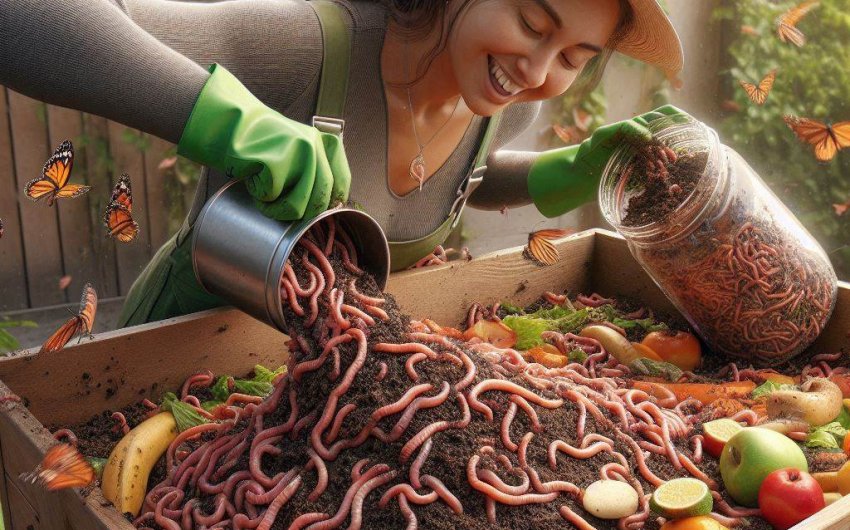
To start a worm composting bin, choose an appropriate bin, select the right type of composting worms (Red Wigglers), prepare suitable bedding, introduce your worms, and begin feeding them appropriate food scraps. This method, also known as vermicomposting, efficiently transforms organic waste into nutrient-rich fertilizer.
What is Worm Composting (Vermicomposting)?
Worm composting, also known as vermicomposting, is an eco-friendly and highly efficient method of recycling organic waste into a rich, dark, nutrient-dense fertilizer called worm castings (often called "black gold"). Instead of relying on traditional hot composting methods that use microbes and heat, vermicomposting uses specific types of worms to do the work.
How It Works:
- Worm Power: Unlike common garden earthworms that tunnel deep in the soil, composting worms (primarily Red Wigglers and European Nightcrawlers) are "surface dwellers." They live and feed in the top layers of decaying organic matter.
- Eating and Excreting: These worms consume food scraps, bedding materials (like shredded paper or cardboard), and other organic waste. As they digest this material, they excrete it as castings, which are essentially worm poop.
- Microbial Collaboration: The worms don't work alone. They have a symbiotic relationship with beneficial microorganisms (bacteria, fungi) that also help break down the organic matter. The worms' digestive systems actually enhance microbial activity.
- Transforming Waste: Through this process, kitchen scraps, paper, and other biodegradable materials are transformed into a stable, odor-free, and highly beneficial soil amendment that's packed with nutrients, enzymes, and beneficial microbes.
Benefits of Worm Composting:
- Reduces Waste: Diverts food scraps and other organic waste from landfills, significantly reducing your household's waste footprint.
- Produces Nutrient-Rich Fertilizer: Worm castings are superior to traditional compost in many ways. They contain higher concentrations of plant-available nutrients (nitrogen, phosphorus, potassium, micronutrients), beneficial microbes, and humic acids.
- Odorless (When Done Right): A well-maintained worm bin should have a pleasant, earthy smell, or no smell at all.
- Space-Efficient: Worm bins can be set up indoors or outdoors, taking up very little space, making them ideal for apartments, small homes, or classrooms.
- Educational: A fantastic way to teach children (and adults) about decomposition, waste reduction, and ecology.
- Low Maintenance: Once established, a worm bin requires relatively little hands-on effort compared to traditional composting.
By setting up a worm composting bin, you're not just managing waste; you're creating a powerful tool for sustainable gardening and healthier plants.
Why Are Red Wigglers the Best Worms for Composting?
When you're ready to start a worm composting bin, the most crucial decision regarding your worms is selecting the right species. While there are thousands of worm species, Red Wigglers (Eisenia fetida and Eisenia andrei) are overwhelmingly considered the best worms for composting (vermicomposting) for several compelling reasons.
1. Voracious Eaters:
- Appetite: Red Wigglers are incredibly efficient eaters. They can consume half to their full body weight in organic matter per day under ideal conditions. This high consumption rate means your food scraps disappear quickly.
- Surface Dwellers: Unlike common garden earthworms that burrow deep, Red Wigglers are epigeic worms, meaning they live and feed primarily in the top 6-12 inches of decaying organic matter. This makes them perfectly suited for a bin environment.
2. Rapid Reproducers:
- Population Growth: They reproduce very quickly, especially when conditions are favorable and there's a good food supply. This rapid reproduction allows your worm population to quickly grow to efficiently process the waste you're adding. They lay cocoons that hatch multiple babies.
- Adaptability: They are very adaptable to varying population densities.
3. Wide Temperature Tolerance:
- Resilience: While they have an ideal temperature range (typically 55-77°F or 13-25°C), Red Wigglers are quite tolerant of fluctuations. They can survive in cooler conditions (though their activity slows) and handle slightly warmer temperatures than some other species. This makes them forgiving for indoor or moderately protected outdoor bins.
4. Tolerate Confined Spaces:
- Happy in Bins: Red Wigglers naturally live in decomposing organic matter like leaf litter or manure piles. This means they are well-suited to the confined, dense environment of a composting bin. They don't have a strong desire to burrow deeply or escape if conditions are good.
5. Efficient Waste Processors:
- Quality Castings: Their digestive system, combined with the microbes in their gut, produces incredibly rich, nutrient-dense worm castings that are superior to traditional compost.
- Odor-Free: When properly managed, a Red Wiggler bin is virtually odorless, as they efficiently break down food scraps before they can rot and smell.
6. Easy to Source:
- Availability: Red Wigglers are widely available from online suppliers, bait shops, and some garden centers. You can typically purchase a pound of worms, which is a good starting size for most home bins. Live Red Wigglers for Composting are readily found.
While European Nightcrawlers (Eisenia hortensis) are another option, particularly for larger-scale bins or for use as fishing bait, Red Wigglers are the gold standard for home worm composting. Their combined efficiency, reproductive rate, and tolerance for bin conditions make them the ideal choice for anyone looking to start a worm composting bin.
What Type of Composting Bin is Best?
Choosing the right worm composting bin is a crucial step in setting up your vermicomposting system. The "best" type depends on your needs, budget, and where you plan to keep it.
1. Tray-Stacking Worm Bins (Flow-Through System)
- Description: These popular bins consist of several trays that stack on top of each other, usually with a liquid collection tray at the bottom (for "worm tea" or leachate). As worms finish processing material in one tray, they migrate upwards to new food and bedding in the tray above.
- Pros:
- Easy Harvesting: Castings are harvested from the bottom tray as finished compost, making the process cleaner and easier.
- Space-Efficient: Vertical design takes up little floor space.
- Good Aeration: Often designed with ventilation.
- Good for Beginners: Intuitive to use.
- Cons: Can be more expensive initially.
- Recommendation: Excellent choice for most indoor or small-scale outdoor worm composting. Brands like Worm Factory 360 Composter are popular.
2. DIY Plastic Bin (Single Compartment)
- Description: A simple, affordable option using opaque plastic storage totes.
- Pros:
- Inexpensive: Often uses repurposed materials.
- Simple to Build: Just requires drilling holes for drainage and aeration.
- Compact: Good for small spaces.
- Cons:
- Harvesting can be messy: Requires manually separating worms from castings (though methods like "migrate-and-feed" can help).
- Can become anaerobic: Requires careful management of moisture and aeration to prevent compaction and odor.
- Recommendation: Great for budget-conscious beginners or those wanting a simple starter bin. Use two bins to make harvesting easier (worms move to the new bin).
3. Continuous Flow-Through Bins (Large Scale)
- Description: Large, often elevated bins where food is added to the top, and finished castings are continuously "harvested" from the bottom as they fall through a mesh screen.
- Pros:
- Very Efficient: Ideal for processing large volumes of waste.
- Minimal Harvesting Effort: Castings are collected without disturbing worms.
- Cons: More expensive, larger footprint, more complex to manage for beginners.
- Recommendation: For serious composters or those with significant waste streams.
4. Wooden Bins
- Description: Can be a single large box or a multi-compartment system made from untreated wood.
- Pros: Natural, breathable material, can be aesthetically pleasing.
- Cons: Can decompose over time, may harbor pests, harder to manage moisture.
- Recommendation: More for outdoor, larger-scale systems.
Key Bin Features to Look For:
- Opaque Material: Worms prefer darkness.
- Drainage Holes: Essential to prevent waterlogging.
- Ventilation: Holes in the lid or sides for airflow.
- Size: Choose a bin size appropriate for the amount of food waste your household generates. A good rule of thumb is 1 sq. ft. of surface area per pound of worms.
By selecting the right composting bin, you lay a solid foundation for successfully setting up and maintaining your worm composting system.
How to Prepare the Bedding for Your Worm Bin?
Preparing the right bedding is a foundational step in how to start a worm composting bin. The bedding provides a habitat for your Red Wigglers, holds moisture, and is a source of carbon (browns) for them to consume alongside your food scraps.
Essential Qualities of Good Worm Bedding:
- Moisture Retention: Bedding should be able to hold water without becoming soggy.
- Aeration: It needs to allow air circulation to prevent anaerobic conditions.
- Carbon Source: Provides the "brown" component of the worms' diet.
- pH Neutral: Avoid highly acidic or alkaline materials.
- Non-Toxic: Free from chemicals or harmful substances.
Common Bedding Materials:
- Shredded Newspaper (Black and White Ink Only):
- Pros: Readily available, free, absorbs moisture well.
- Cons: Can compact if too wet; avoid glossy paper, colored inks, or junk mail.
- Shredded Cardboard (Plain, Corrugated):
- Pros: Excellent carbon source, provides good aeration, slower to break down, creates good structure.
- Cons: May need to be pre-wetted to soften. Avoid shiny, coated, or dyed cardboard.
- Coconut Coir (Coco Coir):
- Pros: Excellent moisture retention, pH neutral, good aeration, doesn't compact easily.
- Cons: Can be more expensive; needs to be expanded with water first. Grow Coir Coco Coir Brick.
- Aged Sawdust (Untreated Wood Only):
- Pros: Good carbon source.
- Cons: Can be acidic; can get compact; avoid sawdust from treated wood.
- Straw or Dried Leaves:
- Pros: Good aeration and carbon.
- Cons: Can be bulky, may contain seeds. Ensure they are dry and broken down.
- Composted Manure (Aged):
- Pros: Rich in nutrients, already partially broken down.
- Cons: Can be very rich; best used as a smaller component of bedding.
Step-by-Step Bedding Preparation:
- Choose Your Material(s): A mix is often best. For beginners, a combination of shredded newspaper and cardboard is a great start.
- Shred It: Tear or shred your chosen materials into strips no wider than 1 inch. Smaller pieces break down faster.
- Moisten the Bedding: This is critical! The bedding needs to be as damp as a wrung-out sponge.
- Method: Place shredded bedding in a bucket. Slowly add water while mixing thoroughly until it's evenly moist. Squeeze a handful – a few drops of water should come out, but it shouldn't drip excessively.
- Important: Overly wet bedding leads to anaerobic conditions and odors. Too dry bedding will dehydrate worms.
- Add a Handful of Soil/Grit (Optional but Recommended):
- Why: A handful of garden soil or a small amount of sand provides grit, which worms need in their gizzard to grind up food. It also introduces beneficial microbes.
- Amount: Just a tablespoon or two per square foot of bin surface area.
- Fluff and Place in Bin: Loosely fluff the moistened bedding and place it into your worm bin. Fill the bin about 1/2 to 3/4 full. This creates a comfortable, aerated home for your worms.
By taking the time to properly prepare the bedding, you create an inviting and functional habitat, setting your worm composting bin up for success.
How to Introduce Worms to Your Bin?
Once your worm composting bin is set up with perfectly prepared bedding, it's time for the exciting step of introducing your worms! This process is simple, but a few key steps will ensure your new worm colony settles in happily.
1. Acquire Your Worms:
- Red Wigglers are Best: Make sure you've sourced Red Wigglers (Eisenia fetida or Eisenia andrei). You can usually buy them by the pound online, from bait shops, or specialized vermicomposting suppliers. A common starting amount for a small home bin is 1 pound of worms. Live Red Wigglers for Composting.
- Receive Them Promptly: If ordering online, be ready to receive them as soon as they arrive.
2. Prepare the Bin for Arrival:
- Bedding is Ready: Ensure your bin is filled with the pre-moistened, fluffed bedding (as damp as a wrung-out sponge), and you've added a tiny bit of grit (like soil or sand) if desired.
- Dark and Calm: Place the bin in its chosen location, ensuring it's out of direct sunlight and in a relatively calm, stable temperature environment. Worms prefer darkness.
3. Gently Introduce the Worms:
- Open the Package: Carefully open the bag or container your worms arrived in.
- Place on Top of Bedding: Gently empty the worms and any material they came packed in (usually peat moss or shredded paper) directly onto the surface of your prepared bedding in the bin. Don't dig them in.
- Leave Lid Off (Initially): Leave the lid off the bin for 15-30 minutes, or place a light directly over the bin. Worms are sensitive to light and will naturally burrow down into the bedding to escape it. This encourages them to explore and settle into their new home.
- Cover and Wait: After they've burrowed down, replace the lid. Give your worms a few days (2-3 days) to acclimate to their new environment before you start feeding them. This allows them to get comfortable and begin exploring their new home.
What to Expect:
- Some Wanderers: It's normal to find a few "escapee" worms on the sides or lid of the bin in the first few days, especially if they're stressed from transport. Just gently place them back into the bedding. If large numbers are escaping, check your moisture levels (too wet or too dry) or light conditions.
- Activity Level: They might seem a bit sluggish at first, but they will soon become active once they've adjusted.
By following these steps, you'll successfully introduce your worms and set them up for a productive life in your worm composting bin, kickstarting your vermicomposting journey.
What Can (and Can't) You Feed Your Composting Worms?
Knowing what to feed your composting worms is essential for a healthy, odor-free worm composting bin. While Red Wigglers are voracious, not all organic materials are suitable for them or your bin's ecosystem.
What You CAN Feed (Worm Favorites!):
These are the "greens" for your bin, providing nitrogen and readily digestible material. Always chop large pieces into smaller bits (1-2 inches) to speed up decomposition.
- Fruit Scraps: Apple cores, banana peels (especially brown ones), melon rinds, berries, grape stems, peach pits (crushed).
- Vegetable Scraps: Carrot peelings, potato peels, lettuce, cabbage, broccoli stems (chopped), bell pepper cores, corn cobs (chopped), cooked vegetables (without oil/butter).
- Coffee Grounds: Excellent worm food! They also contain grit that worms need.
- Tea Bags/Leaves: Remove staples, strings, and plastic tags from tea bags. Loose leaf tea is great.
- Crushed Eggshells: Provide grit for the worms' gizzards and calcium for their health and reproduction. Rinse first and crush finely.
- Bread/Grains (in moderation): Small amounts of stale bread, cereal, pasta, or rice. Use sparingly to avoid attracting pests or creating anaerobic conditions.
- Plant-Based Yard Waste (in moderation): Small amounts of non-diseased leaves, grass clippings (dried and mixed with browns), dead plant matter. Avoid large quantities of fresh grass clippings which can heat up.
What You CAN'T Feed (Avoid These!):
These materials can harm worms, create odors, attract pests, or decompose poorly.
- Meat, Bones, Fish: Attract rodents, flies, and other pests; create foul odors; can harm worms; break down very slowly.
- Dairy Products (Milk, Cheese, Yogurt, Butter): Attract pests, create foul odors, can harm worms.
- Oily or Greasy Foods: Can create anaerobic conditions, attract pests, and repel worms.
- Citrus Peels (Large Quantities): While small amounts are fine, large quantities of citrus (lemon, lime, orange, grapefruit) can make the bin too acidic, which worms dislike.
- Spicy Foods (Chili Peppers): Can irritate worms.
- Onions and Garlic (Large Quantities): Can be very odorous and may repel worms. Small amounts are usually okay.
- Diseased Plants: Can spread pathogens to your garden when castings are used.
- Treated Wood/Sawdust: Lumber treated with chemicals is toxic to worms and the environment.
- Pet Waste (Dog, Cat Manure): Can contain pathogens harmful to humans.
- Glossy/Coated Paper, Stickers, Labels: These often contain chemicals or plastics that worms can't digest.
- Anything Inorganic: Plastic, metal, glass, synthetic fabrics, etc.
Feeding Strategy:
- Start Slow: When you first start a worm composting bin, begin with small amounts of food. Let the worms settle in and start processing.
- Bury Food: Always bury food scraps under the bedding to prevent fruit flies and odors.
- Listen to Your Worms: If you see uneaten food, reduce the amount you're adding. If the worms are rapidly processing everything, you can gradually increase feeding.
By carefully selecting what you feed your worms and sticking to appropriate materials, you'll ensure your worm composting system remains healthy, productive, and odor-free.
How to Maintain Moisture and Aeration in a Worm Bin?
Maintaining the right levels of moisture and aeration are absolutely crucial for a successful and odor-free worm composting bin. These two factors directly impact the health and activity of your Red Wigglers.
Maintaining Moisture: The "Damp Sponge" Rule
- Ideal Moisture Level: The bedding and contents of your worm bin should always be about as moist as a wrung-out sponge. It should feel damp to the touch, and if you squeeze a handful, only a few drops of water should come out. It should never be soggy or bone dry.
- Too Wet (The Biggest Problem):
- Signs: Foul, putrid, sour, or rotting odors; slimy or matted bedding; worms trying to escape; puddles of liquid at the bottom.
- Why it's Bad: Lack of oxygen leads to anaerobic (without air) decomposition, which produces foul smells and creates an unhealthy environment for worms. Worms can drown or suffocate.
- Solutions:
- Add Dry Bedding: Gently mix in dry, shredded newspaper or cardboard to absorb excess moisture.
- Stop Feeding: Temporarily stop adding food scraps until moisture levels balance out.
- Increase Aeration: Gently fluff the bedding (see below).
- Improve Drainage: Ensure drainage holes are not blocked.
- Too Dry:
- Signs: Worms appear sluggish, shriveled, or are congregating in one small damp spot; bedding looks powdery or crumbly; slow decomposition.
- Why it's Bad: Worms breathe through their skin and need moisture to survive. They will dehydrate and die if the bin is too dry.
- Solutions:
- Mist with Water: Gently mist the top layer of bedding with room-temperature water.
- Add Moist Food: Introduce more moisture-rich food scraps (like melon rinds, cucumber peels).
Maintaining Aeration: Oxygen for Worms and Microbes
- Importance: Worms are aerobic creatures, meaning they need oxygen to survive. So do the beneficial microorganisms that help them break down waste.
- Too Little Aeration (Often Linked to Too Much Moisture):
- Signs: Similar to too wet: foul odors, worms trying to escape. Dense, compacted material.
- Why it's Bad: Lack of oxygen leads to anaerobic conditions.
- Solutions:
- Gentle Fluffing/Turning: Periodically (e.g., once a week or every two weeks, or when adding food), gently use a hand trowel or a small garden fork to lightly fluff and turn the top few inches of bedding and food scraps. Don't dig deep and disturb the entire bin. This introduces air without disrupting the worms too much.
- Add Bulky Bedding: Incorporate coarser, bulkier bedding materials like shredded corrugated cardboard or straw that create more air pockets.
- Avoid Compacting: Don't press down on the contents of the bin. Let the material remain loose.
- Drainage Holes: Ensure your bin has sufficient drainage holes at the bottom and some ventilation holes in the lid.
By carefully managing both moisture and aeration, you create a harmonious and productive environment for your worm composting operation, ensuring a healthy worm composting bin and plentiful castings.
How to Harvest Worm Castings?
Harvesting worm castings is the rewarding payoff for your efforts in worm composting. It's when you collect the rich, black gold your worms have produced. There are several methods, ranging from simple to more involved.
When to Harvest:
- Visual Cues: Your bin is ready for harvest when most of the original bedding has been consumed, and the bin is largely filled with dark, earthy, crumbly material that looks like rich soil, with very little recognizable food scraps. You'll still see worms throughout.
- Bin Fullness: For single-compartment bins, you typically harvest when the bin is mostly full. For stacking bins, you harvest from the bottom tray when it's mostly castings.
- Timing: Aim to harvest every 3-6 months, depending on your bin size and how much you're feeding your worms.
Harvesting Methods:
"Migrate-and-Feed" Method (for Single-Compartment Bins - Easiest for Beginners):
- Steps:
- Stop feeding the worms for about a week.
- Push all the finished castings and worms to one side of the bin.
- Fill the empty side of the bin with fresh, moist bedding and start adding all new food scraps ONLY to this new side.
- Over the next few weeks (2-4 weeks), the worms will gradually migrate to the side with fresh food and bedding.
- Once most worms have migrated, you can scoop out the finished castings from the original side. You may still find a few stubborn worms; gently pick them out and return them to the active side.
- Pros: Minimal disruption to worms, relatively clean.
- Cons: Takes time, not all worms migrate perfectly.
- Steps:
Tray Stacking Method (for Multi-Tray Bins - Most Common):
- Steps:
- When the current active tray is mostly full of castings, stop adding food to it.
- Prepare a new tray with fresh, moist bedding and a small amount of new food. Place this new tray on top of the active tray.
- The worms will naturally migrate upwards into the new tray seeking fresh food and bedding.
- After 2-4 weeks, the bottom tray should contain mostly finished castings with minimal worms. You can then remove this bottom tray and harvest the castings.
- Replace the empty tray on top (or move a partially processed tray to the bottom if needed).
- Pros: Very clean, easy, and minimizes direct handling of worms.
- Cons: Requires a multi-tray bin system.
- Steps:
Light Method (Pyramid/Cone Method):
- Steps:
- Move the bin to a brightly lit area (indoors or outdoors on a cloudy day, or under a bright light).
- Dump the entire contents of the bin onto a plastic tarp or newspaper in a cone or pyramid shape.
- Wait 10-20 minutes. The worms will burrow down to escape the light.
- Gently scrape off the top inch or two of finished castings.
- Wait another 10-20 minutes for worms to burrow deeper, then scrape off more castings.
- Repeat this process until you are left with a smaller pile of worms and very rich castings at the bottom. Collect the worms and return them to your freshly prepared bin.
- Pros: Efficient for a full harvest.
- Cons: Can be messy, requires more space. Not ideal for hot, sunny days as worms can overheat.
- Steps:
Using Your Worm Castings:
- Soil Amendment: Mix castings into potting soil for houseplants or containers (1 part castings to 4-5 parts soil).
- Top Dressing: Sprinkle a thin layer around the base of plants in your garden or containers.
- Compost Tea: Steep castings in water to create a nutrient-rich "worm tea" for liquid feeding.
- Seed Starting: A small amount in seed-starting mix provides excellent nutrients for seedlings.
Harvesting is the satisfying conclusion to the decomposition cycle in your worm composting bin, providing a powerful boost for your garden.
What are Common Problems in a Worm Bin and How to Fix Them?
Even with the best intentions for starting a worm composting bin, you might encounter some common problems. The good news is that most issues are easily fixable, often related to moisture, aeration, or food type. Recognizing the signs and knowing how to fix them will keep your worm composting system healthy and productive.
1. Foul Odors (Sour, Rotten, Ammonia-like)
- Problem: This is the most common sign of trouble. A healthy worm bin should smell earthy or like nothing at all. Foul smells usually indicate anaerobic conditions.
- Cause:
- Too Much Food: Especially too much "wet" food.
- Too Wet: Bedding is soggy, not damp.
- Not Enough Aeration: Material is compacted, lack of oxygen.
- Adding "No-No" Foods: Meat, dairy, oily foods, etc.
- Solution:
- Stop Feeding: Temporarily stop adding food scraps.
- Aerate: Gently fluff the bedding with a trowel to introduce air.
- Add Dry Bedding: Mix in liberal amounts of dry, shredded newspaper or cardboard to absorb excess moisture and provide carbon.
- Remove Problem Foods: If you added "no-no" items, remove them.
2. Worms Trying to Escape (Crawling Up Sides, Lid)
- Problem: Worms are unhappy and trying to leave the bin.
- Cause:
- Too Wet/Anaerobic: Most common reason.
- Too Dry: Bedding is parched.
- Too Hot/Cold: Extreme temperatures.
- Too Acidic/Alkaline: pH imbalance (often from too much citrus/onions or very little bedding).
- Not Enough Food (Less Common): If they've eaten everything and there's no new food.
- Just Introduced: Normal for the first few days as they acclimate.
- Solution:
- Check Moisture & Aeration First: Adjust as described above.
- Temperature Check: Move bin to a stable environment.
- pH Check (Rarely needed for home bins): Add crushed eggshells to raise pH slightly if necessary.
- Add Food (If Starving): Only after checking other conditions.
3. Fruit Flies (Gnats)
- Problem: Tiny flying insects swarming around the bin.
- Cause:
- Exposed Food: Food scraps are left on the surface, not buried.
- Too Much Food: Overfeeding, food not breaking down fast enough.
- Specific Foods: Attracted to sugary fruit scraps.
- Solution:
- Bury All Food: Always bury new food scraps completely under the bedding.
- Reduce Feeding: Feed smaller amounts more frequently.
- Yellow Sticky Traps: Place Yellow Sticky Traps for Fungus Gnats near the bin.
- Apple Cider Vinegar Traps: Small dish with vinegar, a few drops of dish soap, water.
- Top Dressing: Cover exposed food with a thin layer of dry bedding.
4. Ants
- Problem: Ants in or around the bin.
- Cause: Bin is too dry or you're feeding too much sweet, sugary food.
- Solution:
- Increase Moisture: Slightly moisten the bedding (ants dislike wetness).
- Reduce Sweet Foods: Limit sugary fruit scraps for a while.
- Barrier: Place bin legs in small containers of water (like a moat).
5. Mites (Tiny White/Brown Bugs)
- Problem: Tiny, fast-moving critters, often on food scraps. Usually harmless decomposers.
- Cause: Overfeeding, high moisture.
- Solution: Reduce feeding, increase aeration, allow bin to dry out slightly. They are generally beneficial but indicate a slightly imbalanced environment.
By staying vigilant and addressing these common issues quickly, you can ensure your worm composting bin remains a productive and enjoyable way to recycle organic waste.
What are the Benefits of Worm Castings for Plants?
The ultimate reward of worm composting is the production of worm castings, often referred to as "black gold" by gardeners. These are not just any compost; they are a premium, highly beneficial soil amendment that provides exceptional nourishment for your plants.
1. Rich in Plant-Available Nutrients:
- More Concentrated: Worm castings contain significantly higher concentrations of readily available nutrients compared to traditional compost or even regular soil. This includes major macronutrients like nitrogen, phosphorus, and potassium (N-P-K), as well as essential micronutrients like calcium, magnesium, iron, zinc, and copper.
- Slow Release: The nutrients are bound within the organic matter and are released slowly over time as the soil microbes continue their work, providing a steady, gentle supply of food for your plants without the risk of burning.
2. Teeming with Beneficial Microorganisms:
- Microbial Powerhouse: Worm castings are incredibly rich in a diverse array of beneficial bacteria, fungi, protozoa, and other microorganisms. These microbes play a vital role in:
- Nutrient Cycling: Breaking down organic matter and converting nutrients into forms plants can easily absorb.
- Disease Suppression: Competing with or directly inhibiting harmful soil-borne pathogens.
- Soil Structure Improvement: Helping to create stable soil aggregates.
3. Enhances Soil Structure:
- Improved Aeration & Drainage: The unique structure of worm castings (often described as "vermicast aggregates") helps to loosen heavy clay soils, improving drainage and aeration for roots.
- Increased Water Retention: For sandy soils, castings act like tiny sponges, significantly improving water-holding capacity and reducing the need for frequent watering.
- Reduced Compaction: They contribute to a crumbly, friable soil texture that resists compaction.
4. Contains Humic Acids and Growth Hormones:
- Root Development: Castings are rich in humic acids and humates, which are complex organic compounds that chelate nutrients (making them more available to plants) and stimulate root growth.
- Plant Vigor: They also contain natural plant growth regulators and hormones, which can promote overall plant vigor, stronger stems, and more abundant flowering and fruiting.
5. Acts as a Natural Pest Deterrent:
- Repellent Properties: Some studies suggest that worm castings can help deter certain plant pests, such as spider mites, aphids, and whiteflies, though the exact mechanisms are still being researched. It might be due to beneficial microbes or certain compounds in the castings.
6. Odorless and Safe to Use:
- No Burning: Unlike raw manure or some synthetic fertilizers, worm castings are generally "cool" and will not burn plant roots, even when applied directly.
- Easy to Use: They are odor-free and pleasant to handle.
By adding worm castings (the output of your worm composting bin) to your garden and potted plants, you're not just fertilizing; you're fundamentally improving the soil's structure, biology, and nutrient profile, leading to incredibly healthy plants.