
Seasonal Planting Guide for Vegetable Gardeners
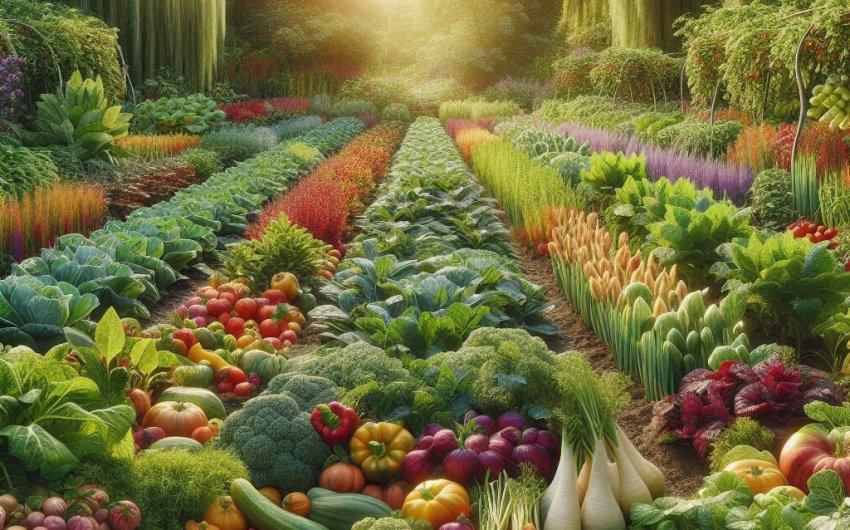
This seasonal planting guide for vegetable gardeners provides tailored advice on when to sow and plant various vegetables throughout the year, maximizing your garden's yield and ensuring continuous harvests. Understanding your local climate and frost dates is crucial for successful timing and bountiful results in your vegetable garden.
Why is Seasonal Planting Important for Vegetable Gardeners?
For every vegetable gardener, understanding and practicing seasonal planting is not just a recommendation; it's the bedrock of successful and bountiful harvests. Ignoring the seasons can lead to stunted growth, rampant disease, or a garden that produces very little. It's about working with nature, not against it.
1. Optimal Growth and Yield:
Every vegetable has a preferred temperature range for germination, growth, and fruit production.
- Warm-Season Vegetables (e.g., tomatoes, peppers, corn) thrive in hot weather. Planting them too early in cool soil will stunt their growth, make them more susceptible to disease, and significantly delay or reduce fruit set.
- Cool-Season Vegetables (e.g., lettuce, spinach, peas) thrive in cooler temperatures. Planting them too late, when temperatures are rising, will cause them to "bolt" (go to seed prematurely), become bitter, or simply fail to produce quality harvests. Seasonal planting ensures each plant is growing during its ideal temperature window, leading to stronger, healthier plants and maximum yields.
2. Disease and Pest Management:
Planting at the right time can naturally reduce the incidence of pests and diseases.
- Avoiding Peak Pest Cycles: Some pests are more active during certain temperatures. For example, planting squash too early in some regions might expose young plants to squash bugs before they're strong enough to tolerate an infestation.
- Disease Prevention: Many fungal diseases thrive in specific humidity and temperature ranges. Proper spacing and airflow, combined with planting in the correct season, can help. For instance, growing cool-season crops in their ideal weather means less stress, making them more resilient to common ailments.
3. Efficient Resource Use:
When plants are grown in their preferred conditions, they use water, nutrients, and sunlight more efficiently.
- Watering: Plants struggling in unsuitable temperatures (e.g., lettuce in scorching summer heat) will require more water, yet still perform poorly.
- Nutrients: Healthy, properly-timed plants utilize soil nutrients effectively, reducing the need for excessive fertilization.
- Sunlight: Planting according to the sun's seasonal intensity ensures plants get the right amount of light without suffering from sunburn or etiolation (stretching from lack of light).
4. Continuous Harvests and Succession Planting:
Seasonal planting is fundamental to succession planting, a technique where you make repeated small plantings of crops every few weeks.
- Staggered Maturity: This ensures a continuous supply of fresh vegetables throughout the season, rather than a single massive harvest followed by nothing.
- Maximizing Bed Space: As one crop finishes, another can be planted, keeping garden beds productive for longer periods.
5. Adapting to Local Climate:
Every region has its unique microclimates and specific frost dates. A seasonal planting guide helps gardeners tailor their approach to their specific location.
- Last/First Frost Dates: These are critical benchmarks for when it's safe to plant warm-season crops outdoors and when cool-season crops need to be in the ground before winter.
- Heat Tolerance: Understanding your summer's intensity helps determine if "shoulder seasons" (early spring/late fall) are best for certain crops.
6. Reduced Stress for the Gardener:
When you plant with the seasons, your plants are naturally happier, requiring less intervention and fighting against environmental odds. This translates to less stress, less work, and more enjoyment for the vegetable gardener. Instead of constantly battling struggling plants, you'll be celebrating thriving ones.
In essence, a comprehensive seasonal planting guide for vegetable gardeners empowers you to become a more effective and successful grower, leading to healthier plants, better yields, and a more fulfilling vegetable garden experience.
Understanding Your Climate and Frost Dates
Before diving into specific planting times, every vegetable gardener must grasp two fundamental concepts: your USDA Plant Hardiness Zone and, more importantly, your average last and first frost dates. These benchmarks are the bedrock of any successful seasonal planting guide.
1. USDA Plant Hardiness Zone
- What it is: This zone map divides North America into 13 zones based on the average annual minimum winter temperature. Each zone represents a 10°F difference, with 5°F sub-zones (a and b).
- Why it's important (for vegetables): While primarily used for perennials, shrubs, and trees to determine if they can survive winter, for vegetables, it gives you a general idea of your climate's extremes. It helps you understand the length of your growing season. A higher zone number (e.g., Zone 9) indicates a warmer winter and generally a longer growing season than a lower zone number (e.g., Zone 4).
- How to Find It: You can easily find your hardiness zone by entering your zip code on the USDA Plant Hardiness Zone Map website or various gardening apps/websites.
2. Average Last Frost Date
- What it is: This is the approximate date in spring after which there is a very low probability of freezing temperatures (32°F or 0°C).
- Why it's crucial for vegetables: This date is the "all clear" signal for planting out warm-season vegetables that are highly sensitive to frost. Plants like tomatoes, peppers, basil, beans, and corn will be severely damaged or killed by even a light frost.
- Action: This is the most important date for starting your main summer vegetable garden. It dictates when you can transplant frost-tender seedlings outdoors or direct sow sensitive seeds.
3. Average First Frost Date
- What it is: This is the approximate date in autumn after which there is a very high probability of the first freezing temperatures.
- Why it's crucial for vegetables: This date signals the end of the growing season for warm-season vegetables. It also informs you when you need to plant cool-season vegetables (like spinach, lettuce, kale) for a successful fall or winter harvest, allowing them to mature before hard freezes arrive.
- Action: Use this date to plan your last plantings of quick-maturing crops, or to determine when to start frost-tolerant crops that will grow into the colder months.
How to Find Your Frost Dates:
- Local Resources: Your local Cooperative Extension office is the absolute best resource. They often have precise average frost dates for your specific county or town.
- Online Tools: Numerous gardening websites offer frost date calculators where you can enter your zip code (e.g., The Old Farmer's Almanac, Dave's Garden).
- Local Gardeners: Talk to experienced vegetable gardeners in your area. They often know the nuances of local weather patterns better than generalized maps.
Important Considerations:
- "Average" is Key: These are averages, not guarantees. Weather can be unpredictable. Always keep an eye on the forecast, especially around these dates, and be prepared to protect vulnerable plants with covers if an unexpected cold snap is predicted.
- Microclimates: Your specific yard might have microclimates. A protected south-facing wall might warm up faster than an open, windy area, allowing for slightly earlier planting. Low-lying areas can be "frost pockets" that stay colder longer.
- Soil Temperature: While air temperature is important, many seeds also require specific soil temperatures to germinate. A soil thermometer (Luster Leaf Rapitest Soil Tester) is a useful tool. For example, corn needs soil above 60°F (15°C) to germinate well, even if the air is warm.
By pinpointing your hardiness zone and understanding your average last and first frost dates, you gain the critical knowledge needed to interpret any seasonal planting guide for vegetable gardeners and tailor it perfectly to your unique vegetable garden.
Spring Planting: The Season of New Beginnings
Spring is the exciting season of new beginnings for the vegetable gardener, a time for hope and planning. This phase of the seasonal planting guide focuses on crops that enjoy cooler temperatures and those that need a head start before the summer heat.
Early Spring (4-6 Weeks Before Last Frost Date)
This is the time to get a jump on the season. The ground might still be cool, but the worst of winter's chill has passed.
- Soil Preparation:
- Once the soil is workable (not soggy or frozen), begin preparing beds. Add well-rotted compost to improve soil structure and fertility.
- Consider warming the soil with black plastic or clear row covers for a few weeks before planting, especially for root crops.
- Direct Sowing Outdoors (Hardy Cool-Season Crops):
- These seeds can tolerate light frosts once germinated.
- Peas: Shelling peas and snap peas are excellent early spring crops. Plant them 1-2 inches deep. Provide a trellis or support system for vining varieties. Burpee Sugar Snap Pea Seeds.
- Radishes: Quick-growing and satisfying. Plant every 1-2 weeks for continuous harvest.
- Spinach: Bolts easily in heat, so early planting is key.
- Lettuce (some varieties): Choose cold-tolerant varieties.
- Arugula: Peppery greens that thrive in cool weather.
- Carrots: Need loose, stone-free soil for straight roots. Sow thinly.
- Onion Sets/Seeds: Plant sets for quickest bulbs, or sow seeds.
- Potatoes: Plant seed potatoes once the soil is workable and consistent temperatures are above 40°F (4°C).
- Starting Seeds Indoors (Warm-Season Crops):
- Many warm-season vegetables need a significant head start indoors to ensure they mature before fall frost.
- Tomatoes: Start seeds 6-8 weeks before your last frost date.
- Peppers: Start seeds 8-10 weeks before your last frost date. They are slower growing.
- Eggplant: Similar to peppers, 8-10 weeks.
- Warm-Season Herbs: Basil, oregano, rosemary can be started indoors.
- Grow Lights: Crucial for strong, stocky seedlings indoors. MARS HYDRO TS 600W LED Grow Light.
Mid-Spring (Around Last Frost Date)
This is the main planting rush, as the danger of frost is typically over. Soil temperatures are warming up.
- Harden Off Seedlings:
- Before transplanting indoor-started seedlings, they must be hardened off. This involves gradually exposing them to outdoor conditions (sun, wind, cooler temperatures) over 7-10 days to prevent transplant shock.
- Transplant Warm-Season Vegetables:
- Tomatoes, Peppers, Eggplant: Once hardened off and soil temperatures are consistently above 60°F (15°C).
- Basil: Wait until night temperatures are reliably above 50°F (10°C).
- Direct Sowing Outdoors (Tender Cool & Warm-Season Crops):
- Beans (Bush and Pole): Soil must be warm (above 60°F/15°C) for good germination.
- Corn: Needs warm soil. Plant in blocks for good pollination.
- Squash (Summer and Winter): Direct sow once soil is warm. Can also start indoors a few weeks ahead.
- Cucumbers: Direct sow or transplant seedlings.
- Melons: Direct sow or transplant seedlings.
- Swiss Chard & Kale: Can be planted in mid-spring for a spring and fall harvest.
- Succession Planting: Begin your first succession plantings of quick-growing crops like lettuce, radishes, and spinach to ensure continuous harvests.
By following this spring planting guide, vegetable gardeners can ensure their crops get the best start, setting the stage for a productive summer garden.
Summer Planting: Sustaining the Harvest
Summer is the peak season for many vegetable gardeners, characterized by abundant sunshine and warm temperatures. This phase of the seasonal planting guide focuses on succession planting to keep harvests continuous, and preparing for the transition into fall.
Early Summer (After Last Frost, When Soil is Warm)
This period is all about planting for maximum summer yield and starting crops that need time to mature for a late summer/early fall harvest.
- Main Warm-Season Crops:
- If you haven't already, plant your main crops of tomatoes, peppers, eggplant, corn, squash, cucumbers, and melons. Ensure they have ample space and support.
- Consider specific heat-tolerant varieties for very hot climates.
- Succession Planting for Continuous Harvests:
- Beans (Bush & Pole): Sow every 2-3 weeks until about 8 weeks before your average first fall frost.
- Lettuce & Greens (Heat-Tolerant Varieties): Plant heat-tolerant or 'bolt-resistant' varieties in shaded spots. Provide afternoon shade to prevent bolting.
- Radishes: Continue sowing, perhaps in shadier spots.
- Carrots: Can still be sown, aiming for a late summer/early fall harvest.
- Beets: Continue succession planting for a steady supply.
- Warm-Season Herbs:
- Basil: Continue planting succession crops of basil for fresh leaves throughout summer. Pinch back flowers for more leaf production. Sweet Basil Seeds.
- Other herbs like oregano, thyme, rosemary, and mint will be thriving now.
Mid-Summer (Roughly 60-90 Days Before First Fall Frost)
This is a critical time for planting your fall vegetable garden. It might seem early, but many cool-season crops need warm soil for germination and sufficient time to mature before cold weather sets in.
- Starting Fall Cool-Season Crops:
- Many cool-season crops prefer to mature in cooler weather but need to germinate when the soil is still warm.
- Broccoli, Cabbage, Cauliflower: Direct sow or transplant seedlings now. These need significant time to form heads.
- Kale, Collards, Swiss Chard: Direct sow for robust fall harvests.
- Brussels Sprouts: Long growing season; plant now for late fall/winter harvest.
- Carrots & Beets: Sow for a second, root-sweetening fall harvest.
- Rutabagas & Turnips: Direct sow.
- Late Summer Warm-Season Crops (Quick Maturing):
- If you have a long growing season, you can try a late planting of very quick-maturing warm-season crops.
- Bush Beans: Some varieties mature in 45-55 days.
- Zucchini/Summer Squash: Fast growers, but susceptible to squash bugs.
- Maintain Main Summer Crops:
- Continue to water deeply and regularly, especially during dry spells.
- Monitor for pests and diseases.
- Provide support for vining plants.
- Harvest frequently to encourage more production.
Late Summer (Roughly 30-60 Days Before First Fall Frost)
This period is for quick-maturing cool-season crops that will be ready before the first hard frost, or can tolerate light frost.
- Final Successions of Cool-Season Greens:
- Lettuce & Spinach: Direct sow again. These will appreciate the cooler temperatures of early fall.
- Arugula, Radishes: Quick turnaround, ideal for late-season planting.
- Cover Crops: As summer crops finish, consider planting cover crops (e.g., clover, oats, rye) in empty beds. These protect the soil from erosion, suppress weeds, and add organic matter for the next season. Organic Crimson Clover Seeds.
Summer planting is about maintaining momentum and extending your harvest as long as possible. A strategic seasonal planting guide for vegetable gardeners ensures you're always getting the most out of your sunny months.
Fall Planting: Extending the Harvest and Preparing for Winter
Fall is a surprisingly productive season for the vegetable gardener, often offering a reprieve from summer's intense heat and pests. This phase of the seasonal planting guide focuses on cool-season crops that can mature in crisp weather, and crucial steps to prepare your garden for winter.
Early Fall (Just Before or Around First Frost Date)
This period marks the transition from warm to cool, and it's essential to protect vulnerable crops while continuing to plant hardy ones.
- Protect Warm-Season Crops:
- As the first frost date approaches, warm-season vegetables like tomatoes and peppers will suffer.
- Harvest What You Can: Pick all ripe and ripening fruits. Green tomatoes can be ripened indoors.
- Covering: On nights when a light frost is predicted, use row covers, blankets, or cloches to protect plants for a few extra weeks of harvest. Garden Frost Protection Covers.
- Direct Sowing Outdoors (Very Hardy Cool-Season Crops):
- These crops can withstand light to moderate frosts and will sweeten in cooler weather.
- Spinach: Can be sown for a quick fall harvest or overwintered in milder climates.
- Lettuce (Hardy varieties): Some lettuce varieties tolerate light frost.
- Kale & Collards: Become sweeter after a light frost. Plant now for winter greens.
- Mache (Corn Salad): Very cold-tolerant green.
- Radishes & Arugula: Can still yield quick harvests.
- Root Crops:
- Carrots & Beets: If you sowed them in mid-summer, they will be maturing and sweetening now.
- Parsnips: Can be left in the ground through winter in many zones for harvest in early spring, as frost sweetens them.
Mid-to-Late Fall (After First Hard Frost)
The main growing season for tender plants is over, but gardening work continues with planting for spring and winter protection.
- Garlic Planting:
- This is the ideal time to plant garlic for harvest next summer. Plant individual cloves (pointed end up) about 2-3 inches deep.
- Mulch: After planting, apply a thick layer of straw mulch (4-6 inches) to insulate the soil and protect the garlic through winter. Straw Bale for Garden.
- Perennial Vegetables:
- Rhubarb & Asparagus: Fall is a good time to plant bare roots or crowns of these long-term perennial vegetables.
- Cover Crops (Continue Planting):
- If you haven't already, plant cover crops in any empty garden beds. These are crucial for soil health.
- Winter Rye, Hairy Vetch, Crimson Clover: These will grow in cool weather, suppress weeds, prevent erosion, and add organic matter when tilled under in spring.
- Soil Amendment & Bed Prep:
- As beds empty, add generous layers of finished compost, aged manure, or other organic matter. You can also plant nitrogen-fixing cover crops.
- This allows the organic material to break down over winter, enriching the soil for spring planting.
- Tool Clean-up and Storage:
- Clean, sharpen, and oil all garden tools before storing them for winter.
- Drain hoses and store them to prevent freezing damage.
Winter Prep for the Vegetable Garden:
- Leaf Mulch: If you have deciduous trees, gather fallen leaves and use them as a thick layer of mulch over empty garden beds. This insulates the soil, suppresses weeds, and breaks down into valuable organic matter.
- Winter Protection for Herbs: For perennial herbs like rosemary or thyme in colder zones, consider mulching around their base or covering them with a frost blanket during severe cold snaps.
- Planning for Next Season: Use the quieter winter months to reflect on this year's successes and failures. Plan your crop rotation, source seeds, and dream about next year's vegetable garden.
Fall planting and preparation are essential for extending your current harvest and setting the stage for a thriving vegetable garden next spring. This seasonal planting guide for vegetable gardeners helps you make the most of every season.
Winter Planting: The Quiet Season (Even for Vegetable Gardeners)
For many vegetable gardeners, winter might seem like a dormant period, a time for planning rather than planting. However, depending on your climate, winter can still offer opportunities for growth, especially for very hardy cool-season crops. This final phase of the seasonal planting guide explores what's possible during the coldest months and essential winter garden tasks.
Milder Climates (USDA Zones 8 and Above):
In regions with mild winters, where temperatures rarely drop below freezing for extended periods, the vegetable garden can remain productive.
- Direct Sowing Outdoors (Continuous Harvest):
- Lettuce & Spinach: Hardy varieties can often be grown throughout winter, especially with some protection.
- Kale & Collards: These become sweeter after a light frost and can often be harvested all winter.
- Swiss Chard: Very cold-tolerant.
- Arugula & Mache (Corn Salad): Both can handle significant cold.
- Broccoli, Cabbage, Cauliflower (from fall planting): Heads will continue to mature, though growth will be slower.
- Root Crops: Carrots, beets, and radishes can be sown or harvested as needed. Parsnips can overwinter in the ground.
- Cold Frames & Hoop Houses:
- These simple structures are invaluable in milder climates, extending the growing season and providing consistent protection.
- Cold Frames: Bottomless boxes with a clear top that capture solar heat, allowing you to grow greens even on cold days.
- Hoop Houses (Mini Tunnels): Flexible hoops covered with plastic sheeting or thick row covers, creating a protected environment over rows. Garden Hoop House Kit.
- Ventilation: Remember to vent cold frames and hoop houses on sunny days to prevent overheating.
- Succession Planting: Continue planting quick-growing greens every few weeks for continuous winter harvests.
Colder Climates (USDA Zones 7 and Below):
In regions with harsh, freezing winters, outdoor vegetable gardening typically ceases. However, the winter months are crucial for preparation and planning.
- Indoor Seed Starting (Late Winter/Early Spring Prep):
- Even when snow is on the ground, many vegetable gardeners are actively preparing for spring.
- Warm-Season Crops: Begin starting seeds indoors for your warm-season vegetables (tomatoes, peppers, eggplant) approximately 6-10 weeks before your average last frost date. This gives them a head start.
- Cool-Season Crops: Some early cool-season crops (broccoli, cabbage, kale) can also be started indoors to transplant out in early spring.
- Grow Lights: Essential for strong, healthy seedlings. Barrina T5 Grow Lights.
- Winter Sowing (Outdoors):
- This unique method involves sowing hardy seeds outdoors in milk jugs or other clear containers in late winter. The seeds experience natural chilling and germinate when conditions are right in spring.
- Crops: Hardy greens, cool-season herbs, some annual flowers.
- Garden Bed Maintenance:
- Mulch Empty Beds: Ensure all empty beds are covered with a thick layer of straw, leaves, or wood chips to protect soil from erosion, suppress weeds, and encourage microbial activity.
- Composting: Continue adding organic material to your compost pile, which will break down over winter.
- Tool Maintenance:
- Thoroughly clean, sharpen, and oil all your garden tools before storing them to prevent rust.
- Drain and properly store irrigation equipment.
Winter Gardening Tasks (All Climates):
- Planning & Reflection:
- Review your garden journal from the past season. What worked? What didn't?
- Plan your next year's garden layout and crop rotation to improve soil health and prevent disease.
- Research new varieties of vegetables to try.
- Seed Sourcing:
- Order seeds early! Popular varieties can sell out quickly.
- Check germination rates for old seeds.
- Tool Inventory:
- Make a list of any tools or supplies you need to purchase or replace for the upcoming season.
- Education:
- Read gardening books, watch tutorials, and attend online webinars. Winter is a great time to expand your knowledge.
While the intensity of vegetable gardening may wane in winter, especially in colder climates, it remains a crucial period for planning, preparation, and sometimes even a little bit of harvesting. This seasonal planting guide for vegetable gardeners helps ensure your dedication translates into a thriving and productive garden year after year.