
How to Grow Rhubarb in Containers?
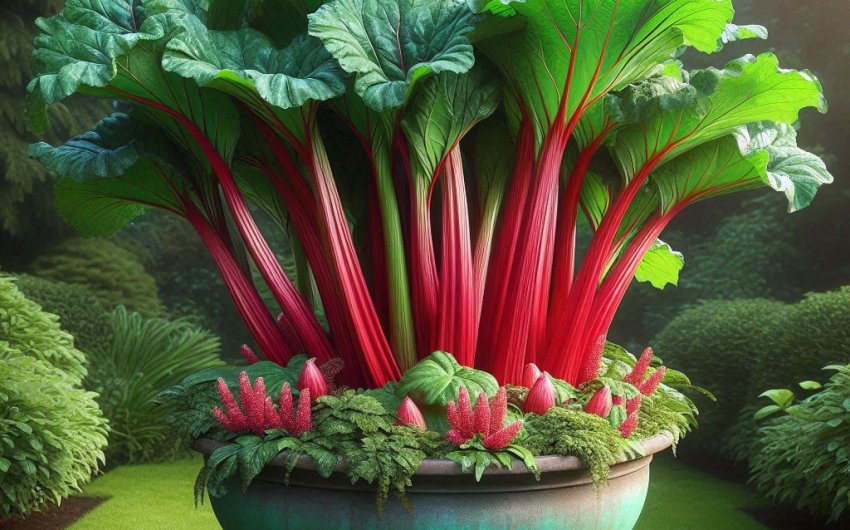
Rhubarb is a beautiful, perennial plant prized for its vibrant red stalks and tart flavor. Though traditionally grown in garden beds, container gardening is becoming a popular option for people who have limited space. Fortunately, rhubarb grows well in large containers, making it accessible to those with patios, balconies, or small urban spaces. This guide will take you through everything you need to know to successfully grow rhubarb in a container, from selecting the right container and soil to caring for your plant through the seasons. Let’s dig in!
Why Grow Rhubarb in Containers?
Growing rhubarb in containers has many benefits. Containers allow you to control the soil quality and position the plant in ideal sunlight without being limited by your backyard soil conditions. With container-grown rhubarb, you can also move the plant to protect it from harsh weather. Moreover, rhubarb can be a beautiful addition to a patio or balcony, with its lush green leaves and red stalks adding visual appeal.
Choosing the Right Container for Rhubarb
To grow healthy rhubarb, you’ll need a container that meets the plant's needs. Here’s what to look for:
Container Size
Rhubarb is a large plant that requires a spacious container to develop its extensive root system. For best results, choose a container that is at least 18 inches deep and 24 inches in diameter. This will give the roots ample room to grow and help the plant remain healthy for several years. While larger containers are more challenging to move, they’re essential for rhubarb’s growth.
Pro Tip: Opt for a sturdy container made from materials like ceramic or wood. They’re more durable and retain moisture better than lightweight plastic options.
Drainage
Good drainage is vital for rhubarb. Stagnant water can lead to root rot, which can kill the plant. Ensure your container has drainage holes at the bottom. If your chosen container doesn’t have holes, drill a few before planting. Placing a layer of gravel at the bottom can also help improve drainage.
Container Placement
Rhubarb grows best in partial to full sunlight, so place the container in a sunny spot, ideally where it will receive at least six hours of sunlight daily. If you’re in a hotter climate, some afternoon shade can prevent the plant from getting scorched.
Preparing Soil for Container Rhubarb
The right soil mix will provide essential nutrients and drainage for rhubarb to thrive. Rhubarb prefers rich, well-draining soil with a slightly acidic pH (around 6.0 to 6.8).
Best Soil Mix
To create an ideal mix for rhubarb, combine:
- Two parts high-quality potting soil: Look for a potting mix specifically designed for vegetables, as these are nutrient-rich and well-aerated.
- One part compost: Compost is essential for rhubarb, adding organic matter and nutrients. You can use store-bought compost or make your own.
- One part sand or perlite: Sand or perlite improves drainage, which is crucial for container gardening.
Adding a slow-release fertilizer before planting can also give the rhubarb a boost. Choose an organic, balanced fertilizer to prevent over-fertilizing, which can damage young roots.
Refreshing Soil Each Year
To keep your rhubarb healthy, refresh the top few inches of soil each spring. Remove the old soil layer and add a fresh layer of compost to replenish nutrients.
Planting Rhubarb in Containers
Once you’ve chosen a container and prepared the soil, it’s time to plant! Rhubarb can be planted from seeds, crowns, or divisions. Here’s a quick guide on each option.
Starting from Crowns or Divisions
Rhubarb is often planted from crowns (a portion of the root with buds) or divisions (a part of an established plant). These methods are the easiest and produce results more quickly than seeds.
- Fill the container with soil, leaving about an inch of space from the top.
- Place the crown or division about an inch below the surface, ensuring the buds face up.
- Cover with soil and water thoroughly.
Starting from Seeds
Growing rhubarb from seeds requires patience, as it takes longer to mature. However, starting from seed is a rewarding process:
- Soak the seeds overnight to encourage germination.
- Plant the seeds about half an inch deep in the soil.
- Water lightly and keep the soil moist until the seeds sprout, which typically takes around two weeks.
Seed-grown rhubarb plants usually take two to three years before they can be harvested, so this method requires commitment.
Watering and Feeding Rhubarb in Containers
Rhubarb loves moisture but is prone to root rot if it stays too wet. Proper watering and fertilizing will help keep your plant thriving.
Watering Schedule
Rhubarb in containers should be watered regularly to maintain evenly moist soil. Here are some tips for watering:
- Water deeply once or twice a week. Stick your finger into the soil to check if it’s dry about an inch below the surface; if so, it’s time to water.
- During hot weather, the soil may dry out faster, requiring more frequent watering.
- Avoid wetting the foliage to prevent fungal diseases. Direct the water towards the base of the plant.
Fertilizing Rhubarb
Container-grown rhubarb benefits from regular feeding:
- Early Spring: Apply a balanced, slow-release fertilizer around the base of the plant to give it a nutrient boost as it begins to grow.
- Mid-Season: Add a dose of liquid fertilizer or compost tea to maintain vigor.
- Avoid over-fertilizing, as too much nitrogen can lead to excessive leafy growth at the expense of stalk development.
Managing Rhubarb Pests and Diseases in Containers
While rhubarb is relatively pest-resistant, container plants are still susceptible to a few common issues. Regular monitoring will help keep your plant healthy.
Common Pests
Aphids: These tiny insects can cluster on the leaves and suck the sap from the plant. They’re often visible as green or black spots.
- Solution: Spray the leaves with a mild soapy water solution, or introduce ladybugs as a natural predator.
Slugs and Snails: These pests love rhubarb leaves and can leave holes in the foliage.
- Solution: Set up a physical barrier or use slug traps to reduce their presence.
Diseases
Crown Rot: Rhubarb can suffer from crown rot, a fungal disease that typically occurs due to overwatering or poor drainage.
- Solution: Ensure good drainage and avoid overwatering. If you see mushy areas near the base, remove any affected parts and improve your watering routine.
Leaf Spot: Fungal leaf spots appear as brown or black spots on the leaves, often due to excess moisture.
- Solution: Remove affected leaves and avoid wetting the foliage when watering.
Harvesting Rhubarb in Containers
Patience is key with rhubarb. In its first year, avoid harvesting stalks to allow the plant to establish. By the second year, you can begin harvesting, but be selective, taking only a few stalks at a time.
How to Harvest
- Select stalks that are at least 12 inches long. Avoid harvesting stalks that are shorter, as these are still maturing.
- Hold a stalk near the base and pull gently with a twisting motion.
- After harvesting, discard the leaves, as they contain oxalic acid and are toxic if ingested.
Pro Tip: Don’t harvest more than a third of the stalks at once to prevent stressing the plant. The more mature the plant, the more it can handle larger harvests.
Seasonal Care for Container Rhubarb
Rhubarb is a perennial plant, meaning it will return year after year if cared for properly. However, some additional care is necessary as the seasons change.
Winter Care
In colder climates, rhubarb needs protection from harsh winter conditions. Move the container to a sheltered area or cover the soil with a thick layer of mulch to insulate the roots. Some gardeners also wrap containers with burlap or bubble wrap to further shield the plant from the cold.
Spring Maintenance
Spring is the ideal time to refresh the top layer of soil and add compost. This is also when you should check for any signs of disease or pest damage from the winter. Once the weather warms, you’ll see new growth emerging, signaling that it’s time to start fertilizing and watering regularly.
Dividing and Repotting Rhubarb
Over time, your rhubarb plant may outgrow its container. Dividing the plant can help manage its size and rejuvenate growth.
- Every 3-4 years, gently lift the plant from the container.
- Use a sharp knife or spade to divide the root ball into smaller sections, each containing at least one healthy bud.
- Repot the divisions in fresh soil, either in the same container (if you’ve trimmed back the roots) or separate containers.
Moving Rhubarb Indoors
If you live in a region with severe winters, consider moving the rhubarb indoors during the coldest months. Place the container in a cool, bright spot. While it may not grow much indoors, keeping it protected can prevent winter damage and encourage a stronger start in spring.
Extending the Growing Season for Rhubarb in Containers
Container-grown rhubarb offers the unique benefit of flexibility. By moving the container, you can extend the growing season or even encourage an earlier harvest. Here’s how:
- Early Spring: Move the container to a sunny, protected spot to warm the soil and stimulate early growth.
- Late Fall: If you’re experiencing a mild fall, move the container to a sunny spot to encourage a few more weeks of growth before the plant naturally dies back.
This flexibility can make rhubarb in containers more productive and allow for creative placement throughout the year.
Decorative and Culinary Benefits of Growing Rhubarb in Containers
Not only is rhubarb easy to grow in containers, but it also serves as an attractive feature plant with its large leaves and colorful stalks. Its architectural foliage adds texture and interest to patios and balconies.
Additionally, the culinary uses of rhubarb are endless. From classic rhubarb pie to tangy jams and sauces, this versatile plant can enhance both sweet and savory dishes. Freshly harvested rhubarb stalks can be stored in the refrigerator for up to a week or frozen for later use.
By following these steps, you’ll be well on your way to growing healthy, productive rhubarb in containers. Happy gardening!