
How to Create a Garden Layout for Maximum Yield?
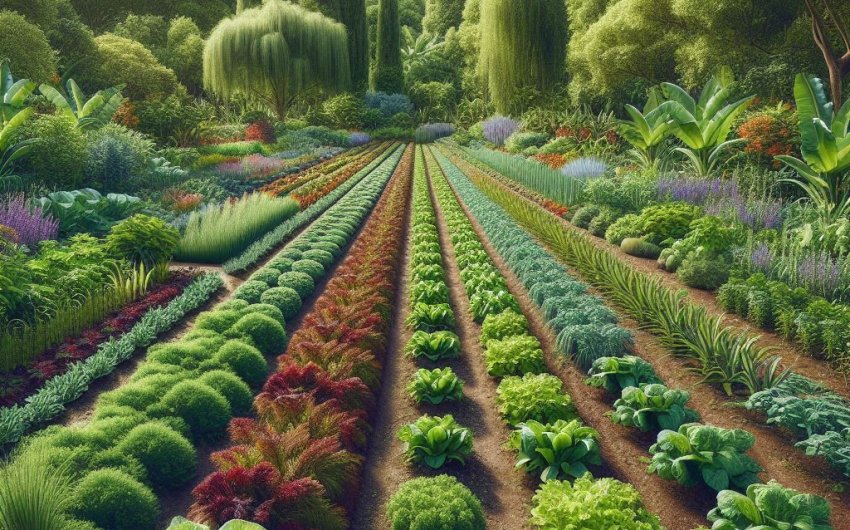
Creating a garden that maximizes yield is about making smart decisions from the ground up. Whether you’re an experienced gardener or just starting out, a well-designed garden layout can make a huge difference in how much produce you can grow in a given space. Using strategies like companion planting, vertical gardening, and optimizing plant spacing, you can create a garden that thrives while producing a bountiful harvest.
Let’s dive into everything you need to know about planning your garden layout for maximum yield.
1. Start with a Garden Plan
Before you dig into the soil, it’s essential to start with a garden plan. This blueprint will guide where each plant should go, ensuring you’re making the most of your space. A well-thought-out plan can also help prevent issues like overcrowding, poor sunlight exposure, and inefficient watering.
Steps to Create a Garden Plan
- Measure your garden space: Get the dimensions of your garden bed or plot.
- Identify sunlight exposure: Notice which areas get full sun and which are shaded.
- Choose high-yield crops: Include vegetables and herbs known for high productivity, such as tomatoes, beans, and lettuce.
- Draw your layout: Sketch the layout to scale, marking where each plant will go.
Using a garden planning book can make the planning process smoother and help you keep track of your garden goals.
2. Use Raised Garden Beds
Raised garden beds are an effective way to maximize yield. These garden beds improve soil drainage, increase soil warmth, and make it easier to manage plants. The best part? You can control the soil quality, which directly impacts plant growth and productivity.
Benefits of Raised Garden Beds
- Enhanced drainage: Prevents waterlogging, a common issue in traditional garden plots.
- Reduced compaction: Soil remains loose, allowing roots to grow more freely.
- Improved access: Less bending, making gardening more enjoyable.
For a productive garden, consider installing raised garden beds to boost plant growth and yield.
3. Opt for Companion Planting
Companion planting is a gardening method that involves placing plants close together to help them grow better and ward off pests. Some plants provide natural pest control, while others enhance the flavor or yield of neighboring plants.
Best Companion Plants
- Tomatoes and Basil: Planting basil near tomatoes can enhance flavor and deter pests.
- Carrots and Onions: Onions repel pests that attack carrots.
- Cabbage and Dill: Dill attracts insects that protect cabbage from caterpillars.
A companion planting guide can help you understand which plants work well together to maximize yield and reduce pest problems.
4. Embrace Vertical Gardening
If space is limited, vertical gardening is an excellent way to increase the number of plants in your garden. This technique involves growing plants upwards using structures like trellises, cages, and arbors.
Benefits of Vertical Gardening
- Saves space: Allows you to grow more plants in a small area.
- Better air circulation: Reduces the risk of diseases caused by poor airflow.
- Easier harvesting: Picking produce is simpler when it’s at eye level.
Some plants that do well with vertical gardening include cucumbers, peas, and pole beans. Adding a sturdy garden trellis can help support climbing plants and increase your garden’s productivity.
5. Plan for Succession Planting
Succession planting is a technique where you plant new crops in the same area after harvesting earlier crops. This keeps your garden productive throughout the growing season, allowing you to get multiple harvests from the same plot.
Succession Planting Ideas
- Lettuce and Carrots: Start with lettuce in early spring. After harvest, plant carrots in the same spot.
- Spinach and Radishes: Plant spinach in early spring, then follow with radishes once it’s harvested.
- Bush Beans and Beets: Plant bush beans and, once they’re done, plant beets in their place.
A succession planting calendar can help you plan when to sow, grow, and harvest each crop to ensure continuous production.
6. Utilize Square Foot Gardening
Square foot gardening is a method that divides a garden bed into square sections. Each section is dedicated to a specific plant, which maximizes space and keeps plants organized.
How to Use Square Foot Gardening
- Divide your garden bed into one-foot squares.
- Plant a certain number of plants per square based on spacing needs. For example, one tomato plant per square, or four lettuce plants.
- Rotate crops in each square to maintain soil health.
Using a square foot gardening grid can make it easier to plant crops accurately and maximize your growing area.
7. Space Plants Properly
Proper plant spacing is essential for maximizing yield. When plants are too close together, they compete for nutrients, sunlight, and water, leading to smaller yields. If they’re spaced too far apart, you waste valuable garden space.
General Spacing Guidelines
- Tomatoes: Space about 18-24 inches apart.
- Carrots: Sow seeds 1-2 inches apart.
- Lettuce: Space about 10-12 inches apart.
Following a plant spacing guide can help ensure you’re optimizing each plant’s growth potential.
8. Use Mulch to Retain Moisture
Mulching your garden is a simple step that can greatly benefit your plants. Mulch helps retain moisture, keeps the soil cool, suppresses weeds, and adds nutrients as it decomposes.
Types of Mulch for Maximum Yield
- Straw: Lightweight and easy to spread, great for vegetable gardens.
- Wood chips: Lasts longer but is best for pathways.
- Grass clippings: Excellent for retaining moisture and adding nutrients.
Investing in organic mulch can protect your plants and improve soil health, helping your garden reach its full yield potential.
9. Incorporate Crop Rotation
Crop rotation involves changing the location of crops each year. This prevents soil depletion and reduces the risk of diseases. Each type of crop has unique nutrient needs, so rotating helps maintain balanced soil.
Crop Rotation Examples
- Nightshades (tomatoes, peppers) → Legumes (beans, peas)
- Root crops (carrots, beets) → Leafy greens (lettuce, spinach)
- Brassicas (broccoli, cabbage) → Alliums (garlic, onions)
Using a crop rotation planner can simplify the process and ensure healthy, nutrient-rich soil each growing season.
10. Add Raised Paths Between Beds
Adding paths between your garden beds helps prevent soil compaction. When you walk on compacted soil, it makes it harder for plants to grow because the soil loses its structure and aeration. Paths also allow easy access to your crops for watering, harvesting, and weeding.
Path Ideas
- Gravel: Good drainage and low maintenance.
- Mulched paths: Affordable and blends well with gardens.
- Pavers: Easy to walk on and very durable.
Installing garden path stones between your beds can enhance accessibility and keep your garden looking neat.
11. Use Drip Irrigation for Efficient Watering
A drip irrigation system is a water-saving solution that delivers moisture directly to plant roots. This method is ideal for maximizing yield as it conserves water, minimizes evaporation, and helps prevent disease by keeping foliage dry.
Drip Irrigation Benefits
- Water efficiency: Delivers water only where it’s needed.
- Consistent moisture: Prevents stress from underwatering or overwatering.
- Ease of use: Set timers for hands-free watering.
Consider a drip irrigation kit to provide your plants with steady, controlled hydration.
12. Add Fertilizer Regularly
Plants need nutrients to thrive, and using fertilizer ensures they have what they need to produce a good yield. Organic fertilizers are ideal for enriching soil without chemicals, while synthetic options can offer a quick nutrient boost.
Best Fertilizers for High-Yield Gardens
- Compost: Improves soil structure and adds a broad range of nutrients.
- Manure: Rich in nitrogen and beneficial for leafy plants.
- Fish emulsion: Adds quick nitrogen for green, vigorous growth.
Investing in organic fertilizer can provide your garden with the nutrients it needs for maximum productivity.
13. Plant in Blocks Rather than Rows
Planting in blocks rather than traditional rows can maximize space and increase yield. Block planting groups similar plants together in a square or rectangle, using every bit of soil. This method is especially useful in small gardens where space is limited.
Advantages of Block Planting
- Maximizes space: Every inch is used, reducing empty spaces.
- Easier watering: Irrigate all plants in a block with less water waste.
- Better weed control: Denser plantings help suppress weeds.
Consider arranging your plants in blocks for efficient space usage and easier maintenance.
14. Harvest Regularly to Encourage Growth
Frequent harvesting encourages many plants to continue producing. This is especially true for crops like beans, lettuce, and cucumbers. By regularly picking mature vegetables, you signal the plant to produce more, which ultimately increases your yield.
Tips for Regular Harvesting
- Cut instead of pulling: For leafy greens, cutting promotes regrowth.
- Pick early and often: For fast-growing plants like zucchini.
- Harvest in the morning: Vegetables tend to be crisper and fresher.
Using a garden harvesting knife makes it easier to gather produce without damaging the plant.
15. Choose High-Yield Varieties
Some plant varieties are specifically bred for high productivity. When choosing seeds, look for high-yield varieties to ensure you’re maximizing the potential of your garden layout. These varieties tend to be more resilient and produce larger harvests.
Popular High-Yield Varieties
- Roma Tomatoes: Known for their large clusters and rich flavor.
- Bush Beans: Great for limited space and continual harvest.
- Swiss Chard: Fast-growing and easy to harvest repeatedly.
Selecting high-yield seeds can make all the difference in getting the most out of your garden.
By integrating these techniques into your garden layout, you can transform your garden into a highly productive space that yields a healthy and abundant harvest. With thoughtful planning and consistent care, your garden will thrive throughout the season, providing you with fresh produce and a rewarding gardening experience.