
Best Plants for a Low-Light Garden
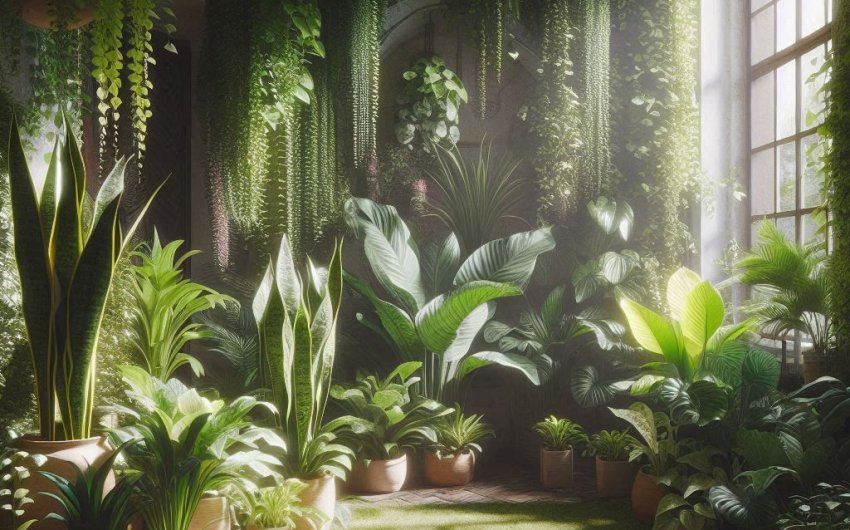
Creating a lush, thriving garden in low-light conditions may seem challenging, but it’s far from impossible. In fact, plenty of beautiful and resilient plants thrive in shaded spaces, making them perfect for low-light gardens. These plants bring texture, color, and vitality to even the dimmest corners of your home or yard, allowing you to create an eye-catching, tranquil oasis.
Let’s dive into the best plants for low-light conditions, their benefits, and tips for keeping your shade garden healthy and beautiful.
1. Snake Plant
Snake plants, also known as Mother-in-Law’s Tongue, are one of the hardiest options for low-light gardens. These plants have thick, upright leaves that come in various shades of green, often with striking patterns. Known for their air-purifying properties, snake plants can survive in both indoor and outdoor low-light environments and require minimal care.
How to Care for Snake Plants
Snake plants are drought-tolerant, so they don’t need frequent watering. Water them once the top inch of soil is dry, and avoid overwatering. They’re a low-maintenance option, ideal for busy gardeners or those new to indoor gardening.
Adding a snake plant to your low-light garden will bring structure and improve air quality.
2. Pothos
Pothos is an easy-to-grow plant with beautiful trailing vines that make it perfect for low-light areas. With heart-shaped leaves in shades of green and sometimes variegated with white or yellow, pothos adds elegance to indoor spaces and shaded outdoor areas. This plant grows quickly and is highly resilient, making it ideal for beginners.
Caring for Pothos
Pothos doesn’t need direct sunlight and prefers moist, well-draining soil. It’s a low-water plant, meaning it can tolerate occasional neglect, which is helpful if you’re a forgetful gardener. Regular pruning encourages fuller growth and keeps the plant healthy.
For a versatile and visually appealing addition, consider planting a pothos vine in your low-light garden.
3. Peace Lily
The peace lily is another popular choice for low-light environments. This plant’s dark green leaves and stunning white blooms bring brightness to shaded areas. Known for its air-purifying abilities, the peace lily is perfect for indoor spaces with limited natural light.
Peace Lily Care Tips
Peace lilies prefer moist soil, so keep the soil consistently damp but avoid overwatering. They’re very sensitive to underwatering, and their leaves may wilt if they’re too dry. Place them in a shaded area to keep them happy and thriving.
Bring a touch of elegance to your low-light garden with a peace lily.
4. ZZ Plant
The ZZ plant, or Zamioculcas zamiifolia, is loved for its glossy, dark green leaves that can withstand low light and infrequent watering. This plant is nearly indestructible, thriving in neglectful conditions and surviving in areas where other plants struggle. It’s perfect for rooms with limited light or shaded garden corners.
How to Care for ZZ Plants
ZZ plants prefer well-draining soil and don’t need much water. They’re highly drought-tolerant, so let the soil dry out completely between waterings. These plants are resilient to most pests, making them an easy choice for any garden.
A ZZ plant brings a modern touch and is ideal for low-light conditions.
5. Ferns
Ferns are classic shade-loving plants that add lush greenery to low-light spaces. With their delicate, feathery fronds, they bring texture and softness to both indoor and outdoor shade gardens. Popular fern varieties for low-light include the Boston fern, maidenhair fern, and asparagus fern.
Fern Care Tips
Ferns thrive in consistently moist soil and humid conditions. If grown indoors, place a tray of water nearby to increase humidity. These plants don’t like direct sunlight, which can scorch their delicate fronds, so keep them in shaded areas.
For an elegant touch in a low-light garden, try adding a Boston fern.
6. Cast Iron Plant
True to its name, the cast iron plant is nearly indestructible and thrives in low-light conditions. With dark green, lance-shaped leaves, it adds structure and depth to any shady garden space. This hardy plant can survive in areas with little light, low humidity, and infrequent watering.
Caring for Cast Iron Plants
The cast iron plant requires little maintenance. It prefers well-draining soil and can tolerate dry conditions. Water sparingly, allowing the soil to dry out slightly between waterings.
Add a cast iron plant to your low-light garden for a low-maintenance, lush look.
7. Spider Plant
Spider plants are easy to grow and make a great addition to a low-light garden. With long, arching leaves and small plantlets that dangle like spiders on a web, these plants are perfect for hanging baskets or indoor pots. They’re also great for air purification, making them a fantastic choice for indoor low-light spaces.
Spider Plant Care Tips
Spider plants prefer indirect light but can adapt to lower light levels. Keep the soil slightly moist but not soggy, and ensure the pot has good drainage. Occasionally, trim off any brown leaf tips to keep the plant looking its best.
A spider plant will add visual interest and help purify the air in low-light spaces.
8. Calathea
Calatheas, also known as prayer plants, are ideal for low-light conditions due to their striking patterned leaves. Known for their colorful foliage, including shades of green, purple, and pink, calatheas are highly decorative and add a vibrant touch to any shaded area.
Caring for Calathea
These plants prefer indirect sunlight and do well in lower-light rooms. Calatheas need high humidity and consistently moist soil, so mist them frequently and avoid letting the soil dry out. Place them away from direct sunlight to prevent leaf burn.
For a pop of color in a shaded garden, consider planting a calathea.
9. English Ivy
English ivy is a versatile, hardy plant that does well in low-light conditions. Its trailing vines and distinctive leaves make it an excellent choice for ground cover in shaded outdoor areas or for use in hanging baskets indoors. Ivy is also known for its air-purifying qualities, making it beneficial for indoor environments.
How to Care for English Ivy
English ivy prefers moist soil and benefits from occasional misting, especially indoors. It grows best in shaded or partially shaded locations and can tolerate low light but will thrive with indirect light.
Try a pot of English ivy to add a classic, elegant look to your low-light garden.
10. Chinese Evergreen
The Chinese evergreen is a durable plant that thrives in low light, making it ideal for dim indoor rooms or shaded garden spots. With leaves that come in various shades of green and silver, this plant adds a beautiful touch to low-light environments while being incredibly low-maintenance.
Chinese Evergreen Care Tips
Chinese evergreens prefer slightly moist soil and should be watered sparingly in low-light conditions. Keep the soil well-drained and avoid direct sunlight, which can scorch the leaves.
For a tropical look that tolerates shade, add a Chinese evergreen to your low-light plant collection.
11. Philodendron
Philodendrons are classic houseplants that adapt well to low-light conditions, making them a fantastic choice for shaded areas. They have attractive, heart-shaped leaves that bring a sense of calm and elegance to any space. Known for their low maintenance needs, philodendrons are great for both beginners and experienced gardeners.
How to Care for Philodendrons
Philodendrons prefer moderate watering and do well with indirect light. They can survive low light, although growth may slow. For trailing varieties, prune regularly to maintain a fuller appearance.
Consider a philodendron for lush greenery that thrives in low-light conditions.
12. Heartleaf Philodendron
The heartleaf philodendron is a popular low-light plant with trailing vines and glossy, heart-shaped leaves. This variety is incredibly easy to care for and can adapt to various lighting conditions, making it a perfect choice for dark corners or low-light rooms.
Care Tips for Heartleaf Philodendron
This plant prefers slightly moist soil and indirect light. It can tolerate low light, though it may not grow as fast. Water it when the top inch of soil feels dry, and occasionally mist it to boost humidity.
Enhance your low-light garden with a heartleaf philodendron for a touch of greenery.
13. Hosta
Hostas are a classic choice for outdoor shaded gardens, known for their large, lush leaves and ability to tolerate low light. They come in various colors and patterns, from deep greens to vibrant yellows and blues, adding texture and interest to any shade garden.
How to Care for Hostas
Hostas prefer moist, well-draining soil and benefit from regular watering, especially in dry periods. These plants do well in shaded garden areas and require minimal maintenance. Slugs can sometimes be a problem, so keep an eye out for these pests.
A hosta plant is a great way to bring variety to shaded outdoor spaces.
14. Dracaena
Dracaenas are resilient plants that thrive in low to medium light, making them ideal for rooms with limited sunlight or dim garden areas. With long, arching leaves and sometimes variegated colors, dracaenas bring a tropical look to indoor low-light spaces.
Dracaena Care Tips
Dracaenas prefer slightly dry soil, so avoid overwatering. Place them in an area with indirect light and ensure the soil has good drainage. These plants are relatively low-maintenance and tolerate a variety of conditions.
For a touch of tropical charm in your low-light garden, consider a dracaena.
15. Monstera Adansonii
The Monstera Adansonii, or Swiss Cheese Vine, is perfect for low-light spaces, known for its distinctive leaves with natural holes. This vining plant grows well indoors and is suitable for shaded garden areas. With the right care, Monstera can bring an exotic look to your garden.
Caring for Monstera Adansonii
Monsteras prefer moderate moisture and should be watered when the top inch of soil feels dry. They can tolerate low light but will grow faster with indirect light. Mist the leaves occasionally to maintain humidity.
For a unique and trendy addition to your low-light garden, try a Monstera Adansonii.