
How to Grow Plants from Kitchen Scraps?
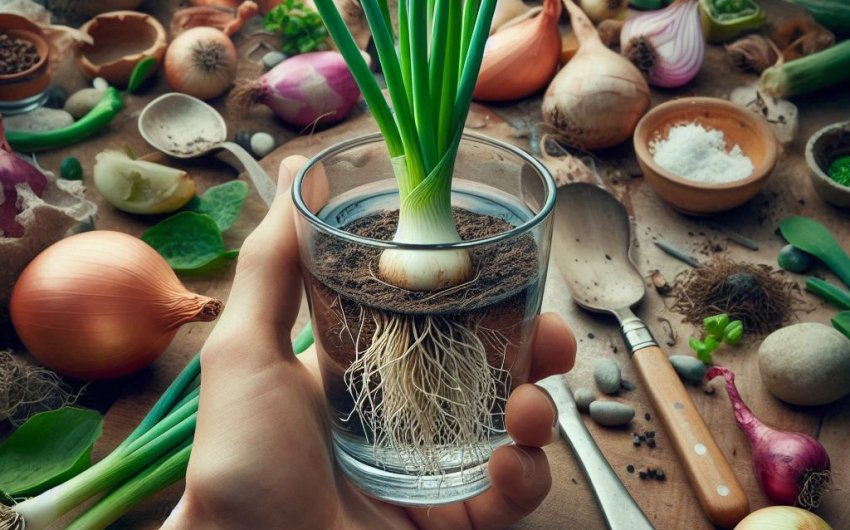
Growing plants from kitchen scraps is a fun and eco-friendly way to repurpose leftovers and create a small, thriving garden. Instead of throwing away vegetable trimmings or seeds, you can regrow many plants with minimal effort. This sustainable practice not only reduces waste but also saves money on groceries, offering a rewarding gardening experience right from your kitchen.
From lettuce to avocado, there are plenty of kitchen scraps that can be turned into vibrant plants with just a little attention. Here’s how to get started with some of the best plants to grow from kitchen scraps.
1. Green Onions
One of the easiest plants to grow from kitchen scraps is green onions. These flavorful vegetables can be regrown in just a few days, making them a great starting point for beginners. Green onions are also quick to harvest, adding fresh flavor to your meals.
How to Grow Green Onions
- Take the white roots of the green onion and place them in a glass with enough water to cover the roots.
- Place the glass in a sunny spot, like a windowsill.
- Change the water every two days to keep it fresh.
Within a few days, new shoots will start to appear. When they reach a few inches in height, your green onions are ready to use! To start, you can get green onion seeds if you want to grow them from scratch.
2. Lettuce
Lettuce is another easy plant to regrow from scraps. You can regrow it using the leftover base of the lettuce head. With just a bit of water, the base will start sprouting new leaves that you can harvest in a few weeks.
How to Grow Lettuce
- Take the lettuce stump and place it in a shallow dish with about half an inch of water.
- Set the dish in a sunny location.
- Refresh the water every two days to prevent mold or bacteria.
After a week, new leaves will begin to grow from the center. For a longer-term supply, transplant the stump into soil once the roots have developed. To grow lettuce from seeds, try some lettuce seeds for a full garden bed.
3. Celery
Celery is another vegetable that can be regrown from its base. It’s a great choice for salads and soups, and having it fresh in your garden is very convenient. With patience and care, you can grow a whole new celery plant from a simple stalk.
How to Grow Celery
- Cut the base of the celery stalk and place it in a shallow bowl with a small amount of water.
- Position the bowl in a sunny spot, such as a windowsill.
- Change the water every two days to keep it fresh.
After about a week, you’ll see new growth in the center. Once the roots are established, transplant it into soil. Adding celery seeds to your garden can also give you a steady supply.
4. Carrot Tops
Although you can’t grow an entire carrot from a top, you can use carrot tops to grow fresh greens that are great for garnishes or salads. Carrot greens have a mild, slightly bitter taste that can add a unique flavor to various dishes.
How to Grow Carrot Tops
- Cut off the top inch of a carrot, keeping the leafy greens attached if possible.
- Place the carrot tops in a shallow dish with a small amount of water.
- Set the dish in a bright spot and change the water every other day.
In a few days, green shoots will start to grow. These can be harvested regularly for fresh garnishes. If you’d like to grow carrots from the ground up, you can start with some carrot seeds.
5. Potatoes
Growing potatoes from kitchen scraps is easy and rewarding. All you need are a few potato eyes (the small buds that start to sprout on the potato skin) to get started. Potatoes can be grown indoors in containers or outdoors in garden beds.
How to Grow Potatoes
- Cut a potato into sections, making sure each piece has at least one eye.
- Let the pieces dry for a day to reduce the risk of rotting.
- Plant the potato sections in soil, about 4 inches deep and 12 inches apart.
After a few weeks, green shoots will emerge, and you’ll have new potatoes in just a few months. If you’re interested in different types of potatoes, try planting potato seeds for a variety of flavors and colors.
6. Ginger
Ginger is a flavorful root that can be easily grown from a leftover piece. This tropical plant grows well indoors, especially if it has access to indirect sunlight. Fresh ginger has many culinary uses and medicinal benefits, making it a wonderful addition to any home garden.
How to Grow Ginger
- Take a ginger root with visible buds or “eyes” and soak it in water overnight.
- Plant it in a pot with the buds facing up, about an inch below the soil surface.
- Place the pot in a warm, shaded area, and keep the soil moist but not waterlogged.
With time, new shoots will grow, and you can harvest fresh ginger after a few months. Consider planting ginger root for a continuous supply in your garden.
7. Garlic
Growing garlic from leftover cloves is simple and rewarding. Garlic is a flavorful addition to many recipes, and freshly grown garlic often has a milder, more vibrant taste. You can also enjoy garlic greens, which add a delicious flavor to salads and stir-fries.
How to Grow Garlic
- Take a garlic clove and plant it in soil with the pointed end facing up.
- Cover it with an inch of soil and water lightly.
- Place the pot in a sunny spot and keep the soil moist.
Garlic will sprout in a few weeks, and you can use the greens as they grow. If you’d like to start from scratch, try planting garlic bulbs for a larger garlic harvest.
8. Avocado
Avocado pits can be grown into attractive indoor plants, though it may take some patience to produce fruit. Even without fruit, avocado plants have beautiful foliage and make lovely houseplants.
How to Grow Avocado from a Pit
- Remove the avocado pit and wash it thoroughly.
- Insert three toothpicks around the middle of the pit and suspend it over a glass of water, with the bottom half submerged.
- Place it in a warm, sunny spot, and change the water weekly.
Roots and a stem will start to emerge in about six weeks. Once the stem reaches several inches, transplant the pit into soil. If you want to explore growing avocados outdoors, consider planting avocado trees.
9. Pineapple
Growing a pineapple plant from its crown is a long but rewarding process. While it takes several years for a pineapple to produce fruit, the plant itself has attractive, spiky leaves and makes a fun addition to any indoor or outdoor garden.
How to Grow Pineapple from a Crown
- Twist or cut off the crown of the pineapple and remove the lower leaves.
- Allow the crown to dry for a few days to prevent rotting.
- Place the crown in water until roots form, then transfer it to soil.
Pineapples grow best in warm, sunny environments. If you’re in a colder climate, keep the plant indoors during the winter months. For quicker results, you could also consider purchasing a young pineapple plant.
10. Leeks
Leeks are similar to green onions and can be easily regrown from their roots. Fresh leeks have a mild onion flavor, making them great for soups, salads, and stir-fries. Plus, they’re easy to grow indoors or outdoors.
How to Grow Leeks
- Save the root base of the leek and place it in a shallow container with water.
- Set it in a bright spot and change the water every few days.
- In about a week, new shoots will start to grow.
Once the leeks are a few inches tall, you can transplant them into soil for continuous growth. You can also start with leek seeds if you want a larger crop.
11. Basil
Fresh basil is a wonderful addition to any kitchen, adding flavor to dishes and acting as a beautiful, fragrant plant. Basil can be easily propagated from cuttings, giving you an endless supply for your cooking needs.
How to Grow Basil from Cuttings
- Take a basil cutting with a few leaves and place it in a glass of water.
- Set it in a bright spot, like a windowsill, and change the water every few days.
- After a week, roots will begin to grow from the stem.
Once the roots are a few inches long, plant the basil in soil and continue to care for it. Starting from basil seeds is also a great option if you want to grow a variety of herbs.
12. Cilantro
Cilantro is another herb that can be regrown from scraps, though it requires a bit more care than basil. This herb is known for its unique flavor, and freshly grown cilantro is especially aromatic.
How to Grow Cilantro from Cuttings
- Place cilantro cuttings in a glass of water and set them in a sunny area.
- Change the water every other day.
- Once roots begin to grow, transfer the cuttings into soil.
Cilantro thrives in cooler weather, so it’s best grown indoors in a sunny location or outside in the spring and fall. For a more extensive garden, try growing cilantro seeds.
13. Fennel
Fennel is a versatile plant with edible seeds, leaves, and bulbs. You can regrow fennel from its base and enjoy its delicate, anise-like flavor in a variety of dishes.
How to Grow Fennel from the Base
- Place the base of the fennel bulb in a shallow dish with water.
- Keep it in a sunny spot, changing the water every few days.
- In about a week, you’ll see new green growth from the center.
Once the roots develop, plant the fennel in soil and continue to water regularly. If you want a larger crop, consider using fennel seeds for planting in your garden.
Growing plants from kitchen scraps is a fun, budget-friendly, and eco-conscious way to enjoy gardening. With just a bit of patience, you can turn your kitchen waste into a thriving mini garden, providing you with fresh herbs, vegetables, and even decorative plants all year round.