
How to Choose the Right Soil for Container Gardening?
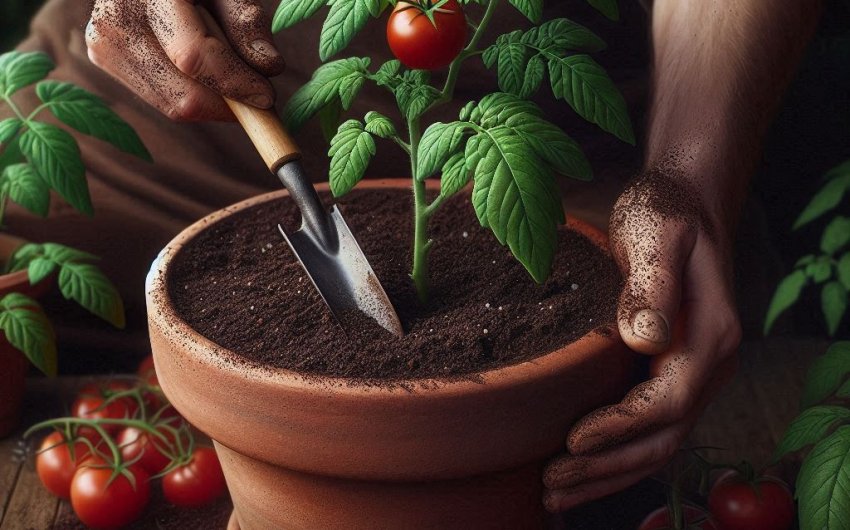
Choosing the right soil is one of the most crucial steps to ensuring successful container gardening. Unlike plants grown directly in the ground, container plants rely entirely on the soil you provide for nutrients, water retention, and drainage. Selecting the right potting mix can help your plants thrive, producing vibrant flowers, healthy foliage, and abundant fruits and vegetables. Understanding the basics of soil for container gardening will help you create a flourishing potted garden that’s easy to manage.
Let’s dive into how to choose the right soil for container gardening, so you can give your plants the perfect foundation.
1. Understanding Potting Mix vs. Garden Soil
It’s essential to understand the difference between potting mix and garden soil before filling up your containers. Although they may seem similar, these two types of soil serve very different purposes.
- Potting mix is specifically formulated for container gardening. It usually contains a blend of ingredients like peat moss, perlite, and coco coir that improve drainage and aeration.
- Garden soil is meant for use in flower beds or vegetable patches in the ground. It’s heavier and often too dense for container use, leading to poor drainage and root rot.
When growing plants in containers, always choose a potting mix rather than garden soil. It’s lighter, retains the right amount of moisture, and allows plant roots to breathe.
2. Choosing the Right Potting Mix for Your Plants
Not all potting mixes are created equal. Different types of plants require varying levels of nutrients, water, and drainage. Selecting the right potting mix depends on the specific needs of your plants, whether you’re growing flowers, herbs, or vegetables.
General Purpose Potting Mix
For most container plants, a general-purpose potting mix is ideal. This type of mix is designed to meet the needs of a wide range of plants, from leafy greens to flowering plants. It provides a balanced environment that supports healthy root growth and maintains adequate moisture levels.
A quality general-purpose potting mix will work well for plants like basil, petunias, and tomatoes.
Specialty Potting Mixes
Some plants, like succulents and cacti, require specific soil conditions to thrive. Specialty potting mixes are formulated for these unique needs, providing the right balance of drainage, aeration, and nutrients. Here are a few specialty mixes to consider:
- Cactus and Succulent Mix: This type of soil is gritty and fast-draining, perfect for plants that prefer drier conditions.
- Orchid Mix: Orchid mixes contain bark and other chunky materials that promote airflow around the roots, which is essential for orchid health.
- Seed Starting Mix: Lightweight and fine-textured, seed starting mix is ideal for germinating seeds, providing good drainage and preventing damping-off disease.
Consider using a succulent potting mix if you’re growing desert-loving plants, or an orchid mix for your orchid collection.
3. Look for Good Drainage
Drainage is one of the most important factors in container gardening. Poor drainage can lead to waterlogged soil, which can suffocate the roots and lead to root rot. A good potting mix should be loose and airy, allowing excess water to drain easily while still retaining enough moisture for the plant to thrive.
Ingredients that Improve Drainage
Several ingredients are commonly added to potting mixes to improve drainage and aeration:
- Perlite: A lightweight volcanic rock that helps soil drain and prevents compaction.
- Vermiculite: Retains moisture and nutrients, providing a good balance for plants that need moderate moisture.
- Sand: Adds weight and improves drainage, commonly used in succulent and cactus soil.
If you find your soil is too dense, adding a handful of perlite can improve its structure and prevent issues with water retention.
4. Organic Potting Mix for Edible Plants
If you’re growing edible plants like herbs, vegetables, or fruit, an organic potting mix is a fantastic choice. Organic potting soils are made without synthetic chemicals, providing a natural and nutrient-rich environment for your plants.
Benefits of Organic Potting Mix
- Nutrient-rich: Organic mixes are packed with natural materials like compost and worm castings that support healthy plant growth.
- Sustainable: Organic potting soils are often made from renewable resources.
- Safe for consumption: Without synthetic chemicals, you can safely enjoy the fruits and vegetables you grow.
Using an organic potting mix for your container garden will help ensure that your plants are safe and healthy.
5. Balancing Moisture Retention
One of the challenges of container gardening is keeping the right moisture balance. Containers dry out more quickly than in-ground gardens, especially in hot or windy conditions. Choosing a soil that retains moisture is essential for plants that need consistent hydration.
Moisture-Retentive Ingredients
Certain ingredients help retain moisture without causing waterlogging:
- Coco Coir: Made from coconut husks, coco coir holds moisture well while also allowing for good drainage.
- Peat Moss: Absorbs water, keeping soil consistently moist. Be mindful that peat moss is non-renewable, so some gardeners prefer coco coir as a sustainable alternative.
- Vermiculite: Helps retain moisture and nutrients, ideal for plants that need consistent hydration.
Adding a coco coir brick to your potting mix can help create a balance between moisture retention and drainage.
6. Fertilizers in Potting Mix
While some potting mixes come pre-fertilized, others do not contain any nutrients. Plants in containers need regular feeding since they can quickly deplete the available nutrients. Look for potting mixes that include slow-release fertilizers if you want to reduce the frequency of feeding.
Types of Fertilizers in Potting Mixes
- Slow-Release Fertilizers: Gradually release nutrients over time, which is beneficial for plants that need a steady supply.
- Organic Fertilizers: Typically made from natural sources like compost or bone meal and are safe for edible plants.
- Synthetic Fertilizers: Provide immediate nutrition, though they may need more frequent application.
A slow-release fertilizer can keep your plants nourished over several months, ensuring they have what they need to thrive.
7. Avoid Using Heavy Garden Soil
Garden soil is not ideal for container gardening because it is too dense and doesn’t allow for proper air circulation. Using garden soil in containers can lead to compacted soil, which prevents roots from getting the oxygen they need. It’s best to avoid using garden soil in containers and instead use a potting mix that is specifically designed for container gardening.
If you’re in a pinch and need to use garden soil, consider mixing it with lighter materials like perlite or coco coir to improve its structure. However, sticking to a quality potting soil made for containers is the best choice for plant health.
8. Adjusting Soil pH
Different plants have specific pH requirements, and the pH level of your soil can affect nutrient absorption. Most container plants prefer a neutral to slightly acidic pH (around 6.0-7.0), but certain plants, like blueberries, thrive in more acidic soil.
Testing and Adjusting Soil pH
- Use a pH meter to check your soil’s pH level.
- For acidic soil, add sulfur or peat moss.
- For alkaline soil, add lime.
A soil pH tester can help you monitor and adjust your soil’s pH to match the needs of your plants.
9. Compost as a Nutrient Booster
Adding compost to your potting mix is an excellent way to boost nutrients naturally. Compost improves soil structure, promotes root growth, and encourages beneficial microbial activity. When added to potting soil, compost can help container plants grow stronger and healthier.
How to Use Compost in Potting Mix
Mixing 10-20% compost into your potting mix is generally a good ratio. Too much compost can lead to soil that retains too much water, so avoid overdoing it.
If you don’t have access to homemade compost, try adding some quality organic compost to your container soil.
10. Using Mulch in Containers
Mulching container plants helps retain moisture and reduce evaporation, especially in hot weather. A layer of mulch can protect the soil surface and reduce the need for frequent watering.
Best Mulch Options for Containers
- Bark Chips: Decorative and long-lasting.
- Straw: Lightweight and effective at moisture retention.
- Pebbles: Provide an attractive finish and prevent soil erosion.
Adding a thin layer of bark mulch to your containers can help keep the soil moist and improve the appearance of your potted plants.
11. Adding Worm Castings
Worm castings are an excellent organic amendment for container gardening. They are rich in nutrients, promote root growth, and improve soil aeration. Adding a small amount of worm castings to your potting mix can enhance plant health and support strong growth.
Benefits of Worm Castings
- Nutrient-rich: Contains essential nutrients for plant growth.
- Improves soil structure: Loosens the soil, making it easier for roots to expand.
- Boosts microbial activity: Encourages beneficial microbes that support plant health.
You can mix worm castings into your potting mix or sprinkle them on the soil surface as a natural fertilizer.
12. Choosing Peat-Free Potting Mixes
While peat moss is commonly used in potting mixes for its moisture retention properties, it’s a non-renewable resource. Many gardeners are now choosing peat-free potting mixes as a more sustainable option. Coco coir is a popular alternative to peat, providing similar benefits without harming natural ecosystems.
A peat-free potting mix can help reduce your environmental impact while providing excellent results in container gardening.
13. Sterilizing Potting Soil
To prevent diseases and pests, consider sterilizing potting soil before use. While high-quality potting mixes are generally sterile, reusing soil from previous plants can introduce pathogens. Sterilizing soil kills bacteria, fungi, and pests that could harm your plants.
How to Sterilize Potting Soil
- Spread the soil on a baking tray and bake at 180°F for 30 minutes.
- Let it cool completely before using it in containers.
If you prefer pre-sterilized options, you can find ready-to-use sterile potting soil to start with a clean base.
14. Choosing the Right Soil for Vegetables
When growing vegetables in containers, soil quality is crucial. Vegetables need a nutrient-rich, well-draining potting mix that can support fast growth and heavy yields. An organic potting mix specifically for vegetables is often the best choice, as it’s designed to meet the unique nutrient needs of food-producing plants.
A vegetable potting mix ensures your plants have access to essential nutrients and supports healthy vegetable production.
15. Seasonal Soil Maintenance
As the seasons change, your container soil needs may change too. For example, in hot summer months, adding more moisture-retentive ingredients like coco coir can help prevent the soil from drying out. In cooler months, reducing watering frequency and improving drainage can help prevent root rot.
By regularly refreshing and adjusting your potting mix, you can maintain healthy conditions for your container plants year-round.