
Tips for Managing Lawn Brown Spot Disease Naturally
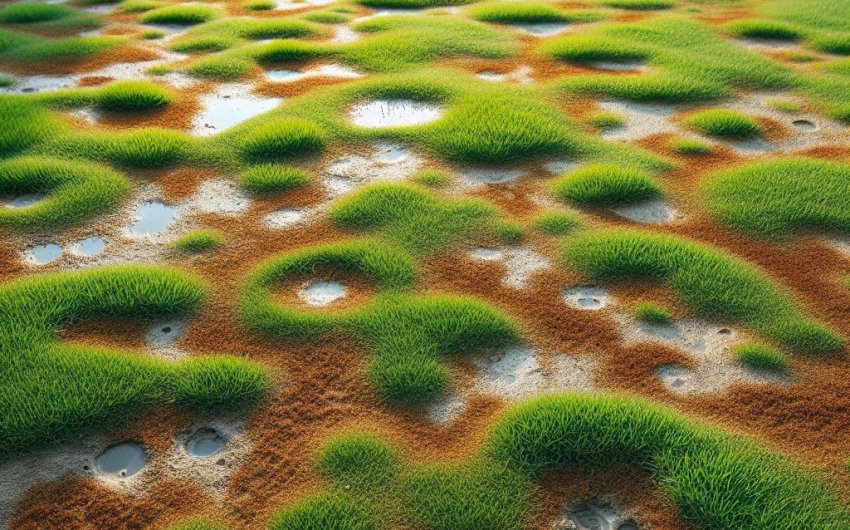
Managing lawn brown spot disease naturally focuses on modifying environmental conditions and strengthening your lawn's natural defenses rather than resorting to chemical fungicides. By adjusting watering, mowing, and fertilization practices, you can effectively prevent, control, and help your lawn recover from this common fungal issue.
What is Lawn Brown Spot Disease and Why Does It Appear?
Lawn brown spot disease is a common fungal infection primarily caused by the fungus Rhizoctonia solani. It affects most turfgrasses, especially cool-season varieties like perennial ryegrass, tall fescue, and Kentucky bluegrass, during periods of hot, humid weather.
- Symptoms:
- Circular Brown Patches: The most noticeable symptom is the appearance of circular or irregularly shaped brown patches on the lawn, ranging from a few inches to several feet in diameter.
- "Smoke Ring": In the early morning, especially when the grass is wet, you might observe a dark, purplish-gray "smoke ring" or halo around the outer edge of the patch. This is actively growing mycelial growth of the fungus. This ring usually disappears as the day dries.
- Lesions on Blades: Closer inspection of individual grass blades within the patch may reveal tan spots with dark brown margins. The entire blade may eventually rot and collapse.
- Ideal Conditions for Development: Brown spot thrives in specific environmental conditions:
- High Temperatures: Consistently above 80°F (27°C) during the day and above 65°F (18°C) at night.
- High Humidity/Moisture: Prolonged periods of leaf wetness from dew, rain, or irrigation.
- Poor Air Circulation: Dense turf or obstructions that trap humidity.
- High Nitrogen Fertility: Excess nitrogen can promote lush, succulent growth that is more susceptible to disease.
- Compact Soil/Thatch: These conditions stress the grass and create a favorable environment for fungal growth.
Understanding these triggers is key to managing lawn brown spot disease naturally.
How Do You Identify Lawn Brown Spot Disease?
Accurate identification is crucial for effective managing lawn brown spot disease naturally. It can sometimes be confused with other lawn issues like drought stress or insect damage.
1. Observe the Pattern
- Circular Patches: Look for roughly circular patches of brown, dying grass. These patches can be small (6 inches) or grow quite large (several feet).
- Irregular Shapes: While often circular, they can sometimes appear as irregular, spreading areas of blighted grass.
- Clustered Spots: You might see several smaller patches clustered together.
2. Check the Grass Blades
- Look for Lesions: Gently pull up some grass blades from the edge of a brown spot, where the dying grass meets the healthy green. Look for tan spots with reddish-brown margins on the individual blades. These lesions are a tell-tale sign of the disease.
- Rotted Base: The grass blades within the patch may appear rotted at their base.
3. Seek the "Smoke Ring" (Early Morning)
- Characteristic Halo: Get out early in the morning, before the dew dries. On the outer edge of the brown patch, you might see a dark, purplish-gray, water-soaked ring. This is the active fungal mycelium. This ring will typically disappear as the sun rises and the grass dries. Its presence strongly indicates brown spot.
4. Consider Environmental Conditions
- Timing: Is it happening during hot, humid weather (daytime temps above 80°F, night temps above 65°F)? These are prime conditions for brown spot.
- Moisture: Has there been prolonged leaf wetness (heavy dew, frequent rain, or improper irrigation)?
Distinguishing from Drought Stress:
- Drought stress usually results in uniform browning across larger areas, rather than distinct circular patches.
- Grass affected by drought will often "footprint" (stay compressed after being walked on), whereas brown spot-affected grass will not necessarily show this.
- Drought doesn't cause the specific lesions on individual blades or the "smoke ring."
If you're unsure, consult a local extension office or turf expert for a definitive diagnosis.
When Is the Best Time to Manage Lawn Brown Spot Disease Naturally?
While brown spot typically appears in summer, the best approach for managing lawn brown spot disease naturally involves year-round preventative measures and quick action when symptoms appear.
Prevention (Most Important)
- Spring/Early Summer: This is when you implement cultural practices to prepare your lawn for summer stress.
- Mowing Height: Adjust to maximum height before summer heat.
- Watering Schedule: Establish proper deep-and-infrequent watering.
- Fertilization: Avoid excessive nitrogen.
Active Management (When Symptoms Appear)
- Summer: When temperatures rise and humidity is high, you'll likely see brown spot. This is the time to:
- Adjust Watering: Shift watering to early morning.
- Improve Airflow: Address any dense growth or obstructions.
- Reduce Stress: Implement all cultural practices immediately.
Recovery (After Symptoms Subside)
- Fall: As temperatures cool and conditions become less favorable for the fungus, focus on recovery.
- Overseeding: Reseed damaged areas.
- Aeration/Dethatching: Address compaction or thatch issues.
- Balanced Fertilization: Strengthen the lawn for winter.
The key is to take proactive steps to prevent brown spot, and then to respond quickly and appropriately when conditions favor its development.
What Are Natural Methods for Preventing Lawn Brown Spot Disease?
Prevention through optimal cultural practices is the most effective way of managing lawn brown spot disease naturally. A healthy, well-maintained lawn is far more resistant.
1. Proper Watering Techniques
- Water Deeply and Infrequently: Instead of light, frequent watering, which encourages shallow roots and keeps the grass blades wet, water deeply (enough to moisten the top 6-8 inches of soil) but less often. This promotes a deep, robust root system, making the grass more resilient. Aim for 1 inch of water per week, including rainfall.
- Water in the Early Morning: This is arguably the most critical watering tip for brown spot prevention. Water between 4 AM and 10 AM. This allows the grass blades to dry off completely before nightfall. Prolonged leaf wetness, especially overnight, is a primary trigger for fungal diseases. Avoid evening or nighttime watering.
2. Mowing Practices
- Mow at the Correct Height: Always mow at the highest recommended height for your grass type (typically 2.5-3.5 inches or higher). Taller grass has a deeper root system, which helps it tolerate stress. It also provides more leaf surface for photosynthesis, making the plant stronger.
- Use Sharp Blades: Dull mower blades tear grass blades, creating ragged wounds that are more susceptible to disease entry. Sharpen your mower blades at least once per season, or more frequently if you have a large lawn.
- Avoid Mowing Wet Grass: Mowing wet grass can spread disease spores, create clumping, and lead to uneven cuts.
3. Balanced Fertilization
- Avoid Excessive Nitrogen in Summer: High nitrogen levels promote lush, tender top growth that is very susceptible to brown spot, especially during hot, humid periods.
- Soil Test: Get a soil test every few years to understand your lawn's specific nutrient needs. This prevents over-fertilization.
- Slow-Release Fertilizers: If fertilizing in late spring or summer, use a slow-release nitrogen fertilizer. Most of your nitrogen application for cool-season grasses should be in the fall and spring. A balanced Organic Lawn Fertilizer can be beneficial.
4. Improve Air Circulation and Drainage
- Aerate Your Lawn: Core aeration helps reduce compacted soil, improving air and water penetration to the root zone. This creates a healthier environment for grass and discourages disease. Do this in spring or fall, not during a brown spot outbreak. A Core Lawn Aerator can be rented.
- Dethatch if Necessary: A thick thatch layer (over 1/2 inch) can trap moisture and harbor disease. Dethatch in spring or fall if needed.
- Prune Overhanging Trees/Shrubs: If parts of your lawn are constantly shaded and lack airflow, consider pruning nearby trees or shrubs to increase light and air movement.
5. Choose Resistant Grass Varieties
- Disease-Resistant Cultivars: When overseeding or establishing a new lawn, choose grass seed varieties that are known to have good resistance to brown spot disease. This is a long-term preventative measure.
By consistently applying these natural prevention methods, you significantly reduce the likelihood of lawn brown spot disease taking hold.
What Are Natural Treatments for Existing Brown Spot?
When you notice lawn brown spot disease appearing, you can implement several natural treatments to help your lawn recover and limit further spread without resorting to harsh chemicals. These methods focus on mitigating the environmental conditions that favor the fungus.
1. Adjust Watering Immediately
- No Evening/Night Watering: This is paramount. If you've been watering in the evening, stop immediately. Water only in the early morning (4 AM to 10 AM) to ensure grass blades dry completely before nightfall.
- Reduce Frequency: If temperatures are high, but soil is moist, consider skipping a watering cycle or extending the time between waterings.
2. Improve Air Circulation Around Affected Areas
- Remove Obstructions: Clear away any debris, leaves, or equipment that might be trapping humidity over the brown spots.
- Increase Airflow: If plants, shrubs, or dense hedges are blocking airflow to the affected area, consider judicious pruning to open up the space. A Garden Pruning Shears can help.
3. Lightly Fertilize with Potassium (If Soil Test Suggests)
- Avoid Nitrogen: Do not apply nitrogen fertilizer during an active brown spot outbreak.
- Potassium Boost: If a soil test indicates a potassium deficiency, a light application of a potassium-rich fertilizer can help strengthen grass cell walls, making them more resilient to disease. A Potassium Sulfate Fertilizer might be suitable. However, this is best done as a preventative measure.
4. Apply a Compost Tea Spray
- What it Is: Compost tea is a liquid made by steeping compost in water, which extracts beneficial microorganisms and nutrients.
- How it Works: These beneficial microbes can outcompete or suppress disease-causing fungi. The nutrients also provide a gentle boost to the grass.
- Application:
- Brew Your Own: You can make compost tea at home using a Compost Tea Brewer or purchase a ready-made concentrate like Organic Compost Tea Concentrate.
- Spray: Apply the diluted compost tea directly to the affected brown spots and surrounding areas with a pump sprayer.
- Timing: Apply in the early morning or evening to avoid rapid drying.
- Frequency: Repeat weekly or bi-weekly until symptoms subside.
5. Dethatching and Aeration (After Symptoms Subside)
- Do NOT Do During Outbreak: Performing aeration or dethatching during an active brown spot outbreak can spread fungal spores and worsen the problem.
- Post-Recovery: Once the hot, humid conditions subside and the disease is no longer active, these practices can help the lawn recover and prevent future occurrences by improving soil health and airflow.
These natural treatments for existing lawn brown spot disease focus on creating an unfavorable environment for the fungus, allowing your lawn to recover naturally.
How Can You Help Your Lawn Recover from Brown Spot?
Once the conditions that favor brown spot subside (e.g., temperatures drop, humidity lessens), your lawn will begin to recover. However, you can assist the process for a faster and stronger rebound.
1. Assess Damage and Reseed
- Evaluate: After the brown patches have dried out and are no longer active, assess the extent of the damage. If the crown of the grass plant (at the soil line) is still alive, the grass will often recover on its own. If the crowns are dead, you'll have bare spots.
- Overseed: For bare or very thin areas, overseeding is essential.
- Prepare Area: Rake out dead grass and loosen the soil slightly.
- Choose Seed: Select a grass seed blend that includes disease-resistant cultivars of your existing turf type. A bag of Disease Resistant Grass Seed is ideal.
- Spread Evenly: Apply seed with a Handheld Spreader or broadcast by hand.
- Lightly Rake/Topdress: Lightly rake the seed into the top 1/8 inch of soil or apply a thin layer of compost or peat moss as topdressing to ensure good seed-to-soil contact.
- Water Consistently: Keep the seedbed consistently moist with light, frequent watering until the new grass germinates and establishes.
2. Continue Good Cultural Practices
- Reinforce: Maintain all the preventative practices you implemented: proper watering times, appropriate mowing height, and balanced fertilization. These are ongoing commitments for a healthy lawn.
3. Soil Amendments (Long-Term Health)
- Compost Topdressing: Apply a thin layer (1/4 to 1/2 inch) of screened compost over your entire lawn in fall or spring. Compost improves soil structure, introduces beneficial microbes, and enhances overall soil health, making the lawn more resilient to disease. A bag of Organic Lawn Compost is a great choice.
- Address Compaction/Thatch: If you haven't recently, consider core aeration and/or dethatching in the fall. These processes improve air circulation and drainage within the soil and thatch layer, reducing conditions favorable for fungal growth.
4. Gentle Fertilization (Fall)
- Post-Recovery Nutrition: Once the threat of brown spot has passed and new grass has established from overseeding, a fall fertilization with a balanced, slow-release fertilizer will help the lawn store energy for winter and promote strong root development for the following spring. Avoid heavy nitrogen.
By proactively managing and recovering from lawn brown spot disease naturally, you build a more robust and self-sustaining turfgrass ecosystem.
When Should You Consider Professional Help for Brown Spot?
While managing lawn brown spot disease naturally is highly effective, there are instances when consulting a professional might be beneficial.
- Widespread or Persistent Damage: If the brown spot consistently recurs despite your best natural efforts, or if it covers a significant portion of your lawn, a professional diagnosis and treatment plan might be necessary.
- Uncertain Diagnosis: If you're unsure if it's truly brown spot or another issue (like insect damage or a different fungal disease), a professional can provide an accurate identification.
- Compromised Lawn: If your lawn is severely weakened and struggling to recover, a professional may offer insights into underlying issues (e.g., soil deficiencies, drainage problems) that you might not be able to identify alone.
- Time Constraints: If you lack the time or equipment for extensive lawn care, hiring a professional can be a practical solution.
- Chemical Treatment as a Last Resort: While this guide focuses on natural methods, a professional might recommend a targeted, low-impact chemical fungicide if the situation is dire and all other natural methods have failed. Discuss this option carefully and understand the implications.
A local lawn care company specializing in integrated pest management or your university extension office can offer valuable expertise.
Preventing Brown Spot Through a Proactive Lawn Calendar
To effectively keep lawn brown spot disease at bay, integrate preventative measures into your year-round lawn care calendar.
Spring (March - May)
- Soil Test: Early spring, every 2-3 years. Helps determine nutrient needs.
- Mow High: Set mower to highest setting as grass begins active growth.
- Sharpen Blades: Ensure blades are sharp for clean cuts.
- Pre-Emergent (Optional): Apply if weeds are a problem, but be aware it can prevent new grass seed from germinating.
- Light/Balanced Fertilizer: Avoid excessive nitrogen. Use a slow-release product if needed.
- Watering: Begin deep and infrequent watering schedule; aim for early morning watering.
- Aeration/Dethatching (Optional): If needed, do in mid-spring to early summer for cool-season grasses.
Summer (June - August)
- Mowing Height: Maintain highest possible cut.
- Watering is Key: Strictly adhere to early morning, deep and infrequent watering. This is the critical period for brown spot.
- Fertilizer: Avoid high nitrogen. If fertilizing, use very light, balanced, slow-release, or organic options.
- Monitor: Watch closely for brown spot symptoms, especially during hot, humid spells. Implement natural treatments immediately if symptoms appear.
- Limit Stress: Reduce foot traffic during peak heat.
Fall (September - November)
- Brown Spot Recedes: As temperatures cool, brown spot typically subsides.
- Overseeding: Ideal time to overseed damaged or thin areas with disease-resistant varieties.
- Aeration/Dethatching: If not done in spring, now is a great time to improve soil health.
- Core Fertilization: This is the most important time for cool-season grass fertilization, applying a balanced, slow-release formula to build root strength for winter.
- Leaf Removal: Rake or mulch fallen leaves regularly to prevent smothering and moisture trapping.
Winter (December - February)
- Dormancy/Slow Growth: Most cool-season grasses are dormant or growing slowly.
- Minimize Traffic: Avoid heavy traffic on frozen grass.
- Clean Equipment: Service mower and sharpen blades, ready for spring.
By following this proactive calendar, you significantly reduce the environmental conditions that favor brown spot, making managing lawn brown spot disease naturally a seamless part of your regular lawn care.
FAQs About Managing Lawn Brown Spot Disease Naturally
Here are common questions and answers about managing lawn brown spot disease naturally.
Can I just wait for brown spot to go away on its own?
In some cases, brown spot will naturally subside as environmental conditions change (e.g., temperatures drop, humidity lessens, or a dry spell occurs). However, without intervention, the affected grass blades will die, leaving bare patches. More importantly, if the underlying favorable conditions remain, the disease will likely recur or even spread to more areas during the next hot, humid period. Proactive management ensures healthier recovery and prevents future outbreaks.
Does brown spot affect warm-season grasses?
Yes, while brown spot (caused by Rhizoctonia solani) is a major issue for cool-season grasses in summer, it also affects warm-season grasses like Zoysia and Bermuda. However, for warm-season grasses, the disease is often referred to as Large Patch and typically occurs in spring and fall when temperatures are milder but humidity is high. The natural management principles remain similar: proper watering, airflow, and balanced nutrition.
Should I rake out the brown patches?
During an active brown spot outbreak, avoid vigorously raking or disturbing the brown patches. This can spread the fungal spores to healthy areas of your lawn. Once the disease is no longer active (when cooler, drier conditions return), then you can lightly rake out the dead grass to prepare the area for overseeding and promote recovery.
Can over-fertilizing cause brown spot?
Yes, specifically over-fertilizing with nitrogen during hot, humid weather can significantly increase your lawn's susceptibility to brown spot. High nitrogen promotes lush, tender top growth that is more vulnerable to fungal attack. It's best to apply most nitrogen fertilizer to cool-season grasses in the fall and spring, avoiding heavy applications in summer.
Is there a specific type of compost that's best for brown spot?
Any high-quality, finished compost will benefit your lawn by improving soil health and introducing beneficial microbes. Look for Organic Lawn Compost. The diverse microbial population in compost helps suppress disease-causing fungi and strengthens the grass's natural defenses. Compost tea, a liquid extract of compost, provides these microbes directly to the leaf surface.
What if my lawn is always wet from poor drainage?
If poor drainage is a chronic issue, it will be very difficult to prevent brown spot (and other fungal diseases).
- Aeration: Regular core aeration is crucial for improving drainage in compacted soils.
- Topdressing: Applying sand or compost can help over time to improve soil structure and drainage.
- Address Root Cause: For severe drainage problems, you might need to consider more significant solutions like installing French drains or regrading the affected areas to ensure proper water runoff.
Addressing the drainage problem is fundamental for managing lawn brown spot disease naturally in such situations.
Can I use baking soda or neem oil to treat brown spot?
- Baking Soda: A dilute solution of baking soda (sodium bicarbonate) can sometimes be used as a mild fungicide on plants. For lawns, some gardeners try mixing 1 tablespoon of baking soda per gallon of water with a few drops of mild dish soap and spraying. Its effectiveness for brown spot is limited and more anecdotal than scientifically proven, especially for widespread infestations. It's generally safer and more effective for powdery mildew.
- Neem Oil: While Neem Oil for Lawns is an effective organic insecticide and can have some fungicidal properties, it's primarily used for pests and might not be strong enough to actively treat an existing brown spot outbreak on its own. It's better as a general health booster or very mild preventative.
For managing lawn brown spot disease naturally, focus on the cultural practices and biological solutions (like compost tea) that address the root causes and strengthen the lawn's inherent resilience. This long-term approach leads to a healthier, more robust turf that can naturally fend off disease, reducing reliance on direct "treatments."