
Identifying and Repairing Lawns Damaged by Overwatering
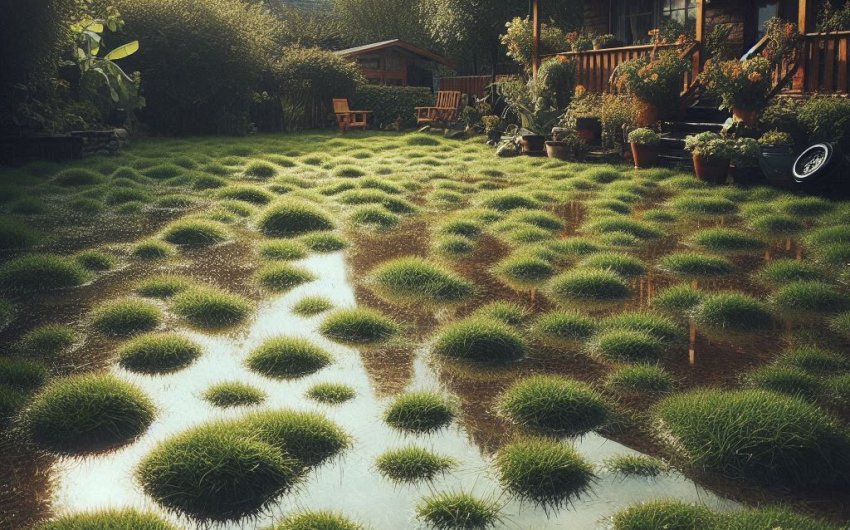
Lawns damaged by overwatering often display yellowing grass, mushy soil, and an increase in weeds, fungi, and pests. Repairing these areas involves immediately adjusting irrigation, improving soil drainage, and reseeding or patching affected spots.
How Do I Know If My Lawn is Damaged by Overwatering?
Identifying overwatering damage can sometimes be tricky because its symptoms can mimic those of underwatering or nutrient deficiencies. However, a combination of specific visual cues and soil conditions will confirm that your lawn is suffering from too much water.
Visual Signs on the Grass Blades
- Yellowing or Pale Green Color: This is one of the earliest and most common signs. Unlike the uniform brown of underwatered grass, overwatered grass often turns a dull, sickly yellow or a very pale green. This happens because roots, deprived of oxygen, can't properly absorb nutrients, especially iron and nitrogen.
- Wilting, Even When Wet: Grass blades may appear limp or wilted, even when the soil is visibly wet or soggy. This is a crucial indicator. The roots are suffocating and unable to draw up water effectively, even if it's abundant.
- Mushy or Squishy Feel: The grass might feel soft and mushy underfoot. This indicates that the soil is constantly saturated, leading to a lack of structure.
- Stunted Growth: Overall growth may slow down, and new blades might appear weak or spindly.
Soil and Environmental Clues
- Standing Water or Puddles: The most obvious sign is visible puddles of water that linger for hours after irrigation or rainfall, especially in areas that should drain well.
- Soggy or Spongy Soil: The ground feels constantly wet, spongy, or squishy, even days after watering. If you step on it, water might ooze out.
- Foul Odor: In severe cases, or areas with very poor drainage, the soil might emit a foul, sulfur-like odor. This indicates anaerobic conditions where beneficial soil microbes have died off and harmful ones are thriving.
- Increased Runoff: Water might consistently run off your lawn rather than soaking in, suggesting the soil is already saturated or compacted.
Presence of Weeds, Moss, and Fungi
Overwatering creates an ideal environment for certain unwanted guests.
- Weeds: Weeds like nutsedge, sedges, ground ivy, and moss thrive in consistently wet, poorly oxygenated soil. If these weeds are suddenly prevalent, it's a strong indicator.
- Mushrooms/Fungi: A sudden proliferation of mushrooms, toadstools, or other fungal growth on your lawn is a sure sign of excessive moisture and potentially decaying organic matter. Scotts DiseaseEx Lawn Fungicide can help with existing fungal issues.
- Algae or Slime: Patches of green, slimy algae on the soil surface also point to waterlogging.
Root Health Assessment
This is the definitive test for overwatering damage.
- Dig a Small Core: Using a trowel or spade, carefully dig up a small plug of turf (about 4-6 inches deep) from an affected area.
- Inspect Roots:
- Healthy Roots: Will be white or tan, firm, and extensive, spreading out.
- Overwatered/Rotted Roots: Will appear dark brown or black, feel mushy, soft, and easily break off. They might also smell foul.
What Causes Lawn Damage from Overwatering?
Overwatering isn't always intentional. Several factors can contribute to a lawn receiving too much water, leading to stress and damage.
Improper Irrigation Practices
This is the most direct cause of overwatering.
- Too Frequent Watering: Watering every day or every other day, even if for short durations, keeps the soil constantly saturated, depriving roots of oxygen.
- Too Long Watering Sessions: Running sprinklers for excessive periods, even if less frequent, can lead to deep saturation beyond what the grass needs, especially in soils with poor drainage.
- Wrong Time of Day: Watering in the evening or at night leaves grass wet for extended periods, increasing the risk of fungal diseases.
- Inefficient Sprinkler System:
- Poor Coverage: Some areas receive too much water while others get too little.
- Broken or Clogged Heads: A broken sprinkler head can create a localized flood zone.
- Incorrect Settings: Sprinkler timers set improperly or not adjusted for weather changes. A Rachio Smart Sprinkler Controller can help optimize watering schedules.
Poor Soil Drainage
Even with perfect watering habits, bad soil can lead to overwatering damage.
- Heavy Clay Soil: Clay particles are very small and compact easily, leaving little space for air or water movement. Water gets trapped, leading to waterlogging.
- Compacted Soil: Foot traffic, heavy machinery, or construction can compact soil, reducing pore space and impeding drainage.
- Hardpan: An impervious layer of compacted soil or rock below the surface that prevents water from percolating deeper.
- Thatch Buildup: An excessive layer of thatch (dead grass material) on top of the soil can prevent water from reaching the root zone evenly, or it can hold water at the surface, encouraging fungal growth.
Environmental Factors
Nature can sometimes conspire to overwater your lawn.
- Excessive Rainfall: Prolonged periods of heavy rain can overwhelm even well-draining soils, leading to temporary waterlogging.
- Low-Lying Areas/Poor Grading: Depressions or areas where the ground slopes towards the lawn can become collection points for water runoff from surrounding areas, leading to constant saturation.
Inappropriate Grass Type
Different grass types have varying water needs.
- Cool-Season vs. Warm-Season: Some grass types are more tolerant of wet conditions than others. Planting a grass type that prefers drier conditions in an inherently moist area can lead to overwatering stress.
- Shade Tolerance: Grass in shady areas will use less water than grass in full sun. Watering a shady spot the same amount as a sunny one can easily lead to overwatering.
What Are the Immediate Steps to Take After Identifying Overwatering Damage?
Once you've confirmed that your lawn is suffering from overwatering, immediate action is crucial to halt further damage and begin the recovery process.
Stop All Irrigation
- Turn off your sprinklers: This is the most critical first step. Do not water the affected areas (or the entire lawn if widespread) until the soil has had a chance to dry out significantly.
- Check your timer: Ensure your automatic irrigation system is turned off or adjusted to a minimal setting.
- Monitor the weather: Avoid watering if heavy rain is expected.
Improve Drainage (Short-Term)
While long-term drainage solutions may be needed, you can take immediate steps.
- Create Temporary Channels: If there's standing water or severe pooling, you can carefully dig shallow channels with a shovel to direct water away from the most saturated areas.
- Light Aeration (if soil not too mushy): If the soil is just soggy (not complete mud), carefully walking over it with aerating sandals or using a pitchfork to poke holes can help introduce some air and aid drying. Avoid this if the soil is extremely muddy, as it will cause further compaction.
Increase Air Circulation
- Mow (if possible): If the grass isn't too damaged or waterlogged, a light mowing can help increase air circulation around the grass blades, promoting evaporation. Raise your mower height to avoid further stress.
- Address Thatch: If you have a significant thatch layer, it might be contributing to water retention. Dethatching might be considered later, once the soil has dried.
Reduce Foot Traffic
- Stay Off the Lawn: Avoid walking, mowing, or driving on waterlogged areas. Foot traffic on saturated soil causes severe compaction, worsening drainage problems and damaging the stressed grass roots.
Assess the Damage and Plan for Repair
Once the soil begins to dry, take a closer look at the extent of the damage.
- Identify Dead Zones: Mark out areas where the grass is clearly dead and beyond recovery.
- Note Areas of Improvement: Observe where the grass is starting to recover. This will guide your repair strategy.
How Do I Repair a Lawn Damaged by Overwatering?
Repairing an overwatered lawn involves a combination of long-term preventative measures and targeted restoration techniques for the damaged areas.
Adjust Watering Schedule (Long-Term)
This is the most important preventative and restorative measure.
- Water Deeply and Infrequently: This is the golden rule for healthy lawns. Instead of frequent shallow watering, water long enough for moisture to penetrate 4-6 inches into the soil. Then, allow the soil to dry out almost completely before watering again. This encourages deeper, more resilient root growth.
- Check Soil Moisture: Don't just rely on a timer. Use a Soil Moisture Meter or the "screwdriver test" (push a screwdriver into the soil – if it goes in easily, it's moist; if it's hard, it's dry).
- Water in the Morning: The best time to water is early morning (between 4 AM and 9 AM). This allows the grass blades to dry before nightfall, minimizing the risk of fungal diseases.
- Calibrate Sprinklers: Ensure your sprinkler system delivers water evenly. Place empty tuna cans across your lawn and run your sprinklers for 15-20 minutes. Measure the water in each can to identify areas of over or under-watering. Adjust sprinkler heads or nozzles accordingly.
Improve Soil Drainage (Long-Term)
Addressing underlying drainage issues is key to preventing future overwatering problems.
- Aeration: Core aeration is highly effective for compacted soils. It removes small plugs of soil, creating channels for air, water, and nutrients to penetrate deeper. Do this during the active growing season (spring or fall for cool-season grasses, early summer for warm-season). A Manual Lawn Aerator can be used for small areas.
- Topdressing: After aeration, apply a thin layer (1/4 to 1/2 inch) of organic matter like compost or screened topsoil. This slowly improves soil structure, drainage, and fertility.
- Dethatching: If you have a thick layer of thatch (over 1/2 inch), it can contribute to poor drainage and disease. Dethatch during the active growing season.
- Soil Amendments: For very heavy clay soils, incorporating gypsum can sometimes help, but its effectiveness varies. Large-scale amendments with coarse sand or organic matter are more effective but also more intensive.
- Regrading: For areas with persistent standing water due to poor grading, professional regrading may be necessary to create a gentle slope for water runoff.
- French Drains: In severe cases of waterlogging caused by underground water, a French drain may be a solution.
Rejuvenate and Reseed Damaged Areas
Once the soil has dried out and drainage issues are addressed, you can begin repairing the bare or thin patches.
- Clear Debris: Rake out all dead grass and debris from the affected areas. Loosen the top 1-2 inches of soil with a rake.
- Add Topsoil/Compost: If the soil quality is poor, spread a thin layer of fresh topsoil or compost over the prepared area.
- Spread Grass Seed: Choose a high-quality grass seed blend appropriate for your climate and sun conditions. Spread the seed evenly over the bare patches. Use a Hand Spreader for even distribution.
- Lightly Rake and Cover: Lightly rake the seed into the top 1/4 inch of soil. You can then cover with a thin layer of peat moss or straw to help retain moisture and protect seeds from birds.
- Water Gently and Consistently: This is the only time you should water frequently. Keep the seeded areas consistently moist (but not soggy) with light, frequent watering until the seeds germinate and the new grass is established (several weeks). Once established, transition to deep and infrequent watering.
Fertilize Judiciously
Once the lawn begins to recover, apply a balanced slow-release lawn fertilizer to provide essential nutrients for healthy growth. Avoid over-fertilizing, especially in weakened areas, as this can add further stress. A soil test can help determine exact nutrient needs.
How Do I Prevent Future Overwatering Damage?
Prevention is always better than cure. By implementing smart watering habits and maintaining good soil health, you can largely avoid future instances of lawns damaged by overwatering.
Smart Watering Techniques
- Automate Smartly: If using an irrigation system, invest in a smart controller that uses local weather data and soil moisture sensors to adjust watering schedules automatically.
- Rain Sensor: Equip your irrigation system with a rain sensor so it automatically skips watering cycles when it rains.
- Cycle and Soak: For areas with slopes or compacted soil, use a "cycle and soak" method. Water for a short period until runoff begins, then turn off the sprinklers for an hour or so to let the water soak in, and then resume watering. Repeat as needed to reach the desired depth.
- Adjust Seasonally: Modify your watering schedule based on the season. Lawns need less water in cooler, dormant periods and more in hot, active growth periods.
Optimize Soil Health
- Regular Aeration: Make aeration a routine part of your lawn care, especially if you have heavy clay or compacted soil.
- Consistent Topdressing: Continue to topdress with organic compost annually or biannually to continuously improve soil structure and health.
- Avoid Compaction: Limit foot traffic on your lawn, especially when wet. Consider creating designated pathways.
Proper Mowing Practices
- Mow High: Mow your grass at its highest recommended setting (typically 2.5-3.5 inches for most turf types). Taller grass shades the soil, reducing evaporation and encouraging deeper roots, making the lawn more drought-tolerant and less susceptible to overwatering issues.
- Sharp Blades: Ensure your mower blades are sharp to provide a clean cut, which helps the grass recover faster and reduces stress.
Monitor and Observe
- Daily Checks: Regularly walk your lawn and look for any early signs of stress, particularly around edges, low spots, or areas prone to overwatering.
- Know Your Grass: Understand the specific water needs of your turf type. Some grasses are more drought-tolerant than others.
By diligently identifying the signs of overwatering, making immediate adjustments to irrigation, and implementing long-term soil health strategies, you can effectively repair lawns damaged by overwatering and prevent future problems, ensuring a lush, healthy lawn.