
Managing Aphid Infestations: Natural Remedies and Prevention
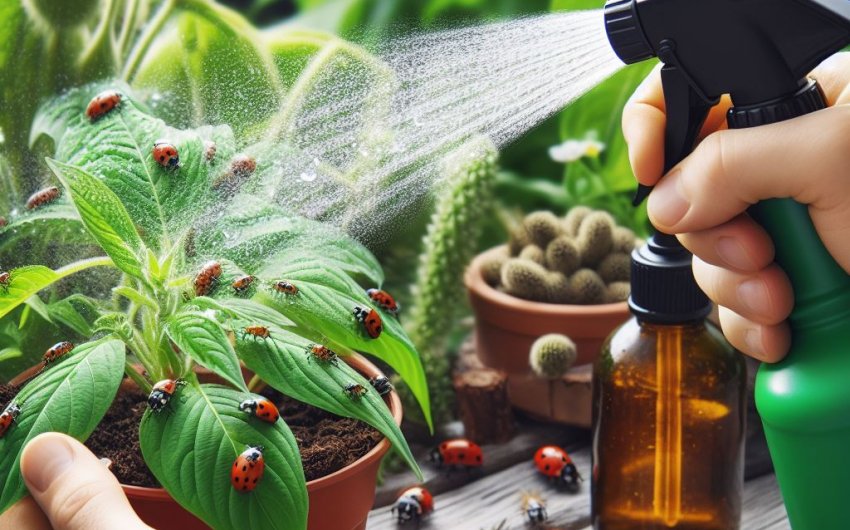
Managing aphid infestations involves a combination of natural remedies and prevention, starting with vigilant monitoring and fostering beneficial insects. For active infestations, use strong water blasts, hand-wiping, or targeted organic sprays like insecticidal soap or neem oil. Prevention relies on healthy plants, proper fertilization, and diversifying your garden to attract predators.
Why are aphids a persistent and problematic garden pest?
Aphids are one of the most common, widespread, and persistent garden pests, attacking a vast array of plants from delicate flowers to robust vegetables. Their ability to multiply rapidly, weaken plants, and transmit diseases makes managing aphid infestations a perennial challenge for gardeners. Understanding their life cycle and impact is the first step toward effective, sustainable control.
What are aphids and how do they reproduce?
Aphids are tiny, soft-bodied insects belonging to the order Hemiptera, often called "plant lice."
- Appearance: Small (1/16 to 1/8 inch long), pear-shaped, soft-bodied insects. They come in various colors: green, black, yellow, pink, brown, or white. Some species have wings, especially when populations are high or they need to migrate.
- Location: Found clustered on the undersides of leaves, on new growth, buds, and tender stems. They are often densely packed together.
- Reproduction (Remarkable): This is key to their pest status.
- Asexual Reproduction (Parthenogenesis): In favorable conditions (spring and summer), female aphids can reproduce asexually without mating. They give birth to live female offspring (nymphs) that are essentially clones of themselves.
- Rapid Generation Time: A single aphid can produce multiple generations in a short period (sometimes a week), leading to exponential population growth.
- Winged Forms: When colonies become too crowded or food sources decline, winged forms develop, allowing them to fly to new plants and quickly establish new colonies.
- Feeding: They have piercing-sucking mouthparts that they insert into plant phloem (the tissue that transports sugars) to extract nutrient-rich sap.
What damage do aphids cause to plants?
Aphid feeding directly depletes plant resources and causes noticeable damage.
- Stunted and Distorted Growth: They suck vital sap from tender plant tissues, weakening the plant. This causes new leaves to curl, crinkle, or become distorted, and overall growth is stunted.
- Yellowing Leaves: Heavy infestations can lead to yellowing leaves (chlorosis) due to the depletion of nutrients and chlorophyll.
- Honeydew and Sooty Mold: As aphids feed, they excrete a sticky, sugary substance called honeydew.
- Honeydew: Attracts ants (who often "farm" aphids for it) and other insects.
- Sooty Mold: A black, sooty fungus often grows on honeydew, coating leaves and stems. This mold doesn't directly harm the plant but reduces photosynthesis and makes the plant look unsightly.
- Reduced Yield: Can reduce flower and fruit production in vegetables and fruit trees.
- Virus Transmission (Crucial): Aphids are notorious for transmitting various plant viruses from infected to healthy plants. These viruses have no cure and can cause severe damage or death.
- Plant Decline: Severe, uncontrolled infestations can ultimately lead to overall plant decline and even death for young or sensitive plants.
By understanding the rapid reproduction and diverse damage caused by aphids, gardeners can prioritize vigilance and implement effective natural remedies and prevention strategies to protect their plants from these persistent pests.
What natural remedies effectively control aphid infestations?
When prevention isn't enough and aphids appear, several natural remedies can effectively control infestations without resorting to harsh chemical pesticides. These methods prioritize minimal environmental impact, protect beneficial insects, and are safe for use around food crops, pets, and children.
1. Manual Removal and Water Blasts (Physical Control).
This is the simplest and often most effective method for immediate control.
- Hand-Wiping/Squishing:
- DO: For small infestations, gently wipe or rub aphids off leaves and stems with your fingers or a damp cloth.
- Why: Physically removes pests without chemicals.
- Timing: Check daily, especially in early stages.
- Strong Water Spray (Hosing Off):
- DO: For larger numbers or on outdoor plants, blast aphids off with a strong stream of water from a garden hose or spray bottle. Target the undersides of leaves and new growth where they cluster.
- Why: Physically dislodges aphids and washes away honeydew. Aphids are often too weak to crawl back onto the plant.
- Timing: Repeat every few days until the infestation is under control. Do this in the early morning to allow leaves to dry before nightfall, preventing fungal diseases.
- DON'T: Use a stream so strong it damages the plant.
2. Insecticidal Soap.
A highly effective organic contact insecticide for soft-bodied pests.
- How it Works: Insecticidal soaps are made from potassium salts of fatty acids. They work by disrupting the cell membranes of soft-bodied insects, causing them to dehydrate and die. They are contact killers, meaning they must directly hit the aphid.
- Application:
- DO: Mix an insecticidal soap concentrate with water according to label directions.
- DO: Apply as a foliar spray, ensuring thorough coverage of all plant surfaces, especially the undersides of leaves and new growth where aphids hide.
- Why: Must come into direct contact with the aphid.
- Timing: Apply in early morning or late evening when temperatures are cooler and beneficial insects are less active. Repeat every 5-7 days for several weeks to kill newly hatched nymphs and break their life cycle.
- Benefits: Organic, non-toxic to humans and pets once dry, breaks down quickly, safe for use on edible plants (check PHI on label).
- Caution: DON'T use dish soap (can contain harsh degreasers that damage plants). DON'T apply in direct sun or high heat (can cause leaf burn).
3. Neem Oil.
A versatile organic pesticide with multiple modes of action.
- How it Works: Cold-pressed neem oil (containing Azadirachtin) works in multiple ways:
- Anti-feedant: Deters aphids from feeding.
- Growth Regulator: Disrupts aphid growth, development, and reproduction.
- Smothering: Can smother some soft-bodied pests on contact.
- Application:
- DO: Mix neem oil for plants concentrate with water according to label directions. It's often mixed with a small amount of insecticidal soap as an emulsifier.
- DO: Apply as a foliar spray, ensuring thorough coverage of all plant surfaces, especially the undersides of leaves and new growth.
- Timing: Apply in early morning or late evening. Repeat every 7-14 days.
- Benefits: Organic, safe for humans and pets, has a low impact on most beneficial insects once dry, also has some fungicidal properties.
- Caution: DON'T apply when temperatures are above 90°F (32°C) or in direct sun (can cause leaf burn).
4. Diatomaceous Earth (DE).
A natural physical insecticide.
- How it Works: Food-grade diatomaceous earth (fossilized diatoms) is a fine, abrasive powder. When soft-bodied insects like aphids crawl over it, the microscopic sharp edges cut their exoskeletons, causing them to dehydrate and die.
- Application:
- DO: Lightly dust affected plants (especially undersides of leaves) with food-grade DE when plants are dry.
- Why: Needs to be dry to be effective. Wear a mask to avoid inhaling fine dust.
- Timing: Reapply after rain or heavy watering.
- Benefits: Organic, non-toxic to humans and pets, works mechanically (pests can't develop resistance).
- Caution: Can harm beneficial insects if they crawl through it, so use selectively. Avoid using it where pollinators are actively visiting.
5. Rubbing Alcohol (Spot Treatment).
For small, localized infestations.
- How it Works: Dissolves the waxy coating of aphids and dehydrates them.
- Application:
- DO: Dab individual aphids or small clusters directly with a cotton swab dipped in 70% isopropyl rubbing alcohol.
- Why: Highly effective for quick, targeted removal.
- Caution: Avoid using on delicate or fuzzy-leaved plants without testing first, as it can cause leaf burn.
By systematically employing these natural remedies, you can effectively control aphid infestations, protecting your plants and maintaining a healthy, thriving garden without resorting to harsh chemicals.
How do I implement prevention strategies to avoid aphid infestations?
Preventing aphid infestations is the most sustainable and effective approach to pest management. By creating a healthy, balanced garden ecosystem and adopting good cultural practices, you can naturally deter aphids and foster resilient plants, minimizing the need for reactive treatments.
1. Foster beneficial insects (Natural Predators).
Working with nature's own pest control is a key long-term strategy.
- Plant Diverse Flowers:
- DO: Plant a wide variety of pollinator-friendly and beneficial insect-attracting flowers (especially native species) in your garden. Include plants with small, open flowers (e.g., dill, fennel, yarrow, sweet alyssum) that provide nectar and pollen for beneficial predators and parasitic wasps.
- Why: Attracts natural enemies of aphids: ladybugs (adults and larvae), lacewing larvae, hoverfly larvae, and parasitic wasps (which lay eggs inside aphids). These predators can decimate aphid populations.
- Avoid Broad-Spectrum Pesticides:
- DO: Refrain from using broad-spectrum insecticides in your garden, even organic ones, as they kill beneficial insects along with pests.
- Why: Preserving predator populations is crucial for natural pest control.
- Provide Habitat:
- DO: Leave small areas of your garden slightly "wild" or provide shelter (e.g., brush piles, log piles) for beneficial insects.
- Purchase Beneficial Insects:
- DO: For a quick boost, especially in greenhouses, purchase and release ladybugs or lacewing larvae.
- Why: Can provide rapid control, but they often fly away if there isn't a sustained food source.
2. Practice good cultural garden management.
Healthy plants are more resistant to pest attacks.
- Balanced Fertilization:
- DO: Fertilize your plants appropriately, based on a soil test. Use a balanced, slow-release fertilizer or organic amendments like compost.
- DON'T: Over-fertilize with nitrogen.
- Why: Excessive nitrogen promotes lush, tender, fast-growing new foliage, which is exactly what aphids prefer to feed on. A balanced plant is less appealing.
- Proper Watering:
- DO: Water deeply and consistently to ensure healthy plant growth.
- Why: Stressed plants (from drought or overwatering) are more susceptible to pest infestations.
- Good Air Circulation:
- DO: Space plants appropriately, prune dense foliage to open up the canopy, and remove weeds.
- Why: Good airflow reduces humidity (which can stress plants) and makes it harder for aphids to hide and multiply unseen.
- Weed Control:
- DO: Keep your garden beds free of weeds, especially those that are known to host aphids (e.g., thistles, sowthistle).
- Why: Weeds can serve as a refuge or a "bridge" for aphids to move from one plant to another.
- Crop Rotation (Vegetables):
- DO: Rotate your vegetable crops each season.
- Why: Helps disrupt pest life cycles and prevents soil-borne issues that can weaken plants.
3. Implement physical and mechanical deterrents.
Simple barriers can prevent infestations.
- Inspect New Plants:
- DO: Always inspect new plants (from nurseries or friends) thoroughly for aphids before introducing them to your garden.
- Why: Prevents introducing pests to your healthy plants. Quarantine new plants for a few weeks.
- Companion Planting:
- DO: Plant companion plants that repel aphids (e.g., catnip, garlic, chives, marigolds, nasturtiums, calendula).
- Why: Some plants emit scents that deter aphids, or they act as "trap crops" that aphids prefer, drawing them away from your main plants. (e.g., nasturtiums are often used as a trap crop for aphids).
- Row Covers:
- DO: For very young, vulnerable plants in vegetable gardens, use floating row covers to physically exclude aphids (and other pests) early in the season.
- Timing: Remove covers when plants need pollination or when temperatures become too hot underneath.
- Reflective Mulch:
- DO: For some vegetables, use reflective mulch (e.g., silver plastic sheeting) around the base of plants.
- Why: Reflects light, which can disorient aphids and deter them from landing on plants.
By building a healthy, diverse garden ecosystem, promoting beneficial insects, and adhering to sound cultural practices, you can significantly reduce the likelihood of aphid infestations, enjoying a thriving, pest-resistant garden through proactive prevention.
What is an Integrated Pest Management (IPM) plan for aphids?
An Integrated Pest Management (IPM) plan for aphids is a holistic, systematic approach that prioritizes long-term prevention and minimizes environmental impact. It combines various strategies to manage aphid populations effectively, rather than relying on a single, often short-sighted, chemical solution. This ensures a healthy garden that can naturally resist and recover from pest pressures.
Step 1: Set Action Thresholds and Monitor Regularly.
Vigilance and understanding what you're willing to tolerate are crucial.
- Understanding Thresholds:
- DO: Recognize that a few aphids are normal and part of a healthy garden ecosystem. Not every aphid requires immediate intervention.
- Why: Overreacting to minor infestations can disrupt the natural balance and kill beneficial insects.
- Monitor Plants Regularly:
- DO: Inspect your plants frequently (at least weekly) for early signs of aphids or damage. Pay close attention to the undersides of leaves and new growth.
- DO: Use a hand lens or magnifying glass for closer inspection.
- Why: Early detection allows for less intensive and more effective control methods.
- Look for Natural Enemies:
- DO: While monitoring for aphids, also look for the presence of beneficial insects (ladybug larvae, lacewing eggs/larvae, aphid "mummies" – discolored, swollen aphids indicating parasitization).
- Why: Their presence indicates natural controls are at work.
Step 2: Identify Aphids Accurately.
Knowing your enemy is crucial for effective strategy.
- DO: Confirm that the pest you are seeing is indeed an aphid. They are small, soft-bodied, pear-shaped, and often clustered.
- Why: Misidentification can lead to using the wrong (and potentially harmful) treatment.
- Resources: Use reliable gardening guides, university extension websites, or a local garden center expert to confirm identification.
Step 3: Implement Cultural Controls (Prevention).
These are your primary, long-term defense strategies.
- DO: Plant aphid-resistant varieties when possible.
- DO: Maintain plant vigor with healthy soil (rich in compost), proper watering, and balanced fertilization (avoiding excessive nitrogen).
- DO: Ensure good air circulation through proper plant spacing and selective pruning.
- DO: Control weeds that can harbor aphids.
- DO: Practice crop rotation for vegetable gardens.
- DO: Inspect new plants before introducing them to your garden.
- Why: Healthy plants are less attractive to aphids and more resilient to damage.
Step 4: Utilize Physical and Mechanical Controls.
These non-chemical methods are effective for direct removal.
- DO: Water Blasts: For light to moderate infestations, vigorously spray aphids off plants with a strong stream of water. Repeat every few days.
- DO: Hand-Wiping/Squishing: For smaller infestations, manually remove aphids with your fingers or a damp cloth.
- DO: Pruning: Prune off heavily infested stems or leaves to immediately reduce populations.
- DO: Row Covers: Use floating row covers for young plants to exclude aphids. Remove when plants need pollination.
- DO: Companion Planting: Plant aphid-repelling (garlic, chives, catnip) or trap crops (nasturtiums) nearby.
- Why: Directly removes or deters aphids without chemicals.
Step 5: Employ Biological Controls.
Encouraging natural enemies is a cornerstone of IPM.
- DO: Plant flowers that attract ladybugs, lacewings, and hoverflies (e.g., dill, fennel, yarrow, sweet alyssum).
- DO: Avoid broad-spectrum pesticides that kill beneficial insects.
- DO: For severe outbreaks (especially in greenhouses), purchase and release beneficial insects like ladybugs or lacewing larvae.
- Why: Natural predators can provide highly effective, self-sustaining aphid control.
Step 6: Use Organic/Reduced-Risk Chemical Controls (Last Resort).
Only use these when other methods are insufficient and thresholds are exceeded.
- DO: Apply targeted organic pesticides like insecticidal soap or neem oil solution.
- Why: They are contact killers (soap) or disrupt life cycles (neem), are less persistent in the environment, and are generally safer for humans, pets, and most beneficials once dry.
- Application: Follow label directions strictly. Apply in early morning or late evening when pollinators are not active. Ensure thorough coverage, especially undersides of leaves. Repeat every 5-7 days.
- DO: Use diatomaceous earth (food grade) as a dust on dry foliage if applicable.
- DON'T: Use broad-spectrum synthetic pesticides that indiscriminately kill all insects.
- DON'T: Spray any pesticide on open flowers during the day.
Step 7: Evaluate Effectiveness and Adapt.
IPM is a continuous learning process.
- DO: Monitor after any intervention to see if the aphid population is decreasing and if plant health is improving.
- DO: Keep a log of pest activity, control methods used, and results.
- DO: Adjust your strategies for future seasons based on your observations.
By diligently following this Integrated Pest Management plan, home gardeners can effectively manage aphid infestations, fostering a healthy, resilient garden ecosystem that produces thriving plants with minimal reliance on harmful chemicals.