
Understanding Root Rot: Prevention and Treatment Techniques
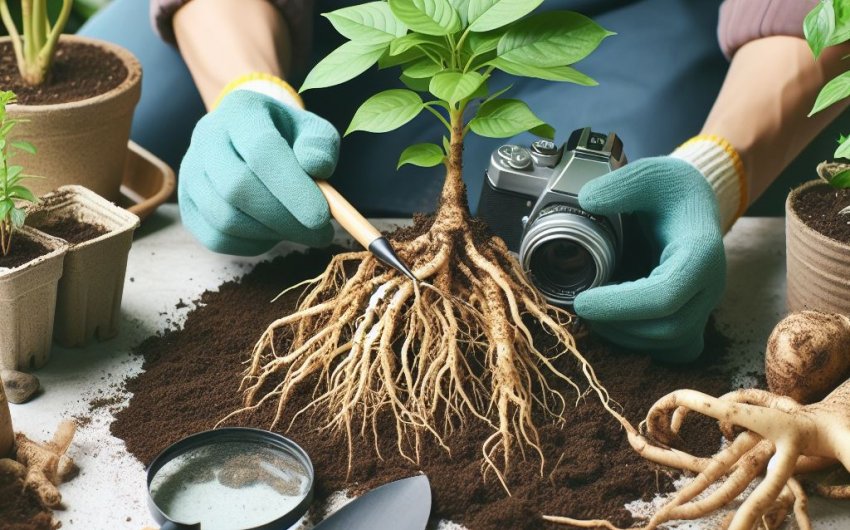
Understanding root rot is crucial for any gardener, as it's a common and often fatal plant disease. Prevention primarily involves correct watering habits, using well-draining soil and pots with drainage holes, and improving soil aeration. Treatment, if caught early, focuses on carefully pruning away diseased roots and repotting into fresh, dry soil.
Why is root rot a pervasive and deadly threat to plants?
Root rot is arguably the most pervasive and deadly threat to plants, particularly those grown in containers or in poorly draining garden beds. Often subtle in its early stages, it quickly progresses to irreversible damage, mimicking drought symptoms and confusing even experienced gardeners. Understanding why root rot occurs is the crucial first step to effective prevention and, if caught early enough, potential treatment.
What causes root rot in plants?
Root rot is a complex physiological and pathological problem that begins with a lack of oxygen and is exacerbated by opportunistic pathogens.
- Oxygen Deprivation (Primary Cause): This is the fundamental starting point of all root rot. Plant roots, like all living tissues, need oxygen to "breathe" (respire) and carry out their vital functions (absorbing water and nutrients).
- Waterlogged Soil: When soil is constantly saturated with water (from overwatering or poor drainage), all the tiny air pockets in the soil are filled with water. This deprives the roots of essential oxygen.
- Root Suffocation: Without oxygen, root cells cannot respire. They literally suffocate, become weakened, and begin to die.
- Opportunistic Pathogens: Once roots are weakened or dying from lack of oxygen, they become highly vulnerable to attack by various soil-borne pathogens.
- Fungi and Water Molds: Pythium, Phytophthora (often called a water mold), and Fusarium are common culprits. These pathogens thrive in wet, anaerobic conditions and rapidly colonize and consume the decaying root tissue.
- Bacteria: Certain anaerobic bacteria can also contribute to root decay.
- Impact: The combination of oxygen deprivation and pathogen attack leads to the characteristic mushy, brown, and foul-smelling decay of roots.
What are common conditions that lead to root rot?
Several factors create environments ripe for root rot.
- Overwatering (Most Common for Containers): This is the leading cause, especially for houseplants. Watering too frequently, before the soil has a chance to dry out, keeps the roots constantly submerged.
- Poor Drainage:
- Heavy Clay Soil: Naturally dense and holds water, draining very slowly.
- Compacted Soil: Reduced pore space, preventing water from infiltrating and draining.
- Pots Without Drainage Holes: The biggest culprit for container plants. Water has nowhere to go.
- Blocked Drainage Holes: Debris or roots can clog drainage holes.
- Dense Potting Mix: Heavy potting mixes that retain too much moisture and lack aeration.
- Too Large a Pot: If a small plant is in a much larger pot, the excess soil holds too much moisture, staying wet for too long around the small root ball.
- Contaminated Tools/Soil: Pathogens can be present in unsterilized tools or previously infected soil.
- Stressed Plants: Weak plants are more susceptible to opportunistic pathogens.
Why is root rot so deadly and difficult to cure?
Root rot is particularly lethal because it attacks the very lifeline of the plant.
- Destroys Water/Nutrient Uptake: Once roots are compromised, the plant cannot absorb water and nutrients, even if they are abundant in the soil.
- Mimics Drought: This is the most confusing aspect. The plant wilts and appears thirsty because it is dehydrated, but the cause is too much water at the roots. Gardeners often mistakenly water more, worsening the rot.
- Rapid Progression: Root rot can spread quickly through the entire root system, especially in warm, wet conditions.
- Irreversible Damage: Once a significant portion of the root system is rotten, the damage is often irreversible, and the plant cannot recover.
Understanding the insidious nature of root rot and the conditions that fuel it is the essential first step in its prevention and, in rare cases, its early treatment.
How do I diagnose root rot in plants?
Diagnosing root rot is crucial for timely intervention, but it can be challenging because its above-ground symptoms often mimic other problems like underwatering. A systematic approach, involving observation of foliage, soil, and roots, is necessary for an accurate diagnosis.
Step 1: Observe above-ground symptoms.
These are the first clues, but can be misleading.
- Wilting Leaves (Even When Soil is Wet):
- Description: The plant's leaves droop and wilt, looking thirsty, but when you check the soil, it feels moist or even soggy.
- Why: Rotten roots cannot absorb water, so the plant is indeed dehydrated, creating the deceptive appearance of underwatering.
- Yellowing Leaves:
- Description: Leaves may turn pale green, then uniformly yellow, or develop yellowing between the veins. They often feel soft or mushy, not crispy.
- Why: Lack of nutrient and water uptake.
- Stunted Growth:
- Description: Overall plant growth slows dramatically or stops. New growth is weak and small.
- Why: Roots cannot support vigorous development.
- Leaf Drop:
- Description: Leaves, especially older ones, may yellow and then drop prematurely.
- General Decline:
- Description: The plant generally looks unhealthy, lacking vigor, despite seemingly adequate care.
- Soft/Mushy Stems at Soil Line:
- Description: For some plants, the stem near the soil line may appear discolored (dark brown/black) and feel soft or mushy, indicating crown rot spreading from the roots.
Step 2: Examine the soil and moisture conditions.
This provides the critical distinguishing information for overwatering.
- Soil Moisture Test:
- DO: Stick your finger 2-3 inches deep into the soil (or use a soil moisture meter for deeper readings).
- Key Diagnostic: If the plant is wilting or yellowing, but the soil is wet or soggy below the surface, it's a strong indicator of overwatering and potential root rot.
- DON'T: Confuse with underwatering, where the soil would be bone dry.
- Foul Odor:
- DO: Carefully sniff the soil near the drainage holes or the soil surface.
- Key Diagnostic: A distinctly sour, stagnant, rotten, or sulfuric smell indicates anaerobic conditions and decaying organic matter/roots.
- Algae/Moss Growth:
- DO: A green or dark slimy film on the soil surface often indicates persistently wet conditions favorable for rot.
- Poor Drainage:
- DO: Observe if water pools on the surface for extended periods after watering, or if it drains very slowly from the pot.
Step 3: Inspect the roots (The definitive diagnosis).
This is the most conclusive way to confirm root rot.
- Gently Remove Plant from Pot:
- DO: Carefully tip the pot on its side and gently slide the plant out, trying to keep the root ball intact. If it's a garden plant, gently unearth some roots at the base.
- Shake Off Excess Soil:
- DO: Gently shake off as much potting mix or soil as possible from the roots to expose them clearly.
- Examine Roots:
- Healthy Roots: Will appear white or light-colored, firm, pliable, and may have a fresh, earthy smell.
- Rotten Roots: Will appear dark brown or black, mushy, soft, slimy, and often have a distinct foul, rotten smell. They may fall apart when touched.
- Key Diagnostic: The presence of dark, mushy, foul-smelling roots is a definitive diagnosis of root rot.
By systematically observing above-ground symptoms, checking soil conditions, and definitively inspecting the roots, you can accurately diagnose root rot, enabling you to decide if treatment is possible or if it's time to unfortunately discard the plant.
How do I prevent root rot?
Preventing root rot is far more effective and sustainable than trying to cure it. By implementing comprehensive cultural practices that focus on optimal soil moisture, good drainage, and plant health, you can drastically reduce the risk of this deadly disease and ensure your plants thrive.
1. Master proper watering techniques.
This is the number one way to prevent root rot.
- "Soak and Dry" Method:
- DO: Water thoroughly until water drains from the bottom of the pot.
- DO: Allow the top 2-3 inches of soil (or deeper for some plants/in winter) to dry out completely before watering again.
- Why: This ensures roots have access to essential oxygen between waterings.
- DON'T: Water on a fixed schedule. Always check soil moisture first.
- Monitor Soil Moisture:
- DO: Use your finger or a soil moisture meter to accurately gauge moisture levels, especially in winter when plants use less water.
- Empty Saucers:
- DO: Always empty any excess water from saucers or cachepots after about 15-30 minutes.
- Why: Allowing pots to sit in standing water directly causes root rot.
- Adapt to Season/Plant/Pot: Adjust watering frequency based on plant type (succulents need less, tropicals more), season (less in winter), pot material (terra cotta dries faster), and pot size (small pots dry faster).
2. Use well-draining soil and pots.
The right growing medium and container are fundamental for root health.
- Drainage Holes are NON-NEGOTIABLE:
- DO: Always use pots that have ample drainage holes at the bottom.
- DON'T: Use pots without drainage holes unless you are an expert at creating false bottoms and managing moisture (still risky).
- High-Quality, Well-Draining Potting Mix:
- DO: Use a lightweight, well-draining potting mix specifically designed for indoor plants or containers. For succulents/cacti, use a specialized mix or amend with extra perlite/pumice/coarse sand.
- Why: This mix allows water to pass through quickly and ensures good aeration.
- DON'T: Use heavy garden soil, which compacts and retains too much water.
- Right Pot Size:
- DO: Use a pot that is appropriately sized for your plant's root ball.
- DON'T: Put a tiny plant in a huge pot, as the excess soil will hold too much moisture for too long, leading to rot.
- Consider Terra Cotta:
- DO: Unglazed terra cotta pots are porous and allow excess water to evaporate through their walls, which can help prevent overwatering.
- DON'T: Use for plants that need consistently high moisture without quick drying.
3. Improve drainage in garden beds.
For outdoor plants, proper soil structure is key.
- Ameliorate Clay Soil:
- DO: If your native soil is heavy clay, incorporate generous amounts of finished compost, aged manure, or pine bark fines into the top 12-18 inches of soil.
- Why: This physically breaks up dense clay, creating larger pore spaces for better water movement and aeration.
- DON'T: Use just sand in clay, as it can create concrete-like conditions.
- Raised Beds or Mounds:
- DO: If drainage is exceptionally poor, plant in raised garden beds or on raised mounds filled with well-draining soil.
- Why: Elevates the root zone above persistently wet conditions.
- Avoid Compaction:
- DO: Minimize walking directly on garden soil, especially when it's wet. Create designated pathways.
- DO: Core aerate lawns periodically.
- Why: Compacted soil restricts water and air movement.
4. Practice good garden hygiene and plant health.
Healthy plants and clean environments are more resistant.
- Sanitation:
- DO: Remove and dispose of any rotting plant material promptly.
- DO: Sanitize tools after working with diseased plants.
- Why: Reduces the presence of rot-causing pathogens.
- Healthy Plants:
- DO: Provide optimal light, balanced nutrients, and appropriate temperatures.
- Why: Strong, vigorous plants are inherently more resistant to opportunistic pathogens.
- Crop Rotation (Outdoor):
- DO: For vegetables, practice crop rotation.
- Why: Helps break the life cycle of soil-borne pathogens.
By meticulously implementing these preventive measures, you establish a resilient foundation for your plants, drastically reducing the risk of root rot and ensuring a healthy, thriving garden.
How do I treat root rot (if caught early)?
Treating root rot is challenging, and success is not guaranteed. It requires swift, decisive action and is most effective only if the rot is caught in its very early stages, before a significant portion of the root system is damaged. The goal is to remove diseased tissue and restore an oxygen-rich environment.
Step 1: Immediately assess and unpot the plant.
The first crucial step is to get eyes on the roots.
- DO: If you suspect root rot (wilting despite wet soil, yellowing, soft stem base, foul odor), immediately remove the plant from its pot or gently unearth it from the garden bed.
- DO: Gently shake off as much of the old, soggy soil as possible from the root ball.
- DON'T: Water the plant if the soil is already wet.
Step 2: Inspect and prune away diseased roots.
This is the most critical and delicate part of the treatment.
- Examine Roots:
- DO: Carefully inspect the entire root system.
- Healthy Roots: Look for white, light-colored, and firm roots.
- Diseased Roots: Identify roots that are dark brown, black, mushy, soft, slimy, or have a foul odor.
- Prune Decisively:
- DO: Using clean, sharp, sterilized scissors or pruning shears, carefully cut away all affected, rotten roots. Prune back into healthy, firm, white root tissue.
- Why: You must remove all infected material. Leaving even a small amount can allow the rot to persist.
- DON'T: Hesitate to remove a significant portion of the root system if necessary. It's better to have fewer healthy roots than many rotten ones.
- DO: Sanitize your tools again after pruning.
- Prune Foliage (Optional but Recommended):
- DO: Consider pruning back some of the plant's foliage (leaves and stems) to compensate for the reduced root system. Aim to remove about the same amount of foliage as the roots you removed.
- Why: This reduces the plant's demand for water and nutrients, making it easier for the remaining healthy roots to support the plant.
Step 3: Repot into fresh, dry, well-draining soil.
Providing a pristine environment is essential for recovery.
- Clean Pot:
- DO: If reusing the same pot, clean it thoroughly and sterilize it (e.g., soak in a 10% bleach solution, then rinse well).
- DON'T: Reuse the old contaminated soil.
- DO: Choose a pot that is slightly smaller than the original, or at least the same size, especially if you removed a lot of roots. Too large a pot holds too much excess moisture.
- New Potting Mix:
- DO: Repot into fresh, sterile, well-draining potting mix. For succulents or cacti, use a specialized succulent mix. For other plants, use an all-purpose mix amended with extra perlite for aeration.
- DO: The potting mix should be dry or only very slightly damp.
- Reposition Plant:
- DO: Place the plant in the new pot, ensuring it's at the correct planting depth.
- Do Not Water Immediately:
- DO: After repotting, do NOT water the plant for several days (3-7 days).
- Why: This allows any newly cut root surfaces to heal and form a callus, preventing new infections when water is reintroduced.
Step 4: Post-treatment care for recovery.
Nurturing the recovering plant is crucial.
- Light:
- DO: Place the recovering plant in a spot with bright, indirect light. Avoid direct, intense sunlight, which can stress it.
- Watering (Critical):
- DO: After the initial dry period, begin watering very sparingly. Allow the soil to dry out even more than usual before watering again. Gradually increase watering as the plant shows signs of recovery and new growth.
- DO: Use a soil moisture meter to monitor.
- DON'T: Resume regular watering too quickly.
- Humidity (if appropriate):
- DO: For tropical plants, providing moderate humidity can help reduce stress on foliage while roots recover.
- No Fertilization:
- DO: Do not fertilize a plant recovering from root rot. The roots are too fragile, and fertilizer salts will burn them. Wait until new, healthy growth appears.
- Patience:
- DO: Recovery can take weeks or months. Watch for new green growth as a sign of success.
By acting quickly, decisively pruning infected roots, repotting into fresh, dry, well-draining soil, and providing diligent post-treatment care, you give your plant the best possible chance to survive and recover from root rot.
What long-term strategies prevent root rot recurrence?
Preventing root rot recurrence is paramount for maintaining a healthy, thriving garden. Once you've experienced root rot, implementing long-term strategies that focus on sustainable soil management, smart watering practices, and appropriate plant choices will build resilience and ensure your plants remain vigorous and disease-free.
1. Optimize soil health and drainage.
This is the most fundamental long-term defense against root rot.
- Incorporate Ample Organic Matter:
- DO: Regularly add finished compost, aged manure, or pine bark fines to your garden beds or potting mixes.
- Why: Organic matter is a powerhouse for soil health. In clay soils, it physically breaks apart dense particles, creating larger pore spaces for better drainage and aeration. In sandy soils, it improves water and nutrient retention, preventing rapid drying out (which can lead to desperate overwatering).
- Aeration (Outdoor):
- DO: For compacted lawns, perform core aeration annually or biannually. For garden beds, regularly loosen soil with a broadfork or garden fork.
- Why: Improves air and water penetration, preventing compaction that leads to root suffocation.
- Raised Beds or Mounds (for chronic issues):
- DO: If your native soil has severe, intractable drainage problems, build raised garden beds or plant on raised mounds filled with well-draining soil.
- Why: This elevates the root zone, ensuring excellent drainage regardless of the native soil.
- Avoid Soil Compaction:
- DO: Minimize walking directly on garden soil, especially when it's wet. Create designated pathways.
- Why: Compaction squeezes out air pockets, leading to poor drainage and oxygen deprivation.
2. Practice impeccable watering habits consistently.
Even the best soil can be overwhelmed by improper watering.
- "Soak and Dry" Always:
- DO: Stick religiously to the "soak and dry" method year-round. Water deeply, then allow the top few inches of soil to dry out completely before watering again.
- Why: This ensures roots get oxygen.
- Monitor Moisture Diligently:
- DO: Use your finger and/or a soil moisture meter to check soil moisture, especially before watering.
- Adapt to Seasons/Plant Needs:
- DO: Significantly reduce watering frequency in winter when plants are dormant. Adjust for different plant types (succulents need less than tropicals).
- Empty Saucers:
- DO: Always empty standing water from saucers or cachepots after 15-30 minutes.
- Why: Prevents roots from sitting in water.
- Targeted Watering:
- DO: Water at the base of plants. Use soaker hoses or drip irrigation for outdoor beds.
- Why: Prevents unnecessary leaf wetness (reducing surface fungal issues) and ensures water goes to roots efficiently.
3. Choose appropriate plants and containers.
Matching plants to their environment reduces stress and vulnerability.
- Right Plant, Right Place:
- DO: Select plants that are well-suited to your soil type and light conditions. Don't plant moisture-sensitive plants in poorly draining areas.
- Why: A plant constantly battling an unsuitable environment is stressed and prone to root rot.
- Pots with Drainage Holes:
- DO: Only use pots with ample drainage holes.
- DON'T: Use decorative cachepots without checking for drainage.
- Appropriate Pot Size:
- DO: Choose a pot that is only slightly larger than the plant's root ball when repotting.
- DON'T: Put a small plant in a huge pot, as the excess soil will retain too much moisture.
- Consider Terra Cotta:
- DO: For plants prone to overwatering, terra cotta pots (being porous) can help by allowing excess moisture to evaporate through the pot walls.
4. Practice good garden hygiene and sanitation.
Reducing pathogen presence minimizes risk.
- Sanitize Tools:
- DO: Sterilize pruning shears, trowels, and any tools used in the soil with rubbing alcohol or a 10% bleach solution after each use, especially if working with a diseased plant.
- Why: Prevents spreading soil-borne pathogens.
- Remove Diseased Material:
- DO: Promptly remove and destroy (do not compost) any plants or plant parts showing signs of root rot or severe fungal disease.
- Why: Reduces the pathogen load in your garden.
- Crop Rotation (Vegetables):
- DO: Continue strict crop rotation for vegetables.
- Why: Prevents root rot pathogens from building up in specific areas.
- Healthy Plants:
- DO: Provide optimal light, balanced nutrition, and appropriate temperatures to promote strong, vigorous plants that are naturally more resistant to disease.
By diligently implementing these long-term strategies, you establish a resilient and self-sustaining garden ecosystem, effectively preventing root rot recurrence and ensuring your plants remain healthy, vibrant, and productive for years to come.