
What Are the Common Pests and Diseases That Affect Monstera Deliciosa?
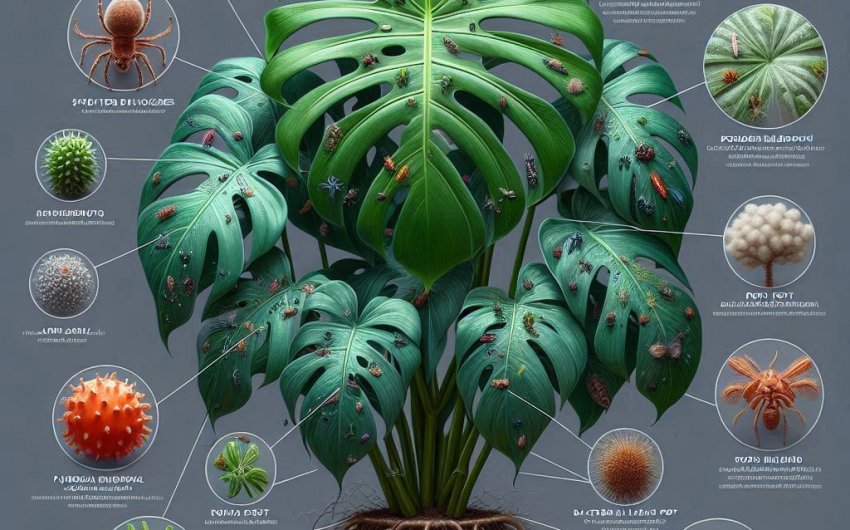
If you're a proud owner of the iconic Monstera deliciosa, understanding what are the common pests and diseases that affect Monstera deliciosa? is key to keeping its distinctive, fenestrated leaves lush and healthy. While these tropical beauties are generally robust houseplants, like all living things, they can occasionally encounter challenges from unwelcome insects or environmental stressors that manifest as disease-like symptoms. Being able to identify the culprits and intervene effectively will ensure your beloved plant continues to thrive and grow.
What are the most common insect pests of Monstera deliciosa?
Insect pests can be a nuisance for any houseplant, and Monstera deliciosa is no exception. Early detection and consistent treatment are key to preventing infestations from becoming severe and causing significant damage to those beautiful, iconic leaves. These sap-sucking insects are the most frequent culprits you'll encounter.
What are spider mites and how do I identify them?
Spider mites are tiny arachnids (they're not insects, but related to spiders) that are often hard to see with the naked eye. They thrive in warm, dry conditions and can cause significant damage if left unchecked.
- Appearance: They look like tiny red, brown, or black moving dots on the undersides of leaves. The most telling sign of their presence is the development of fine, delicate webs, especially in the leaf axils (where the leaf meets the stem) or across the leaf surface.
- Damage: They feed by piercing plant cells and sucking out sap. This leads to characteristic symptoms:
- Stippling: Tiny yellow or white dots (stippling) on the upper surface of the leaves.
- Dullness: Overall dull or bronze appearance of the leaves.
- Yellowing: Leaves may turn yellow and eventually drop if the infestation is severe.
- Location: Primarily found on the undersides of leaves and along stems.
How do I treat spider mites?
- Isolate the Plant: Immediately move the infected Monstera deliciosa away from other houseplants to prevent spread.
- Increase Humidity: Spider mites hate humidity. Regularly mist your plant, or place it near a humidifier.
- Wipe Down Leaves: Use a damp cloth or sponge to physically wipe off as many mites and webs as possible from both sides of the leaves.
- Hose Down: Take the plant outdoors (if weather permits) or into a shower and thoroughly rinse the foliage with a strong spray of water.
- Pesticidal Soap or Neem Oil: For active infestations, spray the entire plant, especially the undersides of leaves, with insecticidal soap or a diluted solution of neem oil. Repeat applications every 5-7 days for several weeks to break their life cycle.
- Miticide: In very severe cases, a specific miticide (a pesticide designed for mites) may be necessary. Always follow label directions carefully.
What are mealybugs and how do I identify them?
Mealybugs are soft-bodied, sap-sucking insects easily recognized by their distinctive cottony, waxy coating.
- Appearance: They look like tiny, white, fuzzy cotton balls, usually found clustered in leaf axils, along stems, or on the undersides of leaves.
- Damage: They feed by sucking plant sap, leading to:
- Stunted Growth: Overall decline in plant vigor.
- Yellowing and Distortion: Leaves may turn yellow, curl, or become distorted.
- Honeydew and Sooty Mold: Mealybugs excrete a sticky substance called honeydew, which can attract ants and lead to the growth of black sooty mold on the leaves.
- Location: Often hidden in crevices, along veins, or at the base of stems.
How do I treat mealybugs?
- Isolate and Remove: Isolate the plant. For light infestations, use a cotton swab dipped in rubbing alcohol to directly dab and kill individual mealybugs and their cottony masses.
- Wipe and Rinse: Thoroughly wipe down leaves and stems with a damp cloth or rinse the plant under water.
- Pesticidal Soap or Neem Oil: Spray the entire plant with insecticidal soap or neem oil, ensuring thorough coverage, especially in crevices and on undersides of leaves. Repeat every 7-10 days for several weeks.
- Systemic Insecticides: For persistent or severe infestations, a systemic insecticide (absorbed by the plant to kill feeding insects) can be considered, but use with caution, especially if you have pets or children, and always follow label directions.
What are scale insects and how do I identify them?
Scale insects are tiny, immobile pests that appear as small, often oval-shaped bumps on stems and leaves. They are covered by a waxy, protective shell, making them difficult to treat.
- Appearance: They look like tiny brown, black, or even white bumps that don't move. They can be found on stems, leaf undersides, and along veins.
- Damage: They suck plant sap, leading to:
- Yellowing and Wilting: Leaves may yellow, wilt, and drop.
- Stunted Growth: Overall decline in plant health.
- Honeydew and Sooty Mold: Like mealybugs, they excrete sticky honeydew, leading to sooty mold.
- Location: Primarily on stems, petioles (leaf stalks), and leaf veins.
How do I treat scale insects?
- Scraping: For light infestations, carefully scrape off individual scale insects with your fingernail, an old toothbrush, or a plastic card. Be gentle to avoid damaging the plant.
- Rubbing Alcohol: Dab individual scale insects with a cotton swab dipped in rubbing alcohol.
- Pesticidal Soap or Neem Oil: For more widespread infestations, thoroughly spray the plant with insecticidal soap or neem oil. The waxy shell can make penetration difficult, so you may need to apply more frequently or ensure very thorough coverage.
- Systemic Insecticides: Systemic insecticides are often more effective against scale due to their protective shell.
What are thrips and how do I identify them?
Thrips are tiny, slender insects that can be difficult to spot until damage is visible. They rasp plant tissue and suck up the oozing sap.
- Appearance: Very small, typically black or brown, slender insects that can jump or fly short distances. Larvae are even smaller and yellowish.
- Damage:
- Silvering/Stippling: Leaves may develop silvery streaks or stippling, often on the upper surface.
- Distorted New Growth: New leaves may emerge distorted, curled, or stunted.
- Black Specks: Tiny black specks of their excrement (frass) may be visible on leaves.
- Location: Found on both sides of leaves, especially on new growth.
How do I treat thrips?
- Isolate and Rinse: Isolate the plant and thoroughly rinse the foliage with water to dislodge adults.
- Blue or Yellow Sticky Traps: Use blue sticky traps or yellow sticky traps near the plant to capture adult thrips and monitor populations.
- Pesticidal Soap or Neem Oil: Thoroughly spray the entire plant with insecticidal soap or neem oil. Repeated applications (every 5-7 days for several weeks) are crucial, as thrips have a complex life cycle.
- Systemic Insecticides: May be needed for persistent infestations.
Regular inspection of your Monstera deliciosa, especially the undersides of leaves and new growth, is the best defense against pests. Addressing issues early makes treatment much easier and prevents significant damage, helping you maintain a healthy and vibrant plant.
What are the most common disease-like problems of Monstera deliciosa?
Beyond insect pests, Monstera deliciosa can also suffer from various issues that manifest as disease-like symptoms, often stemming from environmental stressors or improper care. Recognizing these signs and understanding their causes is crucial for keeping your plant healthy and thriving. These problems are often a result of conditions that stress the plant.
Why are my Monstera leaves turning yellow?
Yellowing leaves are one of the most common complaints among Monstera owners, and the cause can vary significantly depending on the pattern and location of the yellowing.
- Overwatering (Most Common Cause): If lower, older leaves are turning yellow, becoming soft, and possibly mushy at the base of the stem, this is a classic sign of overwatering and potential root rot. The roots are literally suffocating from a lack of oxygen in constantly wet soil.
- Fix: Reduce watering frequency. Allow the top 2-3 inches of soil to dry out completely before watering again. Ensure your pot has excellent drainage holes and use a well-draining potting mix. If severe, repotting and trimming any mushy, black roots may be necessary.
- Underwatering: If leaves turn uniformly yellow and then quickly become crispy and dry, it could be a sign of underwatering. The plant is not getting enough moisture to support its foliage.
- Fix: Increase watering frequency. Water thoroughly until water drains from the bottom. Check soil moisture more regularly.
- Nutrient Deficiency: Overall yellowing, especially if the veins remain green (chlorosis), can indicate a nutrient deficiency, often iron or magnesium. This is more common in plants that haven't been fertilized recently or are in old, depleted potting mix.
- Fix: Begin a regular feeding schedule with a balanced houseplant fertilizer during the growing season. Consider a supplement with chelated iron or magnesium if the problem persists.
- Lack of Light: If your Monstera isn't getting enough light, its growth will slow, and lower leaves may yellow as the plant reallocates energy to new growth or simply sheds leaves it can no longer support.
- Fix: Move your plant to a brighter location with bright, indirect light.
Why are my Monstera leaves turning brown or crispy?
Browning leaves also signal problems, usually related to moisture or humidity.
- Brown, Crispy Tips or Edges: This is a very common issue, almost always pointing to low humidity or underwatering. Monsteras are tropical plants and prefer higher humidity. Dry air (especially from heating or AC) can cause leaf tips to dry out and brown. Inconsistent watering or allowing the soil to dry out too much can also lead to this.
- Fix: Increase humidity around the plant by using a humidifier, grouping plants together, or placing the pot on a pebble tray. Ensure consistent watering, allowing the top soil to dry but not the entire root ball.
- Brown, Mushy Spots or Soft Stems: This is a clear indicator of severe overwatering and likely root rot. The plant tissue is decaying due to oxygen deprivation.
- Fix: As with yellowing from overwatering, severe action is needed: immediate reduction in watering, checking roots for rot, and potentially repotting.
- Sunburn (Brown/Black Scorched Patches): If brown, crispy patches appear on leaves exposed directly to intense sunlight, it's a sign of sunburn. The leaves are getting scorched.
- Fix: Move your plant to a location with bright, indirect light. Avoid direct, harsh afternoon sun.
- Fluoride Toxicity: Brown tips or yellowing along the margins can sometimes be caused by fluoride toxicity from tap water, though this is less common.
- Fix: Try using distilled, filtered, or rainwater for watering.
What are some less common but serious diseases?
While generally resistant, Monstera deliciosa can rarely be affected by more serious fungal or bacterial diseases if conditions are persistently poor.
- Fungal Leaf Spot: Can appear as small, dark spots, often with a yellow halo, on leaves. Caused by excess moisture on foliage and poor air circulation.
- Symptoms: Irregular brown or black spots.
- Management: Improve air circulation. Avoid overhead watering. Remove affected leaves. In severe cases, a fungicide may be considered.
- Bacterial Leaf Spot: Similar to fungal spots but often with a greasy or water-soaked appearance, sometimes smelly. Can spread quickly.
- Symptoms: Small, dark, angular spots that may enlarge.
- Management: There's no chemical cure. Remove and destroy infected leaves immediately. Improve air circulation. Avoid splashing water between plants.
- Root Rot: (As mentioned under yellowing/browning) This is the most common "disease" type issue, caused by fungal pathogens thriving in anaerobic, waterlogged soil.
- Management: Prevention through proper watering and drainage is key.
Maintaining good cultural practices—proper light, watering, humidity, and well-draining soil—is the best defense against both pests and environmental "diseases." Regular inspection and prompt action are your best tools in keeping your Monstera deliciosa healthy and magnificent.