
Why Are the Leaves of My Parlor Palm Turning Yellow?
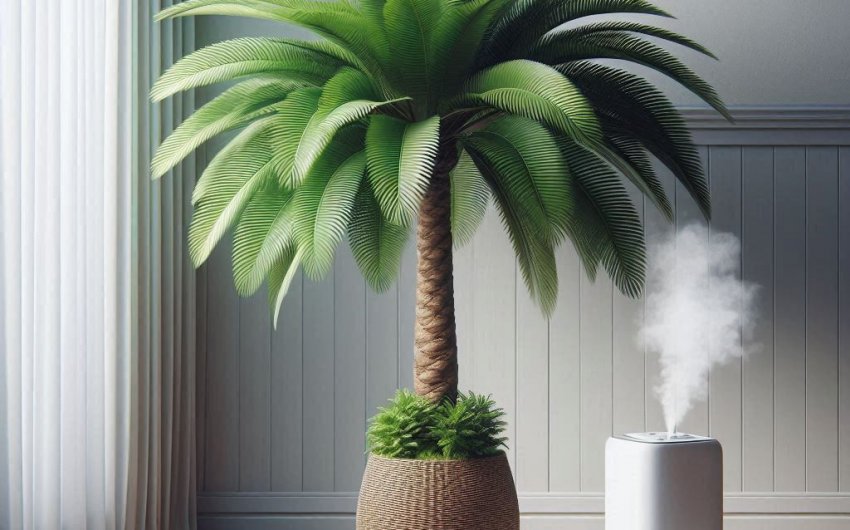
Observing your parlor palm turning yellow can be a disheartening sight for any plant parent. These graceful, low-maintenance houseplants are cherished for their ability to bring a touch of the tropics indoors, and yellowing foliage is a clear sign something is amiss. This common issue often signals an environmental imbalance or a care problem, prompting the need for prompt investigation and adjustment to restore your palm's vibrant green hue and overall vitality.
Why might my parlor palm's leaves be losing their green color?
When a parlor palm's leaves start turning yellow, it's usually a distress signal indicating that its basic needs aren't being met, or it's experiencing some form of environmental stress. Unlike some plants that might wilt or drop leaves immediately, yellowing is often a slower, more gradual sign that something in its growing conditions needs adjustment. Pinpointing the exact cause requires a bit of detective work, considering factors like watering habits, light exposure, humidity levels, and nutrient availability.
Is overwatering or underwatering the cause of yellow leaves?
Watering issues are by far the most common culprits behind a parlor palm turning yellow. Both too much and too little water can stress the plant, leading to discoloration.
- Overwatering: This is often the more damaging of the two. When a parlor palm is overwatered, its roots sit in soggy soil for too long, which deprives them of oxygen. This leads to root rot, a fungal disease that essentially suffocates and destroys the roots, preventing them from absorbing water and nutrients. As a result, the leaves, starting from the lower ones, will turn yellow and may feel soft or mushy. The soil will also likely feel consistently wet to the touch, and you might notice a musty odor. Ensure your potting mix allows for good drainage.
- Underwatering: Conversely, if your parlor palm isn't receiving enough water, it will struggle to transport moisture and nutrients throughout its system. In this scenario, the leaves, particularly the older, lower ones, will also turn yellow, often followed by crispy, brown tips or edges. The soil will feel bone dry, and the plant might appear generally droopy or lackluster. While less immediately fatal than root rot, prolonged underwatering severely stresses the palm.
To correctly water your parlor palm, allow the top inch or two of soil to dry out completely between waterings. Use your finger to check the soil moisture. When it's time to water, drench the plant thoroughly until water drains from the bottom of the pot. Always ensure your pot has proper drainage holes to prevent water from sitting at the bottom.
Can too much or too little light cause yellowing?
Light exposure plays a significant role in a parlor palm's health, and incorrect levels can certainly lead to yellowing leaves.
- Too Much Light (Direct Sun): Parlor palms are understory plants in their natural habitat, meaning they thrive in the filtered, dim light beneath taller trees. They are very sensitive to direct sunlight, especially harsh afternoon sun. If your palm is exposed to too much bright, direct light, its leaves can become bleached, scorch, and turn a pale yellow, sometimes even developing brown crispy spots. The direct sun essentially "burns" the delicate foliage.
- Too Little Light: While they tolerate low light, extremely insufficient light can also cause issues. In very dim conditions, the plant may not be able to perform enough photosynthesis to produce the energy it needs. This can lead to a general yellowing or paling of the leaves over time, as the plant sacrifices older foliage to conserve energy for new growth. The leaves might also appear leggy or stretched as they search for light.
The ideal placement for a parlor palm is in a spot with indirect, bright light, such as a few feet away from a south-facing window, or near an east or north-facing window. If your home lacks sufficient natural light, a grow light can provide supplemental illumination, but be careful not to place it too close, mimicking indirect light.
Is low humidity affecting my parlor palm's color?
Parlor palms are native to the rainforests of Central America, making them accustomed to high levels of humidity. When grown indoors, especially in dry climates or during winter months with heating systems running, the ambient humidity can be significantly lower than what they prefer.
- Low Humidity: In conditions of low humidity, the leaves can lose moisture faster than the roots can supply it, leading to stress. This often manifests as yellowing tips or edges, which then turn brown and become crispy. The entire leaf might eventually yellow if the problem persists. It's the plant's way of showing dehydration at a foliar level, even if the soil is adequately moist.
To increase humidity around your parlor palm, you can use a humidifier placed nearby, mist the leaves regularly with filtered water, or place the pot on a pebble tray filled with water (ensuring the pot doesn't sit directly in the water). Grouping your palm with other plants can also create a mini-microclimate with higher humidity.
Could nutrient deficiencies or excesses be turning my palm's leaves yellow?
Just like any living organism, plants need a balanced diet of nutrients to thrive. When a parlor palm's leaves turn yellow, it can sometimes be a sign of either a lack of essential nutrients (deficiency) or, less commonly, an excess of certain elements.
What nutrient deficiencies can cause yellowing?
- Nitrogen Deficiency: Nitrogen is a macronutrient crucial for green, leafy growth. If your parlor palm isn't getting enough nitrogen, the older, lower leaves will typically turn a uniform pale yellow, while newer growth might remain somewhat green but stunted. This is because the plant is mobilizing nitrogen from older leaves to support new growth.
- Magnesium Deficiency: Magnesium is another vital nutrient, especially for chlorophyll production (the green pigment in leaves). A magnesium deficiency often presents as interveinal chlorosis, meaning the areas between the leaf veins turn yellow, while the veins themselves remain green. This usually starts on older leaves.
- Iron Deficiency: Similar to magnesium, iron deficiency can also cause interveinal chlorosis, but it typically affects the newer, younger leaves first. This is because iron is not very mobile within the plant, so new growth struggles to get enough if supply is limited.
- Other Micronutrient Deficiencies: Less common, but deficiencies in other micronutrients like zinc, manganese, or sulfur can also manifest as yellowing, often with specific patterns on leaves depending on the element.
To address nutrient deficiencies, ensure you are fertilizing your parlor palm correctly. Use a balanced houseplant fertilizer specifically formulated for palms or leafy greens. Look for a fertilizer with a good balance of N-P-K (Nitrogen, Phosphorus, Potassium) and essential micronutrients.
Can too much fertilizer lead to yellow leaves?
Yes, over-fertilization can absolutely cause a parlor palm to turn yellow. This is often overlooked but can be quite damaging.
- Fertilizer Burn (Nutrient Excess): When you apply too much fertilizer, it can lead to a buildup of salts in the soil. This high concentration of salts can draw moisture out of the plant's roots (a process called osmotic stress or "fertilizer burn"), making it difficult for the plant to absorb water, even if the soil is moist. The symptoms often include yellowing of the leaf tips or margins, followed by browning and crispiness. In severe cases, the entire leaf can yellow and drop. The plant might also appear generally stunted.
To avoid fertilizer burn, always follow the instructions on your fertilizer product, and it's generally safer to under-fertilize than to over-fertilize. Many experts recommend diluting the recommended dosage by half or even a quarter for parlor palms, as they are not heavy feeders. It's often best to fertilize only during the active growing season (spring and summer) and reduce or stop feeding during fall and winter. If you suspect over-fertilization, you can try to flush the soil by watering thoroughly with plain water several times to wash out excess salts, ensuring proper drainage. You might also consider repotting with fresh soil if the problem is severe.
Is my parlor palm stressed by temperature or repotting?
Environmental stressors beyond light and water, such as sudden changes in temperature or the shock of repotting, can also trigger yellowing leaves in your parlor palm. These plants prefer stable conditions and can react negatively to abrupt shifts.
How do temperature fluctuations affect parlor palm leaves?
Parlor palms are sensitive to extreme or fluctuating temperatures, which can quickly lead to stress and leaf discoloration.
- Cold Drafts or Low Temperatures: If your parlor palm is exposed to cold drafts from open windows, air conditioning vents, or is placed too close to a cold windowpane during winter, its leaves can suffer. Prolonged exposure to temperatures below its comfort zone (ideally 65-80°F or 18-27°C) can cause leaves to turn yellow, sometimes accompanied by browning or blackening. The plant essentially experiences a chill, disrupting its metabolic processes.
- High Temperatures and Heat Stress: While less common indoors, excessively high temperatures, especially combined with low humidity, can also stress the plant. This can lead to increased transpiration (water loss from leaves), which, if not met by root absorption, can result in yellowing and crispiness as the plant struggles to hydrate. Being too close to a heat vent or radiator can mimic these conditions.
Keep your parlor palm in a stable environment, away from direct drafts and rapid temperature changes. If your home gets particularly cold in winter, consider moving the palm to a warmer, more protected spot.
Can repotting cause leaves to turn yellow?
Yes, repotting stress is a very common reason for a parlor palm to turn yellow after it has been moved to a new container.
- Transplant Shock: When a plant is repotted, its roots are inevitably disturbed, and some might even be damaged. This disturbance can temporarily impair the plant's ability to absorb water and nutrients, leading to a condition known as transplant shock. The yellowing of leaves (often older, lower leaves) is the plant's way of reducing its foliage to compensate for the temporary reduction in root function. It’s essentially shedding leaves it can no longer support.
- Incorrect Potting Mix or Pot Size: Using a potting mix that doesn't drain well or repotting into a pot that is too large (which holds too much moisture) can exacerbate repotting stress and lead to overwatering issues, causing yellowing.
- Timing: Repotting during the wrong time of year (e.g., during winter dormancy) can also increase stress, as the plant is not actively growing and less able to recover from the disturbance.
To minimize repotting stress, only repot your parlor palm when it is truly root-bound (roots are circling the pot or growing out of drainage holes), ideally in spring or early summer when the plant is actively growing. Choose a pot that is only one size larger than the previous one and use a well-draining potting mix designed for palms. After repotting, water thoroughly and place the palm in a slightly shadier spot for a week or two to help it recover. It's normal to see some yellowing of lower leaves after repotting, but it should eventually stabilize.
Are pests or diseases responsible for my parlor palm's yellowing?
While less common than environmental issues, pests and diseases can also contribute to a parlor palm turning yellow. These biological factors directly impact the plant's health by feeding on its tissues or disrupting its internal systems.
What common pests attack parlor palms and cause yellowing?
Several common houseplant pests can infest parlor palms and lead to discolored foliage as they feed on the plant's sap.
- Spider Mites: These tiny arachnids are one of the most frequent culprits. They are often hard to see with the naked eye, but you'll notice fine webbing, especially on the undersides of leaves and in the leaf axils. Spider mites pierce plant cells to suck out sap, which causes tiny yellow or white stippling (dots) on the leaves. Over time, as the infestation worsens, the entire leaf can turn yellow, then brown, and eventually drop. They thrive in dry, low-humidity conditions. You can combat them with insecticidal soap or by thoroughly rinsing the plant.
- Mealybugs: These soft-bodied, white, cottony insects are easy to spot, often clustered in leaf axils or along stems. They also feed on plant sap, leading to yellowing, distorted growth, and general decline. Their sticky residue, known as honeydew, can also attract sooty mold. You can often remove mealybugs with a cotton swab dipped in rubbing alcohol.
- Scale Insects: Scale insects appear as small, immobile bumps on stems and leaf undersides. They come in various colors (brown, black, white) and are often mistaken for natural plant features. Like mealybugs, they feed on sap, causing yellowing, stunted growth, and honeydew production. They can be difficult to remove due to their protective shells, but neem oil can be effective against crawlers.
- Thrips: These slender, tiny insects can cause silvery or yellowish streaks on leaves, followed by overall yellowing and distortion. They rasp plant tissue and suck out the contents. Their presence might be indicated by tiny black dots (their excretions).
Regularly inspect your parlor palm, especially the undersides of leaves, for any signs of pests. Early detection is key to preventing severe damage. A gentle spray with horticultural oil or insecticidal soap can often manage mild infestations.
What common diseases affect parlor palms and cause yellowing?
While parlor palms are generally robust, they can occasionally suffer from fungal diseases, particularly when cultural conditions are not ideal.
- Root Rot: As discussed earlier, root rot is the most common disease affecting parlor palms and is primarily caused by overwatering and poorly draining soil. The symptoms include extensive yellowing of leaves (often starting from the bottom up), wilting, and a foul odor from the soil. The roots will appear black and mushy. If caught early, repotting into fresh, well-draining soil and adjusting watering habits can save the plant. If severe, it might be difficult to recover.
- Leaf Spot Fungi: Various leaf spot fungi can affect palms, causing small, discolored spots (yellow, brown, or black) to appear on the leaves. These spots can sometimes merge, leading to larger areas of yellowing or browning. These diseases are often encouraged by high humidity combined with poor air circulation or wet foliage. While not usually fatal, they can detract from the plant's appearance. Improving air circulation, avoiding overhead watering, and removing affected leaves can help. Fungicides are rarely necessary for houseplants.
- Pink Rot: This fungal disease can affect stressed or damaged palms, particularly in humid conditions. It appears as pinkish spores or lesions on the leaves or stems, leading to yellowing, browning, and rot. Good air circulation and avoiding water stagnation are important preventative measures.
Maintaining good cultural practices—proper watering, appropriate light, good air circulation, and avoiding stress—is the best defense against both pests and diseases. A healthy, vigorous parlor palm is less susceptible to these issues, ensuring its lush green foliage remains a beautiful addition to your indoor space. Addressing any underlying issues quickly will help your parlor palm recover from yellowing leaves and return to its vibrant state.