
Why Are the Leaves of My Dumb Cane Turning Yellow?
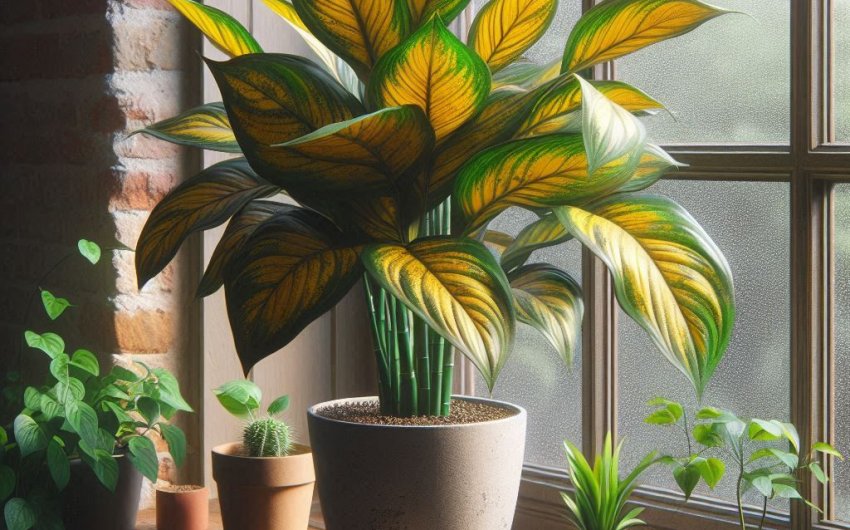
The dumb cane ( Dieffenbachia ) is a popular houseplant, celebrated for its striking foliage featuring vibrant patterns of green, white, and yellow. Its lush, tropical appearance makes it a favorite for adding a touch of exotic flair to indoor spaces. However, like any living organism, a dumb cane communicates its needs through its appearance. One of the most common and concerning signals it sends is when its beautiful leaves start to turn yellow. This discoloration can be a frustrating sight for any plant parent, often leaving them wondering what went wrong and how to fix it.
Yellowing leaves on a dumb cane are rarely a sign of immediate disaster, but they are a clear indication that something in the plant's environment or care routine needs adjustment. Pinpointing the exact cause is like solving a puzzle, requiring careful observation and a bit of detective work. From simple watering issues to more complex environmental stresses or nutrient imbalances, many factors can contribute to this common problem. The good news is that most of these issues are easily fixable once you understand the underlying cause. Let's explore the various reasons why the leaves of your dumb cane are turning yellow and how you can restore your plant to its vibrant, healthy glory.
Why Are the Leaves of My Dumb Cane Turning Yellow?
Yellowing leaves are the most common sign of distress for a dumb cane. Here are the primary reasons why this happens.
Is Your Dumb Cane Getting the Right Amount of Water?
Improper watering is by far the most frequent culprit behind yellowing leaves on a dumb cane. Both too much and too little water can cause this symptom.
Overwatering
- Symptoms: Leaves typically turn yellow all over, starting with older (lower) leaves. They might also feel soft and mushy, and the yellowing can quickly progress to brown or black as rot sets in. The soil will likely feel constantly wet, and you might notice a musty smell.
- Why it Happens: Dieffenbachia roots need oxygen. When the soil is constantly waterlogged, oxygen is driven out, and the roots essentially suffocate and begin to rot. Damaged roots cannot take up water or nutrients, leading to yellow leaves.
- Fix:
- Stop Watering Immediately: Do not water again until the top 2-3 inches of soil feel completely dry to the touch.
- Improve Drainage: Ensure your pot has adequate drainage holes. If not, repot into a container with holes.
- Check Roots (If Severe): Gently remove the plant from its pot and inspect the roots. Trim away any mushy, brown, or black roots with clean, sharp scissors. Repot into fresh, well-draining potting mix for houseplants.
- Future Watering: Always check the soil moisture before watering. Water thoroughly until water drains from the bottom, then allow the top few inches to dry out completely before the next watering. A soil moisture meter can be very helpful.
Underwatering
- Symptoms: Leaves turn yellow, often starting from the edges and tips, and may become dry and crispy. They might also droop before yellowing. The soil will be bone dry, and the pot might feel very light.
- Why it Happens: When the plant doesn't get enough water, it starts sacrificing older leaves to conserve moisture, diverting it to new growth.
- Fix:
- Water Thoroughly: Give the plant a deep, thorough watering until water drains from the bottom of the pot.
- Consistent Schedule: Establish a more consistent watering routine. While allowing the soil to dry out between waterings is good, don't let it stay dry for too long.
Is Your Dumb Cane Getting the Right Amount of Light?
Light plays a significant role in chlorophyll production, which keeps leaves green.
Not Enough Light
- Symptoms: Leaves (often older ones) may turn uniformly pale green or yellow and sometimes drop. New growth might be leggy or smaller than usual. The plant lacks vigor.
- Why it Happens: In low light, the plant cannot produce enough energy through photosynthesis to sustain all its leaves. It sheds inefficient leaves.
- Fix:
- Move to Brighter Spot: Relocate your dumb cane to a location with bright, indirect light. An east-facing window is often ideal, or a few feet away from a south or west-facing window.
- Avoid Direct Sun: While they like bright light, direct, harsh afternoon sun can scorch their leaves, causing brown spots. Filter strong light with a sheer curtain.
Too Much Direct Sun
- Symptoms: Yellowing that might be accompanied by brown or crispy spots, especially on the top surface of leaves. The leaves might look "bleached" or scorched.
- Why it Happens: Intense, direct sunlight can burn the sensitive leaves of a dumb cane, leading to discoloration and damage.
- Fix:
- Filter Light: Move the plant away from harsh direct sunlight. Use a sheer curtain to diffuse intense sun from south or west-facing windows.
What About Humidity and Temperature for Your Dumb Cane?
Dumb canes are tropical plants and prefer consistent, warm temperatures and high humidity.
Low Humidity
- Symptoms: Leaf tips and edges turn brown and crispy, which can sometimes be followed by general yellowing of the leaf as the damage spreads.
- Why it Happens: Dry air causes excessive moisture loss from the leaves, leading to dehydration and browning of delicate leaf tissue.
- Fix:
- Increase Humidity: Mist your plant regularly with a fine mist sprayer. Place a pebble tray with water beneath the pot (ensure the pot isn't sitting directly in water). Consider using a small room humidifier near your plant, especially in winter when heating systems dry out the air.
Temperature Fluctuations or Cold Drafts
- Symptoms: Sudden yellowing and drooping of leaves, followed by leaf drop. Often occurs on the side of the plant facing the draft.
- Why it Happens: Dumb canes are sensitive to cold and sudden temperature changes. Cold drafts from windows, doors, or air conditioning vents can shock the plant.
- Fix:
- Stable Location: Keep your dumb cane in a spot where temperatures are consistent, ideally between 65-75°F (18-24°C).
- Avoid Vents/Drafts: Do not place the plant directly near air conditioning vents, heating vents, or drafty windows/doors.
Is Your Dumb Cane Getting Enough Nutrients?
Over time, soil nutrients deplete, or imbalances can occur.
Nutrient Deficiency
- Symptoms:
- General Yellowing (Older Leaves): Often indicates a nitrogen deficiency.
- Interveinal Yellowing (Magnesium or Iron): Yellowing between the veins while the veins remain green. Magnesium deficiency usually affects older leaves, while iron affects new leaves.
- Why it Happens: The plant isn't getting enough of a particular essential nutrient to support healthy chlorophyll production and growth.
- Fix:
- Regular Fertilizing: Fertilize your dumb cane during its active growing season (spring and summer) every 2-4 weeks with a balanced liquid houseplant fertilizer. Use a liquid houseplant fertilizer diluted to half strength.
- Check Soil pH: Extreme soil pH can lock up nutrients. A soil test kit can help determine if this is an issue.
- Magnesium Boost: For magnesium deficiency, a solution of 1 tablespoon of Epsom salts per gallon of water can be used as a soil drench.
Over-fertilization
- Symptoms: Yellowing and browning of leaf tips and edges, often accompanied by stunted growth. A white crust may appear on the soil surface.
- Why it Happens: Too much fertilizer can lead to a buildup of salts in the soil, which can burn the roots and hinder water absorption.
- Fix:
- Flush the Soil: Water the plant thoroughly with plain water until a large amount of water drains out of the bottom of the pot. Repeat a few times. This washes away excess salts.
- Adjust Schedule: Reduce the frequency or strength of your fertilizer applications.
When Was Your Dumb Cane Last Repotted?
Pot size and old soil can contribute to issues.
Pot-Bound or Depleted Soil
- Symptoms: Slowed growth, general yellowing of lower leaves, and roots growing out of the drainage holes.
- Why it Happens: When a plant becomes root-bound, its roots don't have enough space to grow, and the old soil becomes depleted of nutrients. This stresses the plant.
- Fix:
- Repot: Repot your dumb cane into a pot that is only 1-2 inches larger in diameter. Use fresh, well-draining potting mix for tropical plants. The best time for repotting is spring.
Has Your Dumb Cane Recently Moved or Been Stressed?
Plants can show stress symptoms from environmental changes.
Transplant Shock or Environmental Stress
- Symptoms: Sudden yellowing and dropping of leaves after being moved, repotted, or experiencing a significant change in its environment (e.g., bringing it home from the nursery).
- Why it Happens: Plants react to changes in light, temperature, humidity, and root disturbance by shedding leaves.
- Fix:
- Patience: Provide consistent care and give the plant time to acclimate to its new surroundings. Avoid making too many changes at once. Some leaf drop is normal during adjustment.
Is It Pests or Diseases Attacking Your Dumb Cane?
While less common for yellowing, pests and diseases can also contribute.
Pests
- Symptoms: Tiny yellow stipples on leaves, distorted growth, sticky residue (honeydew), or visible insects like spider mites, mealybugs, or scale.
- Why it Happens: Pests suck sap from the plant, weakening it and causing discoloration.
- Fix:
- Inspect: Regularly check the tops and undersides of leaves.
- Treat: For minor infestations, wipe leaves with a damp cloth or cotton swab dipped in rubbing alcohol. For larger issues, use organic insecticidal soap spray or neem oil.
Fungal Issues (e.g., Root Rot)
- Symptoms: As discussed under overwatering, root rot is a common fungal issue leading to yellow, mushy leaves and eventual collapse.
- Why it Happens: Caused by overwatering and poor drainage.
- Fix: Address watering practices and root damage immediately.
Could it Be Natural Aging?
- Symptoms: Only a few lower leaves turn yellow and drop off occasionally, especially as the plant grows taller and produces new growth from the top. The rest of the plant appears healthy.
- Why it Happens: It's a natural process as older leaves complete their life cycle.
- Fix: No fix needed. This is normal. Simply remove the yellowing leaves.
How Do I Fix My Dumb Cane's Yellow Leaves? A Step-by-Step Approach.
Once you've identified the likely cause of yellowing, implement these steps for recovery.
Step 1: Observe and Diagnose
- Analyze the Symptoms: Look at which leaves are affected (old vs. new), the pattern of yellowing (uniform vs. interveinal), and if other symptoms are present (crispy, mushy, stunted).
- Check Environmental Factors: Review your watering habits, light exposure, temperature, and humidity.
- Inspect for Pests: Look closely for any signs of insects.
Step 2: Immediate Action Based on Diagnosis
- For Overwatering (Most Common):
- Stop watering. Allow soil to dry out significantly.
- Ensure drainage.
- If severe, unpot, trim rotten roots, and repot in fresh soil.
- For Underwatering:
- Water thoroughly until drainage.
- Adjust to a more consistent watering schedule.
- For Low Light:
- Move to a brighter spot with indirect light.
- For Too Much Direct Sun:
- Move to a less intense spot or use a sheer curtain.
- For Low Humidity/Cold Drafts:
- Increase humidity (misting, pebble tray, humidifier).
- Move away from drafts or vents.
- For Nutrient Deficiency:
- Begin regular fertilizing during the growing season with a balanced liquid fertilizer.
- If specific nutrient signs (like interveinal yellowing) are strong, consider a targeted supplement like Epsom salts for magnesium.
- For Over-fertilization:
- Flush the soil with plain water.
- Reduce fertilizer strength or frequency.
- For Pot-Bound/Old Soil:
- Repot into a slightly larger pot with fresh soil.
- For Pests:
- Treat immediately with appropriate natural solutions (wiping, insecticidal soap, neem oil).
Step 3: Prune Affected Leaves
- Remove Yellowed Leaves: Once you've identified the cause and taken corrective action, you can prune off the yellowed leaves. These leaves will not turn green again. Removing them allows the plant to redirect energy to healthy growth.
- How to Prune: Use clean, sharp scissors or pruning snips for houseplants to cut the leaf stem close to the main stalk.
Step 4: Monitor and Adjust
- Patience: It takes time for a dumb cane to recover. Don't expect instant results.
- Observe New Growth: The best indicator of success will be healthy, vibrant new leaves emerging.
- Fine-Tune Care: Continue to monitor your plant's response and adjust your watering, lighting, or other environmental factors as needed. Consistency is key for long-term health.
The presence of yellowing leaves on your dumb cane is simply its way of communicating a need. By becoming a keen observer and understanding the potential culprits—from common watering woes to light, temperature, or nutrient issues—you can quickly pinpoint the problem. With a few thoughtful adjustments to its care routine, your beautiful dumb cane can regain its vibrant foliage, continuing to bring a lush, tropical charm to your indoor space for many years to come.